Find the Best Bed Bug Treatment Companies for Your Business
No obligation • Fast responses • Nationwide coverage

Why you can trust Pest Crews
Pest Crews is a leading U.S. resource for finding and evaluating residential and commercial pest control services. Our team researches providers, reviews treatment approaches, and organizes unbiased information to help you make informed decisions. Companies cannot pay to change our editorial content or influence how they appear.
Search providers near you
Top Bed Bug Treatment Companies in Norwalk, Connecticut Ranked
Discovering bed bugs in your Connecticut home or apartment can be a stressful and overwhelming experience. Effective bed bug extermination requires specialized knowledge and methods to fully eliminate these persistent pests. This guide provides essential information on Connecticut's specific laws, the treatment process, and the responsibilities of landlords and tenants to help you navigate a bed bug situation with clarity and confidence.
GoSafe Pest Control LLC
264-07 Langston Ave unit B, Glen Oaks, NY 11004
GoSafe Pest Control LLC is a locally owned pest control company serving New York, NY. They provide a range of pest management services including bed bug treatment, cockroach and ant control, rodent control, termite inspections, mosquito control, bee and wasp removal, bird and pigeon control, and wildlife removal. The company offers eco-friendly solutions tailored to client schedules, with options for weekly to seasonal visits.

Rest Easy Pest Control
40 Glen St suite b, Glen Cove, NY 11542
Rest Easy Pest Control provides pest management services in Yonkers, NY, specializing in residential and commercial pest control. With over 20 years of combined experience, they offer customized plans targeting pests such as bed bugs, cockroaches, ants, rodents, and termites. Their team includes licensed and certified technicians, and they emphasize personalized solutions tailored to each client's needs. The company also offers same-day emergency service for urgent pest issues, ensuring timely response when needed.

Suburban Pest Control
60 Runyon Ave, Yonkers, NY 10710
Suburban Pest Control is a pest control company based in Yonkers, NY, serving residential and commercial clients throughout Westchester County, Rockland County, and New York City. They offer a range of pest control services including bed bug treatment, cockroach control, ant control, and rodent management. Established in 1974, Suburban Pest Control brings decades of experience to their work and provides recurring services and innovative treatments to manage pest issues effectively. The company also offers same-day service and weekend hours to accommodate customer needs.

Dependable Exterminating Co., Inc.
2812 Coddington Ave, Bronx, NY 10461
Dependable Exterminating Co., Inc. is a pest control company based in Yonkers, NY, offering services for residential and commercial properties. They provide treatment and removal for bed bugs, cockroaches, rodents, termites, and wildlife. With over 30 years of experience, the company serves the five boroughs of New York City, Westchester County, Rockland County, Orange County, and nearby areas. Dependable Exterminating uses updated technology and customized plans to address pest problems of various sizes. Founded in 1984, the company continues to operate under the leadership of Kenneth Vanderoef, maintaining a focus on integrity and professionalism.

Hello Pest Control
545 Saw Mill River Rd Suite 3B, Ardsley, NY 10502
Hello Pest Control is a pest control company serving Yonkers, NY, specializing in both residential and commercial pest management. They provide customized pest control plans targeting common pests such as bed bugs, cockroaches, ants, and rodents. Their services include indoor and outdoor pest treatments using advanced techniques and professional-grade pesticides to ensure effective and safe pest elimination. With over 30 years of combined experience, Hello Pest Control emphasizes personalized solutions and clear communication. They also offer same-day emergency service for urgent pest problems.
Understanding Connecticut's Bed Bug Laws
Connecticut has specific statutes, primarily Public Act 16-51, that clearly outline the legal responsibilities for both landlords and tenants when dealing with a bed bug infestation. These laws are designed to ensure prompt action and clarify who is financially responsible for extermination costs.
The core principle is that the landlord is financially responsible for the inspection and treatment of bed bugs. However, tenants have crucial obligations to cooperate with the process. This framework aims to prevent infestations from spreading due to inaction or disputes over payment.
Landlord Responsibilities in Connecticut
Under Connecticut law, landlords have a series of mandated actions upon being notified of a potential bed bug problem.
Pay for and Arrange Treatment: Landlords must pay for an inspection by a qualified professional and all necessary treatments for both the infested unit and any contiguous (adjacent) units. This must be initiated within five business days of receiving notice from a tenant.
Inspect and Provide Notice: After tenant notification, the landlord must have the unit inspected within five days. Before entering for inspection or treatment, they must provide the tenant with reasonable notice, as required by standard landlord-tenant law 1.
Offer Assistance and Disclose History: If a tenant is unable to complete the extensive preparation required for treatment (due to age, disability, etc.), the landlord must offer reasonable assistance. They can charge a fee for this assistance, which the tenant can repay over a six-month period. Furthermore, landlords must disclose to prospective tenants if the unit or an adjacent unit has been treated for bed bugs within the past 60 days 2.
Tenant Responsibilities in Connecticut
Tenants play an active role in the successful eradication of bed bugs and have legal duties under the statute.
Prompt Notification: You must immediately inform your landlord in writing if you suspect a bed bug infestation. Delaying notification can allow the problem to worsen and spread.
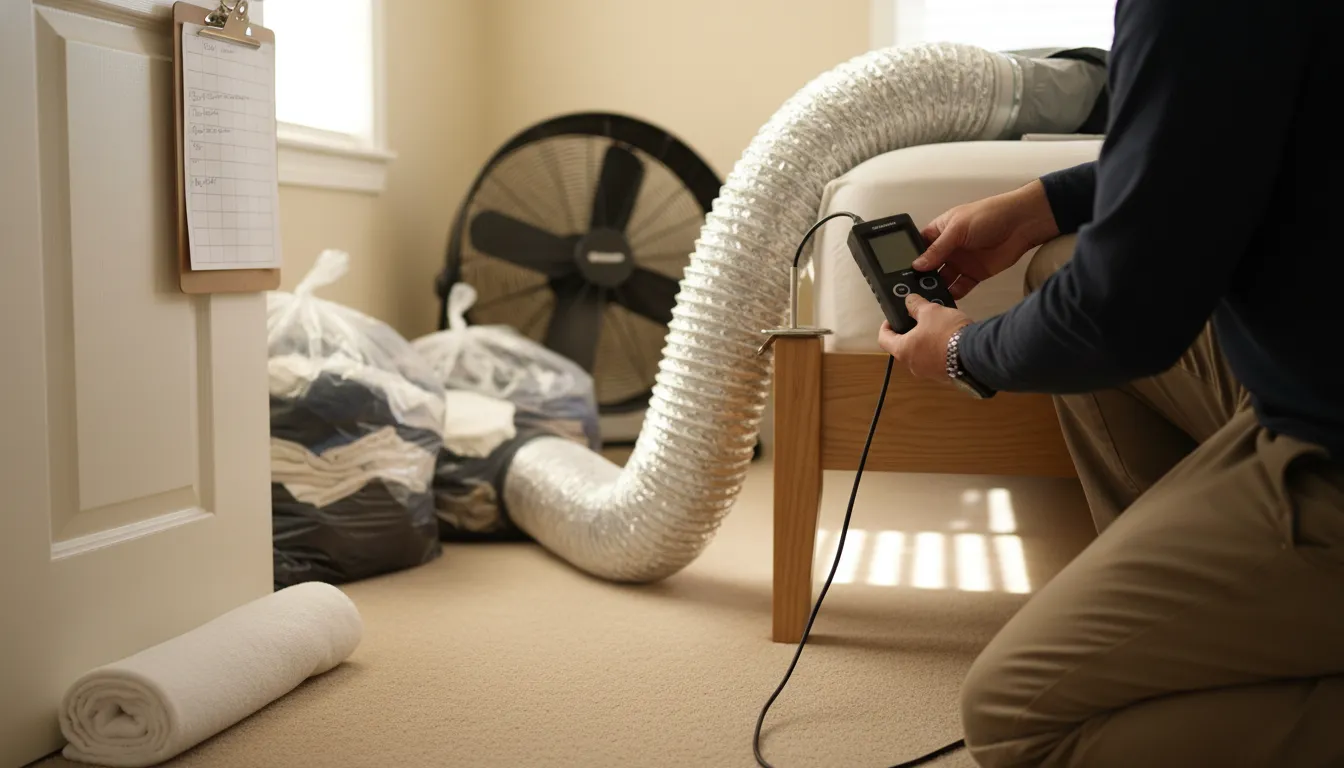
Prepare the Unit for Treatment: This is the tenant's primary responsibility. Preparation typically includes extensive tasks such as:
- Vacuuming thoroughly.
- Moving furniture away from walls.
- Washing and drying all clothing, linens, and fabrics on the hottest settings possible.
- Bagging and sealing items.
- Removing clutter to give pest control professionals access.
Comply with Instructions: You must follow all reasonable instructions provided by the landlord and the licensed pest control inspector to enable effective treatment.
Financial Liability for Non-Compliance: A critical part of the law states that a tenant can be held financially responsible for the cost of treatment if they knowingly and unreasonably fail to comply with the preparation requirements 3 4. Simply finding the preparation difficult is not an excuse; refusal to cooperate can shift the financial burden to the tenant.
The Bed Bug Treatment Process & Methods
Professional bed bug control in Connecticut typically involves a multi-visit integrated pest management (IPM) approach. The most common methods used by certified professionals are:
Heat Treatment: This involves raising the temperature of the entire room or unit to a level lethal to bed bugs and their eggs (typically 120°F - 135°F). It is highly effective in a single, day-long treatment but requires significant preparation and specialized equipment.
Chemical Treatment: Licensed applicators use EPA-registered pesticides specifically labeled for bed bugs. This method often requires multiple treatments spaced several weeks apart to target bugs that hatch after the initial application. It is crucial that only professionals handle these chemicals.
Steam Treatment: Targeted steamers can kill bed bugs on contact and are often used on furniture, mattresses, and baseboards as a supplement to other methods.
Mattress Encasements: Installing special, bed-bug-proof encasements on mattresses and box springs traps any remaining bugs inside and prevents new ones from infesting the bedding.
A reputable professional will begin with a thorough inspection, recommend a treatment plan based on the infestation's severity, and outline the specific preparation needed from the tenant.
Find the perfect bed bug treatment companies for your needs
Get personalized recommendations and expert advice
Understanding the Costs of Bed Bug Extermination
Bed bug treatment represents a significant financial investment, and understanding the cost breakdown is important for both landlords and tenants.
Treatment Costs (Landlord's Responsibility): The cost for professional extermination in Connecticut can vary widely based on the treatment method, the size of the unit, and the infestation's severity. Full treatments often range from $1,000 to $3,000 or more per unit 5 6 7. Since the law requires inspection and treatment of adjacent units, the total cost for a landlord can multiply quickly.
Tenant-Associated Costs: While the landlord covers the extermination itself, tenants often face substantial out-of-pocket expenses related to preparation, including:
- Laundry: Multiple loads washed and dried on high heat at a laundromat.
- Professional Cleaning: Hiring cleaners for carpets or upholstery.
- Replacement Items: Purchasing new, hard-sided luggage, plastic storage bins, and certified mattress/box spring encasements.
- Temporary Storage: Renting a storage unit for belongings during treatment.
Insurance Coverage: It is important to know that standard renters' insurance policies almost never cover the cost of bed bug extermination or related damages8. This coverage gap highlights the importance of prevention and prompt action.
Preventing Bed Bug Infestations
Prevention is far easier and less costly than treatment. Key prevention tips include:
- Inspect Secondhand Items: Thoroughly check any used furniture, mattresses, or clothing before bringing them into your home.
- Be Vigilant When Traveling: Inspect hotel room headboards, mattress seams, and furniture. Keep luggage on a rack away from the bed and walls.
- Reduce Clutter: Clutter provides numerous hiding spots for bed bugs.
- Use Protective Covers: Encase mattresses and box springs with bed-bug-proof covers.
- Stay Informed: Know the signs of bed bugs (small rust-colored stains on sheets, shed exoskeletons, live bugs).
Resolving Disputes Between Landlords and Tenants
If a landlord refuses to address a confirmed infestation or a tenant refuses to cooperate with preparation, legal issues can arise. Tenants should document all communication with their landlord (preferably in writing or email) and keep records of their notification. If a landlord fails to act, a tenant may need to contact local health department code enforcement or seek legal advice. Conversely, landlords must document a tenant's refusal to prepare the unit if they intend to seek reimbursement for costs 9.
Frequently asked questions
Sources
Footnotes
-
Connecticut Rental Property Bed Bug Infestation Laws - https://americanlandlord.com/connecticut-landlord-tenant-laws/connecticut-rental-property-bed-bug-infestation-laws/ ↩
-
AN ACT CONCERNING THE RIGHTS AND RESPONSIBILITIES OF ... - https://www.cga.ct.gov/2016/BA/2016HB-05335-R000228-BA.htm ↩
-
AN ACT CONCERNING THE RIGHTS AND RESPONSIBILITIES OF ... - https://cga.ct.gov/2013/BA/2013SB-00952-R01-BA.htm ↩
-
Public Act No. 16-51 - Connecticut General Assembly - https://www.cga.ct.gov/2016/act/pa/2016PA-00051-R00HB-05335-PA.htm ↩
-
File No. 264 - Connecticut General Assembly - https://www.cga.ct.gov/2013/FC/2013SB-00952-R000264-FC.htm ↩
-
Bed Bugs Meet the Law - An Explanation of Public Act 16-51, the ... - https://portal.ct.gov/-/media/caes/documents/bed_bugs/2016/bedbugsmeetthelawanexplainationofpublicact1651attyjudithrdicinepdf.pdf?rev=f34caa35457f411e8ec35ba6b7ad0b8c&hash=0016ABA2CACBC15C93A2158B850CD5A2 ↩
-
Bed Bugs - United Way of Connecticut - CT 211 - https://uwc.211ct.org/bed-bugs/ ↩
-
Does Renters Insurance Cover Bed Bugs? | Progressive - https://www.progressive.com/answers/does-renters-insurance-cover-bed-bugs/ ↩
-
Going Buggy! Unfortunately, Landlords Are Still Unfamiliar ... - https://www.clintonlawoffices.com/blog/2020/01/going-buggy-unfortunately-landlords-are-still-unfamiliar-with-bed-bug-infestation-statute/ ↩