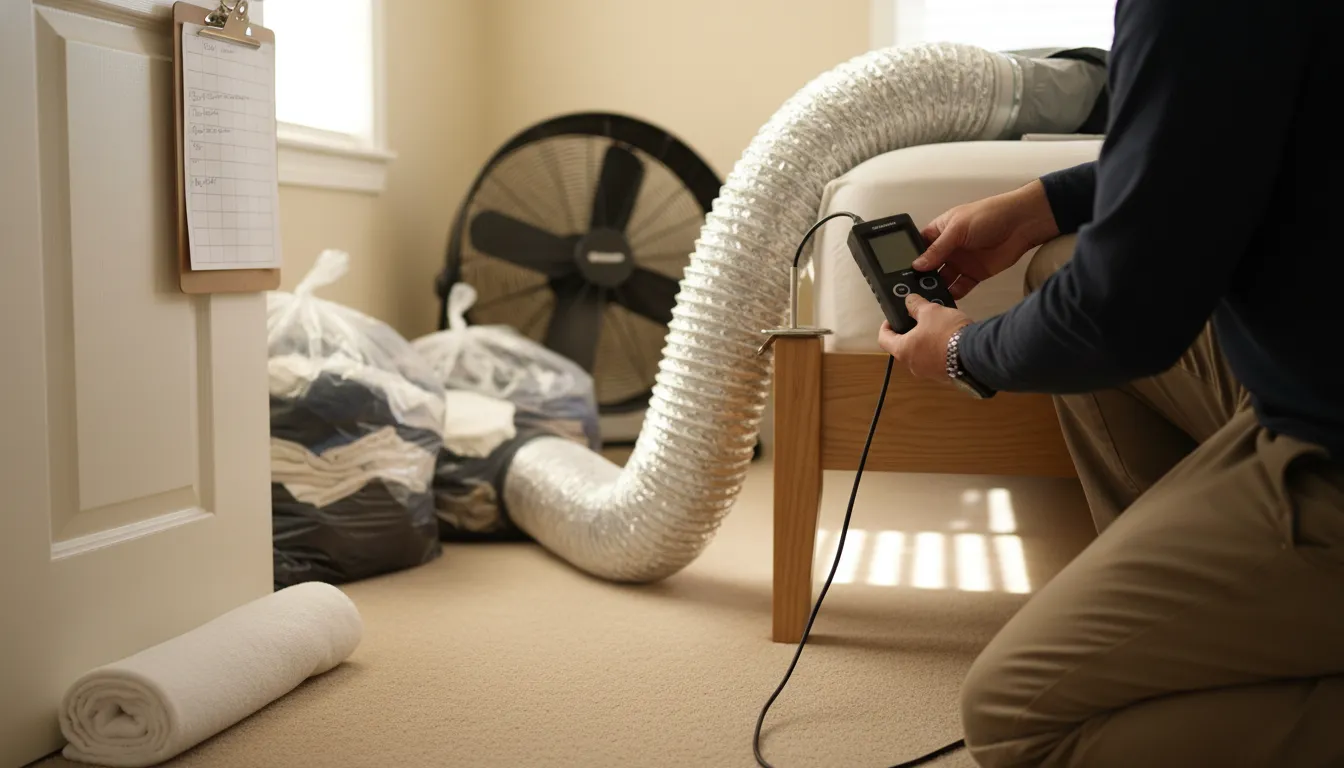
Find the Best Bed Bug Treatment Companies for Your Business
No obligation • Fast responses • Nationwide coverage

Why you can trust Pest Crews
Pest Crews is a leading U.S. resource for finding and evaluating residential and commercial pest control services. Our team researches providers, reviews treatment approaches, and organizes unbiased information to help you make informed decisions. Companies cannot pay to change our editorial content or influence how they appear.
Search providers near you
Best Bed Bug Treatment Companies in Florida Ranked
Discovering bed bugs in your Florida home or business can be a stressful and overwhelming experience. Effective bed bug extermination is critical to reclaim your space, prevent bites, and stop these pests from spreading to neighbors or other units. This guide provides clear, actionable information on Florida-specific laws, treatment options, and steps for both tenants and property owners to resolve an infestation efficiently. You can use this resource to understand your rights, responsibilities, and how to connect with qualified local professionals for eradication.
Swat It Pest Control
3033 NW 28th St, Lauderdale Lakes, FL 33311
Swat It Pest Control is a pest control company based in Fort Lauderdale, FL, serving communities across Florida. They offer a range of pest management services including bed bug treatment, cockroach and rodent control, bee and wasp removal, and commercial pest control. The company provides targeted solutions for common pests such as scorpions and fleas, aiming to protect both homes and businesses. Swat It Pest Control emphasizes fast response times and reliable strategies tailored to Florida's unique pest challenges.
Mega Bee Rescues & Pest Control
21451 San Simeon Way Suite 103, Miami, FL 33179
Mega Bee Rescues & Pest Control is a pest control company based in Miami, FL, serving Miami-Dade and Broward counties. They offer eco-friendly pest control solutions for a wide range of pests including ants, cockroaches, termites, bed bugs, rodents, mosquitoes, wasps, and bees. The company specializes in humane bee rescue and removal, safely relocating hives to protect local ecosystems. Established in 2011, Mega Bee Rescues & Pest Control combines advanced pest management techniques with ongoing education to provide effective and environmentally conscious services. They also offer same-day and emergency pest control services to address urgent infestations promptly.
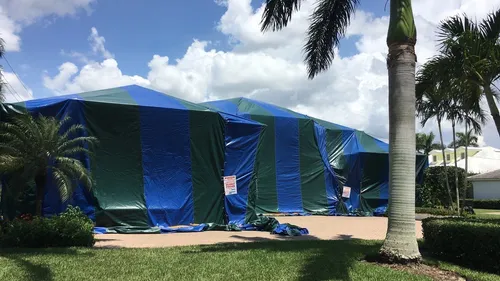
Security Termite & Pest Control
7995 Mercantile St #5, North Fort Myers, FL 33917
Security Termite & Pest Control is a locally owned pest control company serving Cape Coral, FL, and the greater Southwest Florida area. With over 25 years of experience since 1985, they provide residential and commercial pest control services including bed bug treatment, termite control, mosquito control, rodent control, bee and wasp removal, and tent fumigation. They use Integrated Pest Management (IPM) techniques to offer targeted, environmentally considerate pest solutions. Security Termite & Pest Control also offers quarterly treatments to maintain pest barriers and provides 24/7 emergency services for urgent pest issues.
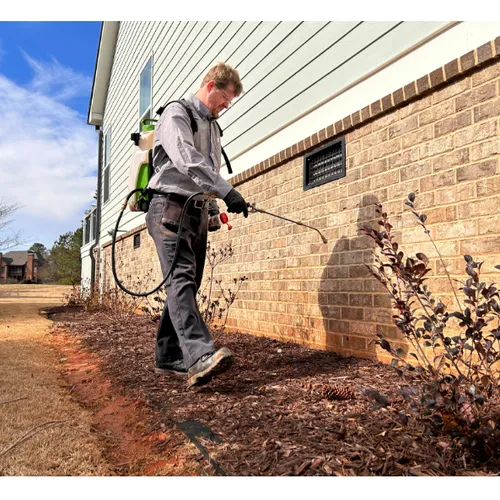
Northwest Exterminating - Miami Gardens
17401 NW 2nd Ave #1, Miami Gardens, FL 33169
Northwest Exterminating - Miami Gardens offers pest control services in Miami, FL, specializing in bed bug treatment, rodent control, termite inspections, mosquito control, and commercial pest management. Their services include no-tent termite control for drywood termites, subterranean termite protection with Sentricon®, and rodent exclusion techniques. They also provide flea and tick control along with disinfectant services to maintain healthy homes and businesses. The company emphasizes thorough inspections and customized treatment plans to address infestations effectively.
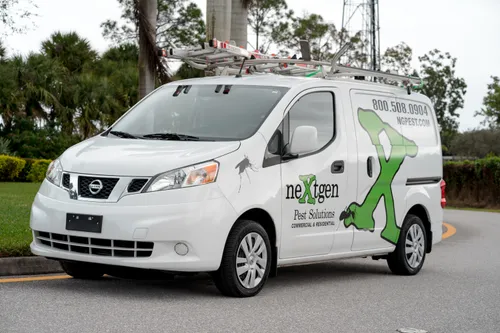
Nextgen Pest Solutions
1428 Gulf to Bay Blvd # D, Clearwater, FL 33755
Nextgen Pest Solutions provides pest control services in St Petersburg, FL, specializing in residential and commercial pest management. They offer targeted treatments for common pests including bed bugs and termites, using advanced solutions suited to Florida's climate. Operating from Clearwater, they serve nearby communities with customized plans to address and prevent infestations effectively.
Understanding Bed Bugs in Florida
Bed bugs are small, parasitic insects that feed on human blood, often causing itchy welts and significant psychological distress. They are excellent hitchhikers, easily transported in luggage, furniture, and clothing. Florida's warm climate and high volume of tourism and transient populations can contribute to the spread of infestations in apartments, hotels, single-family homes, and even commercial spaces. Contrary to popular belief, bed bugs are not a sign of poor hygiene; they can be found in any environment where people live or sleep.
An infestation requires professional intervention. DIY methods often fail to eliminate the entire population, leading to a recurring problem. Professional bed bug control involves a combination of thorough inspection, targeted chemical and non-chemical treatments, and detailed preparation by the occupant.
Florida Landlord Responsibilities for Bed Bug Extermination
Florida law places specific obligations on landlords to maintain habitable housing. Under Florida Statutes Section 83.51, landlords must comply with building, housing, and health codes, which generally includes keeping the premises free from pests. This legal framework forms the basis for landlord responsibility in multi-unit dwellings.
Key landlord duties include:
- Providing Habitable Housing: A rental unit must be pest-free at the time a tenant moves in. Landlords are responsible for addressing infestations that pre-date the tenancy or originate from outside the tenant's unit.
- Extermination in Multi-Unit Buildings: For apartments, condos, and other multi-tenant properties, the landlord is typically responsible for arranging and paying for pest extermination, including bed bug treatment, unless the lease agreement states otherwise.
- Timely Action: Once properly notified by a tenant, a landlord must take reasonable steps to address the infestation. Failure to act can lead to legal remedies for the tenant.
- Providing Notice for Vacating: If treatment requires the tenant to vacate, the landlord must provide at least 7 days' written notice, and the tenant cannot be required to leave for more than 4 days.
Tenant Responsibilities and Rights in Florida
Tenants also have crucial legal obligations. Fulfilling these is often a prerequisite for the landlord's duty to act and is essential for successful treatment.
Tenants must:
- Notify Promptly and in Writing: You must inform your landlord of a suspected bed bug problem in writing as soon as it is discovered. Verbal notice is often insufficient to trigger the landlord's legal duties and start the clock on required response times 1.
- Cooperate Fully with Treatment: This is a critical legal requirement. You must prepare the unit according to the pest control company's instructions, which may include extensive tasks like bagging all clothing and linens, moving furniture away from walls, and dismantling bed frames 2.
- Temporarily Vacate if Required: You must comply with requests to vacate the premises for the treatment period, which cannot exceed 4 consecutive days 3.
- Maintain Cleanliness: While not the cause of bed bugs, general cleanliness can help in monitoring and preparation.
If a landlord fails to act within a reasonable time (often interpreted as 7 days after receiving written notice), Florida tenants have several legal remedies. These can include withholding rent, "repairing and deducting" (paying for extermination and deducting the cost from rent), or in severe cases, terminating the lease agreement 4. Documenting everything with photos and keeping copies of all written communication is vital if these steps become necessary.
Who Pays for Bed Bug Treatment in Florida?
The question of payment is common and hinges on the source of the infestation and the lease terms.
- General Rule: In multi-unit buildings, the landlord is usually responsible for the cost of professional bed bug extermination.
- Tenant-Caused Infestations: If a landlord can prove that a specific tenant introduced the bed bugs (e.g., through recent travel or bringing in infested second-hand furniture), they may attempt to charge that tenant for the treatment costs. However, proving this can be difficult and is often debated 5 6 7.
- Cost Range: Professional bed bug treatment costs in Florida vary based on the size of the home, severity, and treatment method. Costs can range from several hundred dollars for a localized treatment to $1,000 - $3,000 or more for a full apartment or single-family home, and multiple treatments may be required 8 9.
Find the perfect bed bug treatment companies for your needs
Get personalized recommendations and expert advice
The Professional Bed Bug Treatment Process
A reputable pest control professional will follow a comprehensive process:
- Inspection: A thorough visual inspection to confirm activity and identify the extent of the infestation.
- Preparation Guide: Providing you with a detailed, room-by-room checklist of preparation steps that are mandatory for treatment success.
- Treatment Plan: Recommending a treatment strategy, which may include:
- Insecticide Applications: Targeted use of EPA-approved liquid or dust insecticides.
- Heat Treatment: Raising the temperature of the room or entire structure to a level lethal to all bed bug life stages.
- Steam Treatment: Using high-temperature steam to kill bugs and eggs in fabrics and crevices.
- Mattress Encasements: Sealing mattresses and box springs to trap and starve any bugs inside.
- Follow-Up Inspections: Bed bug eggs are resistant to many treatments, so follow-up visits 10-21 days later are standard to eliminate newly hatched nymphs.
Step-by-Step Action Plan for a Bed Bug Infestation
- Confirm the Problem: Identify signs: live bugs, rusty-colored stains on sheets, shed skins, or bites on your skin. Capture a bug in a sealed bag for identification if possible.
- Document Everything: Take clear, dated photos and videos of the bugs, stains, and affected areas.
- Notify Your Landlord in Writing: Immediately send a formal, dated letter or email describing the infestation. Keep a copy for your records. This starts the legal timeline 10 11.
- Cooperate with the Inspection: Allow the landlord or their chosen pest control professional access to inspect.
- Prepare Meticulously: Complete every single preparation step provided by the exterminator. Incomplete preparation is the leading cause of treatment failure.
- Attend All Treatments: Be present for and comply with all scheduled treatment and follow-up appointments.
- Seek Help if Needed: If your landlord is unresponsive, you can contact the Florida Department of Agriculture and Consumer Services (FDACS) at 1-800-HELP-FLA for information and to file a complaint regarding pest control services 12.
Preventing Bed Bug Reinfestation
After successful treatment, vigilance is key:
- Inspect Second-Hand Items: Carefully examine any used furniture, mattresses, or clothing before bringing them inside.
- Be Cautious When Traveling: Inspect hotel rooms and keep luggage on luggage racks, away from beds and walls. Wash all clothing in hot water upon returning home.
- Use Protective Covers: Keep mattresses and box springs enclosed in bed bug-proof encasements.
- Reduce Clutter: Eliminate hiding places, especially in bedrooms.
Frequently asked questions
Sources
Footnotes
-
Can I Sue My Landlord for a Bed Bug Infestation? | FL - Lorenzo & Lorenzo ↩
-
Are Landlords Responsible For Pest Control In Florida - Hoffer Pest ↩
-
Florida's Bed Bug Regulations: Landlord Duties and Tenant Protections - Bed Bugs Law ↩
-
Landlord/Tenant Law in Florida / Consumer Resources / Home - Florida Department of Agriculture and Consumer Services ↩
-
Bed Bugs and Landlord-Tenant Disputes - Florida Bed Bug Experts ↩
-
Tenant's Bed Bug Infestation Guide: What to Do and Who Pays - Bed Bug BBQ ↩
-
How Much Does Bed Bug Treatment Cost in Florida? - Native Pest Management ↩
-
Bed Bug Battle Plan: Critical Tenant Reporting & Treatment Preparation Guide - Ramos Law ↩
-
Florida's Landlord/Tenant Law - Brevard County Clerk of Court ↩
-
Consumer Bed Bug FAQ - Florida Department of Agriculture and Consumer Services ↩