Find the Best Bed Bug Treatment Companies for Your Business
No obligation • Fast responses • Nationwide coverage

Why you can trust Pest Crews
Pest Crews is a leading U.S. resource for finding and evaluating residential and commercial pest control services. Our team researches providers, reviews treatment approaches, and organizes unbiased information to help you make informed decisions. Companies cannot pay to change our editorial content or influence how they appear.
Search providers near you
Best Bed Bug Treatment Companies in Maine Ranked
Discovering bed bugs in your Maine home can be a stressful experience. Effective bed bug extermination requires a professional approach, as these pests are notoriously difficult to eliminate with DIY methods. This guide provides essential information on Maine's specific laws, the treatment process, and how to find qualified local specialists to address an infestation promptly and thoroughly.
Understanding Maine's Bed Bug Laws and Responsibilities
Maine has clear statutes that outline the responsibilities of both landlords and tenants when it comes to bed bug infestations. This legal framework is designed to ensure swift action and shared responsibility to prevent the spread of these pests.
Landlord Obligations in Maine
Maine law places significant responsibility on property owners and managers to address bed bug problems. Upon notification from a tenant, a landlord's duties are specific and time-sensitive.
- Prompt Inspection: Landlords must inspect the reported unit within five days of receiving a tenant's notification.
- Professional Treatment: If bed bugs are confirmed, the landlord must hire and pay for a state-certified pest management professional to treat the infestation. This treatment must begin within ten days of the initial tenant report and follow the expert's recommendations for reasonable eradication.
- Disclosure Requirements: Landlords must inform prospective tenants if an adjacent unit (next door, above, or below) currently has or recently had a bed bug infestation. They must also disclose the date of the last inspection for bed bugs upon request 1.
- Prohibition on Renting Infested Units: It is illegal to knowingly rent a unit that is infested with bed bugs.
- Assistance with Preparation: Recognizing that preparation costs can be a burden, the law requires landlords to offer reasonable assistance-which can be financial-to tenants who are unable to comply with preparation requirements. This assistance can be repaid by the tenant over a period of up to six months 2.
Tenant Responsibilities in Maine
Tenants play a crucial role in the successful eradication of bed bugs. Cooperation is not just helpful; it's a legal requirement.
- Immediate Reporting: Tenants must notify their landlord in writing as soon as they suspect a bed bug problem. Delaying a report can allow the infestation to grow and spread.
- Cooperation with Access: Tenants must allow access to the unit for inspection and treatment, provided the landlord gives at least 24 hours' notice.
- Unit Preparation: Successful treatment depends heavily on proper preparation. Tenants are typically required to:
- Move furniture away from walls.
- Wash and dry all bedding, linens, and clothing on the highest heat settings possible.
- Vacuum thoroughly, including carpets, furniture, and baseboards.
- Discard heavily infested items properly (often in sealed bags).
- Use certified mattress and box spring encasements to trap any remaining bugs.
- Understanding Limitations: Landlords are not liable for providing alternate lodging during treatment or for replacing personal property damaged by the infestation 3.
This shared-responsibility model is central to Maine's approach, ensuring both parties work together toward a solution.
The Professional Bed Bug Extermination Process in Maine
Professional bed bug control is a multi-step process that goes far beyond a simple spray. Reputable providers in Maine follow integrated pest management (IPM) principles, which combine multiple methods for the most effective, long-lasting results.
- Inspection and Confirmation: A certified technician will conduct a thorough inspection using tools like flashlights, magnifying glasses, and possibly monitoring devices to confirm the presence, identify the species, and determine the extent of the infestation.
- Treatment Plan Development: Based on the inspection, the professional will recommend a customized plan. This often involves a combination of:
- Chemical Treatments: The application of EPA-registered pesticides by licensed professionals. Multiple treatments, typically 2-3 visits spaced 10-14 days apart, are usually necessary to break the bed bug life cycle.
- Heat Treatment: This non-chemical method involves raising the temperature of the entire room or structure to a level lethal to bed bugs and their eggs (typically 120°F - 135°F). It's highly effective in a single day but may be costlier.
- Steam Treatment: Targeted use of high-temperature steam to kill bugs and eggs in cracks, crevices, and on furniture surfaces.
- Mattress Encasements: Installing specially designed, bite-proof encasements on mattresses and box springs to trap any remaining bugs inside, where they will eventually die.
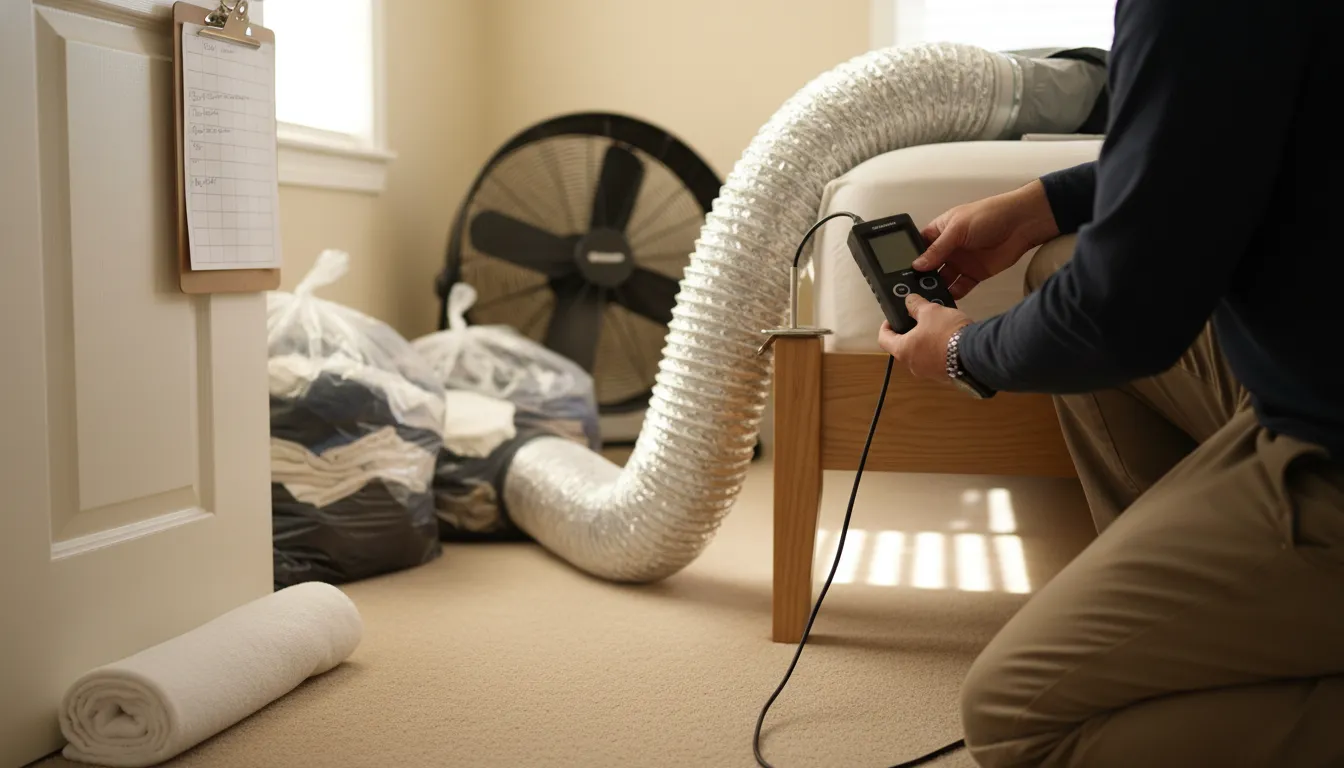
- Preparation Guidance: The technician will provide a detailed checklist for preparing your home, which is critical for the treatment's success.
- Follow-Up and Monitoring: Post-treatment, the professional may install monitoring devices or schedule follow-up inspections to ensure the infestation has been completely eradicated.
Find the perfect bed bug treatment companies for your needs
Get personalized recommendations and expert advice
What to Look for in a Maine Bed Bug Specialist
Choosing the right professional is paramount. Here are key factors to consider when evaluating local bed bug exterminators:
- Maine State Certification: Always verify that the company and its applicators are licensed by the Maine Board of Pesticides Control. This ensures they are trained in safe and effective pesticide use and are updated on state regulations.
- Experience and Specialization: Look for companies that specifically list bed bug control as a core service. Ask how many bed bug jobs they complete annually and their preferred methods.
- Inspection Process: A reputable company will always insist on a thorough inspection before providing a firm quote or treatment plan. Be wary of anyone who offers a price over the phone without seeing the property.
- Detailed Written Quote and Plan: The quote should be in writing and detail the methods to be used, the number of treatments included, the guarantee or warranty terms, and exactly what is expected from you in terms of preparation.
- Insurance: The company must carry liability insurance to protect your property in the unlikely event of damage during treatment.
- References and Reviews: Check online reviews on independent platforms and ask the company for references from past bed bug treatment clients.
Cost Considerations for Bed Bug Treatment in Maine
The cost of bed bug extermination in Maine varies based on the severity of the infestation, the size of the home, the treatment method chosen, and the company. According to industry standards, homeowners and landlords can expect a range 4.
- Professional Extermination Costs: Treatment typically ranges from several hundred to over a thousand dollars. Chemical treatments may start lower but often require multiple visits. Whole-room or whole-house heat treatment is generally more expensive upfront but can be completed in one day. It's crucial to get multiple detailed quotes.
- Tenant Preparation Costs: While the landlord pays for the professional extermination, tenants may incur out-of-pocket costs for preparation. This can include the purchase of mattress and box spring encasements (approximately $50-$100 each), increased utility costs from excessive laundering, and potential fees for disposing of heavily infested items 5 6.
- Financial Responsibility for Non-Compliance: Maine law stipulates that if a tenant fails to comply with reasonable preparation and cooperation requests, they may become financially responsible for the costs of the treatment or related damages 7 8.
Preventing Future Bed Bug Infestations
After successful treatment, prevention is key. Be cautious when acquiring used furniture or mattresses. When traveling, inspect hotel rooms and keep luggage on luggage racks away from beds and walls. Upon returning home, immediately wash and dry all clothing on high heat. Consider using protective encasements on your mattresses and box springs as a long-term monitoring and prevention tool. Regular vacuuming and reducing clutter can also minimize potential hiding spots.
Frequently asked questions
Sources
Footnotes
-
Recent Changes to Maine Residential Landlord/Tenant Law - https://perkinsthompson.com/changes-maine-residential-landlord-tenant-law/ ↩
-
the tenant's - Maine Legislature - https://mainelegislature.org/legis/bills/bills_124th/chapters/PUBLIC566.asp ↩
-
Rights of Maine Renters: Unsafe or Unfit Housing - https://www.ptla.org/rights-maine-renters-unsafe-or-unfit-housing ↩
-
Maine Bed Bug Law MRSA 6021-A - https://www.mainehousing.org/docs/default-source/homeless/homeless-initiatives/step/step-resources/maine-bed-bug-law-mrsa-6021-a.pdf?sfvrsn=46f78f15_2 ↩
-
MAINE'S BEDBUG LAW - https://www.cga.ct.gov/2013/rpt/2013-R-0120.htm ↩
-
What's Working for Bed Bug Control in Multifamily Housing: - https://nchh.org/resource-library/report_what's-working-for-bed-bug-control-in-multifamily-housing.pdf ↩
-
Bed Bug Fact Sheet for Renters - Maine Housing - https://www.mainehousing.org/docs/default-source/default-document-library/bed-bugs-fact-sheet.pdf?sfvrsn=8b92d015_6 ↩
-
Maine Bed Bug Legislation - https://www.mainebedbugsandpestcontrol.com/maine-bed-bug-legislation/ ↩