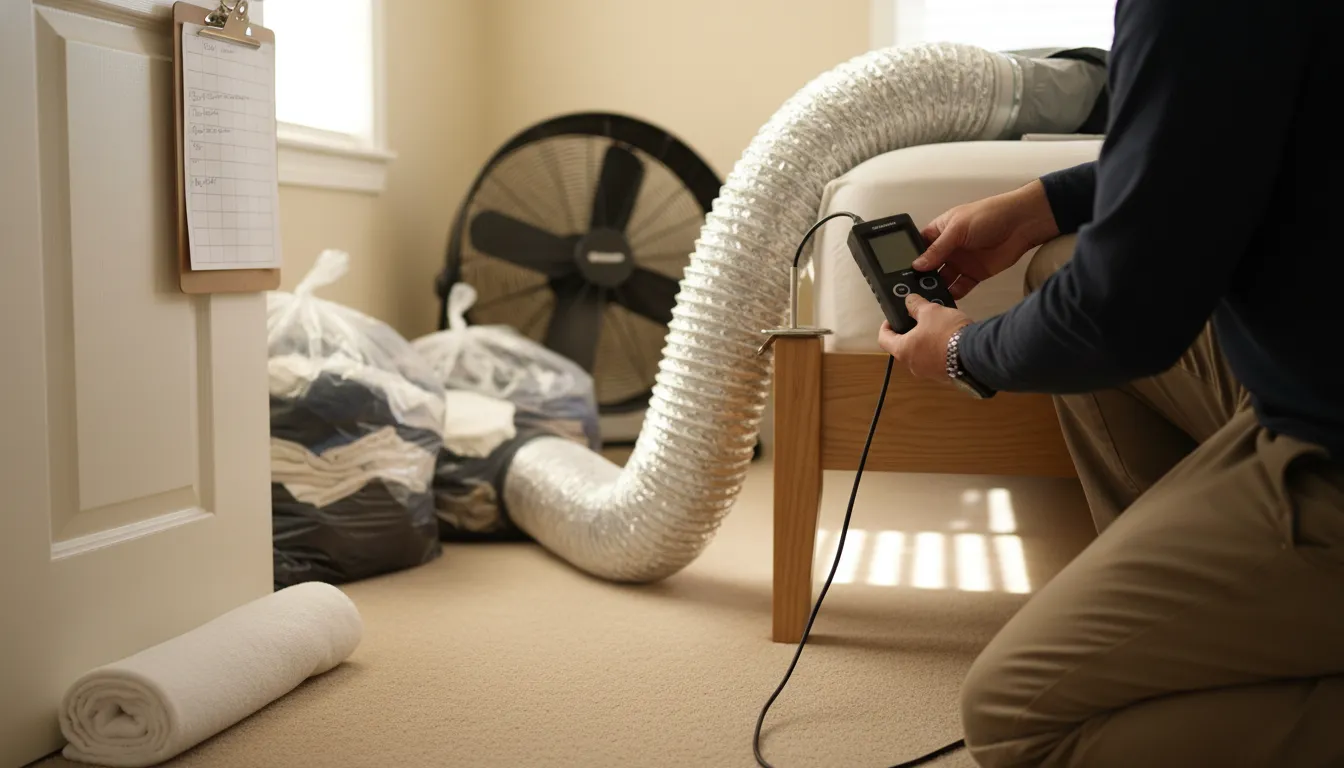
Find the Best Bed Bug Treatment Companies for Your Business
No obligation • Fast responses • Nationwide coverage

Why you can trust Pest Crews
Pest Crews is a leading U.S. resource for finding and evaluating residential and commercial pest control services. Our team researches providers, reviews treatment approaches, and organizes unbiased information to help you make informed decisions. Companies cannot pay to change our editorial content or influence how they appear.
Search providers near you
Best Bed Bug Treatment Companies in Utah Ranked
Discovering bed bugs in your Utah home or rental property can be stressful. Effective bed bug extermination requires a professional, multi-faceted approach to eliminate these resilient pests completely. This guide explains your legal responsibilities, outlines the treatment process, and provides practical steps for both landlords and tenants to resolve an infestation efficiently and prevent future problems.
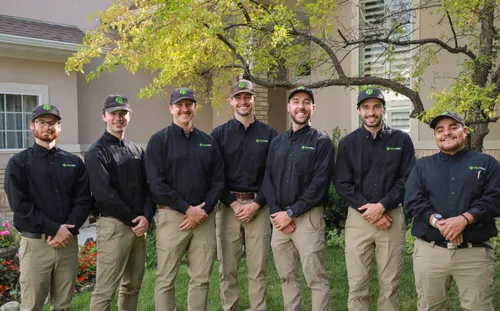
Pest Pro Pest Control
3335 S 900 E Ste 200, Salt Lake City, UT 84106
Pest Pro Pest Control is a Salt Lake City, UT-based company specializing in residential and commercial pest management. They offer services including bed bug treatment, rodent and wildlife removal, termite inspections, and insect control such as ants, cockroaches, and wasps. Their approach centers on Integrated Pest Management (IPM), using EPA-registered, family- and pet-friendly products to address infestations while minimizing environmental impact. Recognized with multiple local awards in 2025, Pest Pro combines certified expertise with a focus on long-term pest prevention and safety.
Thorn Pest Solutions Salt Lake City
Salt Lake City, UT
Thorn Pest Solutions Salt Lake City is a pest management company serving Salt Lake City, UT, with over 15 years of experience. They provide comprehensive residential and commercial pest control services, addressing issues such as bed bugs, cockroaches, ants, rodents, termites, mosquitoes, bees, wasps, and wildlife. Their approach is science-backed and customized, involving thorough inspections and tailored treatment plans to effectively manage and prevent infestations. Thorn's team includes certified entomologists and urban rodentologists who apply biology-based methods to protect homes and businesses from pests that can cause health risks and structural damage. Established in 2007, Thorn Pest Solutions focuses on long-term prevention and offers specialized services for various industries including government, hospitality, food processing, schools, and healthcare.
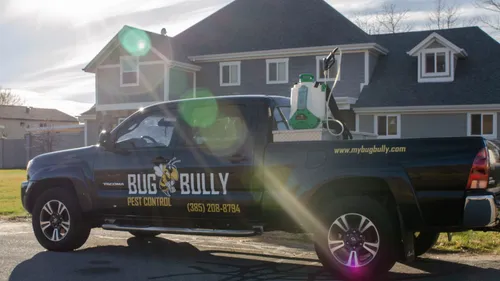
Bug Bully Pest Control
625 Washington St, Salt Lake City, UT 84101
Bug Bully Pest Control is a pest control company based in Salt Lake City, UT. They provide treatments for bed bugs, cockroaches, ants, wasps, and other common pests. Their services cover a range of pest issues, focusing on effective control and removal.

Uinta Pest Solutions
8505 S 300 E, Sandy, UT 84070
Uinta Pest Solutions provides residential and commercial pest control services in Salt Lake City, UT. They offer eco-friendly treatments designed to be safe for children, pets, and the environment while addressing a wide range of pests including bed bugs, rodents, termites, cockroaches, wasps, fleas, and ticks. Their heat treatments for bed bugs and termite inspections are notable capabilities. The company emphasizes customized pest control solutions tailored to each client's needs and serves the Salt Lake Valley suburbs. They also provide same-day service and maintain ongoing communication to ensure effective pest management.
A-1 Exterminators
219 4860 S, Murray, UT 84107
A-1 Exterminators is a family-owned pest control company based in Salt Lake City, UT, serving both residential and commercial clients. Established in 1961, they offer a wide range of services including bed bug treatment, termite inspections, rodent control, and bee and wasp removal. The company uses Integrated Pest Management techniques to provide environmentally responsible pest control solutions that are safe for families and pets. They offer flexible service options such as single treatments or ongoing contracts and guarantee their results. A-1 Exterminators also provides specialized commercial pest control services for restaurants and food plants.
Understanding Bed Bug Infestations in Utah
Bed bugs are small, parasitic insects that feed on human blood. They are excellent hitchhikers, often entering homes via luggage, used furniture, or clothing. Contrary to popular belief, their presence is not a sign of poor hygiene; they can infest any environment where people live or sleep. In Utah, these pests are a concern in both multi-family and single-family dwellings. Identifying an infestation early is crucial, as bed bugs reproduce quickly. Look for signs like small rust-colored stains on bedding (crushed bugs), tiny dark spots (excrement), shed skins, and, of course, live bugs in mattress seams, box springs, bed frames, and nearby furniture.
Legal Responsibilities for Landlords in Utah
Utah law places specific obligations on landlords when a tenant reports a bed bug problem. The overarching principle is that landlords must maintain a habitable premises, which includes addressing pest infestations that impact health and safety 1.
Key Landlord Duties:
- Prompt Inspection and Action: Upon receiving written notice from a tenant, a landlord should inspect the unit within a reasonable timeframe-often recommended within 5 days. They must then contact a licensed pest control professional to take "reasonable measures" for identification and treatment.
- Hire Professional Extermination: "Reasonable measures" typically means hiring a qualified exterminator. DIY treatments are rarely sufficient and can scatter bugs, worsening the problem. Landlords are responsible for the cost of professional treatment unless specific tenant negligence can be proven.
- Prevent Community Spread: Once an infestation is confirmed in one unit, landlords have a duty to inspect surrounding units to prevent the bugs from spreading throughout the property 2.
- Educate Tenants: Providing tenants with clear information on bed bug prevention, identification, and the critical importance of cooperation during treatment is a recommended best practice.
Tenant Responsibilities and Cooperation
Tenants also have important legal and practical duties when bed bugs are suspected or confirmed. Cooperation is not just helpful-it's often a lease requirement.
Key Tenant Duties:
- Report Promptly in Writing: You must notify your landlord in writing immediately upon suspecting bed bugs. Delaying notification can allow the infestation to grow and may impact liability. A 24-48 hour reporting window is often recommended.
- Cooperate Fully with Treatment: This is the most critical tenant responsibility. You will be given detailed preparation instructions by the exterminator, which you must follow precisely. Failure to prepare properly can cause treatment to fail, and you may be held responsible for the cost of re-treatment 3 4.
- Take Preventive Measures: Be cautious with secondhand furniture and inspect luggage after travel. Using mattress and box spring encasements can help trap existing bugs and prevent new ones from establishing harborage sites.
- Document Everything: Keep copies of all written notices to your landlord, emails, and records of steps taken. This protects you if a dispute arises over responsibility or timeliness of response.
The Professional Bed Bug Treatment Process
A professional bed bug extermination plan in Utah is rarely a one-time event. Reputable companies use an integrated approach.
- Inspection: A certified technician will conduct a thorough inspection to confirm the presence of bed bugs and assess the extent of the infestation.
- Preparation: Tenants must complete extensive prep work, which usually includes:
- Removing all clutter from floors and around beds.
- Washing and drying all bedding, clothing, and fabrics on high heat.
- Emptying drawers and cabinets.
- Moving furniture away from walls.
- Treatment: Common professional methods include:
- Insecticide Applications: Targeted spraying of cracks, crevices, and harborage sites with EPA-registered products.
- Heat Treatment: Heating the entire room or unit to a temperature lethal to all life stages of bed bugs. This is often faster but can be more expensive.
- Steam Treatment: Using professional steamers to kill bugs and eggs in furniture and upholstery.
- Follow-Up Visits: Multiple treatments, usually 2-3 spaced a few weeks apart, are almost always necessary to kill newly hatched nymphs and ensure complete eradication.
Find the perfect bed bug treatment companies for your needs
Get personalized recommendations and expert advice
Understanding the Costs of Bed Bug Extermination
The financial impact of a bed bug infestation can be significant. Costs break down into two main categories: professional service fees and ancillary expenses.
- Professional Extermination Fees: In Utah, costs vary widely based on the treatment method and size of the infestation. Initial treatment for a single room or apartment can range from $300 to $1,000 or more, with follow-up visits adding to the total. Whole-unit heat treatments are typically more expensive 5 6 7.
- Tenant-Incurred Costs: Tenants often bear the cost of preparation, which can include:
- Mattress and box spring encasements ($50 - $150 each).
- Extensive laundry costs (detergent, energy for high-heat drying).
- Cleaning supplies and storage bins for decluttering.
- Potential costs for temporary lodging if vacating during treatment is required.
- Who Pays for What? The general rule in Utah is that the landlord pays for professional extermination as part of their duty to provide a habitable home. However, a tenant can be billed for these costs if the landlord can prove the tenant's negligence (like knowingly bringing in infested furniture) directly caused the infestation. Importantly, proving tenant fault for bed bugs is legally difficult 8 9 10. Always review your specific lease agreement, as it may have clauses related to pest control responsibilities.
Prevention and Proactive Management
The best bed bug strategy is prevention. Landlords should consider developing a formal bed bug policy that outlines reporting procedures, preparation checklists, and treatment protocols. Proactive measures include educating new tenants during move-in, conducting regular unit inspections, and quickly addressing reports from adjacent units 11.
For tenants, vigilance is key. Regularly inspect your sleeping area, use protective encasements on mattresses, and carefully inspect any secondhand items before bringing them inside. When traveling, keep luggage on racks away from beds and walls, and inspect it upon returning home.
Frequently asked questions
Sources
Footnotes
-
Laws, Rules, and Codes for Healthier Homes - Healthy Housing Solutions ↩
-
bed-bug-issues-guide.pdf - National Association of Home Builders ↩
-
Bed Bug Information for Landlords and Property Managers - Utah Department of Health ↩
-
Bed Bug Battle Plan: Critical Tenant Reporting & Treatment Guide - Ramos Law ↩
-
Landlords and tenants: Who pays when bed bugs show up? - Pturnage Law ↩
-
Bed Bugs and a Landlord's Rights and Responsibilities - KTS Law ↩