Find the Best Bed Bug Treatment Companies for Your Business
No obligation • Fast responses • Nationwide coverage

Why you can trust Pest Crews
Pest Crews is a leading U.S. resource for finding and evaluating residential and commercial pest control services. Our team researches providers, reviews treatment approaches, and organizes unbiased information to help you make informed decisions. Companies cannot pay to change our editorial content or influence how they appear.
Search providers near you
Best Bed Bug Treatment Companies in Vermont Ranked
Discovering bed bugs in your Vermont home can be a stressful and unsettling experience. Effective bed bug extermination requires specialized knowledge and methods to fully eradicate these persistent pests. This guide provides essential information on professional bed bug control in Vermont, outlining the legal responsibilities of landlords and tenants, explaining common treatment methods, and offering practical steps to take if you have an infestation. Use this resource to understand your options and find qualified local professionals who can help restore your peace of mind.
Understanding Bed Bug Infestations in Vermont
Bed bugs are small, parasitic insects that feed on human blood. They are excellent hitchhikers, often entering homes via luggage, used furniture, or clothing. Contrary to popular belief, infestations are not a sign of poor hygiene; they can occur in any home, apartment, or hotel. In Vermont, these pests are a concern for both single-family homes and multi-unit dwellings, particularly in rental properties where they can spread between units. Recognizing the signs early-such as small rust-colored stains on bedding, shed exoskeletons, or itchy bite marks on the skin-is crucial for prompt and effective intervention.
Vermont Law: Landlord and Tenant Responsibilities
Vermont has specific laws governing bed bug infestations in rental properties, designed to protect tenants and ensure prompt action. Understanding these legal duties is the first step in resolving an infestation.
Landlord Obligations
Under Vermont law, landlords carry significant responsibility for addressing bed bug problems 1.
- Warranty of Habitability: Landlords must provide a safe and habitable living environment. This includes a legal obligation not to knowingly rent a unit that is infested with bed bugs 2.
- Inspection and Treatment Timeline: Upon receiving notice (written or oral) from a tenant, a landlord must inspect the unit for bed bugs within five days. If an infestation is confirmed, the landlord must contact a licensed pest control agent to begin treatment within ten days of the initial notice.
- Covering Treatment Costs: In most cases, the landlord is financially responsible for the cost of professional extermination. This cost can only be shifted to the tenant if the landlord can prove the tenant introduced the bugs through negligence (e.g., failing to report a known issue, bringing in infested furniture) 3.
- Providing Instructions: Before treatment, the landlord must give the tenant clear written instructions on how to prepare the unit. By law, these instructions must be provided at least 72 hours before the scheduled treatment to give the tenant adequate time to comply.
Tenant Responsibilities
Tenants also have important duties under Vermont law to help manage and eradicate an infestation.
- Prompt Reporting: You must report any signs of bed bugs to your landlord immediately. It is highly advisable to provide this notice in writing (email or letter) to create a clear record. Delaying a report can worsen the infestation and potentially make you partially liable for costs 4 5.
- Full Cooperation: You must allow the landlord and pest control professionals access to your unit for inspection and all necessary treatment sessions. Denying access can be a violation of your lease.
- Unit Preparation: You are required to follow all preparation instructions provided by the landlord or exterminator. This often involves extensive tasks like laundering all linens and clothing in hot water, decluttering, moving furniture, and vacuuming thoroughly. Proper preparation is critical for the treatment's success 6.
Professional Bed Bug Extermination Methods
For a confirmed infestation, hiring a licensed pest management professional is strongly recommended and often legally required in rental situations. DIY methods are rarely effective against established colonies. Vermont professionals typically use an integrated approach.
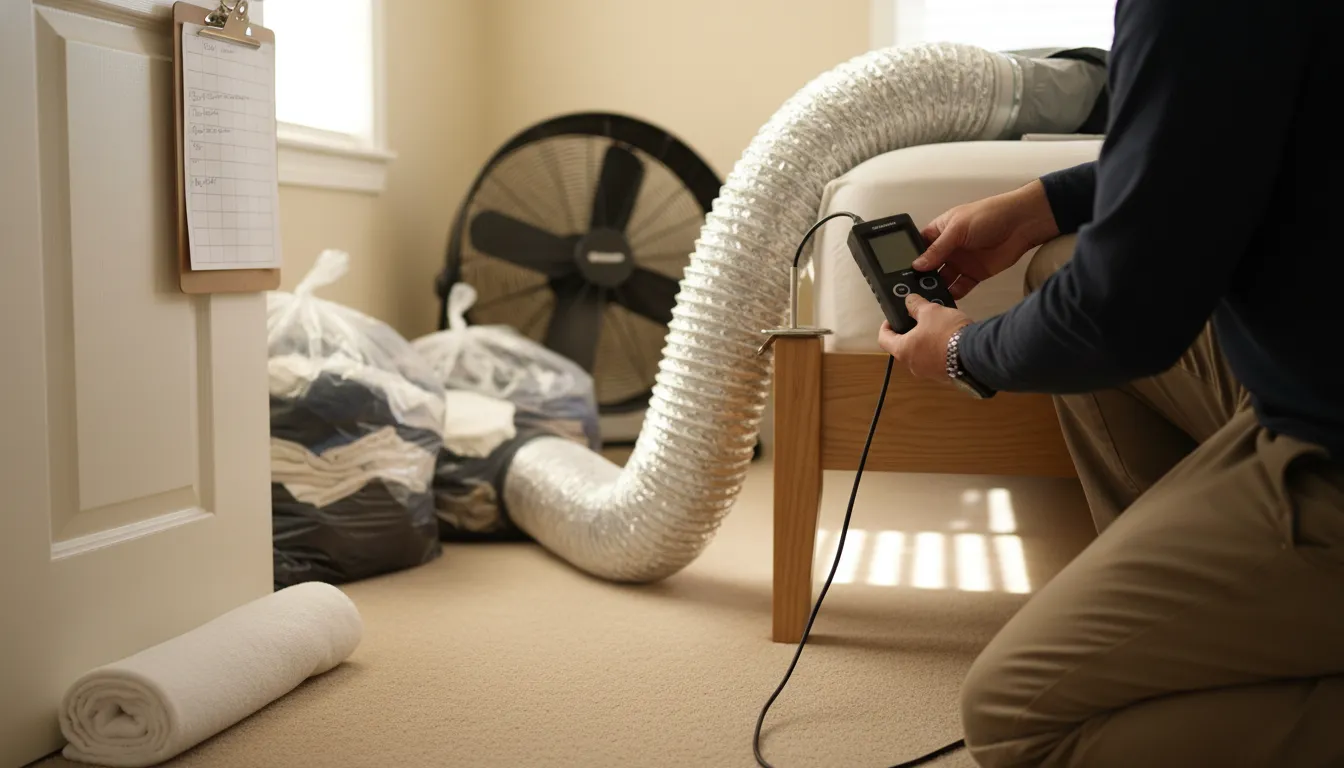
- Heat Treatment: This is often the preferred initial method, especially in Vermont where avoiding excessive pesticide use is valued. Professionals use specialized equipment to raise the temperature in a room or entire unit to a level (typically 118°F-122°F) that is lethal to all life stages of bed bugs, including eggs. Heat can penetrate walls, furniture, and clutter, offering a comprehensive solution in a single, day-long treatment.
- Insecticide Application: When heat alone isn't feasible or as a follow-up, licensed professionals will apply EPA-registered pesticides. They use targeted, careful applications in cracks, crevices, and seams where bed bugs hide. Professionals are trained to use the least-toxic effective products and follow all safety protocols.
- Steam Treatment: Supplemental use of high-temperature steam can kill bed bugs and eggs on contact on surfaces like mattresses, box springs, and furniture frames. It is a useful tool for treating items that cannot be treated with broader methods.
- Integrated Strategies: A comprehensive plan usually combines methods and includes recommendations for mattress and box spring encasements (to trap and starve any remaining bugs), thorough vacuuming, and ongoing monitoring with traps to ensure the infestation is gone 7.
Find the perfect bed bug treatment companies for your needs
Get personalized recommendations and expert advice
The Cost of Bed Bug Treatment in Vermont
The cost for professional bed bug eradication in Vermont varies significantly based on the severity of the infestation, the size of the home or unit, and the treatment methods required. Homeowners and landlords should be prepared for the following general cost structure:
- Per-Unit/Per-Room Costs: Treatment for a standard bedroom or studio apartment can start in the hundreds of dollars.
- Whole-Home Treatment: For a severe infestation in a single-family home, costs can range from one to several thousand dollars. Heat treatments, while highly effective, are generally more expensive than chemical-only approaches due to the equipment and labor involved.
- Multiple Treatments: Bed bugs are notoriously resilient. Most service plans include an initial treatment and one or more follow-up visits 2-3 weeks later to kill any newly hatched nymphs, which adds to the total cost 8 9.
- Ancillary Costs: Tenants and homeowners are often responsible for the cost of mattress encasements, laundry, and replacement of severely infested items that cannot be salvaged.
Critical Steps to Take if You Find Bed Bugs
- Don't Panic, But Act Quickly: Bed bugs multiply rapidly. Prompt action is essential to prevent a small problem from becoming a building-wide issue.
- Document and Report: Collect evidence (photos of bugs, stains, bites). Immediately notify your landlord in writing, keeping a copy for your records. In a single-family home, contact pest control companies directly for inspections.
- Do Not Spread Them: Avoid moving items from the infested room to other parts of the house, as this will spread the bugs. Isolate the affected area if possible.
- Prepare for Treatment: Once a professional is scheduled, follow their preparation checklist meticulously. This is the single most important thing you can do to ensure treatment success.
- Follow-Up and Monitor: After treatment, use interceptors under bed legs and conduct regular inspections. Attend all scheduled follow-up appointments with your exterminator.
Protecting Yourself: Documentation and Local Laws
- Always Communicate in Writing: Whether you are a tenant or a landlord, document every step. Keep copies of inspection reports, treatment receipts, and all correspondence. This protects you legally and ensures clarity on responsibilities.
- Check Local Ordinances: While Vermont state law provides a strong baseline, some cities or towns may have additional local health ordinances related to pests. It's wise to check with your local town health officer for any specific rules 10.