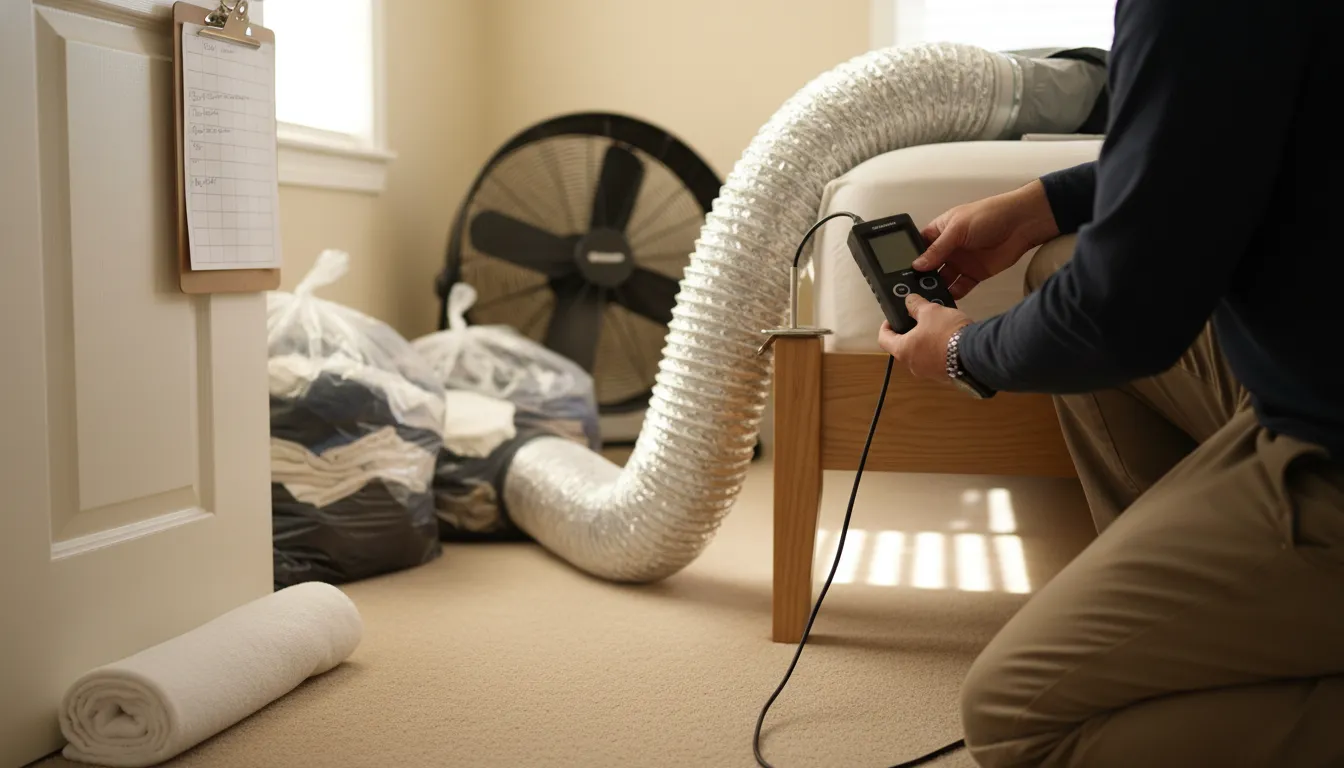
Find the Best Bed Bug Treatment Companies for Your Business
No obligation • Fast responses • Nationwide coverage

Why you can trust Pest Crews
Pest Crews is a leading U.S. resource for finding and evaluating residential and commercial pest control services. Our team researches providers, reviews treatment approaches, and organizes unbiased information to help you make informed decisions. Companies cannot pay to change our editorial content or influence how they appear.
Search providers near you
Best Bed Bug Treatment Companies in Washington Ranked
Discovering bed bugs in your Washington home can be stressful. Effective bed bug control requires a professional, multi-step approach to eliminate these resilient pests completely. This guide explains the treatment process, outlines the legal responsibilities of tenants and landlords in Washington, and provides practical steps to resolve an infestation. Use this information to understand your options and find qualified local professionals for bed bug extermination.
Frontier Pest Control
17318 432nd Ave SE, North Bend, WA 98045
Frontier Pest Control is a pest control company based in Seattle, WA, specializing in the treatment and elimination of bed bugs, cockroaches, ants, rodents, and other common pests. They focus on identifying the source of infestations, even in hidden areas like walls, to effectively reduce damage to homes and protect the health of residents and pets. Their use of professional-grade pest control products offers swift and lasting pest elimination while prioritizing safe chemical handling to minimize risks to people and property.
Eden Advanced Pest Technologies
3000 E Seltice Way Suite 108, Post Falls, ID 83854
Eden Advanced Pest Technologies is a pest control company serving Spokane, WA, and the greater Spokane and Northern Idaho areas. They offer residential and commercial pest management services, including bed bug treatment, ant control, and rodent control. With over 30 years of experience since 1986, Eden specializes in Integrated Pest Management programs tailored to meet regulatory and environmental standards. Their team is licensed and trained to provide customized pest control solutions across Eastern Washington and the North Idaho Panhandle.
Sprague Pest Solutions
528 S Cannon St, Spokane, WA 99201
Sprague Pest Solutions provides comprehensive commercial pest control services in Spokane, WA. They offer tailored pest management programs that address rodents, insects, bed bugs, birds, mosquitoes, and termites using advanced, science-based methods. Their capabilities include bed bug K9 inspections, fumigation alternatives, and pheromone monitoring to ensure thorough pest prevention and control. Sprague Pest Solutions emphasizes green and organic solutions and supports clients with a 24/7 online portal for alerts and billing. The company is recognized as a leader in commercial pest control in the Spokane area.

Rambo Total Pest Control
Seattle, WA
Rambo Total Pest Control has been serving Seattle, WA since 2007, providing pest control services for both residential and commercial properties. They offer comprehensive solutions for a wide range of pests including rodents, ants, bed bugs, termites, spiders, and stinging insects. Their approach includes thorough inspections, customized treatment plans, and ongoing follow-up services to prevent future infestations. One notable capability is their detailed rodent control program, which addresses both interior and exterior rodent activity through trapping, exclusion, and perimeter control stations. Rambo Total Pest Control emphasizes clear communication and expert service throughout the process.

Insight Pest Control - Seattle
700 NW 42nd St #209, Seattle, WA 98107
Insight Pest Control - Seattle offers comprehensive pest control and extermination services throughout Seattle, WA. They handle a wide range of pests including ants, cockroaches, rodents, bed bugs, mosquitoes, and stinging insects like wasps and hornets. Their services cover both residential and commercial properties, providing tailored treatment plans such as interior and perimeter treatments, rodent baiting, and steam treatment for bed bugs. Insight Pest Control also offers eco-friendly pest control options to minimize environmental impact. The company serves the entire Seattle area and parts of Washington and Oregon, ensuring local expertise in managing pest issues specific to the region.
Understanding Bed Bug Infestations in Washington
Bed bugs are small, parasitic insects that feed on human blood. They are excellent hitchhikers, often spreading through luggage, used furniture, or between units in multi-family buildings. Washington's major cities and travel hubs are not immune to these pests. An infestation is not a sign of poor hygiene; these bugs can be found anywhere people live or visit. Early identification is key-look for small rust-colored stains on bedding, shed skins, or the bugs themselves in mattress seams, box springs, and furniture crevices.
Legal Responsibilities for Bed Bugs in Washington
Washington state law provides a clear framework for determining who is responsible for addressing a bed bug infestation, primarily based on the type of dwelling and the cause of the problem.
Landlord Responsibilities
In Washington, landlords are generally responsible for controlling bed bugs in multi-unit rental properties (apartments, condominiums, townhomes). This duty stems from the implied warranty of habitability (RCW 59.18.060), which requires landlords to maintain a safe and livable environment free from pest infestations that affect health and safety 1 2. Upon receiving proper notice from a tenant, the landlord must arrange for an inspection and professional treatment in a timely manner. They are typically responsible for covering the costs of extermination for the dwelling unit itself 3.
Tenant Responsibilities
Tenants also have important obligations under Washington law. They must:
- Report Infestations Promptly: Immediately notify the landlord in writing upon discovering signs of bed bugs.
- Cooperate Fully with Treatment: This is a critical legal duty. Tenants must grant access for inspection and treatment and must complete extensive preparation as directed by the pest control professional. This often includes laundering all bedding and clothing, decluttering, moving furniture, and installing mattress encasements 4.
- Maintain Cleanliness: Tenants must keep the unit clean and dispose of garbage properly to not attract pests 5.
Exceptions and Special Cases
There are important exceptions where financial responsibility may shift to the tenant:
- Tenant-Caused Infestation: If a tenant is found to have caused the infestation (e.g., by knowingly bringing in infested furniture), they may be held responsible for the costs of treatment 6 7.
- Single-Family Homes: For rented single-family homes, the responsibility is less clear-cut and often depends on the lease agreement and whether the infestation existed at the time of move-in. Tenants may be responsible if they introduced the pests.
- Personal Belongings: While a landlord pays for treating the structure and unit, the cost for treating or replacing a tenant's personal belongings (like furniture) typically falls to the tenant.
The Professional Bed Bug Treatment Process
Effective bed bug eradication is not a one-time event. Reputable professionals use a comprehensive strategy, often following Integrated Pest Management (IPM) principles, which combine multiple methods for a more effective and sometimes less chemically-intensive solution 8.
- Inspection and Identification: A certified technician will conduct a thorough inspection to confirm the presence of bed bugs and assess the extent of the infestation.
- Treatment Plan Development: Based on the inspection, the professional will recommend a customized plan. This almost always involves multiple visits over several weeks to target bugs that hatch from eggs after the initial treatment.
- Treatment Application: Common professional methods include:
- Chemical Treatments: The application of EPA-registered insecticides to cracks, crevices, and other harborage sites.
- Heat Treatment: Raising the temperature of a room or entire unit to a level lethal to all life stages of bed bugs.
- Steam Treatment: Using targeted steam to kill bugs and eggs on surfaces and in fabrics.
- Mattress Encasements: Installing special covers to trap any bugs inside and prevent re-infestation of the bedding 9 10.
- Follow-Up and Monitoring: Post-treatment inspections are crucial to ensure the infestation is completely eradicated. Professionals will schedule follow-up visits to monitor and apply additional treatments if necessary.
Find the perfect bed bug treatment companies for your needs
Get personalized recommendations and expert advice
Costs of Bed Bug Treatment in Washington
The cost for professional bed bug extermination in Washington varies significantly based on the size of the infested area, the severity of the problem, the treatment method used, and the company you hire. Treatment for a single apartment or room often requires multiple visits, with costs potentially ranging from several hundred to over a thousand dollars per visit 11. As outlined above, in multi-unit buildings, the landlord typically bears the cost for treating the unit itself. Tenants may be responsible for costs related to preparing their belongings, replacing furniture, or if they are found to have caused the infestation.
What to Do If You Find Bed Bugs
Taking swift, documented action is essential for a successful resolution.
- Confirm the Pest: Try to capture a specimen for positive identification.
- Notify Your Landlord Immediately: Provide written notice (keep a copy) detailing the discovery. In Washington, this starts the clock on the landlord's legal obligation to address the issue.
- Document Everything: Take clear photos or videos of the bugs, stains, and bites. Keep a log of all communications with your landlord.
- Begin Preparation for Treatment: Start decluttering and isolating belongings in sealed plastic bags, even before the inspector arrives. This demonstrates cooperation and speeds up the process.
- Research Local Professionals: If you are a homeowner or a landlord seeking service, look for licensed, insured companies with specific experience in bed bug management. Read reviews and ask about their treatment protocol and guarantees.
Preventing Bed Bug Infestations
While not always preventable, you can reduce risk:
- Inspect Secondhand Items: Thoroughly check any used furniture, mattresses, or clothing before bringing them inside.
- Be Vigilant When Traveling: Inspect hotel room headboards, mattresses, and luggage racks. Keep luggage on a stand away from the bed and walls.
- Reduce Clutter: A cluttered home provides more hiding places for bed bugs.
- Use Protective Covers: Encase mattresses and box springs with bed bug-proof covers.