Find the Best Bird & Pigeon Control Companies for Your Business
No obligation • Fast responses • Nationwide coverage

Why you can trust Pest Crews
Pest Crews is a leading U.S. resource for finding and evaluating residential and commercial pest control services. Our team researches providers, reviews treatment approaches, and organizes unbiased information to help you make informed decisions. Companies cannot pay to change our editorial content or influence how they appear.
Search providers near you
Top Bird & Pigeon Control Companies in Fairfield, California Ranked
Birds, particularly pigeons, can quickly become a significant nuisance for homes and businesses in Fairfield. Their presence is more than just an annoyance; it can lead to property damage, health hazards, and costly cleanups. Bird and pigeon control involves a range of humane and effective strategies to deter these pests from roosting, nesting, and foraging on your property. This guide will help you understand the methods available, from physical barriers to sensory deterrents, and how to find the right local professional to assess your specific situation and implement a lasting solution.
Pest Pros Pest Solutions
2520 Stanwell Dr Suite 102, Concord, CA 94520
Pest Pros Pest Solutions is a family-owned pest control company serving Oakland, CA, and the broader Northern California region. They provide a wide range of pest management services including bed bug treatment, termite inspections, rodent control, mosquito control, and commercial pest solutions. The company uses eco-friendly products and integrated pest management strategies tailored to local pest challenges, such as seasonal infestations and structural threats like termites. Pest Pros Pest Solutions emphasizes education on pest prevention and offers customized plans for both residential and commercial clients. Their service area covers multiple counties around the Sacramento Valley and San Francisco Bay Area.

Advanced Integrated Pest Management
1960 Arnold Industrial Pl, Concord, CA 94520
Advanced Integrated Pest Management provides pest control services in Oakland, CA, specializing in the removal and prevention of insects, rodents, and wildlife for both residential and commercial properties. Their service area includes nearby communities such as Clyde, Pleasant Hill, Dana Estates, and Clayton. The company offers comprehensive pest management solutions including ant, cockroach, spider, bed bug, wasp, bird, and rodent control, as well as vegetation management. Advanced IPM focuses on customized treatments to address infestations and prevent future pest issues.
Bird Proof
202 G St, Antioch, CA 94509
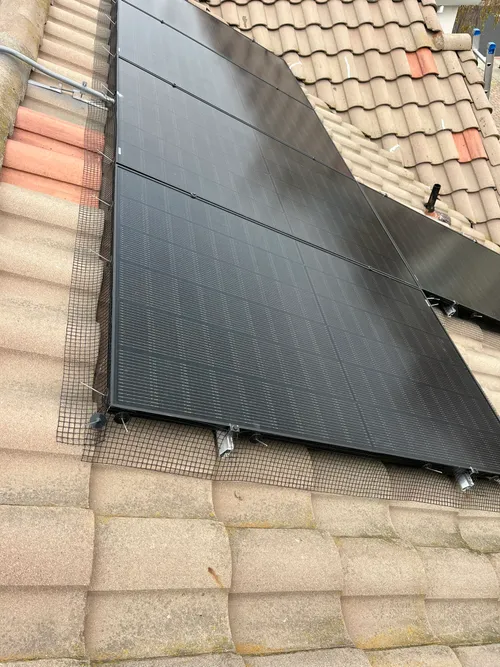
Bird Proof is a bird pigeon control company based in Oakland, CA, specializing in humane bird exclusion solutions. They protect homes across the Bay Area, including Sacramento to San Jose, using panel-safe mesh that prevents nesting without harming wildlife. Their services include nest and droppings removal, sanitation, and gutter flushing, with all waste hauled away the same day. Bird Proof is CSLB-licensed and fully insured, ensuring professional and safe service. Their sister company Rain Defense offers roofing and waterproofing repairs when needed.
Orkin
2155 Elkins Way, Brentwood, CA 94513
Orkin provides residential and commercial pest control services in Oakland, CA. They handle a wide range of pests including bed bugs, cockroaches, ants, rodents, termites, mosquitoes, bees, wasps, birds, and wildlife. Orkin offers customized pest management plans and termite treatments using methods such as liquid barriers, Sentricon® bait, and dry foam void filler. With over 120 years of experience, Orkin supports customers with 24/7 availability for pest control needs.
Golden State Critter Control Company
Oakland, CA
Golden State Critter Control Company provides pest and wildlife removal services in Oakland, CA. They handle rodent control, bird and pigeon management, and other critter removal needs, including specialized solutions like snake fencing and bird netting. The company is known for addressing unique project challenges and offers ongoing follow-up to ensure effectiveness. Customer feedback highlights their thorough sealing of entry points and adjustments to existing traps. Golden State Critter Control Company emphasizes safety and service in all projects.
Why Bird Control is Essential in Fairfield
While birds are a natural part of our environment, species like pigeons, starlings, and sparrows often adapt perfectly to urban and suburban settings like Fairfield. They seek out the ledges, rooftops, and loading docks of our buildings as ideal substitutes for cliffs and caves. Unfortunately, this cohabitation comes with serious downsides. Accumulated droppings are highly acidic and can corrode building materials, metal surfaces, and vehicles 1. Clogged gutters and drainage systems from nesting materials can lead to water damage. More critically, bird droppings can harbor pathogens and fungi, such as Histoplasma, which pose health risks when dried droppings are disturbed and inhaled 1. Effective avian management is a crucial aspect of property maintenance for both health and structural integrity.
Common Problem Areas on Fairfield Properties
Birds are opportunistic and will exploit any comfortable spot. Knowing where to look is the first step in control. Key trouble areas in residential and commercial settings include:
- Ledges and Windowsills: These flat, elevated surfaces are prime real estate for pigeons to land and loaf. Building corners, architectural details, and above doors are particularly attractive.
- Rooftops and Parapets: The flat, often undisturbed areas on commercial roofs or the raised edges (parapets) of buildings are favored for roosting and nesting.
- Signage and Light Fixtures: The tops of channel-letter signs, light poles, and exterior sconces provide perfect perches.
- Loading Docks and Warehouse Entrances: The shelter and often-available food scraps around these areas make them a major hotspot for bird activity.
- Open Ceilings & Canopies: Structures like gas station canopies, stadium undersides, and open barns offer shelter that birds will quickly colonize.
Physical Barrier Methods: The Most Effective Long-Term Solution
Physical barriers are considered the gold standard for bird exclusion because they provide a permanent, humane solution by making landing and roosting areas inaccessible.
Bird Spikes: These are rows of stainless steel or plastic spikes installed on ledges, signs, and beams. They are not designed to harm birds but to make the surface uncomfortable and impossible to land on. Installation is straightforward, and they are a cost-effective solution for linear surfaces, with material costs typically ranging from $2 to $10 per foot.
Bird Netting: For excluding birds from larger areas, netting is the go-to solution. Heavy-duty polyethylene netting can be installed to block access to open ceilings, loading docks, courtyards, and even entire building facades. It creates a physical barrier that is nearly invisible from a distance and is highly effective for warehouses, airports, and large commercial properties.
Bird Wire (Post and Wire Systems): This system uses a spring-tensioned wire strung between posts installed on a ledge. The wire is unstable when a bird tries to land, preventing them from gaining a foothold. It's a low-profile, discreet option ideal for historical buildings or aesthetically sensitive areas like decorative ledges.
Electric Track Systems: These low-profile tracks deliver a mild, harmless electrical pulse when a bird lands on them. It conditions the birds to avoid the area entirely. Electric systems are highly effective for long, flat surfaces like parapet walls, roof edges, and signage. They are durable and work in all weather conditions.
Find the perfect bird & pigeon control companies for your needs
Get personalized recommendations and expert advice
Sensory and Non-Physical Deterrents
For situations where physical barriers are not feasible or as part of an integrated approach, several sensory deterrents can be employed. These methods aim to scare or repel birds using sight, sound, or smell.
Visual Deterrents: This category includes predator decoys (like plastic owls or hawks), reflective tape, scare balloons with predator eyes, and laser devices. While these can provide temporary relief, birds often become habituated to static visual deterrents, reducing their long-term effectiveness unless they are moved frequently.
Sonic and Ultrasonic Devices: Sonic units emit distress calls or predator sounds to scare birds away. Ultrasonic devices produce high-frequency sounds unpleasant to birds but inaudible to humans. The effectiveness of these devices is often debated, as birds may become accustomed to the sounds, and ultrasonic waves do not travel well or navigate obstacles easily 2.
Bird Repellent Gels: These transparent, sticky gels are applied to ledges and beams. The texture is unpleasant to birds' feet, discouraging them from landing. It's important to use non-toxic, humane formulas. Some gels also incorporate tactile and visual elements to enhance their deterrent effect 3.
Natural Repellent Scents: Some companies offer repellents based on smells birds dislike, such as certain citrus or peppermint oils. These are typically used in specific, smaller areas and may need frequent reapplication, especially outdoors 4.
An Integrated Approach: The Key to Success
The most effective bird and pigeon control strategy for any Fairfield property rarely relies on a single method. Professionals typically recommend an Integrated Pest Management (IPM) approach. This starts with a thorough inspection to identify the species, the scale of the infestation, and the specific attractants on your property.
The cornerstone of IPM is habitat modification. This involves:
- Removing Food Sources: Securing trash bins, cleaning up spilled grain or seed, and discouraging the public from feeding birds.
- Eliminating Water: Fixing leaky faucets and ensuring proper drainage to remove accessible water.
- Blocking Shelter: Sealing openings in eaves, soffits, and vents where birds can nest.
Habitat modification is then combined with the mechanical control of physical barriers (like spikes or netting) installed on key roosting sites. Sensory deterrents may be used as a supplementary measure. For large, established pigeon populations, professionals might also discuss advanced options like birth control bait (Ovocontrol), which humanely reduces flock numbers over time 5.
Understanding the Investment in Bird Control
The cost for bird abatement in Fairfield varies significantly based on the property type, infestation severity, and chosen methods. For a residential property, addressing a few window ledges with spikes or gel might cost a few hundred dollars. For commercial properties, the scope-and investment-increases. A comprehensive commercial solution involving netting for a loading dock, spikes on ledges, and electric tracks on roof parapets can range from $500 to over $2,500 per building, depending on the size and complexity of the installation 6 7. While this is an upfront cost, it must be weighed against the ongoing expenses of property damage, hazardous clean-up, and potential health liabilities.
Finding the Right Local Professional
Successfully resolving a bird issue requires expertise in bird behavior, local regulations, and proper installation techniques. When seeking a provider in the Fairfield area, look for a licensed pest or wildlife control professional who specializes in bird exclusion. They should offer a detailed inspection, explain a customized plan that prioritizes humane methods, and provide a clear quote outlining the work and expected outcomes. A reputable professional will guarantee their installation and follow up to ensure the solution remains effective.
Frequently asked questions
Sources
Footnotes
-
Pigeon Infestation & Health Hazards in Buildings - https://www.ebssurvey.co.uk/news/14/113/Pigeon-Infestation-Health-Hazards-in-Buildings.html ↩ ↩2
-
How to Keep Pigeons Away from My House - Fantastic Pest Control - https://www.fantasticpestcontrol.co.uk/pigeons/how-to-keep-pigeons-away-house/ ↩
-
Best Bird Control Methods | Top Solutions for Your Needs - https://www.networksbirdnet.com/blogs/best-bird-control-methods.html ↩
-
Smells Pigeons and birds Dislike: Natural Deterrents - Aviaway - https://www.aviaway.com/single-post/smells-pigeons-dislike-natural-deterrents-smell ↩
-
How to Get Rid of Pigeons: Overview of All Available Solutions - https://www.ovocontrol.com/how-to-get-rid-of-pigeons ↩
-
Bird Deterrents For Businesses - RK Environmental Services - https://www.rkenvironmental.com/blog/pest-management/bird-deterrents-for-businesses ↩
-
The Cost of Pest Control: DIY vs Professional Services - https://www.fortifiedpestmanagement.com/blog-posts/the-cost-of-pest-control-the-real-cost-of-diy ↩