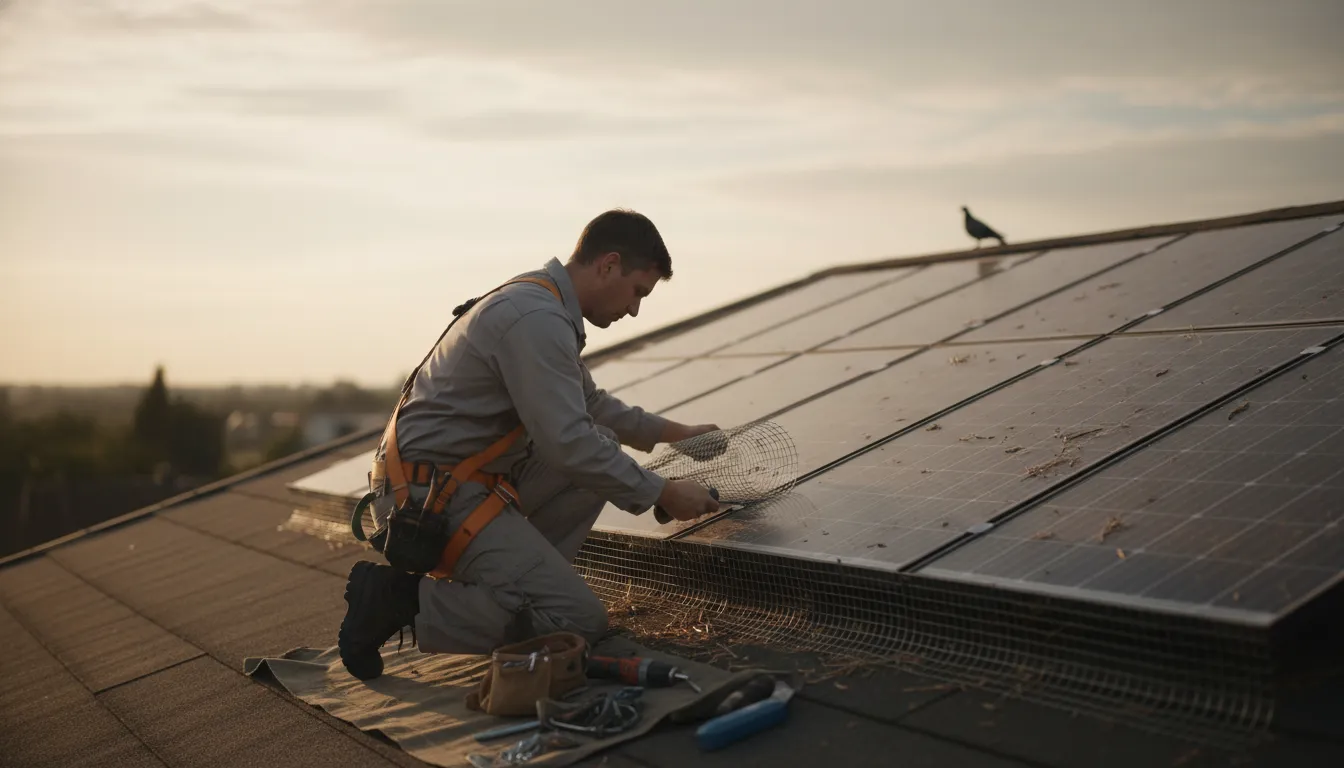
Find the Best Bird & Pigeon Control Companies for Your Business
No obligation • Fast responses • Nationwide coverage
Why you can trust Pest Crews
Pest Crews is a leading U.S. resource for finding and evaluating residential and commercial pest control services. Our team researches providers, reviews treatment approaches, and organizes unbiased information to help you make informed decisions. Companies cannot pay to change our editorial content or influence how they appear.
Search providers near you
Top Bird & Pigeon Control Companies in North Lauderdale, Florida Ranked
Bird and pigeon control is a specialized service focused on humanely managing and deterring nuisance birds from residential and commercial properties. In North Lauderdale, common pest birds like pigeons, sparrows, and starlings can cause significant property damage, create unsanitary conditions, and pose health risks through their droppings. This guide helps you understand the local methods, costs, and considerations for effective bird management, connecting you with professionals who can assess your specific situation and implement a lasting solution.
Rat Control of Florida LLC
4630 SW 44th Ave, Davie, FL 33314
Rat Control of Florida LLC is a pest control company based in Fort Lauderdale, FL, specializing in rodent control, wildlife removal, and bird pigeon control. They serve homeowners, property management companies, commercial clients, and municipalities with integrated animal control and wildlife management solutions that are environmentally sound. Their services include animal removal, exclusion, and repair, with expertise in identifying and addressing infestations of various rodents such as house mice, Norway rats, and roof rats. The company offers free inspections throughout Florida and surrounding areas to discuss control tactics and solutions.
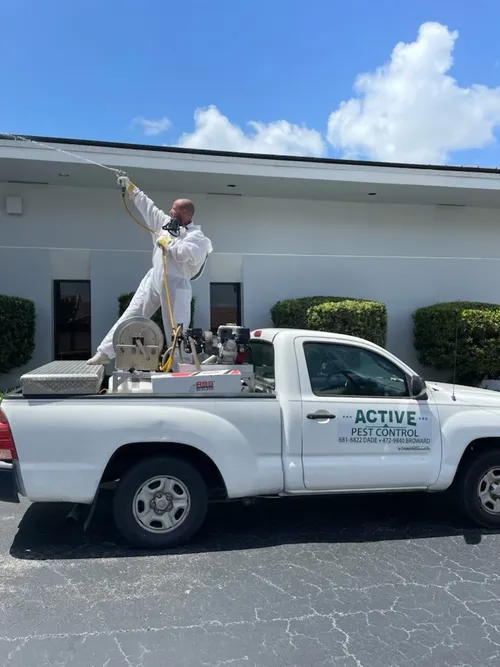
Active Pest Control, Inc.
645 NW 128th St, North Miami, FL 33168
Active Pest Control, Inc. is a family-owned pest control company based in Miami, FL, with over 60 years of combined experience. They provide comprehensive pest management services for residential and commercial clients, including termite extermination, rodent control, bed bug treatment, mosquito and fly control, bird management, and wildlife removal. The company is licensed and certified in various pest control techniques and offers eco-friendly heat treatment and insulation services. Active Pest Control, Inc. serves Miami and surrounding areas such as Fort Lauderdale, Pembroke Pines, and Hollywood, delivering tailored solutions backed by an A+ rating from the Better Business Bureau.

Gregory's Pest Control
1455 Lakeview Cir, Coral Springs, FL 33071
Gregory's Pest Control is a family-owned pest control company serving Fort Lauderdale, FL, and surrounding South Florida communities. With over 30 years of local experience, they provide comprehensive pest management services including bed bug treatment, rodent control, mosquito control, ant and cockroach extermination, wildlife removal, and bee and wasp removal. Their approach includes thorough inspections, customized treatment plans, and ongoing maintenance using eco-friendly and effective methods. Gregory's Pest Control also offers specialized mosquito control with monthly follow-ups and a satisfaction guarantee to protect outdoor spaces from these pests.
Orkin
7725 NW 62nd St, Miami, FL 33166
Orkin is a pest control company serving Miami, FL, with over 120 years of experience. They provide commercial pest control services for various industries, including education, pharmaceuticals, logistics, retail, and food service. Their expertise covers bed bug treatment, termite inspections and control using methods like Sentricon® bait and liquid barriers, mosquito control, rodent control, bird and wildlife removal, and integrated pest management. Orkin offers 24/7 availability to address urgent pest issues and helps businesses manage seasonal pest challenges specific to the Miami climate.
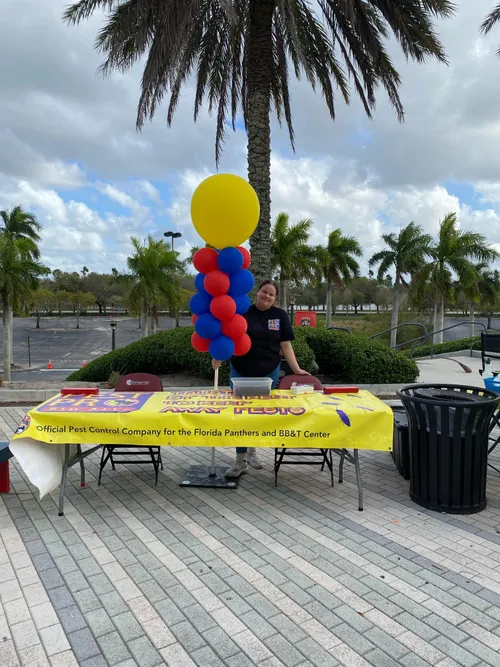
Pest Pro Rid All, LLC
5812 Johnson St, Hollywood, FL 33021
Pest Pro Rid All, LLC is a pest control company based in Miami, FL, offering a wide range of services for both residential and commercial properties. Their expertise includes bed bug treatment, rodent control, mosquito fogging and spraying, bee and wasp removal, pigeon control, and lawn and ornamental pest care. The company uses environmentally friendly methods tailored to the unique pest challenges of the Miami area. Pest Pro Rid All provides ongoing support and preventive recommendations to help maintain a pest-free environment.
Why Bird Control is Essential in South Florida
The warm climate and abundant urban structures in North Lauderdale make it an ideal habitat for pest birds year-round. Without proper management, birds nesting on your property can lead to costly consequences. Accumulated droppings are not just unsightly; they are acidic and can corrode building materials, metal roofing, and machinery. More importantly, bird feces can harbor pathogens and fungi, such as those responsible for histoplasmosis, creating a health hazard for occupants1 2. Nesting materials can also block gutters and vents, leading to water damage and potential fire risks. Effective bird abatement protects your investment and ensures a safer, cleaner environment.
Common Problem Areas in North Lauderdale Homes and Businesses
Birds seek out sheltered spots that provide safety from predators and the elements. Knowing where to look is the first step in identifying a problem.
For Residential Properties: Homeowners often find birds roosting and nesting in sheltered architectural features. Key trouble spots include roof eaves, balcony railings, patio covers, and window air conditioning units. Chimney caps and attic vents are also common entry points, allowing birds to get inside structures where they can cause extensive damage to insulation and wiring.
For Commercial Properties: Commercial buildings offer a wider array of attractive ledges and nooks. Frequent problem areas include:
- Rooflines and Parapets: The flat edges of roofs are prime perching spots.
- Loading Docks and Dock Levelers: The shelter and potential food scraps attract pigeons.
- Building Signage, Light Fixtures, and HVAC Units: These provide perfect, elevated platforms.
- Warehouse Rafters and Open Ceilings: Large indoor spaces like warehouses are often targeted by birds seeking shelter, protected by netting or exclusion 3.
Professional Bird Control Methods Used Locally
Local pest management professionals employ a range of humane, effective strategies tailored to the bird species, building architecture, and the severity of the infestation. A combination of methods is often used for a comprehensive, long-term solution.
Physical Barriers and Exclusion
This is the most permanent and effective category of bird control, focusing on physically preventing birds from landing or entering.
- Bird Spikes: These are strips with pointed rods made from stainless steel or durable plastic. They are installed on ledges, beams, and signs to prevent birds from landing without harming them. They are a very common solution for narrow surfaces.
- Bird Netting: Heavy-duty polyethylene netting is used to block off large open areas like warehouse ceilings, courtyards, or beneath bridges. It creates a physical barrier that denies access to preferred roosting spaces 4.
- Exclusion and Sealing: This critical step involves identifying and sealing all potential entry points into a structure with appropriate materials like hardware cloth, foam sealant, or vent covers. It's essential for preventing birds from getting inside attics, soffits, or warehouses.
Deterrents and Repellents
These methods discourage birds from settling in an area by making it uncomfortable or frightening.
- Visual and Auditory Scares: This includes reflective tape, predator decoys (like owls or hawks), and scare balloons that move in the wind. Ultrasonic devices and systems that emit recorded bird distress calls can also be effective, though birds may eventually habituate to static visual deterrents.
- Chemical Repellents: Non-toxic, sticky bird gels can be applied to ledges. The uncomfortable feeling discourages perching. Olfactory repellents use smells that birds find offensive. UV light repellents are also available, exploiting birds' ability to see ultraviolet light to create a visual disturbance.
- Electric Track Systems: Low-profile tracks deliver a mild, harmless shock when birds land on them. They are highly effective for long, flat surfaces like parapet walls and are considered a modern, humane deterrent 5.
Population Management
For large, persistent flocks, professionals may employ broader population control strategies.
- Avitrol: This is a restricted-use product that, when used by licensed professionals, acts as a flock-dispersing agent. It is not a poison but a behavioral deterrent used in specific, controlled scenarios for pigeon flock management.
- Birth Control (OvoControl): This is a humane, long-term approach for pigeon populations. Treated bait is consumed, preventing eggs from hatching, which gradually reduces the flock size over time6 7.
Find the perfect bird & pigeon control companies for your needs
Get personalized recommendations and expert advice
Understanding the Costs of Bird Control in North Lauderdale
Pricing for bird and pigeon management is highly variable and depends on the scope of the problem, the methods required, and the size and complexity of the property. Most reputable companies will insist on a site inspection to provide an accurate quote.
For Residential Projects: Costs can range significantly based on the work needed. A simple installation of spikes on a few window ledges or a balcony railing may start in the $200 to $500 range. More involved jobs, such as sealing multiple attic vents, installing netting over a patio, or combining several methods, can easily cost $1,000 or more8 9.
For Commercial Projects: Commercial pricing is typically project-based. A small-scale spike installation on a storefront sign might be a lower-cost project. However, large-scale solutions like installing hundreds of linear feet of electric track, deploying netting across a warehouse ceiling, or implementing a flock dispersal program require significant materials and labor, with costs often reaching several thousand dollars. Quotes are usually based on linear footage for barriers or a total project scope after a detailed inspection10 11 12.
The Professional Process: From Inspection to Prevention
Engaging a local North Lauderdale professional ensures the job is done safely and effectively. The process generally follows these steps:
- Inspection and Assessment: A specialist will identify the bird species, locate all roosting and nesting sites, assess the property's architecture, and determine the extent of the infestation and damage.
- Recommendation and Quoting: Based on the inspection, the professional will recommend a customized plan combining the most suitable methods and provide a detailed quote.
- Installation and Exclusion: The chosen deterrents and barriers are installed. This is also when critical exclusion work-sealing entry points-is completed to prevent future entry.
- Cleanup and Sanitation: For health and safety, professionals often recommend or provide cleaning services to remove droppings and nesting debris, using proper disinfectants and PPE.
- Monitoring and Maintenance: Some plans include follow-up visits to ensure the system is working and to make any necessary adjustments. Regular maintenance, like checking netting for tears, is key to long-term success.
Health and Safety Considerations
Attempting to handle bird droppings or nesting materials without proper protection is risky. Droppings can dry and become airborne, potentially carrying infectious agents. Furthermore, disturbing nests may violate local or federal wildlife regulations, as some bird species are protected. Professional controllers have the knowledge, equipment, and licensing to manage these risks legally and safely, ensuring the well-being of both humans and birds.
Frequently asked questions
Sources
Footnotes
-
Pigeon control: Removal & Information | Ehrlich Pest Control - https://www.jcehrlich.com/pest-insights/birds/species/pigeons ↩
-
Commercial Bird Control | Deter & Prevent - Florida Pest Control - https://www.flapest.com/commercial/bird-control/ ↩
-
A Complete Guide on How To Get Rid of Pigeons - Avian Enterprises - https://aviancontrolinc.com/get-rid-of-pigeons/ ↩
-
Bird Control for Warehouses - https://www.birdbgone.com/bird-problem/warehouse-bird-control/ ↩
-
What Are the Best Bird Deterrents for Commercial Properties? - https://www.elitebirdmanagement.com/what-are-the-best-bird-deterrents-for-commercial-properties/ ↩
-
How to Get Rid of Pigeons: Overview of All Available Solutions - https://www.ovocontrol.com/how-to-get-rid-of-pigeons ↩
-
Pigeons - Calgary Pest Control - https://www.lavellan.ca/pigeons-in-calgary-pest-control ↩
-
Pigeon Control for Commercial Buildings in Florida - https://www.birdsolutionsinc.com/pigeon-control-for-commercial-buildings/ ↩
-
5 Home Remedies to Keep Birds Away - Northwest Exterminating - https://www.callnorthwest.com/2020/01/5-home-remedies-to-keep-birds-away/ ↩
-
Bird Management in Florida - Nvirotect Pest Control Tips - https://nvirotect.com/bird-management-in-florida-commercial-bird-control-from-nvirotect-pest-control-services/ ↩
-
Commercial Bird Control in Florida - https://www.birdsolutionsinc.com/commercial-bird-control/ ↩
-
How to manage birds near your business - Florida Pest Control - https://www.flapest.com/how-to-manage-birds-near-your-business/ ↩