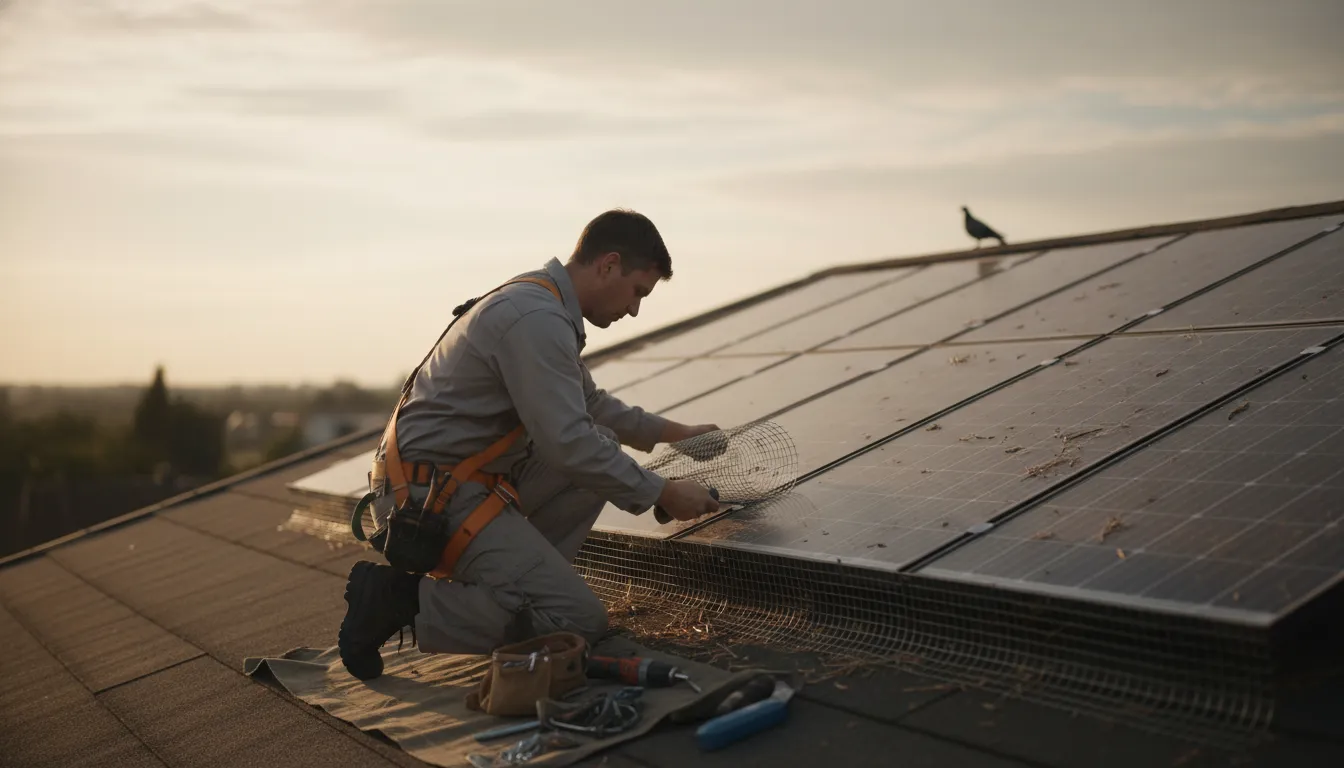
Find the Best Bird & Pigeon Control Companies for Your Business
No obligation • Fast responses • Nationwide coverage

Why you can trust Pest Crews
Pest Crews is a leading U.S. resource for finding and evaluating residential and commercial pest control services. Our team researches providers, reviews treatment approaches, and organizes unbiased information to help you make informed decisions. Companies cannot pay to change our editorial content or influence how they appear.
Search providers near you
Top Bird & Pigeon Control Companies in Hoffman Estates, Illinois Ranked
Bird and pigeon infestations are more than just a nuisance; they can cause significant property damage and pose health risks through their droppings. Effective bird control involves a strategic approach to deterring and excluding pest birds from residential and commercial properties. This resource is designed to help Hoffman Estates residents and business owners understand the professional solutions available, from physical barriers to habitat modification, so you can make informed decisions when seeking local expertise for your specific situation.
D&K Pest Control and Wildlife Removal, LLC
Chicago, IL
D&K Pest Control and Wildlife Removal, LLC is a pest control and wildlife removal company serving Chicago, IL, and the western Chicago suburbs. They provide services for both residential and commercial properties, including pest inspections, one-time treatments, quarterly pest control plans, and custom wildlife exclusion solutions. Their work covers rodents, raccoons, squirrels, bats, birds, and common household pests. The company also offers structural repairs and long-term exclusion to prevent future infestations, combining pest removal with prevention efforts.
Landmark Pest Management
Chicago, IL
Landmark Pest Management provides science-based, environmentally-friendly pest control services in Chicago, IL, and surrounding counties. They handle a wide range of pests including ants, wasps, mice, mosquitoes, bed bugs, and wildlife, using humane and green methods. Founded in 1976 by a wildlife biologist, the company combines expertise from biologists and epidemiologists to deliver effective pest exclusion and control. Landmark offers a Complete Home Care program with year-round protection and 24/7 monitoring to maintain pest-free homes.
Clae Pest Control
410 Elgin Ave Suite B, Forest Park, IL 60130
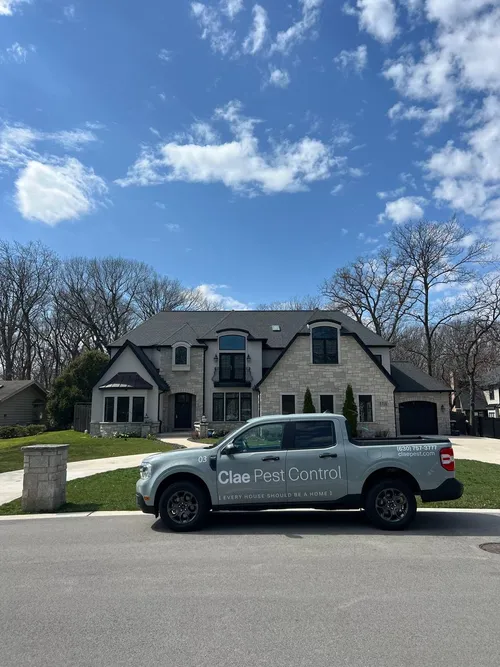
Clae Pest Control is a pest management company serving Chicago, IL, and surrounding neighborhoods. They provide comprehensive pest control services including bed bug treatment, ant and rodent control, termite inspections, mosquito management, and bird pigeon control for both residential and commercial properties. Clae Pest Control emphasizes protecting all areas of the home such as bedrooms, kitchens, garages, and yards to maintain a safe and healthy environment. Their approach includes thorough inspections and personalized treatment plans tailored to each client's needs. The company has earned over 100 five-star reviews in the Greater Chicago Area, reflecting their commitment to effective pest solutions and customer care.
Fur Busters Wildlife
Chicago, IL
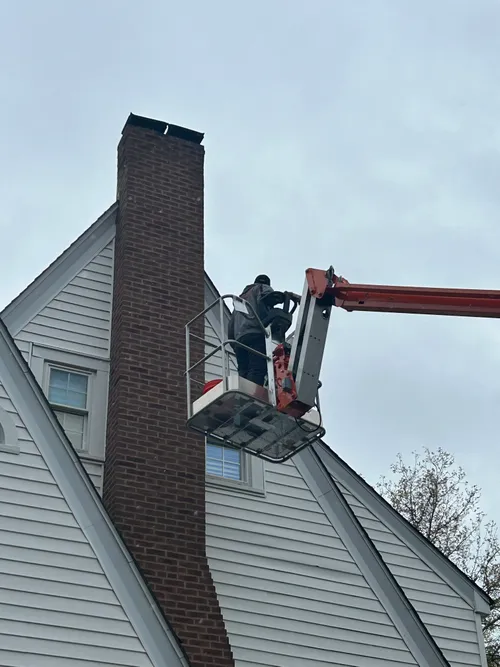
Fur Busters Wildlife is a pest control and wildlife removal company based in Chicago, IL. They specialize in humane removal and exclusion of raccoons, squirrels, bats, skunks, opossums, mice, and birds. Fur Busters focuses on environmentally sound and scientific methods to manage nuisance animals and prevent their return. They also offer animal damage restoration to repair properties affected by wildlife. The company serves Northern Illinois and emphasizes humane trapping and release techniques to avoid harm to animals. Fur Busters was founded to provide a fresh approach to wildlife control and is growing to become one of the largest wildlife exclusion companies in the region.
Guardian Pest Control
Chicago, IL
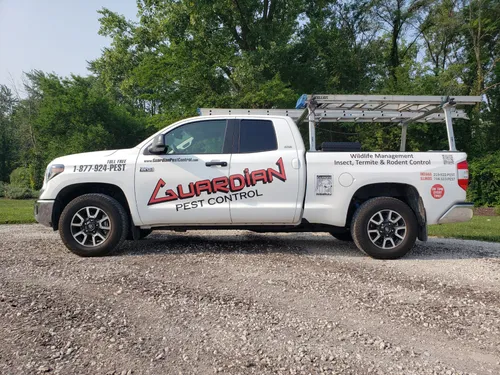
Guardian Pest Control provides residential and commercial pest and wildlife removal services in Chicago, IL, and the surrounding areas including Northwest Indiana. The company handles a wide range of pests such as bed bugs, cockroaches, ants, rodents, termites, mosquitoes, bees, wasps, and birds. Guardian Pest Control is licensed, bonded, and insured, with over 35 years of experience since 1987. They offer 24-hour emergency service without requiring contracts, allowing customers flexible treatment options.
Understanding the Bird Problem in Hoffman Estates
Pigeons, starlings, sparrows, and other nuisance birds are attracted to urban and suburban areas like Hoffman Estates for the abundant food, water, and shelter our buildings provide. While they may seem harmless, these birds can create serious issues. Their acidic droppings corrode building materials, damage roofing, and deface property. Accumulated nesting materials can block gutters and vents, leading to water damage and fire hazards. Furthermore, bird droppings can harbor pathogens that pose health risks, especially when dried particles become airborne. Addressing an infestation promptly with the right methods is crucial for protecting your investment and well-being.
Core Principles of Effective Bird Management
Professional bird abatement in Hoffman Estates is not about eradication but sustainable management. The most successful strategies are built on Integrated Pest Management (IPM) principles, which combine multiple tactics for a long-term solution. This approach prioritizes humane methods and focuses on making your property permanently unattractive and inaccessible to birds.
The first pillar of IPM is exclusion, which involves physically blocking birds from landing, roosting, or nesting on your property. The second is habitat modification, which removes the attractants that brought the birds there in the first place, such as accessible food and water sources. Relying solely on scare tactics, like plastic owls or ultrasonic devices, often provides only temporary relief as birds quickly habituate to them. A lasting solution requires a tailored plan that addresses the specific behavior and entry points of the birds on your property.
Professional Bird Exclusion and Deterrent Methods
Local pest management professionals offer a suite of proven bird control solutions. The right choice depends on the bird species, the architecture of your building, and the severity of the infestation. Here are the most common and effective methods used in the Hoffman Estates area.
Physical Barriers (The Gold Standard)
Physical barriers are the most permanent and reliable form of bird control, designed to deny access without harming the birds.
- Bird Netting: Heavy-duty polyethylene netting is installed to block off large areas like warehouse ceilings, loading docks, under eaves, and entire rooftops. It creates an impenetrable physical barrier that is nearly invisible from a distance.
- Bird Spikes: Stainless steel or polycarbonate spikes are installed on ledges, signs, beams, and anywhere birds land. They are a highly effective deterrent that does not injure birds but makes perching uncomfortable and impossible.
- Bird Wire Systems: Tensioned wire systems create an unstable landing surface on ledges and parapet walls. They are a low-profile, discreet option that is very effective for pigeons and larger birds.
- Architectural Screening & Sealing: Professionals will seal gaps, vents, and other openings with specialized mesh or screening to prevent birds from entering structures to nest, particularly in attics, soffits, and vents.
Sensory and Tactile Deterrents
These methods use birds' senses to make a location feel unsafe or unpleasant.
- Bird Gel: A non-toxic, sticky gel applied to ledges and rails creates a surface birds dislike touching. It is effective but requires periodic reapplication and can collect dust and debris.
- UV/Visual Repellents: Some products use reflective tape, flashing lights, or specially designed panels that disorient birds with reflected ultraviolet light, which is visible to them.
- Electric Track Systems: A low-profile track delivers a mild, harmless shock when birds land, training them to avoid the area. This is a highly effective option for complex architectural features.
Habitat Modification and Sanitation
This critical step addresses the root cause of the infestation. Professionals will advise on and assist with:
- Securing trash bins with tight-fitting lids.
- Removing outdoor pet food and standing water.
- Regularly cleaning up spilled seed from bird feeders (or removing feeders entirely).
- Power washing and sanitizing areas soiled by droppings to remove attractants and health hazards 1.
Find the perfect bird & pigeon control companies for your needs
Get personalized recommendations and expert advice
Common Treatment Areas for Hoffman Estates Properties
Bird problems manifest in specific areas of a structure. A professional inspection will target these key zones:
- Rooftops & Ledges: Flat rooftops, parapet walls, and sun decks are prime pigeon and gull loafing areas. Solutions here often include netting to enclose the space or spikes and wire on all perching edges.
- Building Facades & Window Sills: Nesting in wall cavities or on decorative ledges is common for sparrows and starlings. Treatment may involve sealing holes, installing ledge deterrents like spikes or gel, and using netting to cover large wall sections.
- Vents & Openings: Dryer vents, soffit vents, and attic gable vents are favorite entry points. Screening these with durable hardware cloth is essential to prevent birds from nesting inside the building 2.
- Warehouses & Large Commercial Spaces: High ceilings and open beams in warehouses are ideal for bird congregations. Large-scale netting installations are the standard solution to protect inventory and employees from droppings.
- Chimneys & Gaps: Chimneys without caps are like open doors for birds. Installing a proper chimney cap and sealing any other gaps in the exterior shell is a fundamental part of exclusion 3.
What to Expect: Service and Investment
Engaging a professional for bird and pigeon control in Hoffman Estates typically begins with a thorough inspection to identify the species, entry points, and attractants. The provider will then present a customized plan.
Pricing is highly variable and depends on the size of the property, the methods selected, and the complexity of the installation. For residential properties, initial inspection and service fees often start in the range of $100 to $300, with the installation of physical barriers like spikes or netting on a home potentially ranging from several hundred to over a thousand dollars 4 5. For commercial properties, costs scale significantly. Netting a large warehouse rooftop or facade can be an investment of several thousand dollars, given the materials and labor involved. Many providers also offer ongoing monitoring and maintenance service plans, which add a recurring cost but ensure the system remains effective over time 4 6 5.
It's important to obtain quotes from local Hoffman Estates providers for accurate figures tailored to your specific bird control challenge. The most cost-effective plan is one that solves the problem permanently, preventing recurring damage and clean-up costs.
Advanced and Specialized Solutions
For persistent or large-scale problems, professionals may employ more advanced tactics:
- Avian Birth Control (OvoControl): This is a targeted, humane approach for managing pigeon flocks. Treated feed, which inhibits egg development, is dispensed via special feeders. It requires a sustained program to gradually reduce the population over time 7.
- Trapping and Relocation: In some cases, live trapping may be used to remove an existing flock. However, this is usually followed immediately by exclusion work to prevent new birds from filling the vacant niche. Relocation must comply with Illinois state and local wildlife regulations 8.
- Fogging/Misting Systems: These automated systems release a food-grade repellent mist at timed intervals, creating an environment birds prefer to avoid. They are used in large, open areas like plants and transportation hubs.
Maintaining a Bird-Free Property
After your initial bird control installation, maintenance is key. Regularly inspect barriers for damage, ensure sanitation practices remain in place, and consider an annual professional check-up, especially before spring nesting season. By combining professional exclusion with diligent property maintenance, you can achieve a long-term solution to bird and pigeon problems in Hoffman Estates.
Frequently asked questions
Sources
Footnotes
-
How to Keep Birds Off Your Property | Gregory Pest Solutions - https://www.smarterpestcontrol.com/blog/residential-pest-control/how-to-manage-bird-populations-on-your-property ↩
-
This simple hack will keep pesky birds away from your home - https://www.youtube.com/watch?v=8oek9U2ckFc&t=11 ↩
-
A Complete Guide on How To Get Rid of Pigeons - Avian Enterprises - https://aviancontrolinc.com/get-rid-of-pigeons/ ↩
-
Nuisance Bird Control Chicago and Suburbs - https://www.pestcontrolexpertschicago.com/chicagos-nuisance-birds-pest-control.html ↩ ↩2
-
Best Bird Control Methods | Top Solutions for Your Needs - https://www.networksbirdnet.com/blogs/best-bird-control-methods.html ↩ ↩2
-
Commercial Bird Control | Bird Removal in IL and IN - https://andersonpestsolutions.com/commercial/bird-control/ ↩
-
How to Get Rid of Pigeons: Overview of All Available Solutions - https://www.ovocontrol.com/how-to-get-rid-of-pigeons ↩
-
Bird Exclusion and Dispersal - https://dph.illinois.gov/topics-services/environmental-health-protection/structural-pest-control/bird-exclusion-dispersal.html ↩