Find the Best Bird & Pigeon Control Companies for Your Business
No obligation • Fast responses • Nationwide coverage

Why you can trust Pest Crews
Pest Crews is a leading U.S. resource for finding and evaluating residential and commercial pest control services. Our team researches providers, reviews treatment approaches, and organizes unbiased information to help you make informed decisions. Companies cannot pay to change our editorial content or influence how they appear.
Search providers near you
Best Bird & Pigeon Control Companies in Indiana Ranked
Bird and pigeon infestations can cause significant damage to your property and pose health risks. In Indiana, managing nuisance birds involves navigating specific state and federal wildlife laws while implementing effective, humane deterrents. This guide explains the legal landscape, common control methods, and what to expect when seeking professional assistance for your home or business in the Hoosier State.
Orion Wildlife Solutions
Fort Wayne, IN
Orion Wildlife Solutions provides wildlife removal and pest control services in Fort Wayne, IN. They handle a variety of animals including snakes, chipmunks, mice, bats, groundhogs, starlings, squirrels, and raccoons. Their services include exclusion techniques to prevent animals from entering homes and businesses, addressing common entry points like construction gaps, dryer vent covers, and utility lines. Orion Wildlife Solutions focuses on managing wildlife that can cause structural damage or infestations, such as raccoons in attics and groundhogs burrowing under foundations.

Action Pest Control
1127 Country Club Rd, Indianapolis, IN 46234
Action Pest Control is a pest and bird pigeon control company based in Indianapolis, IN. They provide services focused on managing and controlling pest birds like sparrows, addressing common issues caused by these birds. Their expertise includes targeted bird control solutions to help reduce pest-related problems in residential and commercial settings.
Orkin
8727 Commerce Park Pl # J, Indianapolis, IN 46268
Orkin offers commercial pest control services in Indianapolis, IN, addressing common pests such as termites, mosquitoes, ants, rodents, bed bugs, bees, wasps, and birds. With over 120 years of experience, Orkin provides tailored seasonal pest management plans to help businesses protect their properties throughout the year. Their capabilities include termite inspections and treatments using methods like dry foam void filler, liquid barriers, and Sentricon® bait systems. Orkin also offers 24/7 availability for urgent pest control needs in the Indianapolis area.
Trapper Joe’s Wildlife Control, LLC
Indianapolis, IN
Trapper Joe's Wildlife Control, LLC is a licensed and insured wildlife removal company serving Indianapolis, IN. They provide humane trapping, removal, and exclusion services for nuisance animals such as raccoons, squirrels, bats, and birds. Their offerings include animal damage repair, infestation cleanup, and dead animal removal to restore and protect residential and commercial properties. The company also assists with insurance claims and focuses on long-term prevention by sealing entry points and addressing vulnerabilities. Trapper Joe's serves Indianapolis and surrounding communities with comprehensive wildlife control solutions and prioritizes ethical, effective methods.
Varment Guard Wildlife Services
Fort Wayne, IN
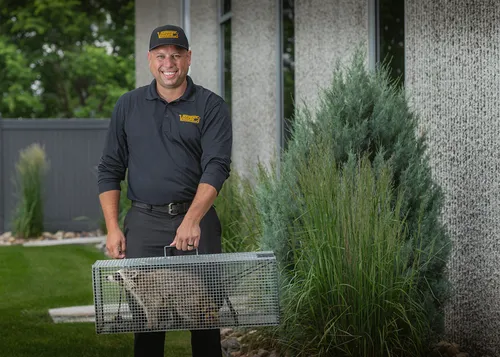
Varment Guard Wildlife Services provides humane wildlife control and removal services in Fort Wayne, IN. They handle various nuisance animals including bats, raccoons, squirrels, and birds, focusing on safe trapping, exclusion, and damage cleanup to protect homes and businesses. Their process includes thorough inspections, animal-proofing to prevent re-entry, and specialized cleanup such as bat guano and raccoon feces removal. Varment Guard is experienced in addressing health risks associated with wildlife, such as rabies and parasitic infections, and offers comprehensive attic restoration when needed.
Understanding Bird Control Laws in Indiana
Before taking any action against birds on your property, it's crucial to understand the legal framework. Most birds in Indiana are protected by federal law, which directly impacts what you can and cannot do.
- The Migratory Bird Treaty Act (MBTA): This federal law protects nearly all native bird species, including pigeons (rock doves), starlings, and house sparrows, which are non-native but still covered in many contexts. It is illegal to harm, kill, or possess these birds, their eggs, or their active nests without a permit.
- State Regulations: The Indiana Department of Natural Resources (DNR) enforces state wildlife codes that align with federal protections. Special permits are required for the removal of nests or birds, particularly for native species like Chimney Swifts.
- Permitting and Professional Help: Reputable bird control professionals are well-versed in these regulations. They can help determine if a permit from the U.S. Fish & Wildlife Service (USFWS) or Indiana DNR is needed for your situation and assist with the application process, which often requires detailed reporting of management activities.
- Timing is Critical: The breeding season, typically from spring through summer, is a legally sensitive period. Exclusion and removal efforts are most effective and legally sound when scheduled for late fall or early winter, outside of active nesting times.
Common Bird Problems for Indiana Properties
Birds seek shelter, nesting sites, and food near human structures, leading to several common issues:
- Structural Damage: Bird droppings are acidic and can corrode building materials, roofing, siding, and historical stonework. Nesting materials can clog gutters, downspouts, and ventilation systems, leading to water damage and fire hazards.
- Health and Safety Hazards: Accumulated droppings can harbor fungi like Histoplasma capsulatum, which causes respiratory illness when spores become airborne. Slippery droppings on walkways, loading docks, and fire escapes create fall risks.
- Agricultural and Commercial Losses: Birds contaminate stored grain, peck at fruit crops, and damage property aesthetics, which can negatively impact businesses like restaurants, warehouses, and retail stores.
- Nuisance and Noise: Large flocks of birds like starlings or pigeons create significant noise and mess, disturbing tenants, customers, and employees.
Effective Bird Deterrent and Exclusion Methods
Modern bird management focuses on humane exclusion-physically preventing birds from landing, roosting, or nesting-rather than removal. The right solution depends on the bird species, the building architecture, and the specific area being protected.
Physical Exclusion Systems
These methods create permanent, passive barriers.
- Bird Netting: Considered the gold standard for exclusion, durable polyethylene netting creates a physical barrier over large areas. It's ideal for blocking access to loading docks, courtyards, overhangs, eaves, and under bridges. Professional installation is key to ensuring a taut, long-lasting, and aesthetically discreet fit.
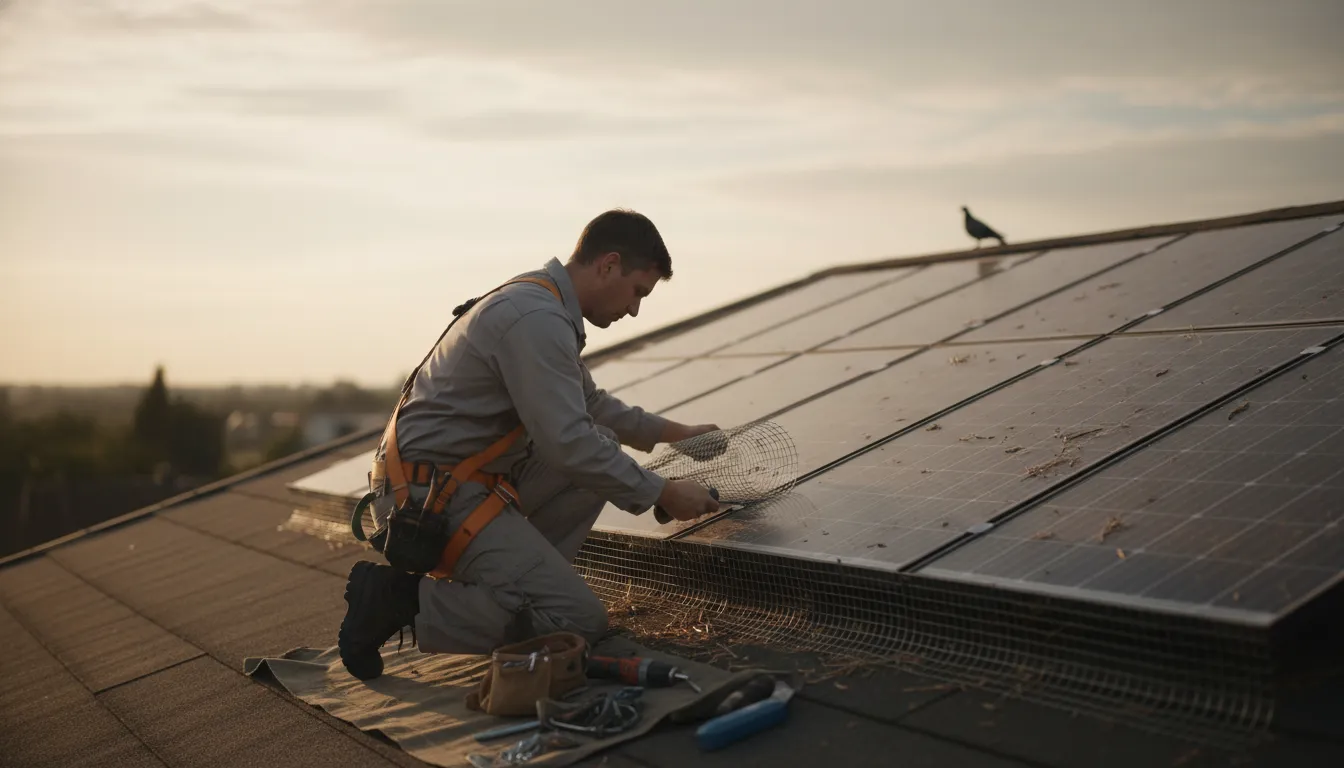
- Solar Panel Proofing: Birds frequently nest under solar arrays, causing damage and reducing efficiency. Specialized mesh barriers or perimeter skirting are installed to seal off the space beneath panels, protecting your investment.
Physical Deterrents
These make preferred landing spots uncomfortable or impossible.
- Bird Spikes: Stainless steel or polycarbonate spikes are installed on ledges, signs, beams, and rooftop edges. They are a low-profile way to prevent birds from landing without harming them.
- Electric Track Systems: These low-profile tracks deliver a mild, harmless shock to birds that land on them. They are highly effective for long, flat surfaces like parapet walls, roof peaks, and signage. Modern systems are energy-efficient and discreet.
- Bird Wire (Post and Wire): A system of posts and spring-tensioned wires creates an unstable landing zone. It's nearly invisible from the ground, making it a good choice for historical buildings or aesthetic-sensitive areas like window sills and cornices 1.
Non-Physical Deterrents
These use sensory stimuli to discourage birds.
- Sonic and Ultrasonic Devices: These units broadcast predator calls, distress cries, or ultrasonic sounds unpleasant to birds. Advanced systems like the Solar Bird Chase are motion-activated to prevent habituation. They are useful for large, open areas like farms, vineyards, and airports.
- Visual Deterrents: Reflective tape, flashing lights, and predator decoys (like owl statues) can provide short-term relief. Birds often habituate to these, so they are best used in rotation with other methods or for specific, temporary problems 2.
- Hazing and Repellent Gels: Non-toxic, food-grade repellents like Methyl Anthranilate (the active ingredient in EcoBird 4.0) can be applied to surfaces. The taste and smell irritate birds, encouraging them to leave. Fogging systems can also disperse these irritants over large areas 3.
Find the perfect bird & pigeon control companies for your needs
Get personalized recommendations and expert advice
The Professional Bird Control Process in Indiana
Working with a licensed and insured professional ensures the job is done safely, effectively, and in compliance with all laws. Here's what a typical process looks like:
- Inspection and Assessment: A specialist will visit your property to identify the bird species, locate entry points, roosting sites, and food sources, and assess the extent of the damage. This inspection helps determine the most effective and legal course of action.
- Solution Design and Proposal: Based on the inspection, the professional will design a customized management plan. This plan will recommend specific exclusion and deterrent products, outline the installation process, and provide a detailed cost estimate.
- Permit Acquisition (If Needed): If the situation involves protected species or active nests, the professional will handle the permit application process with the relevant state and federal agencies 4 5.
- Installation and Implementation: Trained technicians will install the chosen deterrent systems. This often involves working at heights and requires proper safety equipment and expertise to ensure the installation is secure and effective for the long term.
- Cleanup and Sanitation: After birds are excluded, affected areas must be cleaned and decontaminated. Professionals use proper PPE and disinfectants to safely remove droppings and nesting materials, mitigating health risks.
- Monitoring and Maintenance: A good service includes follow-up visits to ensure the systems are working and that birds have not found new vulnerabilities. Some contracts include annual maintenance.
Cost Considerations for Bird Control
The cost of bird management in Indiana varies widely based on the property size, bird pressure, methods required, and site accessibility. Understanding the factors involved helps in budgeting.
- Inspection Fees: Professional inspections for commercial properties typically range from $150 to $500. Many companies waive this fee if you proceed with their services 6 7.
- Installation Costs: This is the most variable component. A simple spike installation on a ground-level ledge costs less than installing extensive netting on a multi-story building facade, which may require scaffolding or lifts. Electric track systems have higher product costs but offer long-term effectiveness 8 9.
- Value of Professional Installation: While DIY options exist, professional installation guarantees correct product application, durability, and safety. An improperly installed system will fail, leading to recurring costs and continued damage. Professionals also provide warranties on both products and labor 10.
- The Cost of Inaction: It's important to weigh the upfront cost of control against the ongoing expense of property damage, cleanup, liability risks, and lost business revenue.
Preventative Measures for Homeowners and Businesses
Prevention is always more cost-effective than remediation.
- Eliminate Food Sources: Secure trash bins with tight-fitting lids. Clean up outdoor eating areas promptly. Avoid feeding wildlife, as spilled seed attracts birds.
- Block Entry Points: Seal gaps, holes, and openings in soffits, eaves, and roof vents with appropriate materials like hardware cloth or foam sealant.
- Modify Landscaping: Trim tree branches back from roofs and buildings. Consider using bird-resistant plants.
- Install Deterrents Early: If you notice birds starting to scout your property, installing simple deterrents like spikes on popular ledges can prevent a full-blown infestation.
Frequently asked questions
Sources
Footnotes
-
Indiana Bird Control | Bird B Gone | Authorized Installers - https://www.birdbgone.com/state/indiana-bird-control/ ↩
-
Three Ways to Keep Birds Away From the Patio, Porch and Deck - https://aviancontrolinc.com/keep-birds-away-from-the-patio-porch-and-deck/ ↩
-
Bird Deterrent Systems for Commercial Properties | WGC - https://wildgoosechasers.com/bird-deterrent-systems/ ↩
-
indianapolis bird removal - Trapper Joe's Wildlife Control - https://trapperjoeswildlifecontrol.com/nuisance-animals/birds.php ↩
-
Bird Control & Removal: Permitting for Protected Birds | WGC - https://wildgoosechasers.com/protect-yourself-from-protected-birds-follow-the-laws/ ↩
-
Bird Deterrents For Businesses - RK Environmental Services - https://www.rkenvironmental.com/blog/pest-management/bird-deterrents-for-businesses ↩
-
The Cost of Bird Control: What to Expect When Hiring a Pro - https://www.elitebirdmanagement.com/the-cost-of-bird-control-what-to-expect-when-hiring-a-pro/ ↩
-
Bird Control Services in Indiana | AviAway - https://www.aviaway.com/indiana-bird-control ↩
-
Pest Bird Management Strategies - McCloud Services - https://mccloudservices.com/pest-bird-management-strategies/ ↩
-
Pigeon Deterrent Installation - Pigeonpros.com - https://pigeonpros.com/pigeon-deterrent-installation/ ↩