
Find the Best Bird & Pigeon Control Companies for Your Business
No obligation • Fast responses • Nationwide coverage
Why you can trust Pest Crews
Pest Crews is a leading U.S. resource for finding and evaluating residential and commercial pest control services. Our team researches providers, reviews treatment approaches, and organizes unbiased information to help you make informed decisions. Companies cannot pay to change our editorial content or influence how they appear.
Search providers near you
Top Bird & Pigeon Control Companies in Beverly, Massachusetts Ranked
Finding effective and humane solutions for nuisance birds is a common concern for property owners in Beverly. Bird and pigeon control involves managing populations through humane exclusion, deterrents, and habitat modification to prevent damage and health risks. This guide explains the specific methods used locally, from residential window sills to commercial rooftops, helping you understand your options for protecting your property from pest birds.
Discreet Pest and Wildlife Services, Inc.
2 Burlington Woods Dr #100, Burlington, MA 01803
Discreet Pest and Wildlife Services, Inc. offers specialized pest and bird control solutions in Boston, MA. They focus on commercial pest management with an emphasis on discretion, using unmarked vehicles and plain clothes to minimize disruption. Their licensed technicians handle a wide range of jobs, from small businesses to large hospitals, ensuring professional service tailored to each property's needs. The company provides 24/7 availability for urgent pest control situations, maintaining privacy and protecting clients' reputations.
Pest Control Boston King
1304 Washington St, Boston, MA 02118
Pest Control Boston King is a locally owned pest control company serving Boston, MA. They provide a wide range of pest management services including bed bug treatment, cockroach and ant control, rodent removal, termite inspections, bee and wasp removal, bird and wildlife control, and commercial pest services. The company emphasizes targeted treatments based on thorough inspections and offers a satisfaction guarantee. They hold business liability and error and omissions insurance for added client protection. With years of experience in the Boston area, they focus on safe and effective pest removal methods to restore homes and businesses to pest-free conditions.
Pesky Pest Services
Boston, MA
Pesky Pest Services is a pest control company based in Boston, MA, offering a wide range of services including bed bug treatment, rodent control, termite inspections, mosquito control, and wildlife removal. They provide thorough inspections and treatments for pests such as ants, cockroaches, bees, wasps, squirrels, and birds. The company is known for humane wildlife removal techniques, such as installing one-way doors to evict squirrels without harm. Pesky Pest Services has built a reputation for addressing persistent infestations and providing ongoing maintenance plans to prevent recurrence. They also offer seasonal mosquito control to help clients enjoy their outdoor spaces. The team is recognized for their detailed approach and personalized service, with a focus on long-term pest management.
A1 Exterminators
183 Shepard St, Lynn, MA 01902
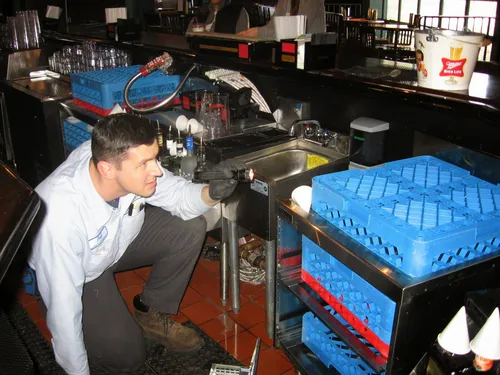
A1 Exterminators is a pest control company serving Boston, MA, and surrounding areas including Massachusetts, Cape Cod, Martha's Vineyard, Rhode Island, southern New Hampshire, and Maine. Since 1953, they have provided residential and commercial pest control and extermination services. Their certified technicians use state-of-the-art methods to handle various pest issues such as bed bugs, cockroaches, ants, rodents, termites, mosquitoes, bees, wasps, birds, and wildlife. Now part of Ned's Home, A1 Exterminators continues to offer reliable pest management with expanded resources.
B & B Pest Control
271 Western Ave #203, Lynn, MA 01904
B & B Pest Control is a family-owned pest control company serving Boston, MA, and surrounding communities. With over 40 years in business and a team bringing more than 100 years of combined experience, they handle a wide range of pest issues including bed bugs, cockroaches, ants, rodents, termites, mosquitoes, bees, wasps, birds, and wildlife. Their services cover both residential and commercial properties across multiple nearby cities. The company is known for comprehensive pest inspections and targeted treatments to manage infestations effectively.
Why Bird Management Matters in Beverly
Birds like pigeons, sparrows, and starlings can become more than just a nuisance. Their droppings are acidic and can corrode building materials, damage vehicles, and deface historic properties common in the North Shore area. Nesting materials can clog gutters and downspouts, leading to water damage, and block vents, creating fire hazards. Beyond property damage, accumulated droppings pose significant health risks by harboring fungi and bacteria, such as those responsible for histoplasmosis. For businesses, a bird problem can negatively impact customer perception and even violate local health codes. Implementing effective bird abatement protects your investment and ensures a cleaner, safer environment.
Common Bird Problems on Beverly Properties
Bird issues vary significantly between residential and commercial settings, requiring tailored approaches.
Residential Hotspots: In Beverly homes, birds often seek shelter on window sills, rooflines, and gutters. Chimney tops are particularly attractive to birds like chimney swifts, while balconies, sheds, and decks provide perfect perching and nesting areas. These spots offer protection from the elements and predators, leading to persistent nesting cycles if not addressed.
Commercial Challenges: Commercial buildings in Beverly present larger-scale issues. Flat roofs, ledges, and parapets are ideal loafing areas for pigeons. Signage, loading docks, and HVAC units on rooftops provide shelter and warmth. Inside warehouses or under rafters, birds like sparrows can establish large colonies, contaminating inventory and workspaces. The large facades of downtown buildings can become roosting sites for hundreds of birds, creating a major maintenance and sanitation challenge.
Humane Bird Control and Exclusion Methods
Modern bird management in Beverly focuses on humane, permanent exclusion. Professionals use an integrated approach, combining physical barriers with sensory deterrents.
Physical Exclusion (The Most Permanent Solution)
This method involves installing barriers that physically prevent birds from landing or nesting.
- Bird Spikes: These are narrow, needle-like strips installed on ledges, signs, and window sills. They are a highly effective and discreet way to prevent perching without harming the birds.
- Bird Netting: Heavy-duty polyethylene netting, such as Bird-B-Gone Netting, is used to block off large areas like building facades, overhangs, courtyards, and loading docks. It creates a physical barrier that denies access to favored roosting spots.
- Bird Wire (Tensioned Wire Systems): Nearly invisible from the ground, this system uses posts and tensioned wire to create an unstable landing surface on ledges and parapets. It's a popular choice for commercial buildings where aesthetics are important1.
- Electric Shock Systems (Bird Jolt Flat Track): These low-profile tracks deliver a mild, harmless shock to discourage birds from landing. They are highly effective for persistent problems on ledges, beams, and rooftop equipment2.
Sensory and Visual Deterrents
These solutions aim to make an area unattractive or frightening to birds through sight, sound, or smell.
- Visual Repellents: Items like holographic repellent strips (SpectrumV), reflective tape, and predator decoys (like owls) use movement and light to scare birds away. These are often used as part of a broader strategy.
- Sonic and Ultrasonic Devices: These emit sounds that are distressing to birds but typically inaudible to humans. Sonic devices play recorded predator calls, while ultrasonic devices emit high-frequency sounds. Their effectiveness can vary with the environment.
- Aromatic Repellents: Products like Bird-Out use non-toxic, food-grade methyl anthranilate (grape flavoring) to create an odor or taste birds find irritating. These gels or liquids are applied to perching areas.
Find the perfect bird & pigeon control companies for your needs
Get personalized recommendations and expert advice
Habitat Modification: The First Line of Defense
The most cost-effective long-term strategy is to make your property less inviting. This involves sealing entry points into attics, vents, and lofts with appropriate materials. Removing standing water and securing trash in lidded containers eliminates food and water sources. Pruning tree branches away from structures removes access routes. Critically, it's important to stop feeding birds intentionally, as this guarantees their return and exacerbates problems.
Specialized Treatments and Professional Services
For severe or persistent infestations, especially in commercial settings, professionals may employ more advanced tactics.
- Behavior-Modifying Baits: In certain licensed commercial situations, products like Avitrol may be used. This is a treated grain bait that, when consumed by a portion of the flock, causes distress signals that frighten the remaining birds away from the site. Its use is highly regulated and is part of an integrated management plan, not a standalone solution.
- Professional Installation and Planning: A professional bird control service in Beverly begins with a thorough inspection to identify species, entry points, and attractants. They then design a custom plan, often combining multiple methods (e.g., netting for a large area plus spikes on ledges). Professional installation ensures barriers are effective, durable, and comply with local regulations.
Understanding Costs for Bird Control
The investment in bird control varies widely based on the method, property size, and severity of the problem.
- DIY Products: Homeowners can purchase spikes ($20-$40+ per section), netting ($100-$200+ for a kit), or gels/repellents ($20-$50+ per product) for small-scale issues3 4. Success depends on correct installation and ongoing maintenance.
- Professional Residential Services: For a typical home, addressing common perching areas on rooflines, window sills, and a chimney might start at a few hundred dollars for basic spike or wire installation. More comprehensive work will increase the cost5.
- Professional Commercial Projects: Costs for commercial bird-proofing are significantly higher due to scale and access challenges. Protecting a large building facade with netting, installing electric tracks on ledges, or securing a warehouse can range from hundreds to several thousand dollars. Most companies provide free inspections and detailed quotes 6 7.
Choosing a Local Bird Control Strategy
The right approach depends on your specific situation. For a residential balcony with occasional pigeons, visual deterrents and simple spikes may suffice. A restaurant with a dumpster area may need netting over the loading dock and strict trash management. A historic downtown building with a pervasive pigeon problem likely requires a professional assessment and a combination of wire systems, netting, and habitat modification for a lasting solution 8.
Local providers in the Beverly area specialize in these integrated approaches, emphasizing humane exclusion first. They understand the local bird species, seasonal patterns, and the architectural styles of North Shore properties, which is crucial for designing an effective and aesthetically appropriate control plan.
Frequently asked questions
Sources
Footnotes
-
Methods Of Bird Control: Advantages And Disadvantages - GSA - https://www.gsa.gov/real-estate/historic-preservation/historic-preservation-policy-tools/preservation-tools-resources/technical-procedures/methods-of-bird-control-advantages-and-disadvantages ↩
-
Massachusetts Bird Control Company | AviAway - https://www.aviaway.com/massachusetts-bird-control ↩
-
How to Keep Birds Off Your Property | Gregory Pest Solutions - https://www.smarterpestcontrol.com/blog/residential-pest-control/how-to-manage-bird-populations-on-your-property ↩
-
Pigeon control: Removal & Information | Ehrlich Pest Control - https://www.jcehrlich.com/pest-insights/birds/species/pigeons ↩
-
Massachusetts Bird Control | Bird B Gone - Authorized Installers - https://www.birdbgone.com/state/massachusetts-bird-control/ ↩
-
Bird Control for Massachusetts - 1-800-CRITTER - http://www.800critter.com/massachusetts_birdcontrol.html ↩
-
Critter Control® of Beverly, MA | Wildlife Removal - https://www.crittercontrolofboston.com/critter-control-of-beverly-ma/ ↩
-
Commercial Bird Control Burlington, MA | Reach Out To Us - https://www.discreetpest.com/services/commercial-bird-control/ ↩