
Find the Best Bird & Pigeon Control Companies for Your Business
No obligation • Fast responses • Nationwide coverage

Why you can trust Pest Crews
Pest Crews is a leading U.S. resource for finding and evaluating residential and commercial pest control services. Our team researches providers, reviews treatment approaches, and organizes unbiased information to help you make informed decisions. Companies cannot pay to change our editorial content or influence how they appear.
Search providers near you
Top Bird & Pigeon Control Companies in Westland, Michigan Ranked
Birds and pigeons can cause significant damage to your property and pose health risks through their droppings and nesting materials. Effective bird and pigeon control involves a strategic combination of deterrents, physical barriers, and habitat modification to protect your home or business. This guide explains the common methods used by local professionals in Westland, helping you understand your options for managing these persistent pests and connecting you with specialists who can assess your specific situation.
ProAction Pest Control
32540 Schoolcraft Rd Suite 250, Livonia, MI 48150
ProAction Pest Control is a locally owned pest control company based near Detroit, MI, serving Wayne, Oakland, Washtenaw, and Livingston counties. They provide residential and commercial pest and wildlife control services, handling a wide range of pests including ants, bed bugs, termites, rodents, bees, wasps, and wildlife such as raccoons and squirrels. Their capabilities include safe and licensed bee and wasp removal, as well as thorough termite inspections and treatments. With over 18 years of experience, ProAction Pest Control offers same-day service with no extra charge and emergency appointments, including evening and weekend availability.
TRU Pest Control Inc
1946 Arthur Rd, Windsor, ON M8W 4V4, Canada
TRU Pest Control Inc offers pest control services for both commercial and residential properties in Detroit, MI. They specialize in managing a wide range of pests including bed bugs, ants, rodents, birds, and wasps. The company uses environmentally friendly methods that comply with regulatory standards to ensure safety for clients, pets, and property. With over 35 years of experience, TRU Pest Control applies creative solutions backed by licensed and insured professionals. They also provide discreet service using unmarked vehicles and maintain strict confidentiality for their customers.
Orkin Canada Pest Control
2733 Kew Dr, Windsor, ON N8T 3B7, Canada
Orkin Canada Pest Control provides pest management services in Detroit, MI, with a focus on Integrated Pest Management to minimize pesticide use. Their local technicians handle a variety of pest issues including bed bugs, cockroaches, ants, rodents, termites, mosquitoes, bees, wasps, birds, and wildlife for both residential and commercial properties. The company offers 24/7 phone support and serves multiple communities in the Windsor area. Their expertise includes wildlife removal and comprehensive pest inspections. Orkin Canada Pest Control is part of a nationwide network of local professionals dedicated to community-focused pest control solutions.
ALL THINGS WILD Animal Removal Service & Wildlife Control
2584 Allyson Ave, Windsor, ON N8W 5N6, Canada
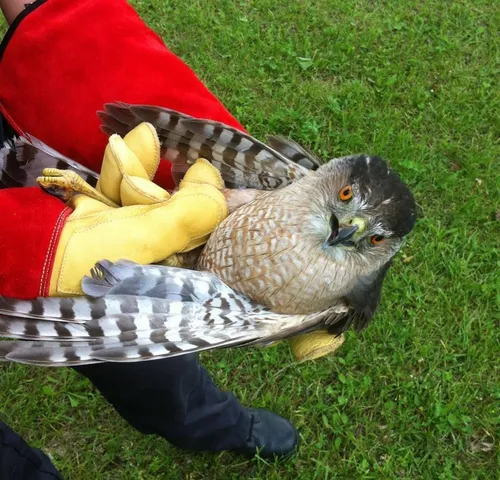
ALL THINGS WILD Animal Removal Service & Wildlife Control provides humane wildlife removal services in Detroit, MI. They specialize in non-lethal removal of various animals including raccoons, squirrels, skunks, opossums, birds, bats, rabbits, groundhogs, rats, mice, muskrats, and feral cats. Their trained technicians perform thorough property inspections to identify the species and entry points before recommending the most suitable humane removal methods.

Busy B Pest Control
Detroit, MI
Busy B Pest Control offers tailored pest control services in Detroit, MI, for both residential and commercial properties. They handle a wide range of pests including bees, roaches, ants, fleas, spiders, bed bugs, rodents, bats, and birds. The company provides comprehensive inspections and customized treatment plans focused on prevention and long-term control. Their team has years of experience delivering effective pest management solutions with flexible maintenance options.
Why Bird Control is Essential in Westland
While birds are a natural part of Michigan's environment, species like pigeons, starlings, and sparrows often become pests in urban and suburban areas like Westland. Their presence is more than a nuisance; it's a threat to property and health. Accumulated droppings are highly acidic, accelerating the deterioration of roofing materials, siding, and paint 1. Nests built in gutters, vents, and chimneys can lead to water damage, blockages, and even fire hazards. Furthermore, bird droppings can harbor pathogens like E. coli and Salmonella, and nesting materials often contain mites and other parasites, creating an unhealthy environment 1. Proactive bird management is a critical step in maintaining your property's structural integrity, value, and safety.
Common Problem Areas on Westland Properties
Birds seek out sheltered spots that mimic their natural cliff and cave dwellings. In Westland, certain parts of residential and commercial buildings are particularly vulnerable to infestation and require focused attention.
- Building Ledges & Window Sills: These flat, elevated surfaces are prime perching spots for pigeons, offering a clear view and protection. Droppings quickly accumulate, staining facades and creating slippery, hazardous walkways below.
- Rooftops & Eaves: The underside of eaves provides perfect shelter from rain and predators, making them ideal for nesting. Rooftops, especially those with HVAC units, vents, or parapet walls, become communal roosting areas.
- Vents & Openings: Dryer vents, soffit vents, and any gaps in fascia boards are open invitations for birds to enter attics, warehouses, and wall cavities. Once inside, they can cause extensive damage to insulation and wiring.
- Gutters & Structural Beams: Clogged gutters filled with nesting material lead to water overflow and damage. On commercial properties, the large, open beams in warehouses and under canopies are favored congregation points for large flocks.
Effective Bird Deterrent and Exclusion Methods
Local pest control professionals employ a variety of strategies, often in combination, to provide a long-term solution. The right approach depends on the bird species, the location of the problem, and the type of property.
Physical Barriers (Exclusion)
This is the most permanent and effective form of bird control, physically preventing birds from landing, roosting, or entering.
- Bird Spikes: These are narrow strips with pointed rods installed on ledges, signs, and beams. They are a humane deterrent that makes landing uncomfortable without harming the birds. They are highly effective for pigeons and larger birds on narrow surfaces.
- Bird Netting: Heavy-duty polyethylene netting is used to block access to large open areas. It's commonly installed under eaves, in courtyards, over loading docks, and across warehouse ceilings to create a complete physical barrier.
- Bird Wire (Tensioned Wire Systems): Nearly invisible from the ground, this system uses posts and tensioned stainless-steel wires to create an unstable landing zone on ledges and beams. It's a low-profile solution preferred for architectural aesthetics.
- Sealing Entry Points: A critical step in any control plan, this involves using hardware cloth, foam sealant, or other materials to close off gaps and holes where birds enter structures to nest 2.
Visual & Sensory Deterrents
These methods aim to scare or disorient birds, making a location feel unsafe. They are often used alongside physical barriers.
- Scare Devices: This category includes predator decoys (like owls or hawks), scare balloons with large predator eyes, and reflective tape or discs. Their effectiveness can diminish over time as birds become accustomed to them, so they often work best when moved regularly 3.
- Optical Gels: These clear, sticky substances are applied to ledges and beams. They create a visual and tactile disturbance that birds dislike, mimicking the appearance of fire or predator eyes. It's important to use products designed for the local temperature range, as some gels can melt in hot Michigan summers 4.
- Laser Systems: Primarily used in large, enclosed commercial spaces like warehouses or airplane hangars, automated laser beams project moving patterns that birds perceive as a physical threat, encouraging them to leave the area 5.
Habitat Modification
This proactive approach involves making your property less attractive to birds by removing the elements they need.
- Remove Food Sources: Securing trash cans with tight-fitting lids, cleaning up spilled grain or seed, and discouraging the feeding of birds on your property are fundamental steps.
- Eliminate Water: Fix leaky faucets, grade areas where puddles form, and ensure drainage systems are working properly to remove standing water.
- Professional Falconry: For large-scale or persistent problems on commercial sites like landfills or farms, some companies employ trained birds of prey. The natural presence of a hawk or falcon can effectively disperse entire flocks of pest birds 6.
Find the perfect bird & pigeon control companies for your needs
Get personalized recommendations and expert advice
Residential vs. Commercial Bird Control Needs
The scale, methods, and considerations for bird control differ significantly between a Westland home and a local business or industrial facility.
Residential Bird Control typically focuses on specific, smaller-scale issues. Common projects include installing spikes on chimney caps and porch ledges, placing netting over a patio or under a deck, and sealing openings where birds enter attics or vents. The focus is on protecting the home's exterior and preventing indoor invasions. The cost for residential services is generally influenced by the linear or square footage of the area being treated and the accessibility of the problem spots 7 8.
Commercial Bird Control in Westland involves larger, more complex solutions. A warehouse may require thousands of square feet of netting hung from high ceilings. A factory with extensive piping and structural beams might need a combination of wire systems and spikes. Large retail stores with flat roofs often require perimeter barrier systems. Commercial pricing is highly custom, as it must account for the size of the building, height access needs (like scissor lifts or scaffolding), and the specific bird pressure on the site. The investment is higher but crucial for maintaining health code compliance, protecting inventory and equipment, and preserving a professional business image 9 10.
Working with a Westland Bird Control Professional
For lasting results, consulting with a local specialist is recommended. A reputable professional will start with a thorough inspection of your property to identify the bird species, the extent of the activity, and all attractants and entry points. They should then present a customized plan that may combine several of the methods discussed. Be sure to ask about the longevity of the materials used (e.g., UV-stabilized netting), any warranties on workmanship, and whether they offer follow-up monitoring or maintenance services. Companies like Critter Control of Westland and other local wildlife specialists have experience with the common bird issues faced by properties in our area and can navigate the most effective and humane solutions 11.
Frequently asked questions
Sources
Footnotes
-
How to Get Rid Of & Identify Birds | Types of Birds - Orkin - https://www.orkin.com/pests/birds ↩ ↩2
-
How to Keep Birds Out of Garages and Sheds - Avian Enterprises - https://aviancontrolinc.com/how-to-keep-birds-out-of-garages-and-sheds/ ↩
-
Best Bird Control Methods | Top Solutions for Your Needs - https://www.networksbirdnet.com/blogs/best-bird-control-methods.html ↩
-
Only Company Near Ann Arbor Michigan Providing Bird Control ... - https://wildlifesolutionsannarbor.com/wildlife-control-services/bird-control-service/ ↩
-
Bird control - Wikipedia - https://en.wikipedia.org/wiki/Bird_control ↩
-
Agricultural Bird Control: All Available Solutions Uncovered - OvoControl - https://www.ovocontrol.com/industrial-bird-control/agriculture-bird-control ↩
-
Bird Control Services in Westland, MI - https://mibirdcontrolsolutions.com/near/westland/ ↩
-
Pigeon Control | Critter Control of Westland - https://www.crittercontrolofwestland.com/wildlife/animals/pigeons/ ↩
-
How to get rid of pigeons in a Factory or Warehouse ? - https://www.rezovate.com/blogs-for-industries/how-to-stop-pigeons-from-coming-in-a-factory ↩
-
Commercial Bird Control Services - https://www.crittercontrol.com/services/bird-control/ ↩
-
Bird Removal & Control Services - https://www.michiganwildlifesolutions.com/wildlife-removal-services/bird-control/ ↩