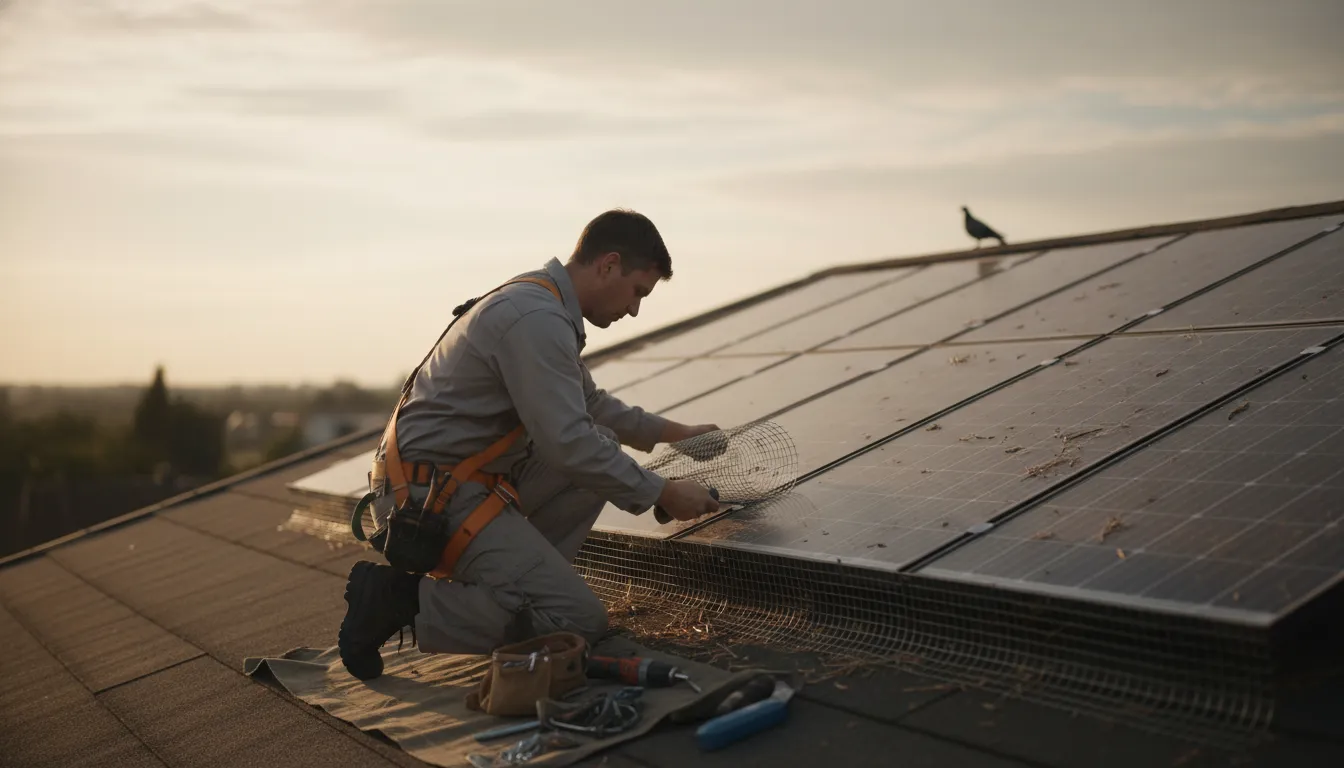
Find the Best Bird & Pigeon Control Companies for Your Business
No obligation • Fast responses • Nationwide coverage

Why you can trust Pest Crews
Pest Crews is a leading U.S. resource for finding and evaluating residential and commercial pest control services. Our team researches providers, reviews treatment approaches, and organizes unbiased information to help you make informed decisions. Companies cannot pay to change our editorial content or influence how they appear.
Search providers near you
Top Bird & Pigeon Control Companies in White Plains, New York Ranked
Dealing with nuisance birds like pigeons, sparrows, or starlings is a common urban challenge. Effective bird control is essential for protecting your property from damage, preventing health hazards from droppings, and maintaining a clean, safe environment. This guide will help you understand the various bird management and pigeon deterrent strategies available in White Plains, empowering you to find the right local expertise for your specific situation.
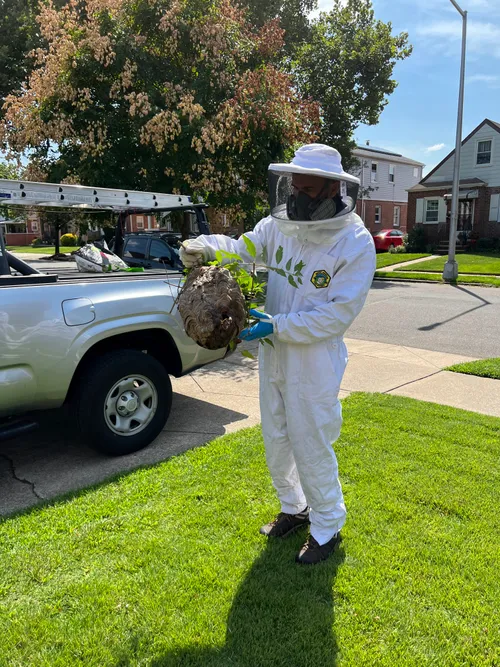
GoSafe Pest Control LLC
264-07 Langston Ave unit B, Glen Oaks, NY 11004
GoSafe Pest Control LLC is a locally owned pest control company serving New York, NY. They provide a range of pest management services including bed bug treatment, cockroach and ant control, rodent control, termite inspections, mosquito control, bee and wasp removal, bird and pigeon control, and wildlife removal. The company offers eco-friendly solutions tailored to client schedules, with options for weekly to seasonal visits.
Optimum Pest Control
2444 Boston Post Rd Suite 1020, Larchmont, NY 10538
Optimum Pest Control is a pest control company serving Yonkers, NY, and the broader Westchester region. They offer services including cockroach, ant, rodent, termite, bird, and wildlife removal. The company provides personalized pest management plans and uses green, family- and pet-friendly treatments with integrated pest management techniques. A notable capability is their use of video monitoring to enhance rodent control programs. With over 20 years of experience, Optimum Pest Control combines advanced methods with environmental awareness to address pest issues effectively.
Titan Pest Services
263 Herbert Ave, Closter, NJ 07624
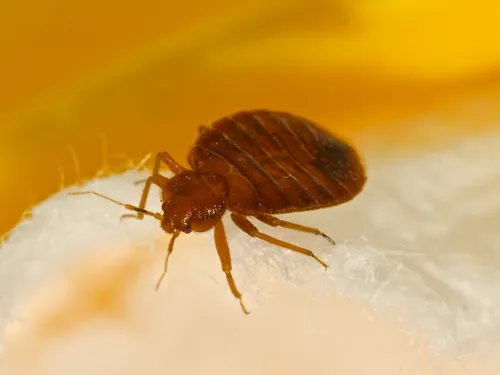
Titan Pest Services is a family-owned pest control company based near Yonkers, NY, serving residential and commercial clients in the area. They offer personalized pest management plans tailored to specific needs, including one-time, monthly, seasonal, and yearly treatments. Their services cover a wide range of pests such as bed bugs, termites, rodents, mosquitoes, bees, wasps, and wildlife. Titan Pest Services employs licensed professionals who use specialized equipment and safe pesticide application techniques to manage infestations effectively. Established in 2007, the company also provides green and organic product options upon request.
Standard Pest Management
25-80 Steinway St, Astoria, NY 11103
Standard Pest Management is a pest control company serving New York, NY, and the surrounding metropolitan area including Westchester County, Long Island, and Northern New Jersey. Established in 1929, it is the oldest pest control firm in New York City, providing services for both residential and commercial clients. Their offerings include bed bug treatment, rodent control, termite inspections, mosquito control, bird and wildlife removal, and integrated pest management. Standard Pest Management uses modern technology and licensed experts to deliver detailed reporting and effective pest control solutions. They specialize in commercial pest management, addressing pests in hard-to-reach areas and offering bird control and deterrent installations. The company emphasizes integrated pest management techniques to reduce pesticide use and environmental impact.
NYC PIGEON AIR CONDITIONER
1893 Adam Clayton Powell Jr Blvd Apt 6a, New York, NY 10026
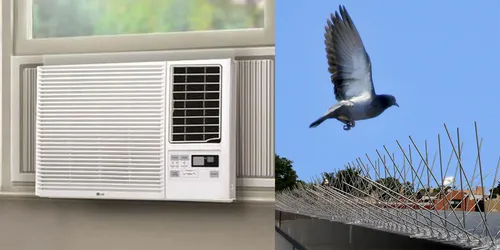
NYC PIGEON AIR CONDITIONER is a bird and pigeon control company based in New York, NY. They provide services focused on managing and controlling pigeon populations in urban environments. The company offers expertise in pigeon deterrent solutions to help reduce bird-related issues in the city.
Why Bird Management is Critical in White Plains
Urban centers like White Plains provide ideal habitats for pest birds. Buildings offer abundant ledges for roosting, while parks and litter can provide food and water sources. The problems caused by these birds are more than just a nuisance. Pigeon and bird droppings are highly acidic and can corrode building materials, metal surfaces, and vehicles. Accumulated droppings and nesting materials can clog gutters and drains, leading to water damage. More importantly, bird droppings can harbor pathogens and fungi, such as Histoplasma, posing a respiratory health risk, especially when dried droppings are disturbed. For businesses, a bird infestation can create an unsightly and unprofessional appearance, potentially driving away customers.
Common Problem Areas on White Plains Properties
Birds seek out specific architectural features for shelter and nesting. Identifying these areas is the first step in a successful bird proofing plan.
- Rooftops & Ledges: These are prime perching and roosting spots for pigeons. Flat rooftops, parapet walls, and the ledges beneath windows are particularly attractive.
- Building Facades & Signage: Recessed letters on signs, architectural details, and the tops of light fixtures provide perfect, sheltered spots for birds to build nests.
- Eaves, Soffits, & Vents: Small gaps or openings in eaves and attic vents are common entry points for smaller birds like sparrows and starlings looking to nest inside a structure.
- Loading Docks & Balconies: These semi-enclosed areas offer protection from the elements and are frequent targets for pigeon flocks.
- Parking Garages & Underpasses: The concrete beams and high ceilings in these structures mimic the rocky cliffs that are pigeons' natural roosting sites.
A Guide to Bird Deterrent Methods
A successful bird abatement strategy often involves a combination of methods tailored to the species, the building, and the severity of the problem. Here's a breakdown of the most common approaches.
Physical Barriers and Exclusion
This is the most permanent and effective form of bird control, focusing on physically blocking access.
- Bird Spikes: These are rows of pointed rods made from stainless steel or polycarbonate installed on ledges, signs, and beams. They do not harm birds but make landing uncomfortable and impossible. They are a highly effective solution for long, flat surfaces.
- Bird Netting: Heavy-duty polyethylene netting is used to block off large areas like courtyards, loading docks, or the undersides of bridges. It creates a physical barrier that denies access to preferred roosting areas without harming the birds.
- Sealing Entry Points: Using materials like hardware cloth, foam sealant, or vent covers to close off gaps in eaves, vents, and other openings prevents birds from entering to nest.
Visual and Auditory Deterrents
These methods aim to scare birds away by exploiting their natural fears.
- Visual Scares: This category includes reflective tape, holographic diverters, and decoy predators like plastic owls or rubber snakes. Their effectiveness can diminish over time as birds become accustomed to them if they are not moved regularly 1.
- Ultrasonic Devices: These emit high-frequency sounds that are unpleasant to birds but generally inaudible to humans. Their efficacy can be limited by obstacles and may not work on all bird species.
Taste and Contact Repellents
These products create an unpleasant sensation for birds that land on treated surfaces.
- Bird Gel: A non-toxic, sticky substance applied in beads or tracks to ledges. It creates a tacky surface that birds find uncomfortable to stand on, encouraging them to leave. It requires periodic reapplication.
- Liquid Repellent Sprays: These sprays create an odor or taste aversion. Some are designed for foliage to protect fruit trees, while others are for application on buildings to discourage roosting.
Habitat Modification
This is a critical, long-term strategy that addresses the root cause of the problem by making your property less attractive.
- Eliminate Food Sources: Securing trash cans with tight-fitting lids, cleaning up outdoor eating areas, and discouraging the public from feeding birds are essential steps 2 3.
- Remove Water Sources: Fix leaky faucets, ensure proper drainage, and cover or treat standing water features.
- Sanitation: Regularly clean up droppings and nesting debris (taking proper health precautions). Removing nests before eggs are laid is key, as many species, including pigeons, are protected by law once eggs are present.
Find the perfect bird & pigeon control companies for your needs
Get personalized recommendations and expert advice
Professional Bird Control Services
For persistent or large-scale infestations, especially in commercial settings, professional wildlife control services are often necessary. Professionals can provide:
- Expert Assessment: Identifying species, entry points, and attractants.
- Trapping and Relocation: Using live traps for humane removal, often required for certain species or situations.
- Licensed Nest Removal: In New York, the removal of nests and eggs often requires specific licensing, particularly for native species. Professionals understand these regulations.
- Installation of Professional-Grade Systems: Installing extensive netting, electrical track systems (which deliver a mild shock), or other custom barrier solutions for complex architectural challenges 4 5.
Understanding the Investment in Bird Proofing
The cost of addressing a bird problem in White Plains varies significantly based on the scope and methods chosen. For minor residential issues, DIY solutions like installing a few feet of spike strips or applying repellent gel may involve a modest material cost 6 7. For commercial properties, large rooftops, or complex architectural features, professional bird proofing projects represent a more substantial investment. These can range from several hundred to several thousand dollars, factoring in the cost of materials (like large-scale netting), specialized equipment, and labor for installation 6 8. It's important to view this as a protective investment that prevents far more costly damage from corrosion, drainage issues, and potential liability.
Legal and Ethical Considerations in New York
Bird control must be conducted humanely and in compliance with local, state, and federal laws. In the United States, all native bird species are protected under the Migratory Bird Treaty Act. This makes it illegal to harm, trap, or remove active nests with eggs or chicks without a permit. Pigeons, starlings, and house sparrows are non-native species and are not federally protected, but local ordinances may still apply. Always consult with a licensed professional to ensure any removal or exclusion plan is legal and ethical 9.
Maintaining a Bird-Free Property
Effective bird management is an ongoing process. After installing deterrents, regular maintenance is crucial. This includes inspecting spikes and netting for debris or damage, reapplying gels or repellents as needed, and vigilantly maintaining habitat modification practices like proper trash management. An annual inspection by a professional can help identify new vulnerabilities before they become a problem.
Frequently asked questions
Sources
Footnotes
-
A Complete Guide on How To Get Rid of Pigeons - Avian Enterprises - https://aviancontrolinc.com/get-rid-of-pigeons/ ↩
-
Feral pigeon control - HealthyWA - https://www.healthywa.wa.gov.au/Articles/F_I/Feral-pigeon-control ↩
-
Pigeon Prevention: 11 Tips for a Pigeon-Free Home - https://www.barronssolarwashcompany.com/pigeon-prevention-11-tips-for-a-pigeon-free-home ↩
-
Bird Control in Urban Areas: Challenges and Solutions - https://www.apexbirdcontrol.uk/article/bird-control-in-urban-areas ↩
-
Commercial Pigeon Control and Removal Service | Professional Pigeon Deterrents, Nest Removal, and Bird Proofing for Businesses - https://www.orkincanada.ca/commercial/services/commercial-pigeon-control-service/ ↩
-
How to Get Rid of Pigeons: Overview of All Available Solutions - OvoControl - https://www.ovocontrol.com/how-to-get-rid-of-pigeons ↩ ↩2
-
5 Home Remedies to Keep Birds Away - Northwest Exterminating - https://www.callnorthwest.com/2020/01/5-home-remedies-to-keep-birds-away/ ↩
-
Pigeon Control London - JG Pest Control - https://www.jgpestcontrol.co.uk/london/bird-control/pigeons/ ↩
-
Professional Bird Removal Service In White Plains, NY - https://www.adamswildlifecontrol.com/bird-removal-white-plains-ny ↩