
Find the Best Bird & Pigeon Control Companies for Your Business
No obligation • Fast responses • Nationwide coverage

Why you can trust Pest Crews
Pest Crews is a leading U.S. resource for finding and evaluating residential and commercial pest control services. Our team researches providers, reviews treatment approaches, and organizes unbiased information to help you make informed decisions. Companies cannot pay to change our editorial content or influence how they appear.
Search providers near you
Best Bird & Pigeon Control Companies in Oregon Ranked
Bird and pigeon issues in Oregon can range from minor nuisances to significant property damage and health concerns. Effective bird management is about more than just removal; it involves humane, long-term exclusion and deterrent strategies that comply with strict federal and state wildlife laws. This guide explains the unique challenges of bird control in Oregon, outlines the most effective and legal solutions, and helps you understand how to connect with local professionals who can assess your specific situation and implement a compliant, lasting fix.
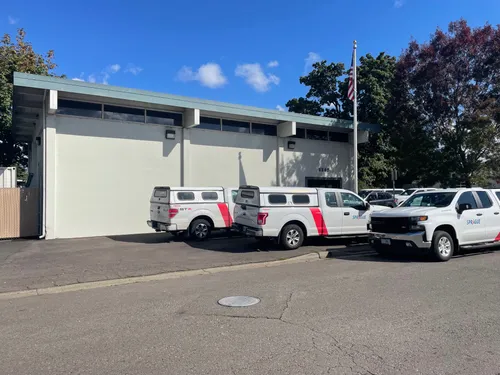
Sprague Pest Solutions
2285 Nugget Way, Eugene, OR 97403
Sprague Pest Solutions is a pest control company based in Eugene, OR, specializing in commercial pest management. They offer a range of services including rodent control, insect prevention, bed bug inspections and treatments, bird exclusion, mosquito abatement, and fumigation alternatives. The company uses advanced, science-based solutions and provides continuous pest management at all stages of pest life cycles. Sprague Pest Solutions is known for its LEED certified, green, and organic methods, and offers a 24/7 client web portal for communication and reporting. Their team is experienced in handling government compliance and third-party audits.
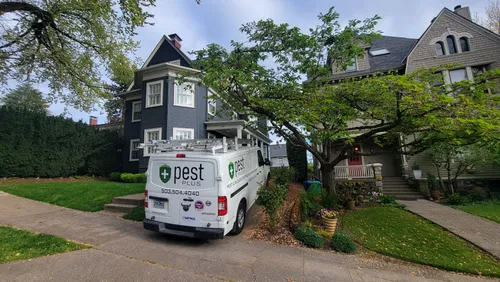
Pest Plus LLC
Portland, OR
Pest Plus LLC is a locally owned pest control company serving the Portland, OR metro area and surrounding regions. They provide custom pest management solutions for residential, commercial, and industrial clients. Their services include thorough inspections, advanced exclusion repairs, crawlspace and attic restorations, sanitation services, and solar panel exclusions. Pest Plus specializes in wildlife removal, rodent control, ant control, bee and wasp removal, and bird and pigeon control. The company emphasizes tailored strategies and offers flexible service programs without long-term contracts to meet customer needs.
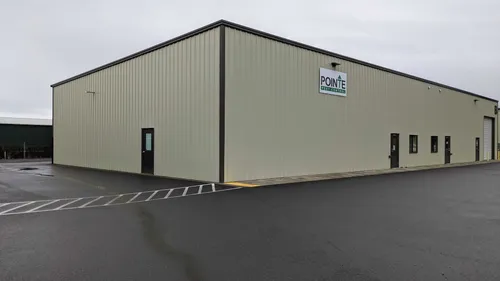
Pointe Pest Control - Vancouver
5900 NE 152nd Ave Bldg B #250, Vancouver, WA 98682
Pointe Pest Control - Vancouver provides pest control and wildlife removal services in Portland, OR. They handle infestations of rodents, ants, cockroaches, bed bugs, bees, wasps, pigeons, and other pests. Their technicians are experienced in identifying vulnerable areas of homes and managing infestations ranging from moderate to advanced. Pointe Pest Control has extensive knowledge of pest behavior and control methods to address a variety of pest problems effectively.
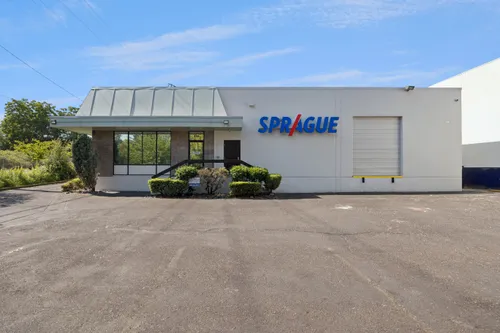
Sprague Pest Solutions
9106 NE Marx Dr, Portland, OR 97220
Sprague Pest Solutions is a family-owned commercial pest control company based in Portland, OR. They provide comprehensive pest management services including rodent and insect control, bed bug inspections, bird exclusion, mosquito abatement, termite baiting, and fumigation alternatives. Their approach uses advanced, science-based solutions tailored to each business, supported by online reporting and communication tools to ensure compliance and audit readiness. Sprague Pest Solutions has over 20 years of experience and offers 24/7 client access through a web portal for alerts and billing.
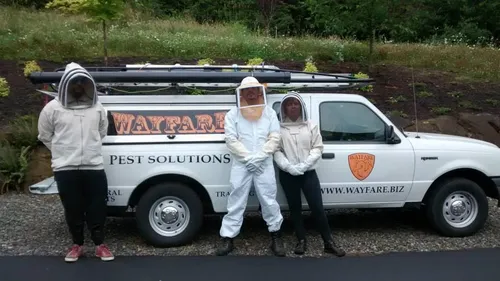
Wayfare Pest Solutions
4817 NW Fruit Valley Rd #500, Vancouver, WA 98660
Wayfare Pest Solutions is a pest control company serving Portland, OR, and nearby areas. They offer a wide range of pest management services including ant, rodent, roach, wasp, bird, and wildlife removal. The company specializes in humane exclusion and repair services to prevent re-entry of pests. With over 13 years of experience, Wayfare Pest Solutions combines integrated pest management techniques to provide effective and environmentally conscious solutions.
Understanding Oregon's Bird Control Laws
Before taking any action, it's crucial to understand the legal landscape. In Oregon, nearly all native birds are protected under the federal Migratory Bird Treaty Act (MBTA). This makes it illegal to harm, kill, or disturb the active nests or eggs of these species 1. The nesting season, typically spring and summer, is an especially sensitive time when even exclusion work may be restricted near active nests.
Only a few non-native species are exempt from these federal protections and can be managed more freely. These include:
- Pigeons (Rock Doves)
- European Starlings
- House Sparrows
- Eurasian Collared-Doves
While these species can be managed, local ordinances may still apply. Some cities, like Beaverton, require permits for certain types of lethal control, even for pigeons 2. The universally accepted and recommended approach is humane exclusion-preventing birds from accessing unwanted areas without causing them harm.
Common Problem Birds and Their Impact
Different bird species create different problems. Identifying the culprit is the first step toward an effective solution.
- Pigeons (Rock Doves): The most common urban pest bird. They roost in large numbers on building ledges, rafters, and bridges, causing extensive damage with their acidic droppings, which corrode metal and stone and create slip hazards. Their nests can block gutters and drains.
- Starlings and Sparrows: These small birds often enter warehouses, retail stores, and food processing plants through small openings. They contaminate products with droppings and feathers and can create fire hazards by nesting in electrical equipment.
- Woodpeckers: Protected native birds that can cause significant structural damage to siding, fascia boards, and eaves while searching for insects or creating nesting cavities.
- Canada Geese: Primarily a concern for golf courses, parks, and corporate campuses near water. Their droppings can render lawns and walkways unusable and contribute to water quality issues.
Humane Bird Exclusion and Deterrent Methods
Professional bird control in Oregon focuses on creating physical or sensory barriers that make a location undesirable or inaccessible for roosting and nesting. Here are the primary methods used:
Physical Exclusion (The Most Permanent Solution)
This involves installing barriers that completely block access.
- Bird Netting: Heavy-duty polyethylene or polypropylene nets are installed to seal off large areas like eaves, courtyards, loading docks, and under bridges. It's the gold standard for complete exclusion 3.
- Sealing Entry Points: Using materials like hardware cloth, foam sealant, or metal flashing to close off gaps and holes where sparrows or starlings enter buildings.
Tactile Deterrents (Make Landing Uncomfortable)
These products prevent birds from landing on ledges, beams, and signs.
- Bird Spikes: Stainless steel or plastic spikes strips that are installed on ledges, window sills, and beams. They are harmless but prevent birds from landing.
- Bird Wire (Post and Wire): A low-profile system of posts and stainless-steel wire that creates an unstable landing surface. It's nearly invisible from a distance, making it ideal for historical or aesthetic buildings 4.
- Bird Slope: A slippery, angled PVC panel that prevents birds from getting footing on ledges.
Electrical Deterrents (Condition Birds to Avoid)
- Bird Shock Systems: Low-profile tracks that deliver a mild, harmless electrical pulse. Birds learn to associate the area with an unpleasant sensation and avoid it. These systems are effective for complex surfaces like parapet walls and roof edges 5.
Visual and Auditory Deterrents (Best for Large, Open Areas)
- Sonic and Ultrasonic Devices: Emit distress calls or predator sounds (sonic) or high-frequency sounds (ultrasonic) that irritate birds. Effectiveness can vary as birds may become habituated.
- Visual Deterrents: Reflective tape, scare-eye balloons, or predator decoys (like owls). These are often most useful as a temporary solution or in agricultural settings 6.
- Drones: Used increasingly for large-scale agricultural or landfill sites to harass and disperse bird flocks 7.
Habitat Modification (Critical for Long-Term Success)
No exclusion system will work permanently if the location remains attractive. Professionals will always recommend:
- Removing food sources: Securing trash bins, cleaning up spilled grain, and prohibiting feeding.
- Eliminating water sources: Fixing leaks and draining standing water.
- Sanitation: Safely cleaning accumulated droppings, which is a health hazard and also removes scent markers that attract more birds.
Find the perfect bird & pigeon control companies for your needs
Get personalized recommendations and expert advice
What to Expect: The Professional Process and Cost
Hiring a professional ensures the job is done safely, effectively, and in compliance with the law. The typical process involves:
- On-Site Inspection: A specialist will assess the property, identify the bird species, locate roosting/nesting sites, and evaluate the extent of the problem and damage 8.
- Customized Proposal: They will recommend a combination of methods tailored to your building's architecture, the bird species, and your budget. A reputable company will provide a clear, written estimate.
- Installation: Trained technicians will install the chosen deterrents or exclusion systems. For complex jobs, this may involve working at heights or in sensitive areas.
- Clean-Up & Sanitization: Many companies offer professional cleaning services to remove hazardous droppings and disinfect the area.
- Maintenance & Warranty: Some systems, like shock tracks, may require occasional maintenance. Ask about service warranties on both products and labor.
Cost Factors for Bird Control in Oregon
Costs vary widely based on the methods used and the scale of the problem. Here's a general breakdown 9 10:
- DIY/Small Scale: Basic deterrents like spike strips or repellent gels can cost $20 to $200 for materials, suitable for a single window ledge or small balcony.
- Professional Installation (Residential & Small Commercial):
- Low-End ($100 - $500): For simple fixes like installing spikes on a few ledges or sealing a couple of entry points.
- Mid-Range ($500 - $1,500): Covers more comprehensive projects, such as installing bird wire along a roofline or a basic shock track system on a parapet wall.
- Large-Scale/Commercial Projects ($1,000 - $5,000+): This includes complex exclusion of large areas with netting (e.g., under a bridge, in a warehouse ceiling), multi-faceted deterrent systems for entire buildings, or ongoing management contracts for large properties.
The final price is influenced by labor, product type, square footage, accessibility (scaffolding vs. ladder), and the complexity of the installation 11 12.
Health Risks and Property Damage
Ignoring a bird problem goes beyond annoyance. The consequences can be serious:
- Health Hazards: Bird droppings can harbor over 60 transmissible diseases, including histoplasmosis (a fungal lung infection), cryptococcosis, and psittacosis. Dried droppings can become airborne and be inhaled 13.
- Property Damage: Acidic droppings corrode metal, stain and etch stone and paint, and degrade roofing materials. Nesting materials can block gutters and vents, leading to water damage and mold. Nests in machinery or vents can also create fire hazards.
- Liability: Slippery droppings on walkways or falling debris from nests can create significant liability risks for property owners.
Finding the Right Service Provider in Oregon
When searching for bird and pigeon control services in Oregon, look for companies that:
- Specialize in bird exclusion and integrated pest management (IPM).
- Emphasize humane, non-lethal methods.
- Are knowledgeable about federal (MBTA) and local Oregon wildlife regulations.
- Conduct a thorough on-site inspection before providing a quote.
- Offer a warranty or guarantee on their work.
- Are licensed, insured, and have positive reviews for bird-specific work.
Taking proactive steps with a qualified professional is the most effective way to resolve bird conflicts, protect your property investment, and ensure a safe, clean environment.
Frequently asked questions
Sources
Footnotes
-
How To Protect Nesting Birds During Construction, Tree Pruning ... - https://www.portland.gov/bes/nesting-birds-bmps ↩
-
Pigeon Permits | Beaverton, OR - BeavertonOregon.gov - https://www.beavertonoregon.gov/1041/Pigeon-Permits ↩
-
Oregon Bird Control | AviAway - https://www.aviaway.com/oregon-bird-control ↩
-
Pigeon Deterrent Installation - Pigeonpros.com - https://pigeonpros.com/pigeon-deterrent-installation/ ↩
-
Methods Of Bird Control: Advantages And Disadvantages - GSA - https://www.gsa.gov/real-estate/historic-preservation/historic-preservation-policy-tools/preservation-tools-resources/technical-procedures/methods-of-bird-control-advantages-and-disadvantages ↩
-
Nonlethal bird deterrent strategies: How to reduce fruit crop losses in ... - https://extension.oregonstate.edu/catalog/em-9286-nonlethal-bird-deterrent-strategies ↩
-
Nonlethal Bird Deterrent Strategies - OSU Extension Service - https://extension.oregonstate.edu/sites/extd8/files/documents/em9286.pdf ↩
-
Bird Deterrents For Businesses - RK Environmental Services - https://www.rkenvironmental.com/blog/pest-management/bird-deterrents-for-businesses ↩
-
Oregon Bird Deterrent & Repellant Installers - https://birdbarrier.com/bird-control-in-oregon/ ↩
-
The Cost of Bird Control: What to Expect When Hiring a Pro - https://www.elitebirdmanagement.com/the-cost-of-bird-control-what-to-expect-when-hiring-a-pro/ ↩
-
Oregon Bird Control | Bird B Gone | Authorized Installers - https://www.birdbgone.com/state/oregon-bird-control/ ↩
-
How much does Bird control services cost? - Yelp - https://www.yelp.com/costs/bird_control_services ↩
-
Central Oregon Bird Control - Solid Pest Solutions - https://www.solidpestsolutions.com/central-oregon-bird-control.html ↩