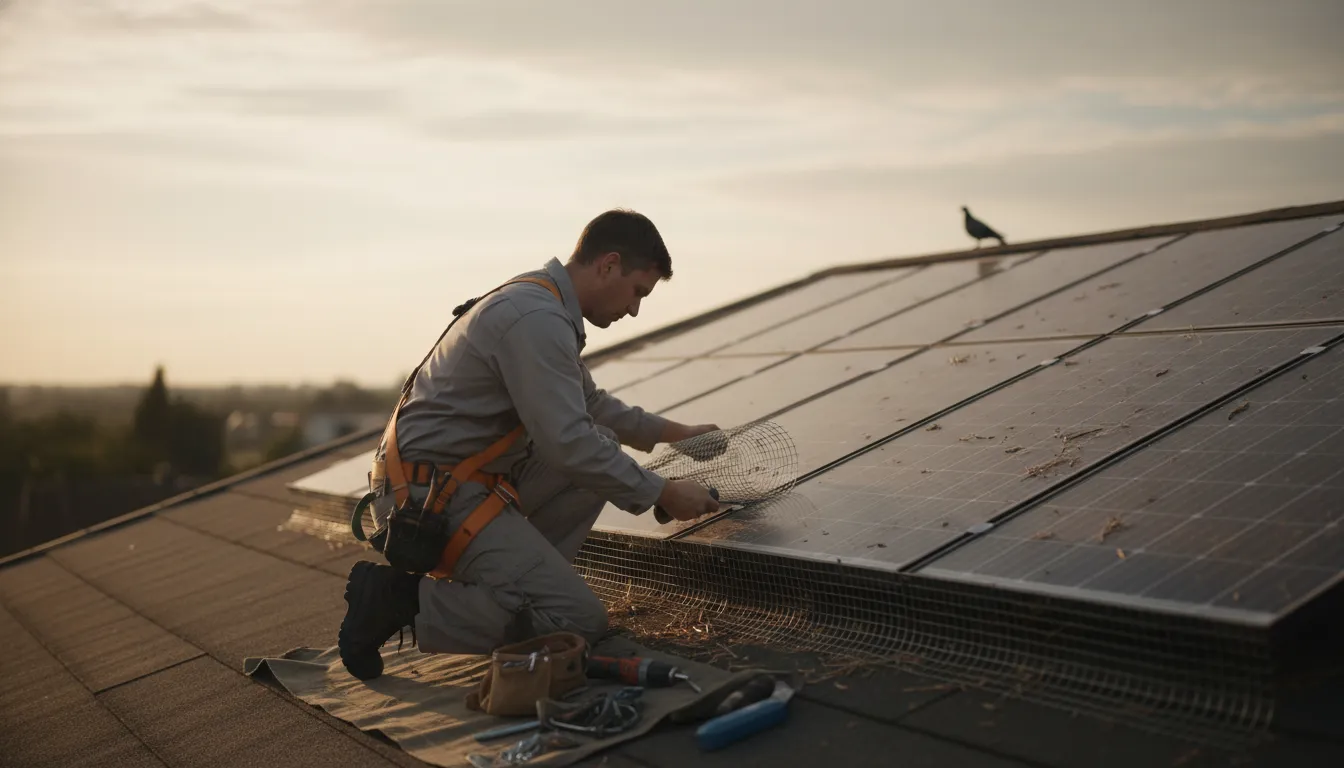
Find the Best Bird & Pigeon Control Companies for Your Business
No obligation • Fast responses • Nationwide coverage

Why you can trust Pest Crews
Pest Crews is a leading U.S. resource for finding and evaluating residential and commercial pest control services. Our team researches providers, reviews treatment approaches, and organizes unbiased information to help you make informed decisions. Companies cannot pay to change our editorial content or influence how they appear.
Search providers near you
Top Bird & Pigeon Control Companies in Suffolk, Virginia Ranked
Bird and pigeon control involves managing nuisance bird populations to protect property, health, and safety. In Suffolk, this is a critical service for both homeowners and business owners, as birds can cause significant structural damage, create hazardous conditions with their droppings, and spread disease. This guide explains the various bird deterrent and exclusion methods available locally, helping you understand your options for safeguarding your residential roof, commercial warehouse, or garden from unwanted avian guests.
Alpha Pest Solutions LLC
94 Kings Point Ave, Smithfield, VA 23430
Alpha Pest Solutions LLC is a family-owned pest control company serving Chesapeake, VA, and the broader Hampton Roads area. Established in 2010, they provide a range of services including pest, termite, and fungus control, as well as real estate inspections. Their service area extends across the VA Peninsula, Southside, and up to Richmond and Petersburg. Alpha Pest Solutions is licensed, insured, and bonded, offering personalized customer care with availability on weekends and evenings.
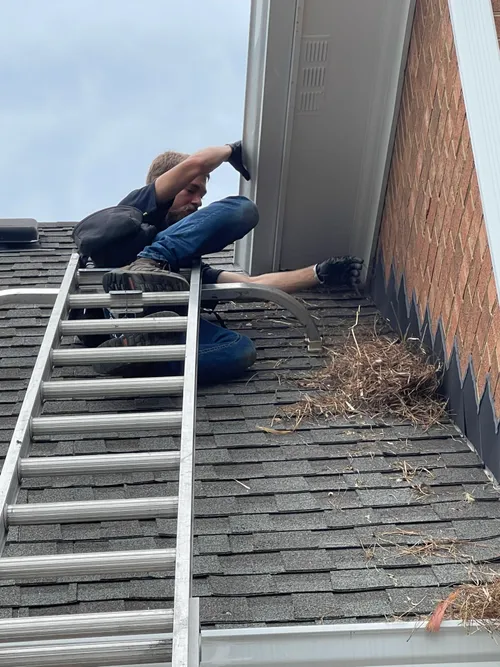
Two Guys Wildlife LLC
Virginia Beach, VA
Two Guys Wildlife LLC is a locally owned and operated wildlife removal company based in Virginia Beach, VA. They specialize in humane and environmentally conscious removal and control of nuisance animals such as squirrels, raccoons, rodents, birds, snakes, and stinging insects. Their services include inspection, removal, exclusion, and cleanup to prevent future infestations and restore affected areas. The company is licensed, insured, and offers a service guarantee to homeowners in the Richmond and Hampton Roads area.
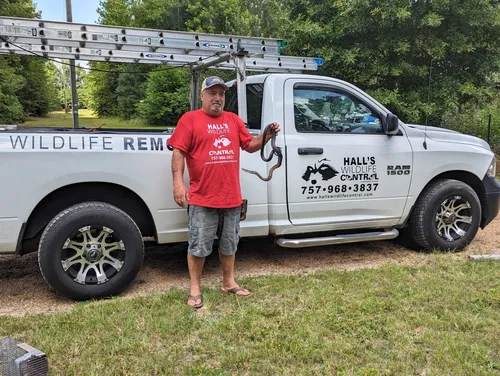
Hall's Wildlife Control LLC
7000 Gates Rd, Suffolk, VA 23437
Hall's Wildlife Control LLC is a state-certified wildlife control and animal removal company based in Chesapeake, VA. They specialize in humane removal, exclusion, and prevention of wildlife conflicts for both residential and commercial properties. Their services cover a wide range of animals including raccoons, squirrels, birds, bats, snakes, and rodents such as Norway rats and muskrats. The company provides thorough inspections to identify animals and entry points, along with guaranteed repairs for vents, crawl doors, insulation, and attic clean-ups. With 25 years of experience serving the Hampton Roads area, Hall's Wildlife Control LLC is licensed, insured, and certified to handle dead animal removal and cleanup as well.
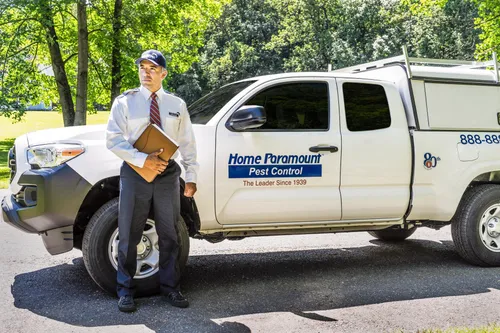
Home Paramount Pest Control
501 N Witchduck Rd, Virginia Beach, VA 23462
Home Paramount Pest Control is a full-service pest control company located in Virginia Beach, VA. They provide customized pest control solutions for residential and commercial properties, addressing issues such as bed bugs, cockroaches, ants, termites, mosquitoes, ticks, and bird control. Their services include termite inspections, fumigation, bait systems, and eco-friendly pest control options that emphasize chemical-free methods. Established in 1939, Home Paramount Pest Control has extensive experience and offers same-day and 24/7 emergency services to meet urgent pest control needs.
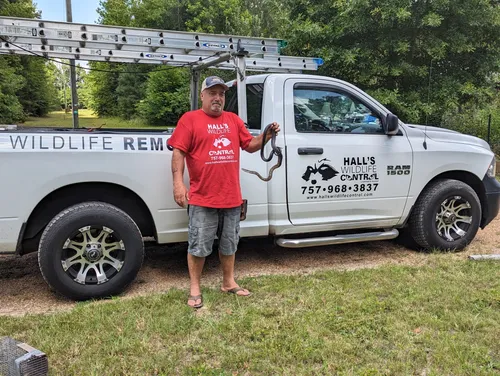
Hall's wildlife control LLC.
5005 Woolsey St, Norfolk, VA 23513
Hall's wildlife control LLC. is a state-certified wildlife control and animal removal company based in Norfolk, VA. They specialize in humane removal, exclusion, and prevention of wildlife conflicts for both residential and commercial properties. Their services cover a wide range of animals including raccoons, squirrels, birds, bats, snakes, and rodents such as rats and muskrats. The company also offers detailed inspections to identify animal entry points and provides guaranteed repairs for vents, crawl doors, insulation, and attic clean-ups. With 25 years of experience serving the Hampton Roads area, Hall's wildlife control LLC. is licensed, insured, and state certified. They also handle dead animal removal and cleanup, ensuring comprehensive wildlife management solutions.
Why Bird Control is Essential in Suffolk
Suffolk's mix of residential neighborhoods, historic buildings, and commercial facilities like warehouses and loading docks provides ideal roosting and nesting sites for birds such as pigeons, sparrows, and starlings. Without proper management, these birds can lead to costly problems. Their acidic droppings corrode roofing materials, metal structures, and masonry. Accumulated nesting materials in attics, eaves, and warehouse ceilings can block ventilation and pose a fire hazard 1. Furthermore, bird droppings can harbor pathogens harmful to humans, making cleanup a specialized, hazardous task. Effective bird management is not just about nuisance; it's about protecting your investment and health.
Common Problem Areas in Suffolk Homes and Businesses
Understanding where birds typically cause issues is the first step in developing a control plan. In Suffolk, problems are often location-specific.
Residential Hotspots:
- Roofs and Chimneys: Birds seek shelter under eaves and in chimney cavities.
- Balconies and Decks: Ledges and railings are perfect perches.
- Attics and Soffits: Small openings are exploited for nesting, especially by sparrows and starlings.
- Window Sills and AC Units: These provide flat, sheltered surfaces for roosting.
- Gardens and Fruit Trees: Some birds are attracted to berries and seeds, damaging plants.
Commercial & Industrial Targets:
- Warehouses: High ceilings, rafters, and open loading dock doors are major attractants, leading to contamination of stored goods.
- Flat Rooftops: Large, flat roofs on commercial buildings are favored by pigeons for loafing and nesting.
- Building Ledges and Signs: Architectural features provide ideal perching spots.
- Facility Infrastructure: Birds can nest in or on HVAC systems, lighting fixtures, and signage, causing operational issues.
A Guide to Bird Deterrent Methods and Exclusion
A successful bird management strategy often combines several methods tailored to the species, location, and severity of the problem. Here's a breakdown of the most common solutions used by Suffolk professionals.
Physical Barriers: The Most Permanent Solution
Physical barriers prevent birds from landing, roosting, or entering spaces altogether.
- Bird Spikes: These are strips with pointed rods installed on ledges, beams, signs, and rooftops. They are a highly effective pigeon control method, making surfaces uncomfortable and impossible to land on without harming the birds.
- Bird Netting: Used to block off large areas, netting is ideal for sealing openings under docks, protecting building facades, or excluding birds from attics and warehouse ceilings. It's a primary solution for commercial bird control in large spaces.
- Bird Wire (or Post-and-Wire): This system creates an unstable landing zone on narrow surfaces like parapet walls or ledges. It's nearly invisible from a distance, making it a discreet option for historic or aesthetic-sensitive buildings.
Sensory and Visual Deterrents
These methods aim to scare or irritate birds to encourage them to leave an area.
- Optical Gels and Caulks: Applied to ledges, these sticky substances create a sensation birds dislike on their feet. They can be effective but may require reapplication and can collect dirt and debris.
- Sonic and Ultrasonic Devices: These emit sounds or frequencies unpleasant to birds. Their effectiveness can vary, as birds may become habituated, and ultrasonic waves are directional and don't travel well in open, complex spaces 2.
- Visual Scares: This category includes reflective tape, spinning deterrents, and predator decoys like owls. They often provide only short-term relief, as birds quickly learn they are not a real threat 3.
- Taste/Smell Repellents: DIY sprays using ingredients like chili pepper, vinegar, garlic, or peppermint oil can offer a temporary, natural bird repellent for gardens or small areas. Their effectiveness is limited and weather-dependent.
Exclusion and Removal: Solving Active Infestations
When birds have already moved in, more direct action is needed.
- Sealing Entry Points: The cornerstone of any long-term solution. Professionals will identify and seal gaps, holes, and openings in eaves, vents, and roofing to prevent re-entry. This is a critical step after any removal.
- Trapping and One-Way Doors: For birds trapped inside a structure like an attic, humane trapping or the installation of one-way doors allows them to exit but not return. This must always be combined with exclusion sealing 4.
- Sanitization and Cleanup: After birds are excluded, professional cleanup of droppings and nesting material is crucial. This is a hazardous process that requires proper safety equipment due to the risk of airborne pathogens like histoplasmosis.
Find the perfect bird & pigeon control companies for your needs
Get personalized recommendations and expert advice
Understanding Costs for Bird Control in Suffolk
The cost of bird management in Suffolk varies dramatically based on the project's scale, methods required, and whether it's for a home or business. Professional services are typically priced based on the linear footage of ledges, the square footage of netting, or the complexity of the exclusion work.
- DIY/Residential Repellents: The cost is very low for homemade sprays or off-the-shelf visual deterrents, but these are often temporary fixes 5.
- Professional Barrier Installation: Installing bird spikes or wire systems can range from a few hundred to a few thousand dollars, depending on the linear footage and accessibility of the treatment area 6 7. Bird netting projects can start in the hundreds for a small residential area but can quickly climb to several thousand dollars for large commercial applications like covering a warehouse loading dock or atrium.
- Exclusion and Sanitization: This is often the most costly part of the process. A full attic cleanout, decontamination, and exclusion sealing for a residential home can easily start at over $1,000 and go much higher, reflecting the labor, hazard, and materials involved 8. For large commercial infestations, costs will be significantly greater.
Investing in a professional assessment is the best way to get an accurate estimate tailored to your specific bird problem in Suffolk.
Creating a Long-Term Bird Management Plan
Effective bird and pigeon control is rarely a one-time event. It requires an integrated approach and sometimes ongoing maintenance.
- Assessment: A professional will identify the bird species, the extent of the infestation, and all attractants (food, water, shelter).
- Habitat Modification: The first line of defense is making your property less attractive. Secure trash cans, clean up spilled grain or seed, and use bird feeders designed to deter larger pests.
- Installation of Primary Deterrents: Based on the assessment, install the most appropriate physical barriers (spikes, netting) on key roosting sites.
- Exclusion and Cleanup: Remove any birds humanely from inside structures, seal all entry points, and professionally sanitize affected areas.
- Monitoring and Maintenance: Periodically check deterrents for damage or debris buildup. Reapply sensory repellents as needed and ensure no new entry points have opened up.
By combining these steps, you can achieve a lasting solution that protects your Suffolk property from damage and health risks.
Frequently asked questions
Sources
Footnotes
-
Bird Control for Warehouses - https://www.birdbgone.com/bird-problem/warehouse-bird-control/ ↩
-
What is the proven best bird deterrent solution in 2025? - https://birdcontrolgroup.com/what-is-the-best-bird-deterrent/ ↩
-
How to Get Rid of Pigeons: Overview of All Available Solutions - https://www.ovocontrol.com/how-to-get-rid-of-pigeons ↩
-
Pigeon control: Removal & Information | Ehrlich Pest Control - https://www.jcehrlich.com/pest-insights/birds/species/pigeons ↩
-
How To Keep Birds Away From Your House - State Farm® - https://www.statefarm.com/simple-insights/residence/how-to-keep-birds-out-of-my-yard ↩
-
Bird Deterrents For Businesses - RK Environmental Services - https://www.rkenvironmental.com/blog/pest-management/bird-deterrents-for-businesses ↩
-
Best Bird Control Methods | Top Solutions for Your Needs - https://www.networksbirdnet.com/blogs/best-bird-control-methods.html ↩
-
Bird Control & Removal Virginia - Environmental Pest Control - https://www.environmentalpc.com/bird-removal/virginia ↩