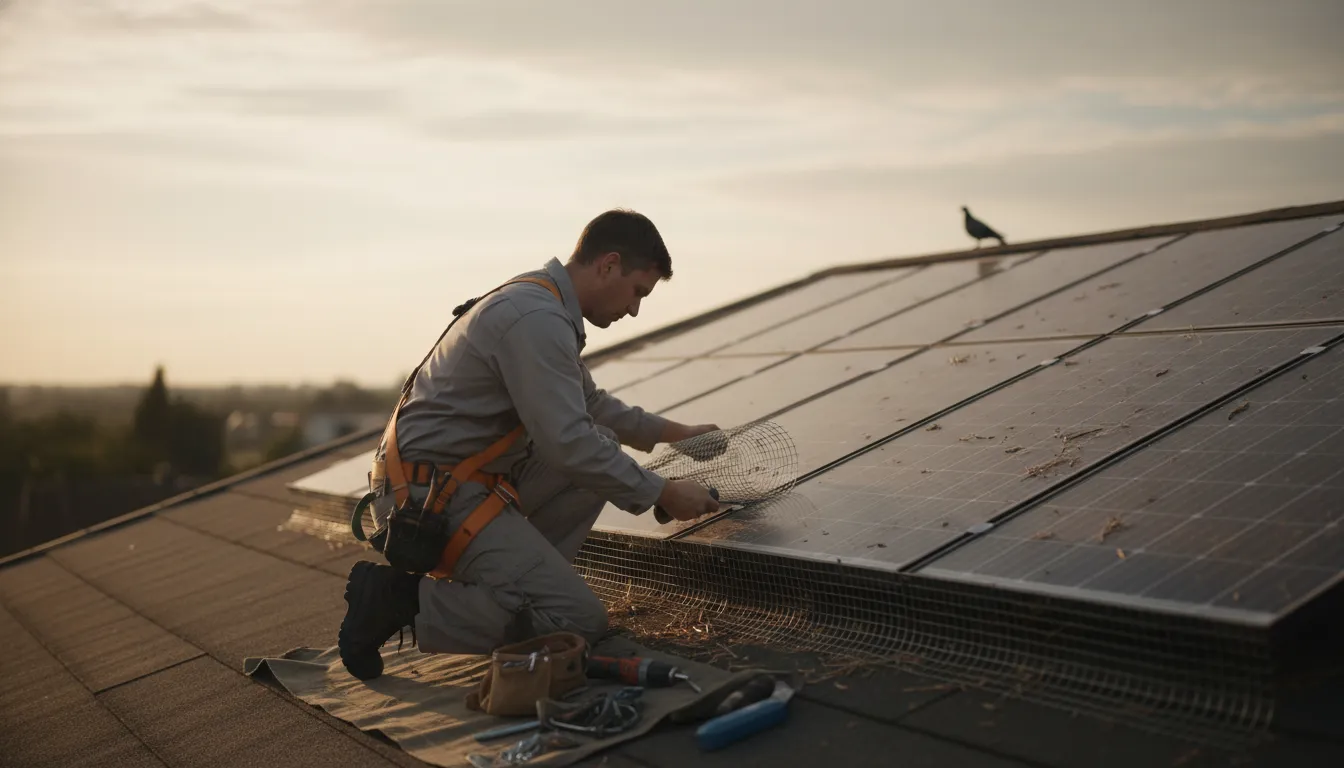
Find the Best Bird & Pigeon Control Companies for Your Business
No obligation • Fast responses • Nationwide coverage

Why you can trust Pest Crews
Pest Crews is a leading U.S. resource for finding and evaluating residential and commercial pest control services. Our team researches providers, reviews treatment approaches, and organizes unbiased information to help you make informed decisions. Companies cannot pay to change our editorial content or influence how they appear.
Search providers near you
Best Bird & Pigeon Control Companies in Washington Ranked
Bird and pigeon control in Washington involves managing nuisance birds, primarily non-native species like pigeons, starlings, and house sparrows, through humane and effective exclusion and deterrent methods. This service is essential for protecting property from damage, preventing health hazards from droppings, and maintaining a clean, safe environment for homes and businesses. This guide will help you understand the legal landscape, the most effective control strategies, and how to connect with local professionals who can assess your specific situation and implement a lasting solution.
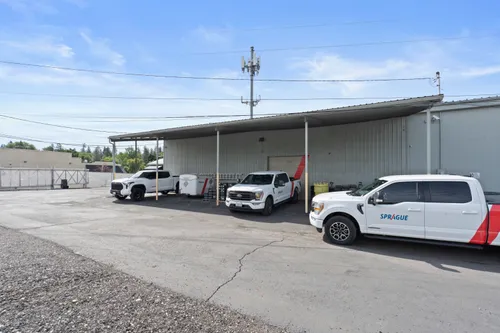
Sprague Pest Solutions
528 S Cannon St, Spokane, WA 99201
Sprague Pest Solutions provides comprehensive commercial pest control services in Spokane, WA. They offer tailored pest management programs that address rodents, insects, bed bugs, birds, mosquitoes, and termites using advanced, science-based methods. Their capabilities include bed bug K9 inspections, fumigation alternatives, and pheromone monitoring to ensure thorough pest prevention and control. Sprague Pest Solutions emphasizes green and organic solutions and supports clients with a 24/7 online portal for alerts and billing. The company is recognized as a leader in commercial pest control in the Spokane area.
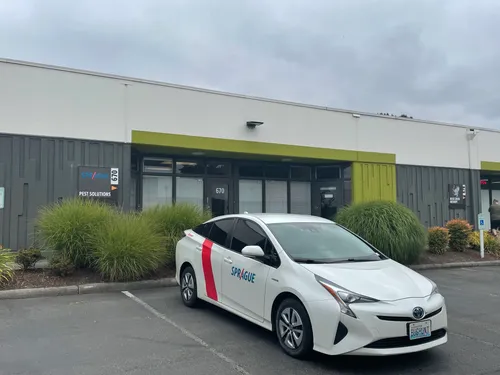
Sprague Pest Solutions
Tacoma, WA
Sprague Pest Solutions is a pest control company based in Tacoma, WA, offering comprehensive pest management services for commercial clients. They provide tailored programs that address pests at every stage of their life cycle, both inside and outside business premises. Their services include rodent control, insect prevention, bed bug inspections using K9 units, bird exclusion, mosquito abatement, termite baiting, and fumigation alternatives. Sprague Pest Solutions uses advanced, science-based, and environmentally conscious methods, including LEED-certified green and organic solutions. The company has over 10 years of experience and offers a 24/7 client web portal for easy communication and monitoring.
Issaquah Pest Control
1315 NW Mall St Suite 4, Issaquah, WA 98027
Issaquah Pest Control is a family-owned and operated pest control company serving Seattle, WA. They offer a wide range of services including bed bug treatment, rodent control, termite inspections, mosquito control, and wildlife removal. The company is certified and licensed, using safe and quality products to address pest problems efficiently. With over 8 years of experience, Issaquah Pest Control specializes in comprehensive pest management solutions such as ant and wasp control, as well as crawlspace insulation to improve home energy efficiency. They emphasize kindness and professionalism in their approach and provide thorough communication throughout the service process.
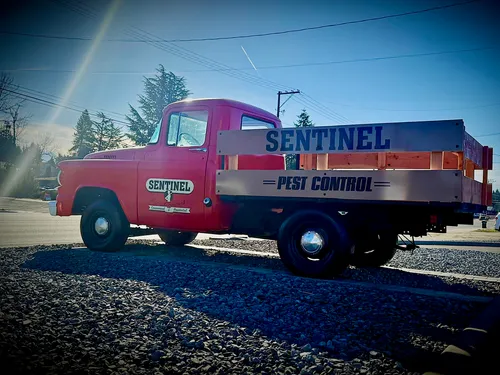
Sentinel Pest Control
8412 Canyon Rd E, Puyallup, WA 98371
Sentinel Pest Control provides comprehensive pest management services in Tacoma, WA. They handle a wide range of pests including ants, rodents, termites, bed bugs, stinging insects, and birds, offering tailored service packages for both residential and commercial clients. Their capabilities include specialized treatments such as a proprietary hybrid thermal and chemical method for bed bug control and extensive rodent-proofing using exclusion techniques. Sentinel Pest Control serves Tacoma and the broader Western Washington area, aiming to address pest issues promptly with same-day service options available for urgent needs.
Orkin
111 N Vista Rd #6, Spokane Valley, WA 99212
Orkin provides residential and commercial pest control services in Spokane, WA. They handle a wide range of pests including bed bugs, cockroaches, ants, rodents, termites, mosquitoes, bees, wasps, birds, and wildlife. Orkin offers customized pest plans and uses treatments such as liquid termite barriers, Sentricon® bait, and dry foam void filler to address infestations. With over 120 years of experience, Orkin supports year-round pest management and offers 24/7 availability for pest control needs in Spokane.
Understanding Bird Control Laws in Washington
Before taking any action, it's crucial to understand the legal framework. Most native birds in the United States are protected under the federal Migratory Bird Treaty Act, making it illegal to harm or disturb them, their nests, or their eggs without a permit 1. However, three common nuisance species-rock pigeons (or domestic pigeons), European starlings, and house sparrows-are non-native and are not federally protected.
In Washington, the Washington Department of Fish and Wildlife (WDFW) has authority over all wild animals, including these non-native birds. While you can generally manage pigeons on your property using non-lethal means, it's always wise to check WDFW guidance for any specific rules regarding live trapping or relocation to ensure full compliance. For any native bird species causing issues, you must contact WDFW or a licensed wildlife control professional.
Common Problems Caused by Pigeons and Birds
Uncontrolled bird populations can lead to significant issues:
- Property Damage: Acidic droppings corrode building materials, metal, and paint. Nesting materials can clog gutters, drains, and ventilation systems, leading to water damage and fire hazards.
- Health Risks: Bird droppings can harbor fungi and bacteria, such as Histoplasma capsulatum, which causes respiratory illness when spores are inhaled from accumulated, dry droppings 2.
- Safety Hazards: Slippery droppings on walkways, stairs, and fire escapes create fall risks. Nesting in electrical equipment or machinery can cause shorts and fires.
- Aesthetic and Nuisance Issues: Accumulated droppings and feathers are unsightly, create unpleasant odors, and can attract other pests like insects and mites.
Effective Bird & Pigeon Control Methods
The most successful bird management strategies are integrated, focusing on making an area unattractive and inaccessible. Here are the primary methods used by professionals in Washington.
1. Exclusion (Physical Barriers)
Exclusion is the gold standard for long-term bird control, as it physically prevents birds from accessing favored roosting or nesting sites.
- Bird Netting: Heavy-duty polyethylene or polypropylene netting is installed to block access to large areas like building eaves, rafters, loading docks, and courtyards 3 4. Properly installed netting is nearly 100% effective and is a common solution for commercial properties.
- Bird Spikes: Stainless steel or plastic spikes are installed on ledges, window sills, signs, and beams to prevent birds from landing 5. They are a low-profile deterrent that does not harm birds.
- Bird Wire and Coil Systems: Tensioned wire or spring-tempered coil systems create an unstable landing surface on ledges. They are less visible than spikes and effective for a variety of bird sizes.
- Architectural Modifications: Sealing gaps, holes, and entry points with appropriate materials (like hardware cloth or sealant) prevents birds from entering attics, vents, and other interior spaces to nest.
2. Deterrents (Making the Area Uninviting)
Deterrents discourage birds through discomfort, fear, or sensory disruption.
- Electric Track Systems: Products like Bird-Shock Flex-Track deliver a mild, harmless shock when a bird lands on it, conditioning them to avoid the area. These are highly effective on parapet walls and ledges.
- Visual Deterrents: This category includes reflective tape, predator decoys (owls, hawks), and laser devices. While sometimes useful for small areas or new problems, birds can habituate to static visual scares over time.
- Auditory Deterrents: Ultrasonic devices or recorded distress calls can be used, but their effectiveness is often limited to specific, controlled environments and may not be suitable for residential areas due to noise concerns.
3. Habitat Modification
This is a critical, often overlooked, first step. By removing what attracts birds, you make your property less appealing.
- Eliminate Food Sources: Secure trash cans, clean up outdoor eating areas, and discourage the feeding of birds by people 6 7.
- Remove Nesting Materials: Regularly clean out potential nesting sites before birds can establish themselves.
- Manage Water: Fix leaky faucets and eliminate standing water that birds may use for drinking.
Find the perfect bird & pigeon control companies for your needs
Get personalized recommendations and expert advice
The Role of Professional Bird Control Services
While some deterrents can be purchased for DIY use, professional installation is often recommended for lasting, effective, and safe results. Professionals bring expertise in species behavior, product selection, and proper installation techniques that withstand Washington's weather.
What a Professional Service Provides:
- Inspection and Assessment: A technician will identify the bird species, the extent of the problem, and all access points.
- Customized Plan: They will recommend a combination of methods tailored to your specific building architecture and the bird behavior observed.
- Safe Installation: Installing netting on high ledges or electric tracks on parapet walls requires proper safety equipment and training.
- Compliance Knowledge: Reputable professionals understand state and federal regulations regarding bird control.
Cost Considerations for Bird Control in Washington
The cost of bird and pigeon control varies widely based on the scope and methods required. It is typically project-based, factoring in labor, materials, and site complexity.
- Labor Costs: Professional services often charge hourly rates, which can range from $50 to $100 or more per hour, depending on the company and the technical expertise required.
- Material Costs: Products themselves have a range:
- Bird spikes: $20-$40+ per linear foot (installed) 8.
- Bird netting: $180+ for materials alone, with installation adding significantly to the cost 9.
- Electric track systems: Can be $400+ for materials for a small area 10.
- Key Cost Factors:
- Building Height & Accessibility: Work on multi-story buildings may require scaffolding, lifts, or specialized safety gear, dramatically increasing the project cost.
- Size of Area: The square footage needing coverage directly impacts material and labor costs.
- Complexity of Solution: A simple ledge with spikes costs far less than a full building envelope netting project.
For an accurate estimate, it's best to get assessments from several local providers who can inspect your property in person.
Maintaining a Bird-Free Property
After a control system is installed, some maintenance is required:
- Regular Inspections: Check barriers and deterrents seasonally for damage from weather or tampering.
- Cleanliness: Continue to manage food sources and clean areas to prevent re-attraction.
- Monitor Effectiveness: Watch for new bird activity, which may indicate a new access point that needs to be addressed.
Frequently asked questions
Sources
Footnotes
-
Environmental guidance - Birds | WSDOT - | WA.gov - https://wsdot.wa.gov/engineering-standards/environmental-guidance/birds ↩
-
Nuisance Birds - Washington State University - https://wpcdn.web.wsu.edu/wp-puyallup/uploads/sites/415/2014/12/PNW_PPNuisanceBirds_Winter2014.pdf ↩
-
Washington Bird Control Company - Aviaway - https://www.aviaway.com/washington-bird-control ↩
-
Methods Of Bird Control: Advantages And Disadvantages - GSA - https://www.gsa.gov/real-estate/historic-preservation/historic-preservation-policy-tools/preservation-tools-resources/technical-procedures/methods-of-bird-control-advantages-and-disadvantages ↩
-
Pigeon Control - Bird Barrier - https://birdbarrier.com/pigeon-control/ ↩
-
Living with Wildlife - Domestic Pigeons (Rock Doves) - https://wdfw.wa.gov/publications/00628 ↩
-
Nonlethal Bird Deterrent Strategies - OSU Extension Service - https://extension.oregonstate.edu/sites/extd8/files/documents/em9286.pdf ↩
-
The Cost of Bird Control: What to Expect When Hiring a Pro - https://www.elitebirdmanagement.com/the-cost-of-bird-control-what-to-expect-when-hiring-a-pro/ ↩
-
Pigeon Deterrent Installation - Pigeonpros.com - https://pigeonpros.com/pigeon-deterrent-installation/ ↩
-
Washington Bird Control | Bird B Gone - Authorized Installers - https://www.birdbgone.com/state/washington-bird-control/ ↩