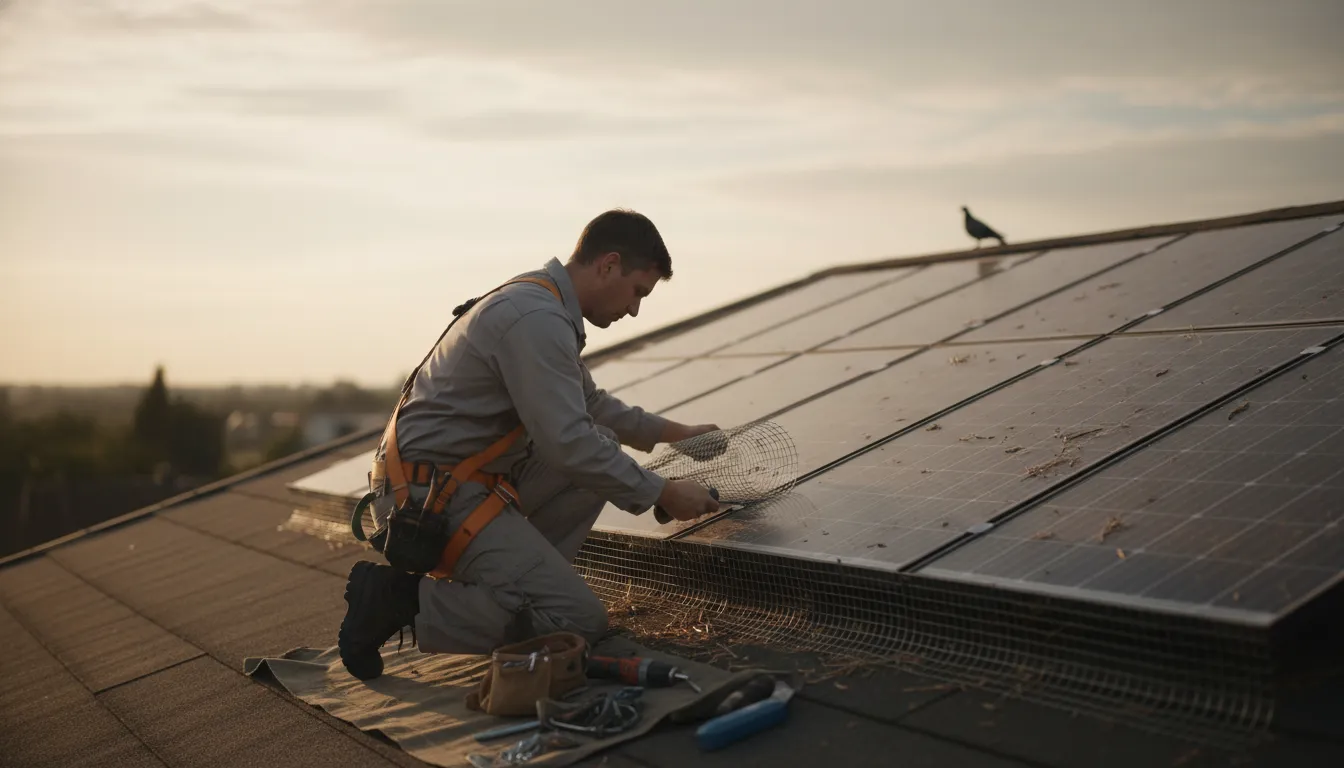
Find the Best Bird & Pigeon Control Companies for Your Business
No obligation • Fast responses • Nationwide coverage

Why you can trust Pest Crews
Pest Crews is a leading U.S. resource for finding and evaluating residential and commercial pest control services. Our team researches providers, reviews treatment approaches, and organizes unbiased information to help you make informed decisions. Companies cannot pay to change our editorial content or influence how they appear.
Search providers near you
Best Bird & Pigeon Control Companies in Wisconsin Ranked
Bird and pigeon problems are more than just a nuisance; they can cause significant property damage and health risks. From corrosive droppings that damage roofs and siding to nests that block vents and create fire hazards, pest birds require effective management. This guide provides clear, practical information on identifying your bird problem, understanding legal protections, choosing the right humane deterrents, and finding local Wisconsin specialists for safe and lasting solutions.
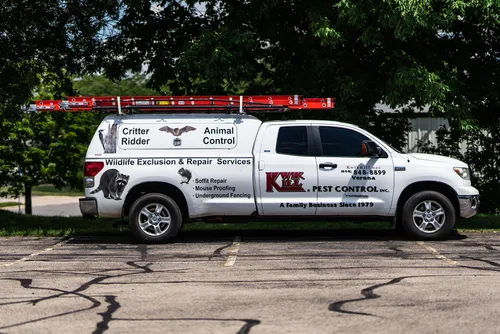
Critter Ridder Wildlife Solutions
4605 Helgesen Dr, Madison, WI 53718
Critter Ridder Wildlife Solutions in Madison, WI specializes in nuisance wildlife removal and exclusion services. They handle a variety of pests including bats, birds, squirrels, raccoons, and rodents. Their process includes inspection, identification, exclusion, repairs, and remediation such as insulation replacement and sanitization to prevent re-entry and address related issues. Critter Ridder is part of Kwik Kill Pest Control Inc. and offers comprehensive wildlife control solutions from start to finish.
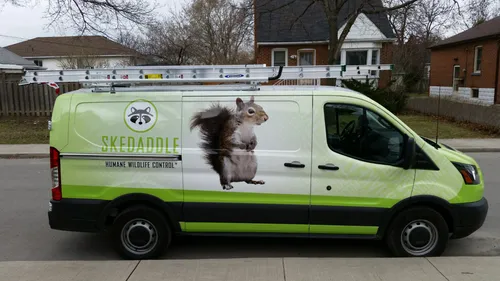
Skedaddle Humane Wildlife Control
Milwaukee, WI
Skedaddle Humane Wildlife Control provides humane wildlife removal and exclusion services in Milwaukee, WI. They address urban wildlife challenges involving raccoons, squirrels, skunks, bats, rodents, and birds, using ethical methods that safely relocate animals to natural habitats. Their expertise includes thorough property assessments to identify entry points and prevent future intrusions, ensuring long-term solutions tailored to local wildlife behavior. Skedaddle emphasizes environmentally conscious practices that support the local ecosystem while maintaining the safety and integrity of homes and businesses. They also serve surrounding Wisconsin communities such as Lake County, Madison, and Waukesha.
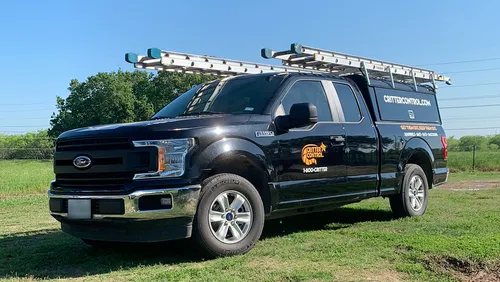
Critter Control Madison
Madison, WI
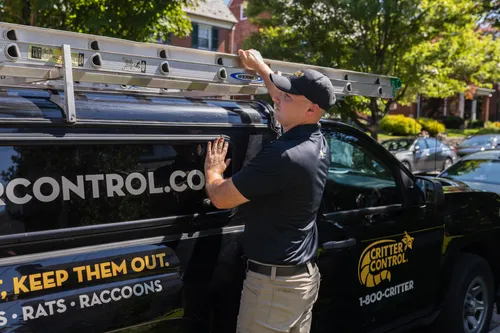
Critter Control Madison provides wildlife removal and pest control services in Madison, WI. They handle a variety of nuisance animals including raccoons, rodents, squirrels, birds, and bats using humane removal methods. Their process includes inspection, removal, exclusion, and repair to ensure long-term solutions and restoration of damaged property. The company also offers specialized treatments for parasites and sanitation after animal removal. Critter Control Madison emphasizes safe, humane practices and has many years of experience in wildlife control. They are available around the clock to assist with wildlife issues.
Critter Control Milwaukee
Milwaukee, WI
Critter Control Milwaukee provides wildlife removal and pest control services in Milwaukee, WI. They handle a variety of nuisance animals including raccoons, rodents, squirrels, bats, opossums, skunks, and birds. Their process includes inspection, humane trapping and removal, exclusion to prevent re-entry, and repair of any damage caused by wildlife. The company offers specialized services such as bat exclusion with bat valves and rodent control with sealing of entry points. They serve both residential and commercial properties, addressing issues from attics to crawl spaces and outdoor areas.
AAAC Wildlife Removal of Madison, WI
Madison, WI
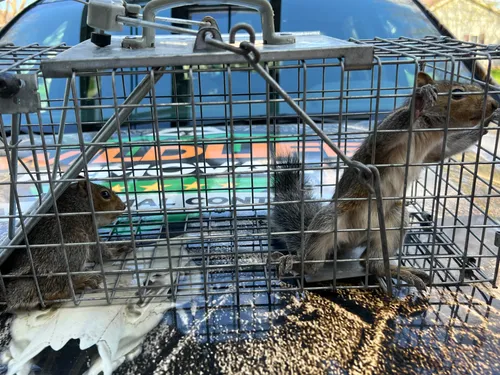
AAAC Wildlife Removal of Madison, WI specializes in humane wildlife removal and pest control services in Madison, Wisconsin. They handle a variety of animals including raccoons, rats, bats, squirrels, snakes, and birds, focusing on safe extraction and thorough damage repair. Their services include attic cleanup, insulation replacement, and permanent pest control solutions such as bat colony exclusion and bird control. The company also conducts detailed inspections to identify entry points and biohazards, providing professional repairs to prevent re-entry. With over 15 years of experience, AAAC Wildlife Removal combines skilled trapping techniques with home repair expertise to address wildlife issues effectively. They follow state laws and prioritize humane methods in all their work, ensuring both animal welfare and property protection.
Understanding Your Bird Problem in Wisconsin
The first step in effective bird control is accurate identification. Not all birds are created equal in the eyes of the law or in terms of the threat they pose. In Wisconsin, the most common pest birds are non-native species that thrive in urban and agricultural settings.
The primary culprits are pigeons (rock doves), European starlings, and house sparrows. These birds are considered pests because they form large flocks, reproduce quickly, and adapt readily to human structures. They commonly roost on building ledges, in barn rafters, under bridges, and in attic vents. Beyond the mess, their droppings are acidic and can accelerate the deterioration of building materials, while nests can clog gutters and create moisture problems.
It's crucial to distinguish these pests from native, protected species. Many birds you see in Wisconsin, such as robins, swallows, and woodpeckers, are protected under federal law. Effective control starts with knowing which birds you're dealing with to ensure your methods are both legal and appropriate.
Legal Considerations: Protected vs. Unprotected Birds
Before taking any action, you must understand the legal framework. In the United States, bird management is primarily governed by the Migratory Bird Treaty Act (MBTA).
- Unprotected Species: Pigeons, starlings, and house sparrows are non-native and are not protected under the MBTA. This means property owners can legally manage these species using a variety of humane deterrent and exclusion methods without a federal permit.
- Protected Species: All native migratory birds are protected by the MBTA. This includes almost every other bird species in Wisconsin. It is illegal to harm, kill, or possess these birds, their eggs, or their active nests without specific permits from the U.S. Fish and Wildlife Service 1 2. This legal distinction is why proper identification and consultation with a professional are so important.
Always assume a bird is protected until you can confirm it is a pigeon, starling, or house sparrow. When in doubt, contact a licensed wildlife or pest control professional in Wisconsin for an assessment.
Effective Bird Deterrents and Exclusion Methods
The goal of modern bird control is to deter and exclude, not to harm. A combination of physical barriers and sensory deterrents is often the most effective long-term strategy. Here are the most common and reliable solutions used by Wisconsin professionals.
Physical Barriers (Exclusion)
These methods physically prevent birds from landing, roosting, or nesting in specific areas.
- Bird Spikes: These are rows of upright, blunt spikes made from stainless steel or durable plastic. Installed on ledges, signs, roof peaks, and beams, they create an uncomfortable landing surface without injuring the birds. They are a highly effective and low-profile solution for linear surfaces.
- Bird Netting: Heavy-duty, UV-stabilized polyethylene netting creates a physical barrier over large open areas. It's ideal for protecting courtyards, loading docks, warehouse ceilings, fruit crops, and the underside of bridges. Properly installed netting is nearly invisible and provides complete exclusion.
- Bird Wire Systems: This system uses posts and tensioned stainless-steel wires to create an unstable, "tightrope" effect on ledges and beams. Birds cannot land comfortably. It's a low-visibility option well-suited for architectural features where aesthetics are a concern.
- Exclusion Sealing: This involves identifying and sealing entry points where birds are getting inside structures, such as gaps in soffits, broken vent covers, or openings in barn eaves. Using hardware cloth, vent covers, or sealants prevents birds from entering to nest in attics or warehouses.
Sensory and Tactile Deterrents
These methods use sight, sound, or touch to make an area unattractive to birds.
- Tactile Gels: Non-toxic, sticky gels can be applied to ledges and rails. Birds dislike the feeling on their feet and will avoid landing. These require periodic reapplication and maintenance.
- Visual Scares & Repellents: This category includes reflective tape, predator decoys (like owls or hawks), and laser devices. UV-reflective repellents are a newer technology; they appear as a "fire" or barrier to birds but are nearly invisible to humans 3. These methods can be effective but often require rotation, as birds may become habituated to static deterrents.
- Audio Deterrents: These systems broadcast distress calls or predator sounds to scare birds away. They are most effective in large, open areas like farms or airports but may be less suitable for dense residential areas due to noise concerns.
Find the perfect bird & pigeon control companies for your needs
Get personalized recommendations and expert advice
What to Expect: Costs of Bird Control in Wisconsin
The cost of bird control services varies widely based on the scope of the problem, the methods required, and the property's accessibility. Understanding these factors can help you budget effectively and evaluate quotes from professionals.
- National Average: The typical cost for professional bird control services is around $500, but projects can range from as little as $100 for a small, simple installation to $2,000 or more for large-scale commercial exclusion 4 5 6.
- Key Cost Factors:
- Method Chosen: Installing a few strips of spikes is less expensive than covering an entire warehouse ceiling with custom-fitted netting.
- Size of Area: Larger areas require more materials and labor.
- Accessibility: Difficult-to-reach areas (high roofs, tall silos) may require special equipment like lifts or scaffolding, increasing the cost.
- Severity of Infestation: A site with heavy soiling from droppings may require clean-up and sanitization services before deterrents can be installed, adding to the total project cost.
- DIY vs. Professional: For a small residential problem, such as pigeons on a window air conditioner or a balcony ledge, a DIY approach with store-bought spikes or netting may be feasible. However, for larger infestations, complex structures, or to ensure compliance with laws and building codes, hiring a Wisconsin bird control specialist is strongly recommended. Professionals guarantee correct installation for long-term effectiveness and can handle the nuances of protected species laws.
Finding the Right Professional Service in Wisconsin
Choosing a qualified provider is essential for a safe, legal, and durable solution. Here is a practical guide to finding and vetting local experts.
- Confirm Identification: A reputable professional will first accurately identify the bird species causing the problem to ensure all planned actions are legal.
- Conduct a Thorough Inspection: They should perform a detailed site assessment to identify all roosting, nesting, and entry points, as well as the extent of any existing damage.
- Provide a Clear Plan: The provider should present a customized control plan that explains the recommended deterrents (e.g., "netting for the canopy, spikes on the ledges"), why they are suited to your situation, and how they will be installed.
- Offer a Detailed Quote: Get a written estimate that breaks down costs for materials, labor, and any additional services like clean-up or follow-up visits. Be wary of vague or unusually low quotes.
- Check Credentials: Look for companies with specific experience in bird control and exclusion. They should be licensed, insured, and able to provide references for similar jobs in Wisconsin. Membership in state or national pest management associations is a good sign of professionalism.
- Ask About Guarantees: Inquire about service warranties or guarantees on both the materials and the labor.
Taking these steps will help you partner with a specialist who can resolve your bird issue effectively and prevent it from recurring.
Health and Safety Risks of Pest Birds
Addressing a bird infestation is also a matter of health and safety. Bird droppings, feathers, and nesting materials can harbor a variety of pathogens and parasites.
- Disease Risk: Pigeon and starling droppings can contain fungi like Histoplasma, which causes respiratory illness when spores are inhaled from disturbed, accumulated droppings. Their nests can also host mites, ticks, and other ectoparasites that may find their way into living spaces 7.
- Property Damage: The uric acid in bird droppings is highly corrosive. It can etch metal, stain and degrade stone and masonry, and ruin paint. Accumulated droppings and nests in gutters cause water damage, and nests in electrical fixtures or vents pose a serious fire hazard 8.
- Slip Hazards: Droppings on walkways, stairs, and loading docks create slick, dangerous surfaces.
Professional control includes not only exclusion but often a recommended cleaning and sanitization protocol to mitigate these risks safely, using proper protective equipment and disinfectants.
Frequently asked questions
Sources
Footnotes
-
BIRD DAMAGE MANAGEMENT IN WISCONSIN - https://www.aphis.usda.gov/sites/default/files/wi-2015-bdm-ea.pdf ↩
-
Migratory Bird Treaty Act Compliance Guidance - https://wisconsindot.gov/Documents/doing-bus/eng-consultants/cnslt-rsrces/environment/mbtaguidance.pdf ↩
-
How to Get Rid of Pigeons | Pigeon Control Guide | PMPest Blog - https://pmpest.co.uk/how-to-get-rid-of-pigeons/ ↩
-
Best Bird Control in Wisconsin: Safe and Effective - Aviaway - https://www.aviaway.com/single-post/best-bird-control-in-wisconsin-how-aviaway-keeps-birds-and-people-safe ↩
-
How much does Bird control services cost? - Yelp - https://www.yelp.com/costs/bird_control_services ↩
-
The Cost of Bird Control: What to Expect When Hiring a Pro - https://www.elitebirdmanagement.com/the-cost-of-bird-control-what-to-expect-when-hiring-a-pro/ ↩
-
5 Steps To Successfully Shield Your Home From Pigeon Intrusions - https://www.greenmachinepest.com/bird-proofing-shield-home-pigeon-intrusions/ ↩
-
Commercial Bird Control Services for Wisconsin Businesses - https://www.batzner.com/commercial/bird-control/ ↩