
Preparing your home for professional bed bug treatment
Professional bed bug treatment works best when your home is prepared the right way. Good prep helps the exterminator reach hiding spots, keeps bugs from spreading, and can reduce the number of follow-up visits you need.
Step 1: Know your treatment type and follow your company's instructions
Before you start bagging and washing, confirm with your bed bug exterminator what kind of treatment they're doing:
- Heat treatment (whole rooms heated to a lethal temperature for bed bugs).
- Chemical treatment (residual insecticides applied to cracks, crevices, furniture, and sometimes baseboards).
- Combination treatment (heat + chemicals + vacuuming/steam).
Ask them for their written prep list. Many companies tailor instructions to your home's layout and level of clutter, and some steps are different for heat vs. chemical. When in doubt, the company's checklist should override anything you read online-as long as it doesn't conflict with common-sense safety (like not blocking exits or covering smoke detectors).
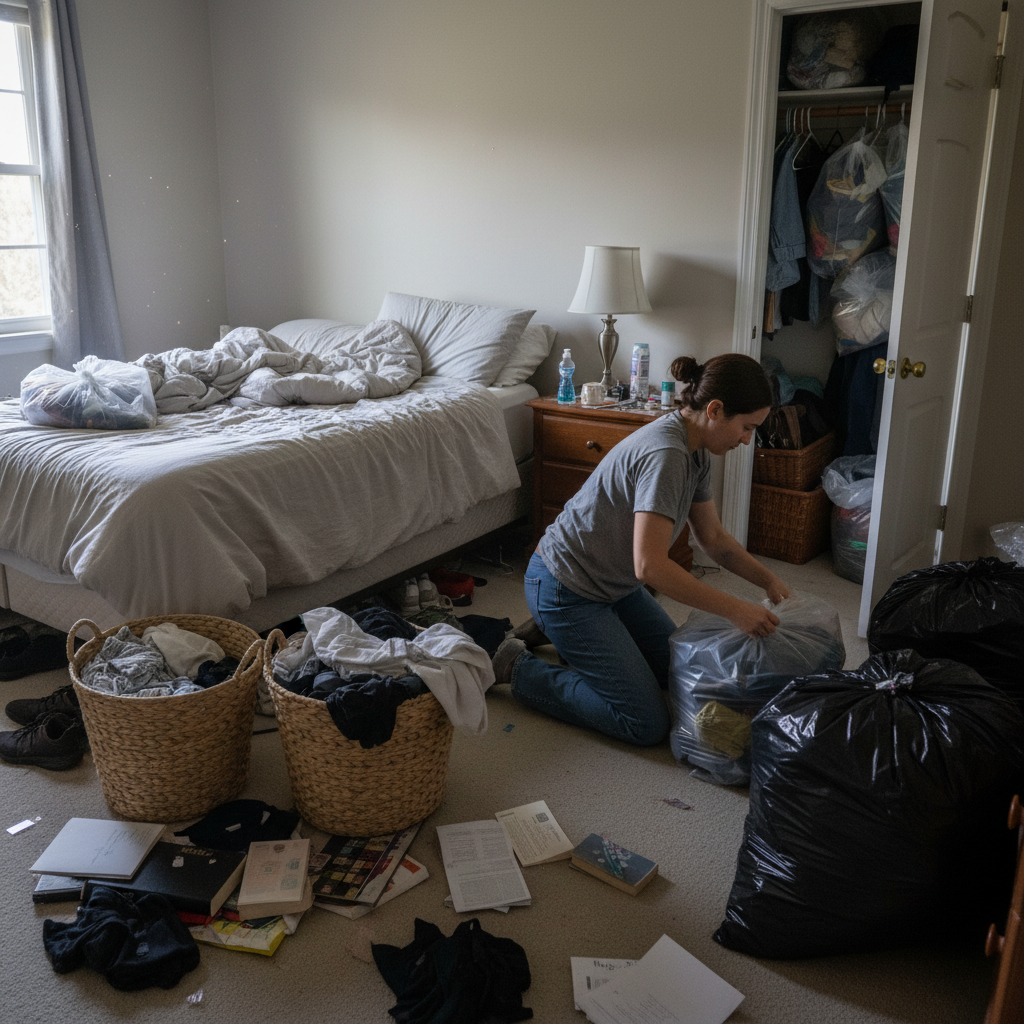
Step 2: Declutter without spreading bed bugs
Clutter gives bed bugs more places to hide and makes treatment slower and less effective. The goal is to organize and contain, not to throw everything away.
Do this:
- Remove items from under beds and furniture. Box springs, bed frames, and couches are high-priority areas for treatment, so technicians must reach underneath.
- Sort clutter into three groups:
- Washable fabrics (clothes, linens, soft toys).
- Non-washable but treatable items (books, shoes, bags).
- True trash (unwanted paper piles, broken items).
- Bag as you go. Place items directly into heavy-duty plastic bags or sealable totes before moving them to another room.
Avoid these mistakes:
- Don't carry loose items from a heavily infested room through the home; you'll just spread bugs.
- Don't move furniture to new rooms unless your exterminator specifically asks you to. Bed bugs can hitchhike and infest "clean" rooms.
Bottom line: reduce clutter, but keep items contained.
Step 3: Laundry and bagging checklist
Laundry is one of the most important prep steps, because heat from the washer and dryer can kill all life stages of bed bugs when done correctly.1
What to wash
Focus on fabrics that are close to where people sleep or rest:
- Bed sheets, pillowcases, mattress protectors.
- Blankets, comforters, and duvet covers (check care labels).
- Recently worn clothing and pajamas.
- Curtains near beds or seating areas.
- Stuffed animals and soft toys that are regularly used.
How to wash and dry
- Bag items in the infested room. Seal bags before leaving the room.
- Empty directly into the washer or dryer. Put the empty bags into a clean trash bag to take outside immediately.
- Use the warmest water and dryer settings your fabrics safely allow.
- Dry on high heat for at least 30 minutes once items are dry-to-the-touch. Many experts recommend 30-60 minutes at high heat to ensure all bed bug stages are killed, depending on load size and dryer model.1
Once dry, place items in new, clean bags or bins and seal them until after treatment or until your exterminator tells you to start using them again.
Step 4: Prepare beds, furniture, and key rooms
Your bedroom and any sleeping areas (including sofas where people nap) are priority zones. The technician needs clear access to all potential hiding places.
Beds
- Strip all bedding and launder as above.
- If you already have mattress or box spring encasements, leave them on unless your exterminator says otherwise.
- Pull beds 6-12 inches away from the wall if possible, so they can treat the headboard and baseboards behind it.
- Remove and bag items stored in or attached to the bed (storage drawers, bed skirts, under-bed bins).
Furniture and rooms
- Empty nightstands and dressers only if instructed. Many companies want drawers opened but not fully emptied, to avoid spreading bugs-follow their guidance.
- Move small furniture (nightstands, chairs, small tables) a few inches from walls for better access.
- Clear floors so technicians can move freely around beds, couches, and along baseboards.
- In living rooms, tidy up around sofas and recliners, and remove loose blankets or throw pillows for washing if possible.
Step 5: Make your home accessible and safe for the technician
Pest control professionals need to move through your home quickly with equipment, chemicals, or heat ducts, depending on the treatment type.
- Unlock gates and doors they'll need to access.
- Secure pets outside the home or at a friend's/boarding facility for the duration your company recommends.
- Unplug or move fragile electronics only if your company advises it (this matters more with heat treatment).
- Clear paths from the main entrance to bedrooms, living areas, and closets.
If you're in a multi-unit building, ask your company or property manager what building-level steps are being taken so you don't unintentionally work against them.
Step 6: What NOT to move or change before treatment
Some well-meant "prep" can actually make bed bug control harder.
Generally do NOT:
- Throw away major furniture (mattresses, couches) unless a professional tells you they're beyond saving. Many items can be treated, and dragging them through hallways can spread bugs.
- Apply over-the-counter sprays or bug bombs. "Foggers" are widely considered ineffective against bed bugs and may drive them deeper into walls or furniture, potentially making professional treatment harder.2
- Patch or seal cracks in walls, floors, or bed frames right before treatment-technicians may need those cracks exposed to treat hiding spots.
- Move infested items into storage units or vehicles; you'll just relocate the problem.
If you've already used DIY products, tell your exterminator which ones and where, so they can plan a safe and effective approach.
Step 7: Day-of-treatment checklist
A few final steps the morning of your appointment will help everything run smoothly.
- Finish any last laundry and keep clean items sealed.
- Open closets and interior doors so technicians can move room to room quickly (unless your company says otherwise).
- Tidy counters and tabletops so they can inspect and treat seams, edges, and nearby areas.
- Remove wall items near beds and sofas if your company recommends it (picture frames, mirrors), especially if they've found bugs there.
- Plan to be out of the home for as long as your provider requires-commonly several hours for chemical treatments and longer for heat. This is both for safety and to give products time to work.3
Have a quick walkthrough with the technician before they start so you can point out:
- Where you've seen bites or bugs.
- Where you sleep, sit, or store luggage.
- Any rooms you're particularly concerned about.
Aftercare: What happens after treatment
Your prep doesn't end when the technician leaves.
- Follow re-entry instructions carefully (when it's safe to come back inside, when to put items back, and when to resume vacuuming or mopping treated areas). These rules help insecticides work as intended.3
- Expect to see some activity for a short period after treatment-bed bugs may emerge from hiding as they encounter treated surfaces.
- Continue using mattress/box spring encasements if you have them, and avoid moving beds back against the wall right away unless advised.
- Keep decluttering slowly and maintain good containment habits with any items you move between rooms.
- Attend follow-up visits. Most infestations require more than one treatment.
If you notice live bugs a couple of weeks after a visit, document where and when you see them and let your pest control company know at the next appointment.
Local factors in the U.S.
In the U.S., professional bed bug treatment is common in both single-family homes and multi-unit housing. In apartments, condos, and townhomes, coordination with neighbors and building management is often critical-bed bugs can move between units along plumbing, wiring, and wall voids.2 If you rent, your prep steps are usually similar, but building-wide inspections or treatments may be scheduled around your visit.
Glossary
- Bed bug heat treatment - Professional method that raises room or unit temperatures high enough to kill all stages of bed bugs.
- Chemical treatment - Use of insecticides (bug-killing products) applied by a licensed professional to targeted areas bed bugs hide.
- Encasement - Special zippered cover for mattresses or box springs designed to trap existing bed bugs and prevent new ones from hiding inside.
- Fogger (bug bomb) - Aerosol device that releases pesticide mist through a room; generally not recommended for bed bugs.
Sources
Footnotes
-
U.S. Environmental Protection Agency. "Bed Bugs: Get Them Out and Keep Them Out" and related bed bug control guidance, updated 2024. ↩ ↩2
-
U.S. Centers for Disease Control and Prevention & U.S. Environmental Protection Agency. Joint Statement on Bed Bug Control in the United States, most recent revision. ↩ ↩2
-
National Pest Management Association. Best practices and consumer guidance on professional bed bug treatment and re-entry intervals, accessed 2025. ↩ ↩2