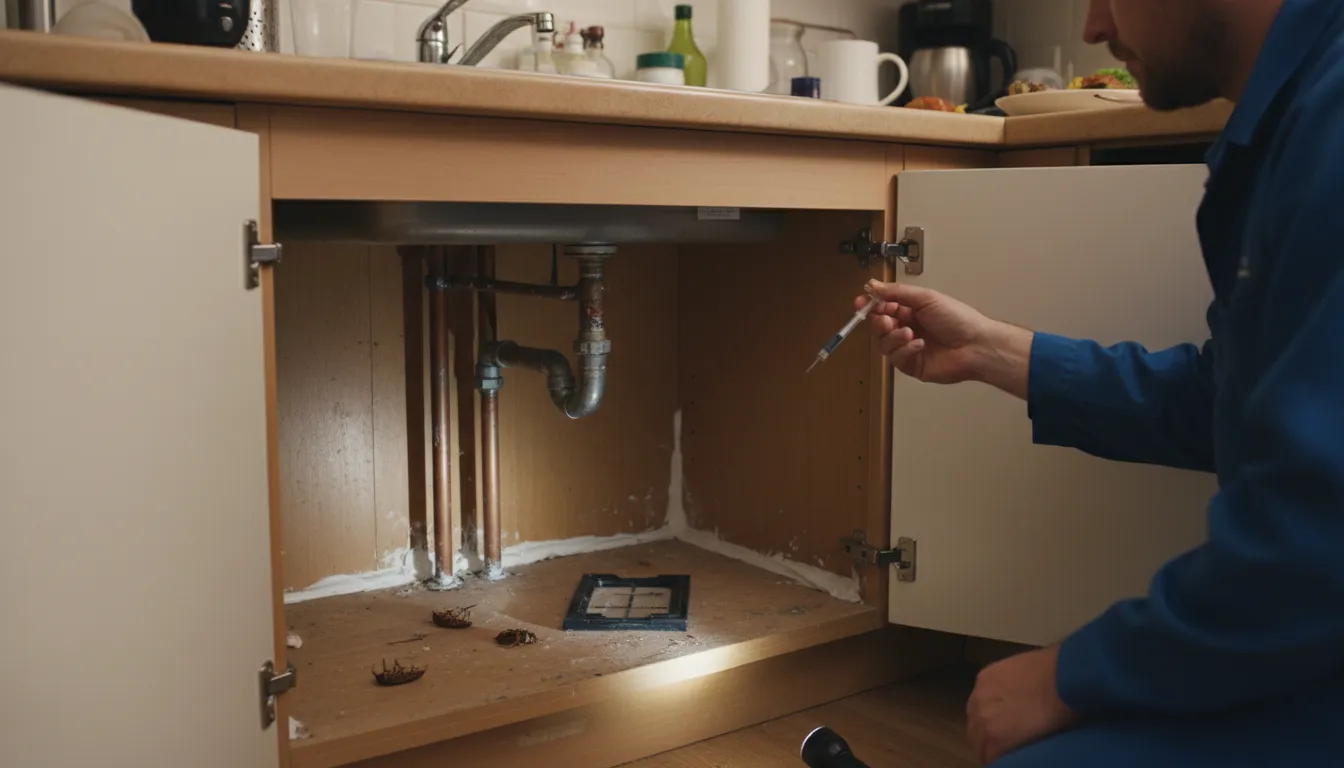
Find the Best Cockroach Control Companies for Your Business
No obligation • Fast responses • Nationwide coverage
Why you can trust Pest Crews
Pest Crews is a leading U.S. resource for finding and evaluating residential and commercial pest control services. Our team researches providers, reviews treatment approaches, and organizes unbiased information to help you make informed decisions. Companies cannot pay to change our editorial content or influence how they appear.
Search providers near you
Top Cockroach Control Companies in Davis, California Ranked
Discovering a cockroach in your Davis home can be unsettling. These persistent pests are more than just a nuisance; they can contaminate food, trigger allergies, and are notoriously difficult to eliminate once established. Effective cockroach management in Davis focuses on a strategic, science-backed approach known as Integrated Pest Management (IPM), which prioritizes prevention and targeted treatment over widespread chemical use. This guide will help you understand the local roach species, the most effective control strategies for our community, and how to connect with qualified professionals who can address an infestation at its source.
PEST PROS PEST SOLUTIONS
1016 N Market Blvd #40, Sacramento, CA 95834
PEST PROS PEST SOLUTIONS is a family owned pest control company based in Sacramento, CA, serving the Sacramento Valley and the San Francisco Bay Area. They provide a wide range of pest management services including bed bug treatment, termite inspections, rodent control, mosquito control, and commercial pest control solutions tailored to local environmental challenges. The company uses eco-friendly products and integrated pest management strategies to effectively address pest issues while minimizing environmental impact. Their expertise includes handling pests common to Northern California such as carpenter ants, termites, rodents, and mosquitoes. Pest Pros Pest Solutions emphasizes education on pest prevention and offers customized plans for both residential and commercial clients. They also provide same-day service when contacted early in the day. The company is committed to community support and environmental responsibility. Their service area covers multiple Northern California counties, ensuring broad access to their pest control expertise. Pest Pros Pest Solutions combines local knowledge with professional-grade products and techniques to manage pest problems safely and effectively.
Pest Control Center Inc.
3845 Madison Ave, North Highlands, CA 95660
Pest Control Center Inc. is a family-owned pest control company serving Sacramento, CA, and nearby communities. With over 40 years of experience, they provide comprehensive pest prevention services targeting ants, cockroaches, rodents, termites, mosquitoes, and wasps. Their offerings include thorough inspections, customized treatment plans, and eco-friendly options. The company also specializes in termite inspections and treatments, along with mosquito and fly control. Pest Control Center Inc. emphasizes ongoing monitoring and maintenance to prevent future infestations and offers flexible service schedules. They provide a 100% service guarantee and accommodate same-day service in many areas.
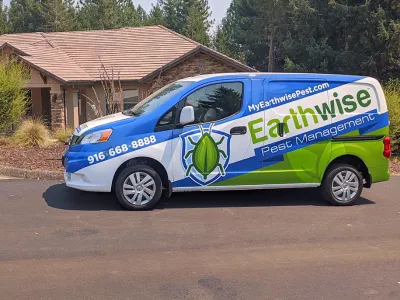
Earthwise Pest Management
4740 Northgate Blvd Ste.125, Sacramento, CA 95834
Earthwise Pest Management is a licensed and insured pest control company serving Sacramento, CA. They provide residential and commercial pest control services, including bed bug treatment, termite inspections, rodent control, and cockroach and ant extermination. The company emphasizes Integrated Pest Management techniques to minimize pesticide use and focuses on long-term pest exclusion to prevent re-infestations. Earthwise Pest Management is known for its pet-friendly and child-safe treatments and has a strong reputation supported by over 500 positive reviews.
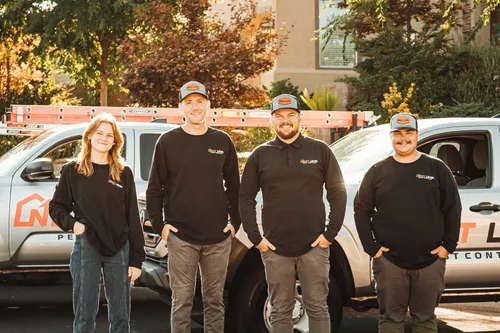
Next Level Pest Control
6008 Auburn Blvd #1, Citrus Heights, CA 95621
Next Level Pest Control is a pest control company based in Sacramento, CA, serving both residential and commercial clients. They provide comprehensive pest management solutions including cockroach, ant, rodent, bee, and wasp removal services. Their commercial pest control is designed to meet the needs of offices, restaurants, and warehouses with discreet and effective treatments. The company offers customized treatment plans and ongoing pest protection packages to maintain pest-free properties year-round.
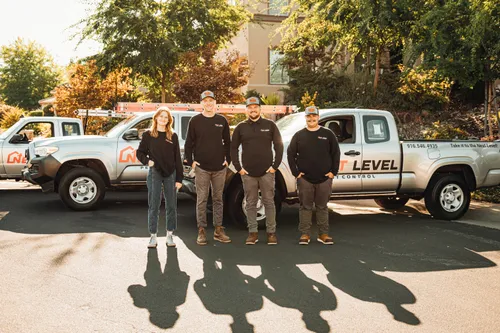
Next Level Pest Control
11292 Coloma Rd STE A, Gold River, CA 95670
Next Level Pest Control is a pest control company based in Sacramento, CA, serving both residential and commercial clients. They offer a range of services including cockroach, ant, rodent control, and bee and wasp removal. Their commercial pest management is designed to meet the needs of offices, restaurants, and warehouses with discreet and effective treatments. The company provides customized treatment plans and ongoing pest protection packages to maintain pest-free environments year-round.
Understanding Davis's Common Cockroach Species
Knowing your enemy is the first step in effective control. In Davis, homeowners typically encounter two primary types of cockroaches, each with distinct behaviors.
German Cockroaches are the most common indoor culprits. If you see one, it is almost certainly a sign of an established infestation, as they reproduce rapidly and prefer to stay hidden 1. These light brown roaches with two dark stripes are typically found in warm, humid areas with easy access to food and water-namely kitchens and bathrooms. They hide in cracks, behind appliances, inside cabinets, and within wall voids.
American Cockroaches, often called "water bugs," are larger and reddish-brown. They are more common outdoors in Davis, thriving in sewers, mulch beds, and drainage systems. However, they can invade homes, often being found in basements, crawl spaces, and near floor drains. While less likely to establish large indoor infestations than German roaches, their presence indoors indicates moisture issues or entry points from the outside.
Roaches can also be accidental "hitchhikers," brought into homes via grocery bags, cardboard boxes, or even from neighboring units.
The Davis-Approached: Integrated Pest Management (IPM)
The City of Davis and the University of California's IPM program strongly advocate for an Integrated Pest Management approach. This method is effective, environmentally conscious, and focuses on long-term prevention by addressing the root causes of an infestation.
The Four Pillars of IPM for Roaches
- Sanitation: This is the most critical step. Roaches need food, water, and shelter. Deny them by:
- Storing all food, including pet food, in sealed containers.
- Wiping countertops, cleaning crumbs, and promptly addressing spills.
- Taking out trash regularly and using bins with tight-fitting lids.
- Fixing leaky faucets and pipes to eliminate water sources 2.
- Exclusion (Sealing Entry Points): Prevent roaches from entering and moving within your home.
- Seal gaps around pipes, cables, and vents where they enter walls.
- Install door sweeps and repair damaged window screens.
- Caulk cracks in baseboards, walls, and the foundation.
- Habitat Modification (Decluttering): Eliminate hiding spots.
- Remove piles of newspapers, cardboard boxes, and paper bags, which are favorite harborage sites.
- Reduce clutter in cabinets, pantries, and storage areas to limit hiding places.
- Monitoring: Use sticky traps placed along walls, under sinks, and behind appliances. These don't control large infestations but are invaluable for detecting roach activity and identifying hotspot locations to target your efforts.
Targeted Treatment Strategies for Davis Homes
When sanitation and exclusion aren't enough, targeted treatments are necessary. The goal is to place materials where roaches live and travel while minimizing exposure to people and pets.
- Baits: Insecticidal baits are a cornerstone of modern roach control. Roaches eat the bait and return to their harborage to die, where other roaches may then consume the poisoned carcass or feces, creating a domino effect. Baits should be placed in small dabs in cracks, under appliances, and in corners of cabinets 3.
- Insect Growth Regulators (IGRs): These chemicals mimic roach hormones, disrupting their life cycle and preventing nymphs from maturing into reproducing adults. IGRs are often used in combination with baits for a comprehensive approach.
- Dusts: Desiccant dusts like boric acid or silica aerogel can be carefully applied to wall voids, under insulation, and other enclosed, undisturbed areas. The dust clings to the roach's body, absorbing its protective waxy coating and causing it to dehydrate.
- Vacuuming: Using a HEPA-filter vacuum can physically remove roaches, egg cases (oothecae), and droppings. This provides immediate, non-chemical reduction and is an excellent follow-up after other treatments.
A Critical Note on Foggers/Bombs: UC IPM and most experts advise against using total-release foggers ("bug bombs") for roaches. These devices often drive roaches deeper into walls and adjacent units, scatter the infestation, and fail to place insecticide where roaches actually hide, while leaving widespread pesticide residues in your home.
Find the perfect cockroach control companies for your needs
Get personalized recommendations and expert advice
When to Call a Professional for Cockroach Extermination
While diligent DIY IPM can solve minor problems, professional intervention is often necessary for established infestations, especially of German cockroaches. Professionals have access to a wider range of tools and materials, the expertise to locate major harborage sites, and the ability to implement a structured treatment and follow-up plan.
What to Expect from a Professional Service: A thorough inspection will identify the species, locate harborage areas, and assess sanitation and entry points. Treatment will likely involve the strategic placement of advanced baits and IGRs, possibly supplemented with crack-and-crevice applications of dusts or non-repellent sprays. Follow-up visits are crucial to monitor success and reapply materials as needed until the infestation is eradicated 4. For extreme, widespread infestations that have penetrated deep into the structure, localized or whole-structure fumigation may be considered, though this is less common for standard roach problems 5 6.
Understanding Service Costs in Davis
Pricing for cockroach eradication varies based on the severity of the infestation, the size of your home, and the treatment plan required. It's always best to obtain quotes from several local providers.
- An initial inspection or assessment visit may range from $100 to $250, which is often applied toward the cost of service if you proceed.
- For ongoing prevention or moderate infestations, a routine treatment plan (e.g., monthly or bi-monthly visits) might cost between $75 and $150 per visit.
- A comprehensive, one-time treatment for a severe infestation can be significantly more, potentially ranging from $300 to over $600, depending on the methods and materials required 7 8.
Maintaining a Roach-Free Home in Davis
Long-term success requires consistency. Continue practicing good sanitation, promptly address moisture issues, and keep your home sealed and decluttered. Consider having a professional conduct periodic inspections or maintenance treatments, especially if you live in a multi-unit building where pests can migrate from neighbors. By combining vigilant prevention with informed, targeted action, you can protect your Davis home from these resilient pests.