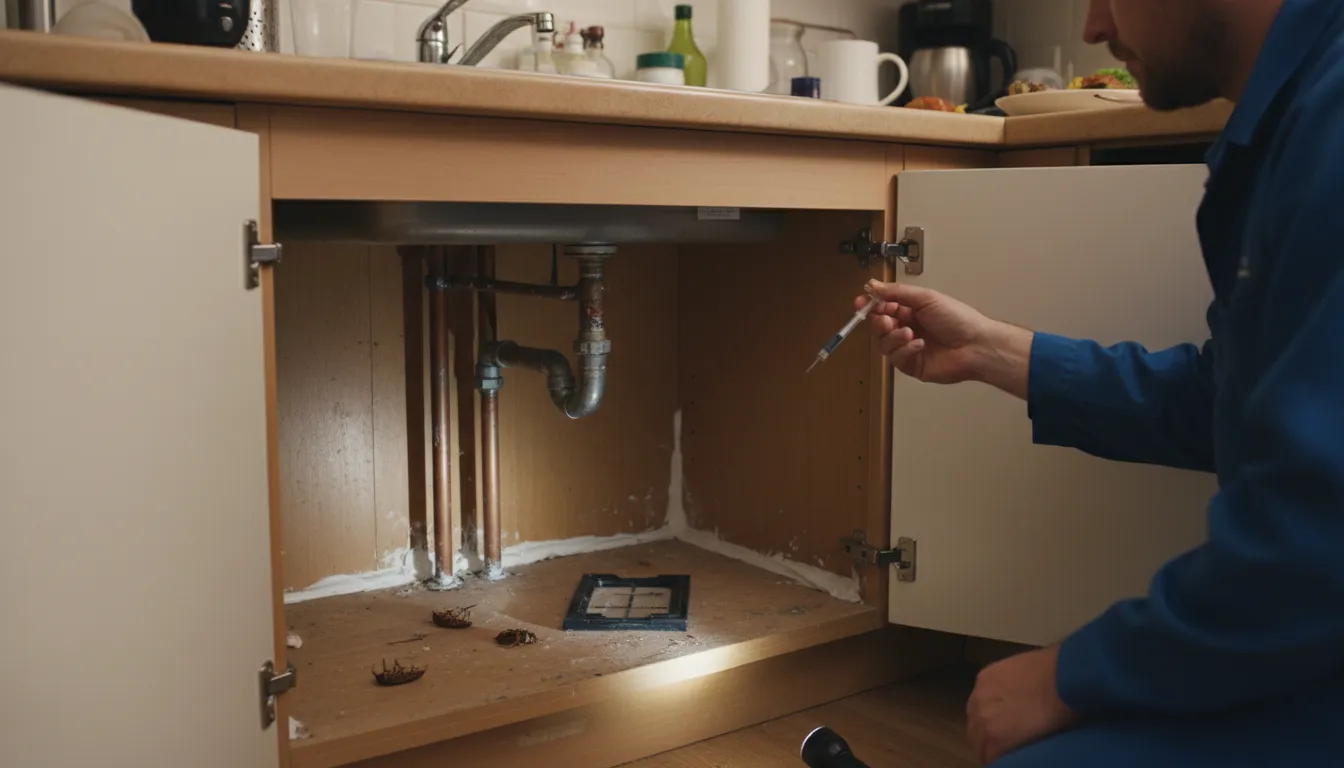
Find the Best Cockroach Control Companies for Your Business
No obligation • Fast responses • Nationwide coverage
Why you can trust Pest Crews
Pest Crews is a leading U.S. resource for finding and evaluating residential and commercial pest control services. Our team researches providers, reviews treatment approaches, and organizes unbiased information to help you make informed decisions. Companies cannot pay to change our editorial content or influence how they appear.
Search providers near you
Top Cockroach Control Companies in Huntersville, North Carolina Ranked
Living with cockroaches is more than just an unsettling nuisance; it's a persistent problem that can affect your home's hygiene and your family's comfort. In Huntersville, our warm and humid climate creates an ideal environment for several roach species to thrive. Effective cockroach extermination and management requires a strategic approach, as these resilient pests can quickly establish large populations from just a few individuals. This guide is designed to help you understand the local roach problem, identify signs of an infestation, and connect with professional pest management services in Huntersville that specialize in targeted, long-term solutions.
ClearDefense Pest Control
501 Penman St Suite 301, Charlotte, NC 28203
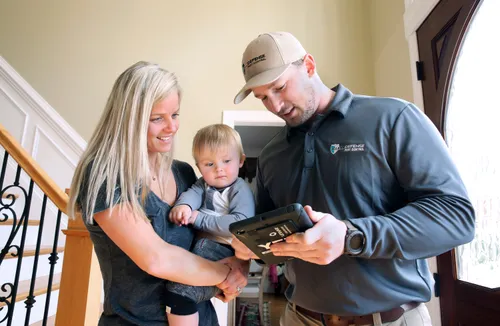
ClearDefense Pest Control is a pest control company based in Charlotte, NC, specializing in environmentally responsible pest management. They provide targeted treatments for cockroaches, ants, rodents, bees, wasps, and other pests using a micro-crystallized formula that releases treatment slowly for ongoing effectiveness. Their services include establishing anti-bug barriers, baiting, trapping, wall injections, and nest removal to control and prevent pest activity year-round. ClearDefense Pest Control serves Charlotte and surrounding areas, applying methods designed to minimize exposure to people and pets while maintaining environmental safety.
City Wide Exterminating
140 Cabarrus Ave W STE 1, Concord, NC 28025
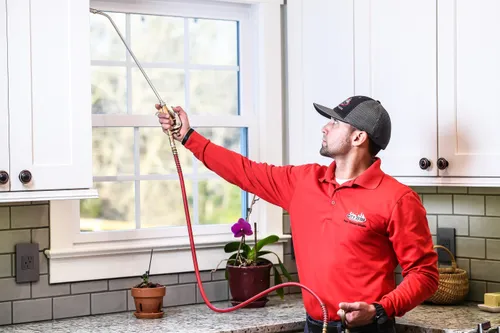
City Wide Exterminating is a family-owned pest control company serving Charlotte, NC, and surrounding areas. They offer a wide range of pest management services including bed bug treatment, termite inspections, rodent and wildlife removal, mosquito control, and commercial pest control. Founded in 2000, the company emphasizes environmentally responsible and pet-friendly solutions to protect homes and businesses. Their technicians provide tailored pest inspections and treatments, with a focus on long-term prevention. City Wide Exterminating also offers service guarantees and works to accommodate customers' schedules.
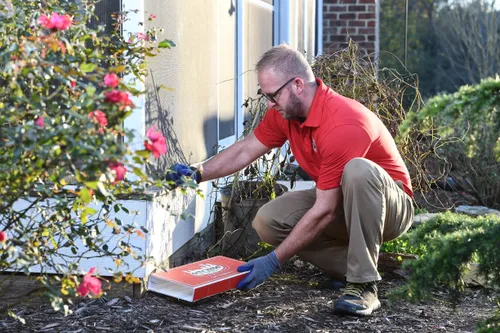
City Wide Exterminating
6025 Blakeney Park Dr #202, Charlotte, NC 28277
City Wide Exterminating is a family-owned pest control company serving Charlotte, NC, and surrounding areas including Concord, Mooresville, and Locust. Established in 2000, they offer comprehensive pest management services for residential and commercial properties. Their services include treatment and removal of bed bugs, ants, cockroaches, rodents, termites, mosquitoes, and wildlife. City Wide Exterminating provides tailored pest inspections and ongoing maintenance plans to help keep properties pest-free. They emphasize environmentally responsible and pet-friendly solutions and offer a service guarantee with additional treatments included on annual plans.

Go-Forth Pest Control
1974 Carolina Pl Ste 120, Fort Mill, SC 29708
Go-Forth Pest Control is a pest management company based in Charlotte, NC, serving the Fort Mill area and nearby towns. They provide a wide range of pest control services including ant, cockroach, flea, mosquito, rodent, bed bug, termite, bee, wasp, and wildlife removal. The company uses pet- and kid-friendly products and applies the latest pest management technologies to protect homes and businesses. Established in 1959, Go-Forth Pest Control has decades of experience and offers same-day service to address pest issues promptly.
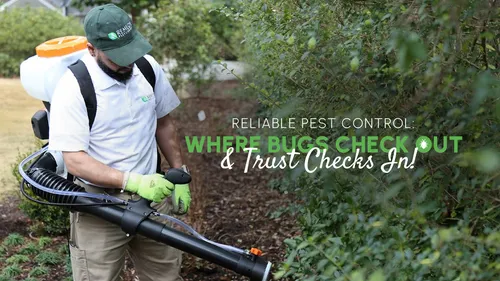
Remedy Pest Control
4201-E, Stuart Andrew Blvd, Charlotte, NC 28217
Remedy Pest Control is a pest control company based in Charlotte, NC, specializing in bed bug, cockroach, ant, and rodent control. They use an eco-friendly approach with Integrated Pest Management practices to provide tailored pest solutions. With over 30 years of local experience, Remedy Pest Control focuses on family safety and transparent service.
Understanding Huntersville's Cockroach Problem
North Carolina's climate is a primary driver for roach activity. The consistent warmth and high humidity provide perfect breeding conditions year-round, particularly for the species most common in our area. While seeing a single roach can be alarming, it often indicates a larger, hidden population. These pests are not only a source of distress but can also trigger allergies and contaminate food and surfaces as they forage.
The most prevalent species in Huntersville homes and businesses include:
- German Cockroaches: These are the most common indoor roach. Small and light brown with two dark stripes behind their head, they prefer warm, humid areas close to food and water. Kitchens and bathrooms are their prime habitats, where they live and breed in large numbers within appliances, cabinets, and wall voids.
- American Cockroaches: Often called "palmetto bugs," these are large, reddish-brown roaches. They typically live outdoors in moist, decaying organic matter, sewer systems, and mulch beds, but frequently invade basements, crawl spaces, and ground-floor areas seeking moisture, especially during drier or cooler periods.
- Oriental Cockroaches: Dark brown to black and shiny, these roaches have a strong preference for cool, damp environments. You are likely to find them in basements, under sinks, around leaky pipes, and in other areas with high moisture levels 1.
How Roaches Enter and Thrive in Your Home
Cockroaches are master invaders and survivors. Understanding what attracts them is the first step in prevention.
- Entry Points: They exploit the smallest gaps. Common entryways include cracks in foundations, gaps around utility pipes and wires, spaces under doors, and through vents. In multi-unit buildings, they easily travel between units via shared plumbing and electrical conduits.
- Moisture: This is a critical attractant. Leaky pipes, dripping faucets, condensation around HVAC units, and poorly ventilated crawl spaces or basements create the damp environments roaches need to survive 2.
- Food Sources: For German roaches, even microscopic crumbs, grease film, pet food left out overnight, or unsealed pantry items are a feast. American and Oriental roaches feed on a wider range of organic matter, including decaying leaves and garbage.
- Harborage Sites: Roaches seek tight, dark spaces. Cluttered storage areas, stacked cardboard boxes, and the inner workings of rarely moved appliances offer perfect hiding and breeding spots.
Signs of a Cockroach Infestation
Often, the infestation is well-established before you see a live roach during the day. Be vigilant for these telltale signs:
- Droppings and Smear Marks: German roach droppings resemble coarse black pepper or coffee grounds. Their feces can also create dark brown smear marks on walls, especially in corners or along appliance edges. American roach droppings are larger, cylindrical, and ridged 3.
- Egg Casings (Oothecae): These small, brown, purse-shaped capsules may be found in hidden areas. A single casing can contain dozens of eggs.
- Shed Skins: As nymphs (young roaches) grow, they molt 5-7 times, leaving behind translucent, hollow exoskeletons.
- A Distinct Odor: A established infestation often produces a persistent, musty, oily smell. This odor is from pheromones in their droppings and can become quite noticeable in severe cases 4.
- Live or Dead Roaches: Spotting roaches at night when you turn on a kitchen light is a classic sign. Finding dead roaches in cabinets, drawers, or basements is also a clear indicator.
Why DIY Methods Often Fail
Many homeowners first turn to store-bought solutions, but these frequently provide only temporary relief and can worsen the problem.
- Bug Bombs & Total-Release Foggers: These are largely ineffective for roaches. The insecticide mist does not penetrate the deep cracks, voids, and harborage sites where roaches live and breed. It can also scatter roaches deeper into walls and into neighboring units, spreading the infestation.
- General Surface Sprays: While they may kill roaches on contact, they do little to address the hidden nest. Roaches simply avoid treated surfaces, and survivors continue to reproduce.
- Lack of Resistance Management: Professional-grade baits and insecticides are formulated to combat pest resistance, a common issue with over-the-counter products that roaches can become immune to over time.
Find the perfect cockroach control companies for your needs
Get personalized recommendations and expert advice
The Professional Approach: Integrated Pest Management (IPM)
Leading pest control companies in Huntersville, like those referenced in local services, employ an Integrated Pest Management strategy. IPM is a comprehensive, multi-step process focused on long-term prevention and minimal environmental impact.
- Inspection: A thorough inspection identifies the roach species, locates major harborage sites, finds entry points, and assesses sanitation and moisture conditions.
- Sanitation & Exclusion Advice: Professionals will provide a detailed report on conditions contributing to the infestation, such as moisture issues, food sources, and entry points. Sealing cracks and crevices is a cornerstone of exclusion 5.
- Targeted Treatment: Instead of blanket spraying, technicians use a combination of tools:
- Gel Baits: Placed strategically in hidden areas, these are highly effective. Roaches consume the bait and return to their harborage to die, where other roaches then cannibalize them, spreading the insecticide through the colony 6.
- Insecticide Dusts: Dusts like boric acid or diatomaceous earth are applied into wall voids, electrical outlets, and other inaccessible spaces. These products work mechanically or as stomach poisons and have long residual activity 7.
- Insect Growth Regulators (IGRs): These chemicals disrupt the roaches' life cycle, preventing nymphs from maturing into breeding adults and gradually collapsing the population 8.
- Follow-up and Monitoring: A single treatment is rarely enough. Professionals schedule follow-up visits to monitor bait consumption, reapply treatments as needed, and ensure the infestation is completely eradicated.
What to Expect: Service and Investment
Engaging a professional for roach eradication is an investment in your home's health. Costs can vary based on the severity of the infestation, the size and layout of your property, and the species involved (American roach treatments can be more complex).
- Initial Treatment: For a standard home, a comprehensive initial roach extermination service often ranges from $100 to $300 or more. This typically covers the inspection, identification, and the first round of targeted treatments 9.
- Ongoing Maintenance: To prevent re-infestation and provide peace of mind, many homeowners opt for recurring quarterly or monthly services. These follow-up visits generally cost between $50 and $100+ per visit and are crucial for maintaining a protective barrier and monitoring for new activity 10 11.
It is highly recommended to contact several licensed Huntersville pest management companies for a free, on-site estimate. This allows you to compare their proposed IPM plans, guarantees, and service agreements 12.
Frequently asked questions
Sources
Footnotes
-
Cockroach Control Treatment - Prudential Pest Management, LLC - https://www.prudentialpestmanagement.com/cockroach-control-treatment/ ↩
-
Cockroaches in North Carolina: Our Pest Control Tips - https://hawxpestcontrol.com/cockroaches-in-north-carolina-our-pest-control-tips/ ↩
-
4 Common Types of Cockroaches In NC - Identification and Removal! - https://www.trianglepest.com/blog/cockroaches-in-north-carolina/ ↩
-
Cockroaches in North Carolina | Gibson Pest Control - https://www.gibsonpest.com/blog/cockroach-control ↩
-
Common Pest Problems in the Carolinas: A Property Manager's Guide - https://www.smarterpestcontrol.com/blog/commercial-pest-control/property-managers-common-pests-carolinas ↩
-
Common Cockroaches in North Carolina - Tailor Made Lawns - https://www.tailormadelawns.com/about/our-blog/common-roaches-north-carolina ↩
-
How to Get Rid of Roaches in North Carolina | Terminix Triad - https://www.terminix-triad.com/our-blog/how-get-rid-roaches-north-carolina/ ↩
-
German Cockroach Surveillance and Management - https://content.ces.ncsu.edu/german-cockroach-surveillance-management ↩
-
Cockroach Control in Charlotte NC | Roach Exterminator Near ... - https://www.carolinapest.com/cockroach-control/ ↩
-
How Much Does a Roach Exterminator Cost? (2025 Guide) - https://www.thisoldhouse.com/pest-control/roach-exterminator-cost ↩
-
Recurring Pest Control Services - https://cmillerext.com/recurring-services/ ↩
-
Roach Control in Huntersville - Massey Services - https://www.masseyservices.com/huntersville/pest-control/roach-control/ ↩