Find the Best Commercial Pest Control Companies for Your Business
No obligation • Fast responses • Nationwide coverage

Why you can trust Pest Crews
Pest Crews is a leading U.S. resource for finding and evaluating residential and commercial pest control services. Our team researches providers, reviews treatment approaches, and organizes unbiased information to help you make informed decisions. Companies cannot pay to change our editorial content or influence how they appear.
Search providers near you
Best Commercial Pest Control Companies in Alabama Ranked
For any business in Alabama, from a bustling restaurant in Birmingham to a sprawling warehouse in Mobile, effective pest management is a non-negotiable component of daily operations. Commercial pest control is a specialized service designed to protect your property, inventory, and reputation from infestations of rodents, insects, and other pests. It matters because a single pest sighting can lead to health code violations, damaged goods, lost revenue, and a tarnished brand image. This resource helps you understand the critical aspects of professional pest management in Alabama, including state regulations, common threats, and the process of securing services from a qualified, state-licensed provider to ensure your business remains compliant and protected.
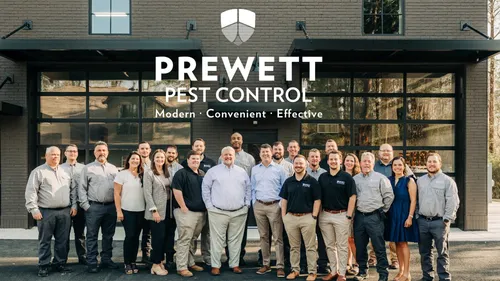
Prewett Pest Control
370 Commercial Park Dr Suite A, Fairhope, AL 36532
Prewett Pest Control is a family-owned pest control company serving Mobile, AL, and surrounding areas in Alabama and Georgia. They provide residential and commercial pest control services, including termite inspection and mosquito control, using modern technology and integrated pest management methods to minimize environmental impact. Their approach focuses on eco-friendly solutions that protect people, pets, and landscaping while addressing pest issues effectively. Prewett Pest Control emphasizes convenient communication options and offers same-day scheduling when possible.
Palisade Pest Control
4825 University Square # 5, Huntsville, AL 35816
Palisade Pest Control provides a wide range of pest management services in Huntsville, AL. They handle infestations of termites, rodents, ants, bed bugs, mosquitoes, spiders, and wasps for both residential and commercial properties. The company uses environmentally responsible methods and modern techniques to deliver effective pest control solutions. Palisade Pest Control contributes to maintaining healthy living and working environments in the Huntsville community.
A Plus Pest Control
1428 Weatherly Rd SE # 110, Huntsville, AL 35803
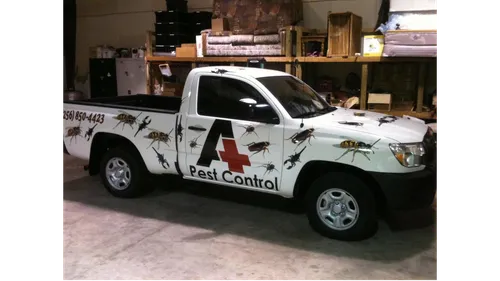
A Plus Pest Control is a locally owned pest control company serving Huntsville, AL. They provide a range of services including bed bug treatment, ant and rodent control, termite inspections and treatments, mosquito control, and bee and wasp removal. Their team uses methods such as liquid barriers, granulation, and targeted treatments around entry points and eaves to manage and prevent pest infestations. With over 50 years of combined experience, A Plus Pest Control offers same-day service and is fully licensed and insured in Alabama.
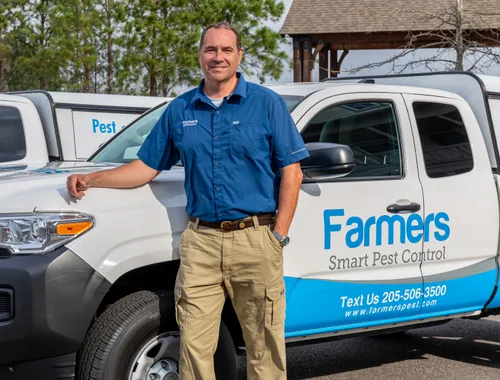
Farmers Pest Control
3745 Helena Rd Suite 200, Helena, AL 35080
Farmers Pest Control is a family-owned pest management company serving Birmingham, AL, and surrounding areas. With over 16 years of experience, they provide pest control solutions for homes and businesses, addressing issues with ants, cockroaches, rodents, termites, and mosquitoes. Their services include thorough inspections and tailored treatment plans designed to eliminate pests at the source and offer long-term protection. Farmers Pest Control is known for its local expertise and commitment to safe, effective treatments that protect properties across Alabama.

Pest Authority
Birmingham, AL
Pest Authority is a pest control company based in Birmingham, AL, offering comprehensive pest management for homes and businesses. They provide year-round preventative pest control services, including their Barrier 360 treatment, which creates a pest-proof perimeter to stop a wide range of pests such as ants, cockroaches, spiders, termites, and rodents from entering properties. Pest Authority emphasizes science-backed methods and employs extensively trained technicians to deliver effective indoor and outdoor pest protection. The company offers 24/7/365 pest control coverage to ensure continuous protection against seasonal and persistent pest issues.
Understanding Alabama's Regulatory Landscape
Commercial pest management in Alabama is a regulated industry overseen by the Alabama Department of Agriculture and Industries (ADAI). This isn't just a formality; it's a framework designed to ensure safety and efficacy. Any business providing pest control services must be properly licensed by the ADAI, and treatments must be supervised by a certified commercial applicator.
Compliance is a major focus, especially for businesses in sensitive sectors like food service, healthcare, and hospitality. State regulations mandate strict adherence to pesticide labeling, proper application techniques, and meticulous documentation. Providers are required to keep detailed records of all pesticide use-including quantities, locations, and dates-for a minimum of two years, and these records are subject to inspection by the ADAI 1. Furthermore, commercial pest control companies must carry general liability insurance and be registered with the state. Working with a licensed provider ensures your business is protected and that all treatments meet these legal standards.
Common Pest Threats to Alabama Businesses
Alabama's warm, humid climate creates an ideal environment for a wide array of pests that can infiltrate commercial properties. The specific threats often vary by industry:
- Offices & Retail Stores: These spaces are commonly plagued by ants, cockroaches, and occasional rodents seeking shelter and food scraps. Carpet beetles can also damage fabrics and inventory 2.
- Restaurants & Food Service: This high-risk sector faces intense pressure from flies, cockroaches, and rodents, all attracted to readily available food, moisture, and warmth. Infestations here pose direct public health risks and can lead to immediate shutdowns.
- Warehouses & Distribution Centers: Large, often less-frequented spaces are prime targets for rodents (mice and rats) and stored-product pests like beetles and moths that can destroy inventory. Birds nesting in rafters or loading docks can also cause significant damage and sanitation issues.
- Hospitality (Hotels, Motels): The transient nature of guests makes these properties highly susceptible to bed bug introductions, which require specialized, discreet treatment protocols.
- General Commercial: Across all sectors, ants are a pervasive nuisance due to the heat and humidity, while general flying and crawling insects are a constant challenge.
The Professional Pest Control Process: More Than Just Spraying
Modern commercial pest management is a strategic, multi-phase process centered on Integrated Pest Management (IPM). This proactive, data-driven approach focuses on long-term prevention rather than reactive chemical use.
- Initial Inspection & Assessment: A certified technician conducts a thorough inspection of your property, inside and out. The goal is to identify active pest issues, locate potential entry points (cracks, gaps, utility lines), assess sanitation practices, and note any conditions conducive to pests (e.g., standing water, overgrown landscaping).
- Prevention & Exclusion: The first line of defense is making your property less inviting. This may involve sealing cracks and holes, installing door sweeps, repairing screens, managing vegetation around the foundation, and advising on improved sanitation and waste management protocols.
- Monitoring: Strategic placement of monitoring devices like insect traps and rodent stations allows technicians to track pest activity levels, identify hot spots, and measure the effectiveness of the program over time 3.
- Targeted Treatment: When treatment is necessary, it is applied judiciously and strategically. This could include the use of baits, targeted insecticide applications in specific areas, physical traps, or other mechanical controls. The emphasis is on minimizing pesticide use while maximizing impact 4.
- Documentation & Reporting: A cornerstone of commercial service is detailed documentation. You should receive reports that outline inspection findings, treatments applied, pest activity trends, and recommendations for corrective actions. For regulated industries, these reports are essential for demonstrating compliance during health inspections 5 6.
Find the perfect commercial pest control companies for your needs
Get personalized recommendations and expert advice
Understanding Service Agreements and Costs
Commercial pest control is typically governed by a formal service agreement or contract. This document is crucial as it clearly defines the scope of work, service frequency (e.g., monthly, quarterly), responsibilities of both the provider and your business, protocols for emergency call-outs, and any guarantees or warranties offered 7.
Pricing for commercial pest management in Alabama is not one-size-fits-all; it is tailored to the specific needs and risks of your business. Several key factors influence the cost:
- Size & Complexity of the Property: A small office will cost less to service than a large manufacturing plant or multi-building campus.
- Type of Industry: Services for a restaurant or food processing plant, which face higher regulatory scrutiny and pest pressure, are typically more involved and thus may cost more than for a standard office building.
- Type and Severity of Pests: General insect control is often part of a base plan, while eradication of an active rodent infestation, termite treatment, or bed bug remediation involves specialized techniques and higher costs.
- Service Frequency: More frequent visits (monthly vs. quarterly) provide greater protection and monitoring but come at a higher ongoing cost.
Given these variables, costs can range widely. Standard recurring service for a small to medium-sized business might start around $100 to $1,500 or more per month 8 9. Specialized treatments for termites, bed bugs, or wildlife removal are typically priced as separate projects. It's important to view these costs as an investment in risk management, protecting your assets, reputation, and ability to operate without interruption 10 11.
Choosing the Right Provider for Your Alabama Business
Selecting a pest management partner is a significant decision. Look for a provider with a valid Alabama commercial pest control license and certified applicators on staff. Ask about their experience with businesses in your specific industry (e.g., food service, healthcare, warehousing). A reputable company will insist on conducting a thorough initial inspection before providing a quote and will explain their proposed IPM-based plan clearly. They should be willing to provide references and clearly outline their service agreement, including what is covered, response times for issues between scheduled visits, and their documentation process. Ultimately, the right provider acts as a partner in safeguarding your business, ensuring not only a pest-free environment but also peace of mind and regulatory compliance.
Frequently asked questions
Sources
Footnotes
-
Section 2-28-8 - Regulation of performance of structural pest ... - https://law.justia.com/codes/alabama/2006/1058/2-28-8.html ↩
-
Commercial Pest Control - https://magiccitypestcontrol.com/commercial-pest-control/ ↩
-
Commercial Pest Control Explained: Services, Types, and Risks - https://apexpestcontrol.net/what-is-commercial-pest-control/ ↩
-
Commercial Pest Control: Protect Business from Infestations - https://magiccitypestcontrol.com/commercial-pest-control-protect-business/ ↩
-
Alabama Pest Control License & Certification (Updated in 2025) - https://www.fieldroutes.com/blog/alabama-pest-control-license ↩
-
The Commercial Property Manager's Guide to Pest Control ... - https://neusetermiteandpest.com/blog/the-commercial-property-managers-guide-to-pest-control-compliance ↩
-
Pest Control: Baldwin County & Birmingham Metro Services - https://www.alabamatermite.com/commercial-pest-control/ ↩
-
Commercial Pest Control: Types, Cost, & Best Companies - https://connorspestpros.com/commercial-pest-control-types-cost-best-companies/ ↩
-
Comprehensive Guide to Commercial Pest Services - - https://callbama.com/comprehensive-guide-to-commercial-pest-services/ ↩
-
Pest Control Contracts: How to Make and Win Service Agreements - https://www.getjobber.com/academy/pest-control/pest-control-contracts/ ↩
-
How Much Does Commercial Pest Control Cost In 2026? - https://bhpestcontrol.com/how-much-does-commercial-pest-control-cost/ ↩