Find the Best Commercial Pest Control Companies for Your Business
No obligation • Fast responses • Nationwide coverage

Why you can trust Pest Crews
Pest Crews is a leading U.S. resource for finding and evaluating residential and commercial pest control services. Our team researches providers, reviews treatment approaches, and organizes unbiased information to help you make informed decisions. Companies cannot pay to change our editorial content or influence how they appear.
Search providers near you
Best Commercial Pest Control Companies in Arkansas Ranked
For businesses in Arkansas, effective pest management is a critical component of operational integrity, regulatory compliance, and customer trust. Commercial pest control involves specialized services designed to protect restaurants, offices, warehouses, healthcare facilities, and other commercial properties from insects, rodents, and other pests that can cause health violations, property damage, and reputational harm. This guide explains the regulated framework, common pests, and the professional process used by licensed providers in the state, helping you understand how to secure a tailored service plan for your specific business needs.

Mosquito Hunters of Maumelle-West Little Rock-Conway
Little Rock, AR
Mosquito Hunters of Maumelle-West Little Rock-Conway provides mosquito and tick control services in Little Rock, AR. They specialize in customized barrier treatments designed to reduce mosquito populations in residential and commercial outdoor spaces. Their approach focuses on targeted application around yards and properties rather than broad fogging methods, aiming to create a more effective mosquito-free environment. The company also offers commercial pest control for venues such as golf courses, pools, and outdoor event spaces. Their treatments include options with natural ingredients like essential oils, and they provide ongoing service with reapplications every few weeks.
McCauley Services
23650 I-30 Frontage Rd, Bryant, AR 72022
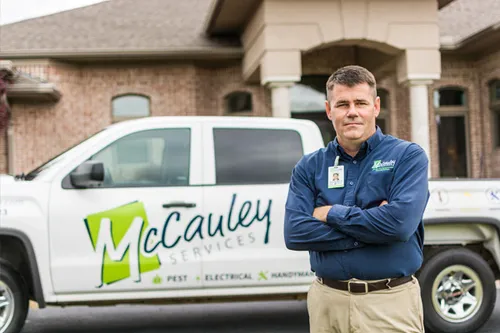
McCauley Services is a family-owned pest control company serving Little Rock, AR, and surrounding areas. Since 1983, they have provided residential and commercial pest management solutions, addressing a wide range of pests including termites, ants, bed bugs, rodents, mosquitoes, and wildlife. Their QualityPro-certified team offers year-round protection with specialized treatments such as termite perimeter defense and mosquito control. McCauley Services emphasizes extensive training and community involvement to ensure careful and effective pest management.
Shrike Pest Control
3520 W 69th St Ste 202, Little Rock, AR 72209
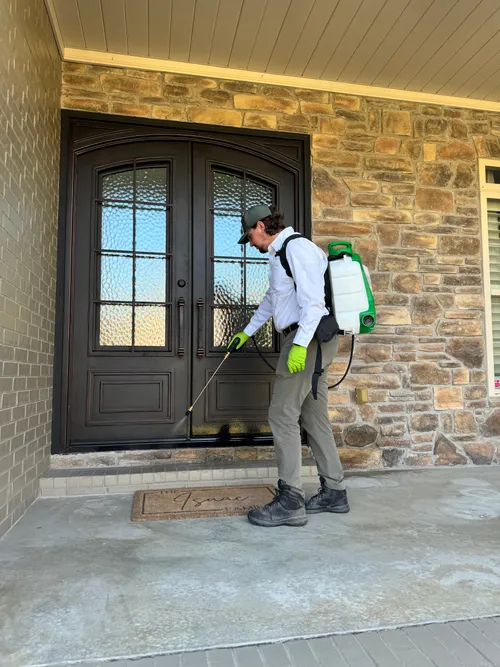
Shrike Pest Control is a pest control company serving Little Rock, AR. They provide customized pest service plans for both residential and commercial properties, focusing on environmentally friendly and safe solutions. Their approach is tailored to address specific pest issues while considering the needs of homes and businesses. Shrike Pest Control emphasizes eco-friendly products and offers affordable options for commercial pest control.
Presto-X Pest Control
4228 E 43rd St Suite B, North Little Rock, AR 72117
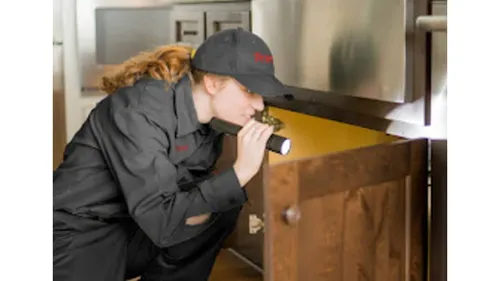
Presto-X Pest Control serves Little Rock, AR, offering pest control services tailored to local conditions. They address common pests such as ants, bed bugs, rodents, termites, and mosquitoes. Their termite inspection and treatment plans focus on protecting wooden structures, while their rodent control targets mice and rats that can damage property and contaminate food. The team understands the pest challenges specific to the area's climate and applies treatments designed to reduce pest activity and prevent recurrence.
Bug Masters Exterminating Co.
1730 Eureka Garden Rd, North Little Rock, AR 72117
Bug Masters Exterminating Co. is a pest control company based in Little Rock, AR, serving both homes and businesses. They handle a wide range of pests including ants, bed bugs, cockroaches, rodents, fleas, spiders, wasps, yellow jackets, and migratory pests like crickets and beetles. The company specializes in heat remediation for bed bugs, a method considered effective and environmentally friendly, with most treatments successful on the first visit. Bug Masters is recognized locally as a leading provider for bed bug extermination, often receiving referrals from other pest control companies.
Understanding Arkansas's Regulatory Framework
Commercial pest control in Arkansas is a strictly regulated industry. The Arkansas Department of Agriculture's Pest Control Program (PCP) administers the state's pest control laws, primarily Act 488 of 1975. This means any individual or company applying pesticides for hire on commercial property must hold a valid state license. The licensing process involves passing examinations and paying associated fees, with different classifications for various pest types like general pests, termites, and mosquitoes.
A key requirement for licensed operators is the submission of monthly service reports to the state, documenting the services performed 1. Furthermore, service contracts, especially for termite control, must meet minimum state standards. These contracts are required to guarantee the work-often for one year-and clearly state the chemicals used, along with the scope of liability, typically covering retreatment but not structural repairs 2. This regulatory structure ensures accountability and sets a baseline for professional service quality.
Common Commercial Pests in Arkansas
Arkansas businesses face a variety of pest threats that require professional intervention. Being able to identify the signs of an infestation is the first step toward addressing it.
- Insects: Cockroaches, ants (including carpenter ants), termites, bed bugs, silverfish, earwigs, flies, and mosquitoes are frequent offenders. These pests can contaminate products, damage structures, and spread pathogens.
- Rodents: Mice and rats are notorious for gnawing on wires, insulation, and packaging. They pose significant fire risks and can spread diseases through their droppings and urine.
- Signs of Infestation: Common indicators include unusual odors, visible droppings, nesting materials, buzzing or scampering noises within walls, gnaw marks on wood or wiring, and physical damage to structures or goods 3.
The Professional Pest Control Process
Licensed commercial exterminators follow a systematic, multi-phase approach known as Integrated Pest Management (IPM), which emphasizes long-term prevention over reactive chemical use.
1. Inspection and Identification
The process begins with a thorough inspection of the building's interior, exterior, and surrounding grounds. The technician will look for pest activity, identify entry points, and locate potential harborage areas. They will also discuss staff habits that may contribute to pest issues. Correctly identifying the exact pest species is crucial, as it dictates the most effective and targeted treatment strategy.
2. Elimination and Treatment
Based on the inspection findings, the provider will implement a customized treatment plan. This almost always starts with recommendations for sanitation and exclusion-removing accessible food and water sources and sealing cracks, gaps, and other entry points to prevent future access 4. The treatment phase may combine:
- Physical/Mechanical Control: Setting traps, installing barriers, or using heat treatments.
- Chemical Control: The targeted application of EPA-registered pesticides, such as baits, sprays, or dusts, applied in a manner that minimizes exposure to non-target areas.
3. Monitoring, Reporting, and Prevention
Ongoing monitoring is essential for commercial plans. This involves regular checks with traps and, for pests like bed bugs, advanced tools like digital imaging monitors5. As per state law, detailed reporting of all findings and actions is documented6. The final pillar is prevention, achieved through scheduled recurring service visits for maintenance and proactive staff training on topics like bed bug awareness.
Find the perfect commercial pest control companies for your needs
Get personalized recommendations and expert advice
Understanding Service Contracts and Pricing
Commercial pest control is not a one-size-fits-all service, and there is no fixed price. Providers create customized proposals based on several key factors:
- Business Type & Size: A small office will have different needs and risks than a large restaurant, food processing plant, warehouse, or hospital. Facilities handling food or serving vulnerable populations typically require more intensive and frequent service.
- Pest Pressure: The severity and type of active infestation (e.g., a few ants vs. a widespread rodent problem) significantly impact the initial treatment cost.
- Square Footage and Complexity: The physical size of the property and the number of service areas (e.g., multiple buildings, dumpster pads) are primary pricing drivers.
- Service Frequency: Most businesses opt for monthly, quarterly, or annual service plans to maintain protection7 8. These ongoing contracts provide peace of mind and are often more cost-effective than one-time emergency treatments.
While prices vary widely, businesses can generally expect a monthly fee starting under $100 for a basic, small-office plan, ranging to several hundred dollars or more for large, complex facilities with high pest pressure9. The initial setup or corrective treatment may involve a higher one-time cost. Always ensure your contract clearly outlines the service frequency, scope of work, and guarantee details as required by state regulations10.
Why Arkansas Businesses Need Licensed Professionals
Engaging a licensed commercial pest control provider is not just a best practice; it's often a necessity for regulatory compliance. Health inspectors and the Arkansas Department of Agriculture expect businesses to have professional pest management in place 11. Beyond compliance, professional service is the most effective way to:
- Prevent Health Risks: Pests like cockroaches and rodents are vectors for bacteria and allergens that can sicken employees and customers.
- Avoid Property Damage: Termites and carpenter ants can cause costly structural damage, while rodents can chew through electrical wiring, creating fire hazards.
- Protect Your Reputation: A single pest sighting by a customer can permanently damage a business's reputation, especially in the hospitality or food service industries.
- Implement Effective IPM: Licensed professionals have the training to use the right combination of prevention, monitoring, and targeted treatment for sustainable results 12.
Frequently asked questions
Sources
Footnotes
-
pest control rules and regulations of the state - https://arkleg.state.ar.us/Home/FTPDocument?path=%2FAssembly%2FMeeting+Attachments%2F040%2F27489%2FE.2.a+DOA+SPB+Pest+Control+Rules.pdf ↩
-
Arkansas Department of Agriculture's Pest Control Program - https://stopthebitesmc.com/wp-content/uploads/2021/12/AK-DOA-pest-control-program.pdf ↩
-
Commercial Pest Control in Arkansas - McCauley Services - https://www.callmccauley.com/commercial-pest-control/ ↩
-
Three Rules for Pest Control - Brooks Pest Solutions - https://brookspestsolutions.com/blog/what-are-the-three-rules-for-pest-control/ ↩
-
Arkansas Pest Control, Exterminators | Bug Masters - https://bugmasters.net/markets/arkansas-commercial-pest-control-elimination/ ↩
-
FINAL RULE - Arkansas Secretary of State - https://www.sos.arkansas.gov/uploads/rulesRegs/Arkansas%20Register/2003/oct_2003/003.11.03-008.pdf ↩
-
Commercial Pest Control Can Save Your Business! - https://hopperenvironmentalservices.com/commercial-pest-control-can-save-your-business/ ↩
-
What is Commercial Pest Control? Top Five Benefits - The Pest Rangers - https://thepestrangers.com/what-is-commercial-pest-control-top-five-benefits/ ↩
-
How Much Should Pest Control Cost: Pricing Peace of Mind - https://www.pestshare.com/how-much-should-pest-control-cost/ ↩
-
Arkansas Administrative Code, Division 02, Rule 209.02.19-004 - https://regulations.justia.com/states/arkansas/agency-209/division-02/rule-209-02-19-004/ ↩
-
Pest Control Program - Arkansas Department of Agriculture - https://agriculture.arkansas.gov/crops-industry/regulatory-services/pest-control-program/ ↩
-
Top 5 Methods of Pest Control | Fieldwork - https://fieldworkhq.com/2025/11/18/5-methods-of-pest-control/ ↩