Find the Best Commercial Pest Control Companies for Your Business
No obligation • Fast responses • Nationwide coverage

Why you can trust Pest Crews
Pest Crews is a leading U.S. resource for finding and evaluating residential and commercial pest control services. Our team researches providers, reviews treatment approaches, and organizes unbiased information to help you make informed decisions. Companies cannot pay to change our editorial content or influence how they appear.
Search providers near you
Best Commercial Pest Control Companies in Colorado Ranked
For Colorado businesses, effective pest management is a critical component of operations, regulatory compliance, and brand protection. Commercial pest control is a specialized service designed to protect facilities from infestations that can damage property, contaminate products, and pose serious health risks. Navigating Colorado's specific regulations and finding a provider with the right expertise can be challenging. This resource helps you understand the local requirements, common pest threats, and service processes to effectively evaluate and engage licensed professionals in your area.
Side by Side Pest Control, LLC
Denver, CO
Side by Side Pest Control, LLC is a pest control company based in Denver, CO, specializing in the removal and management of rodents, ants, cockroaches, and termites for both residential and commercial properties. They provide thorough inspections to identify infestations and develop customized treatment plans using safe and environmentally friendly methods. Their termite control service includes detailed property assessments to target and prevent damage effectively.
Guardian Pest Management
Denver, CO
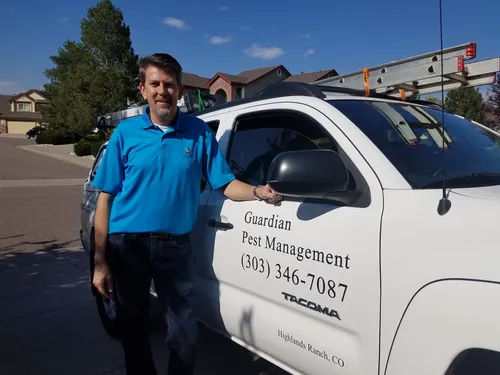
Guardian Pest Management is a locally owned pest control company serving Denver, CO, and the South Metro Denver area. Established in 2000, the company offers residential and commercial pest control services, specializing in large estates and various property types including healthcare facilities and restaurants. With over 30 years of combined experience, Guardian Pest Management provides personalized pest control plans tailored to each client's unique needs.
Whitmore Pest & Wildlife Control of Castle Rock
935 S Lindsey St, Castle Rock, CO 80104
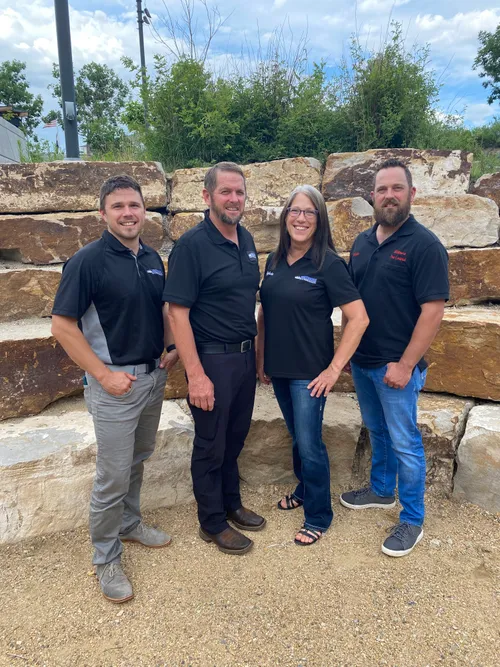
Whitmore Pest & Wildlife Control of Castle Rock provides pest and wildlife management services in Denver, CO. They offer residential and commercial pest control solutions including bed bug treatment, rodent control, wasp and stinging insect removal, spider extermination, and more. Their approach uses integrated pest management techniques that focus on long-term prevention with targeted treatments and environmental modifications. Whitmore Pest & Wildlife Control emphasizes family-friendly treatments and contract-free services. They also work to protect honeybees by relocating hives safely when possible.

Pest Arrest Pest Control - Boulder
1495 Canyon Blvd Suite 301, Boulder, CO 80302
Pest Arrest Pest Control - Boulder is a veteran and family-owned pest control company serving Denver, CO. They provide residential and commercial pest control solutions using eco-friendly Integrated Pest Management methods to protect homes and businesses from a wide range of pests including ants, cockroaches, rodents, termites, bees, wasps, and more. Known for their ARREST System® plans, they offer targeted treatments that often resolve infestations in one visit and specialize in rodent control through their Mice Masters™ service. Pest Arrest has been serving the Denver Metro Area since 2019 with a focus on sustainable pest management and customer care.

Pest Arrest Pest Control - Denver
1630 Welton St, Denver, CO 80202
Pest Arrest Pest Control - Denver is a veteran and family-owned pest control company serving Denver, CO, and surrounding areas since 2019. They provide residential and commercial pest control solutions using eco-friendly Integrated Pest Management (IPM) methods to protect homes and businesses from a wide range of pests including ants, cockroaches, rodents, wasps, and more. The company is known for its proven treatments that often resolve infestations within one or two visits, with specialized expertise in rodent control through their Mice Masters™ program. Pest Arrest emphasizes customer care and sustainable pest management without contracts or pressure.
Understanding Colorado's Regulatory Landscape
Operating a business in Colorado means adhering to a specific set of rules governed by the Colorado Department of Agriculture (CDA). Compliance isn't optional; it's a fundamental aspect of commercial pest management that protects your business from fines, operational shutdowns, and liability.
- Mandatory Licensing: Any individual applying pesticides for hire in a commercial setting must be a licensed commercial applicator through the CDA1. This licensing requires passing exams and completing continuing education for renewal, ensuring applicators are up-to-date on laws and safe practices.
- Rigorous Documentation: Licensed applicators are required to maintain detailed records of all pesticide applications, including the product used, rate, location, and date2 3. These records are essential for audits (such as those for food safety or organic certification) and may be inspected by the CDA at any time4.
- Specific State Laws: Colorado has enacted laws addressing particular pests. Notably, HB 19-1328 mandates specific protocols for bed bug activity, requiring pest management professionals to provide detailed notification and disclosure documents to both landlords and tenants.
- Inspection Authority: The CDA has the authority to inspect commercial applicators' records, equipment, pesticide storage facilities, and training materials to ensure compliance with state regulations.
Common Commercial Pests in Colorado Facilities
Different pests present unique challenges and risks. Understanding these common invaders is the first step in developing an effective defense strategy.
- Rodents (Mice & Rats): Often the top concern for Colorado businesses, rodents reproduce rapidly and can cause extensive damage. They contaminate products with urine and droppings, gnaw on wiring and structural elements, and are vectors for disease.
- Cockroaches: These pests thrive in environments with warmth, moisture, and food access, making restaurant kitchens, grocery stores, and food processing plants prime targets. They spread bacteria like Salmonella and E. coli and are a leading cause of health code violations.
- Ants: From tiny sugar ants to larger carpenter ants, these social insects follow scent trails into break rooms, storage areas, and kitchens. They can establish large colonies within walls or under slabs, contaminating food and, in the case of carpenter ants, causing structural damage5.
- Bed Bugs: While often associated with hospitality, bed bugs can be introduced into any business via clients, employees, or used furniture. Colorado law specifically regulates their treatment and reporting, making professional handling essential.
- Flies & Stored Product Pests: For food-related businesses, flies and pests like Indian meal moths or warehouse beetles are a constant threat to product integrity and sanitation standards.
The Professional Service Process: Beyond Spraying
Modern commercial pest management is a strategic process focused on long-term prevention and minimal chemical intervention. Reputable providers follow a structured Integrated Pest Management (IPM) approach.
- Assessment & Inspection: The process begins with a thorough inspection of your facility, both interior and exterior. The goal is to identify active pests, locate potential entry points, find harborage areas, and assess environmental conditions that may attract pests.
- Analysis & Action Plan: Based on the inspection, the provider develops a customized IPM plan. This plan prioritizes non-chemical methods like sanitation recommendations, exclusion (sealing cracks), and mechanical controls (traps, monitors). Targeted pesticide applications are used only as necessary and placed strategically to minimize risk6 7.
- Implementation & Treatment: The treatment phase executes the IPM plan. This may involve installing rodent bait stations in secure exterior locations, placing insect monitoring traps, applying targeted crack-and-crevice treatments, or using heat or fumigation for severe bed bug infestations. A key focus is on minimizing disruption to your daily operations8.
- Ongoing Monitoring & Documentation: Pest management is not a one-time event. The provider will establish a schedule for regular service visits to monitor traps, refresh bait, and inspect for new activity. Smart technology, like digital rodent traps that send alerts, is increasingly common. Every action is documented in a detailed service report.
- Reporting & Recommendations: You should receive clear, written reports after each service. These reports are vital for audit trails and will include what was observed, what actions were taken, product information (including Safety Data Sheets), and recommendations for maintenance or repairs to your property to deter future pests (e.g., fixing a door sweep)9.
Find the perfect commercial pest control companies for your needs
Get personalized recommendations and expert advice
What Determines the Cost of Service?
Investing in professional pest management is a critical business expense. Costs in Colorado are not one-size-fits-all and are influenced by several key factors 10.
- Type of Pest: A routine ant treatment costs significantly less than a comprehensive rodent exclusion program or a bed bug remediation, which requires specialized protocols.
- Size & Complexity of Facility: A small office will have a lower base cost than a large warehouse, multi-building campus, or a full-service restaurant with complex plumbing and food storage areas.
- Infestation Severity: A preventative program for a clean facility is more economical than remediating a long-standing, widespread infestation.
- Service Frequency: Most businesses benefit from recurring service on a monthly, bi-monthly, or quarterly schedule to maintain protection and compliance. The frequency will impact the overall contract price 11.
- Industry Requirements: Businesses in highly regulated industries like food service, healthcare, or pharmaceutical manufacturing often require more extensive documentation and stringent protocols, which can affect pricing.
Given these variables, monthly commercial plans in Colorado can range from under a hundred dollars for a small, low-risk facility to several thousand dollars for large, complex, or highly sensitive operations12 13. Most providers operate on an annual service agreement, which provides cost predictability, ensures consistent service, and is almost always more cost-effective than relying on emergency, one-time treatments14.
Choosing a Provider in Colorado
Selecting the right pest management partner is a strategic business decision. Look for a provider that demonstrates:
- Current CDA Commercial Applicator Licenses: Verify that both the company and its technicians are properly licensed.
- Experience in Your Industry: Ask for references from businesses similar to yours, whether you run a restaurant, warehouse, hotel, or medical office.
- Emphasis on IPM: The provider should lead with inspection, monitoring, and exclusion, not just chemical applications.
- Clear Communication & Documentation: They should be willing to explain their process and provide sample reports that meet audit standards.
- Adequate Insurance: Ensure they carry general liability and errors & omissions insurance to protect your business.
- Local Knowledge: A provider familiar with Colorado's climate, common regional pests, and specific state regulations is invaluable.
Frequently asked questions
Sources
Footnotes
-
Commercial Applicators - Colorado Department of Agriculture - https://ag.colorado.gov/commercial-applicators ↩
-
Code of Colorado Regulations - https://www.sos.state.co.us/CCR/Upload/AGORequest/AdoptedRules02019-00516.rtf ↩
-
8 CCR 1203-2, Parts 2, 8, and 10 - Code of Colorado Regulations - https://www.sos.state.co.us/CCR/Upload/NoticeOfRulemaking/ProposedRuleAttach2024-00029.pdf ↩
-
Code of Colorado Regulations - https://www.sos.state.co.us/CCR/GenerateRulePdf.do?ruleVersionId=5306 ↩
-
The Commercial Property Manager's Guide to Pest Control ... - https://neusetermiteandpest.com/blog/the-commercial-property-managers-guide-to-pest-control-compliance ↩
-
8 CCR 1203-2 - Code of Colorado Regulations - https://www.sos.state.co.us/CCR/GenerateRulePdf.do?ruleVersionId=6522&fileName=8%20CCR%201203-2 ↩
-
Commercial Pest Control - enviropest.com - https://www.enviropest.com/commercial-pest-control ↩
-
What is Commercial Pest Control? - https://calpropestcontrol.com/blog/what-is-commercial-pest-control-a-complete-guide-for-business-owners/ ↩
-
Pest Control for Businesses - https://www.clarkpest.com/commercial-services/industries-served/business-facilities-offices ↩
-
Commercial Pest Control: Types, Cost, & Best Companies - https://connorspestpros.com/commercial-pest-control-types-cost-best-companies/ ↩
-
How to set commercial pest control prices that maximize ROI - https://gorilladesk.com/learn/how-to-set-commercial-pest-control-prices/ ↩
-
Pest Control For Commercial Properties: Cost Guide For Business ... - https://markets.businessinsider.com/news/stocks/pest-control-for-commercial-properties-cost-guide-for-business-owners-released-1035689016 ↩
-
Denver Commercial Pest Control | Absolute Pest Control Inc - https://www.apcpestcontrol.com/commercial-pest-control/ ↩
-
Pest Control Contracts: How to Make and Win Service Agreements - https://www.getjobber.com/academy/pest-control/pest-control-contracts/ ↩