Find the Best Commercial Pest Control Companies for Your Business
No obligation • Fast responses • Nationwide coverage
Why you can trust Pest Crews
Pest Crews is a leading U.S. resource for finding and evaluating residential and commercial pest control services. Our team researches providers, reviews treatment approaches, and organizes unbiased information to help you make informed decisions. Companies cannot pay to change our editorial content or influence how they appear.
Search providers near you
Top Commercial Pest Control Companies in St Cloud, Florida Ranked
For any business in Florida, from a bustling restaurant to a corporate office park, effective pest management is a non-negotiable component of daily operations. The state's warm, humid climate creates a year-round breeding ground for a wide array of pests that can threaten your property, inventory, and reputation. Commercial pest control is a specialized service designed to protect your business through regulated, systematic prevention and treatment plans. This resource explains the critical aspects of pest management for Florida businesses, helping you understand the process, regulations, and what to look for when seeking a qualified provider to safeguard your commercial space.
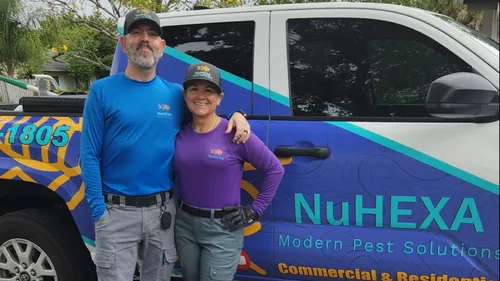
NuHEXA Modern Pest Solutions
3801 Avalon Park E Blvd Ste 200, Orlando, FL 32828
NuHEXA Modern Pest Solutions is a pest control company based in Orlando, FL, specializing in both residential and commercial pest management. They use integrated pest management (IPM) techniques that focus on long-term prevention by combining biological control, habitat manipulation, and other methods to reduce pest populations safely. Their approach prioritizes minimizing risks to human health, pets, and the environment by targeting pest sources directly and limiting the use of pest control products around properties.
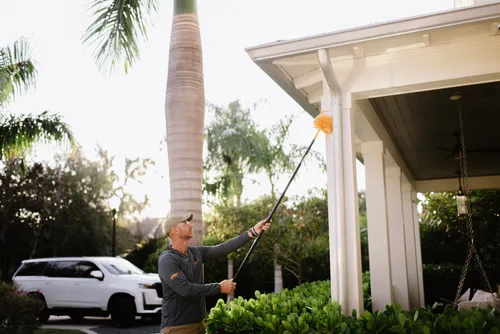
Panther Pest Control
865 Balch Ave Suite B, Winter Park, FL 32789
Panther Pest Control is a locally owned pest control company based in Winter Park, serving Orlando, FL, and the Central Florida region. They offer comprehensive pest management services for homes and businesses, addressing issues with bed bugs, cockroaches, ants, rodents, mosquitoes, bees, wasps, and other common pests. Panther Pest Control provides integrated pest solutions tailored to the needs of their clients, focusing on creating safe and comfortable environments. With over 270 satisfied customers, they have established a presence in the area as a reliable pest control provider.
Ehrlich Pest Control
965 Sunshine Ln, Altamonte Springs, FL 32714
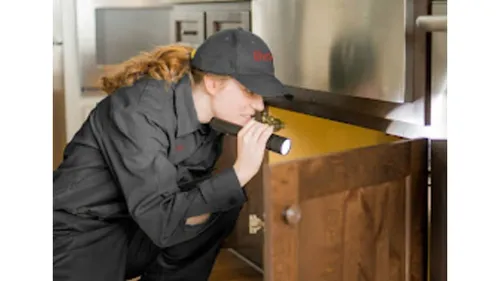
Ehrlich Pest Control offers residential and commercial pest control services in Orlando, FL. Their certified technicians handle a wide range of pests including bed bugs, cockroaches, ants, rodents, mosquitoes, bees, and wasps. They provide eco-friendly and sustainable treatments designed to protect homes and businesses while complying with local regulations. Ehrlich Pest Control emphasizes year-round protection with their PestFree365+ service, which covers 39 common pests and includes regularly scheduled visits and unlimited service calls at no extra charge.
Custom Pest Solutions Inc
2200 N Forsyth Rd K-09, Orlando, FL 32807
Custom Pest Solutions Inc is a pest control and wildlife removal company based in Orlando, FL. They provide customized pest and animal control services tailored to the unique environments of homes and businesses in Central Florida. Their approach emphasizes green pest control methods that are environmentally responsible and safe for families, pets, and employees. The company uses integrated pest management strategies, including preventative measures and habitat modification, to manage pests sustainably while protecting the comfort and security of their clients' properties.

RH Miller Pest Services, Inc
137 Concord Dr STE 1101, Casselberry, FL 32707
RH Miller Pest Services, Inc is a pest control company based in Orlando, FL, serving both residential and commercial clients. They provide a range of services including rodent control, termite inspections, wildlife removal, and lawn application treatments. The company offers Integrated Pest Management (IPM) and rodent exclusion as part of their capabilities. Appointments are typically available Monday through Friday during regular business hours.
Understanding Florida's Commercial Pest Control Landscape
Operating a business in Florida presents unique pest challenges. The subtropical environment allows pests like cockroaches, termites, and rodents to remain active throughout the year, making one-time treatments insufficient for long-term protection. The industry is strictly regulated by the Florida Department of Agriculture and Consumer Services (FDACS), which mandates that all pest control businesses and their technicians hold specific licenses. This regulatory framework is designed to ensure that treatments are applied safely and effectively, protecting both your business and the environment.
A cornerstone of modern commercial pest management is the Integrated Pest Management (IPM) approach. IPM emphasizes prevention, monitoring, and the use of multiple tactics, prioritizing non-chemical methods first. This means a qualified provider will focus on eliminating the conditions that attract pests-such as food debris, moisture, and entry points-before moving to targeted treatments. This strategy is not only more sustainable but also more effective in providing lasting results.
Common Pests in Florida Businesses
Knowing your potential adversaries is the first step in prevention. Florida businesses commonly contend with several persistent pests:
- Cockroaches: Especially German and American cockroaches, which thrive in kitchens, break rooms, and areas with food and moisture. They are a major sanitation concern and can trigger allergies.
- Ants: Including nuisance ants like Argentine ants and destructive species like carpenter ants. Odorous house ants are particularly common invaders of commercial spaces.
- Termites: Florida is a high-risk zone for termites, including the highly aggressive Formosan subterranean termite. These pests can cause catastrophic structural damage if left undetected.
- Rodents: Mice and rats seek shelter and food in warehouses, storage areas, and dumpster zones. They contaminate products, gnaw on wires (creating fire hazards), and spread disease.
- Flying Insects: This category includes flies, mosquitoes, wasps, and hornets. For businesses with outdoor seating or loading docks, these pests can disrupt operations and deter customers 1 2.
- Stored Product Pests: In warehouses, distribution centers, or food processing plants, beetles and moths can infest raw materials and finished goods, leading to significant product loss.
The Commercial Pest Control Process: A Step-by-Step Guide
Professional commercial pest management is a cyclical process, not a single event. Here's what you can expect when partnering with a licensed provider:
1. Comprehensive Inspection
The process begins with a thorough inspection of your property, both interior and exterior. A certified technician will identify active pest infestations, locate potential entry points (like gaps around utility lines or cracks in foundations), and note "conducive conditions" such as standing water, poor drainage, or improper food storage 3. This assessment forms the basis of your customized plan.
2. Development of a Customized IPM Plan
Based on the inspection findings, your provider will develop a detailed action plan. This written plan should outline the specific pests targeted, the proposed treatment methods (prioritizing baits, traps, and exclusion techniques), and recommended sanitation or structural corrections from your staff 4. For example, a plan for a restaurant will heavily focus on kitchen and dumpster area management, while a warehouse plan may emphasize rodent monitoring and exclusion.
3. Implementation of Treatment
With the plan approved, the licensed technicians will execute the treatments. This may involve placing insect monitoring stations and bait boxes, applying targeted pesticides in cracks and crevices, installing rodent bait stations in secure exterior locations, or applying termite prevention treatments 5. All pesticides used must be EPA-registered and applied in strict accordance with label instructions and Florida law.
4. Ongoing Monitoring, Prevention, and Documentation
The most critical phase is ongoing service. Your provider will schedule regular visits (e.g., monthly, quarterly) to monitor bait stations, inspect for new activity, and make adjustments to the plan as needed 6. They should provide detailed service reports after each visit, documenting what was observed and any actions taken. This documentation is crucial for health inspections and for demonstrating due diligence.
Find the perfect commercial pest control companies for your needs
Get personalized recommendations and expert advice
Licensing, Contracts, and Your Rights
Navigating the regulatory and contractual side is essential for a successful partnership with a pest control company.
- Verifying Licenses: Always verify that the company holds a valid FDACS Pest Control Business License and that a Certified Operator is assigned to oversee your account. You can check license status directly on the FDACS website. Technicians performing the work must also carry individual Certified Applicator licenses.
- Understanding Your Contract: In Florida, a written contract is required before any pest control work can begin on a commercial property 7. Scrutinize this document carefully. It should clearly state:
- The Role of the Certified Operator: This is a key professional designation. The Certified Operator is responsible for designing your pest management plan, signing off on the use of pesticides, and ensuring all work complies with state regulations 10. They are your main point of contact for technical and safety questions.
Investment and Pricing Considerations
The cost of commercial pest control in Florida varies based on several factors, but it is an investment in your business's integrity and continuity.
- Service Frequency: Most businesses benefit from a recurring service plan.
- Monthly Services: Often range from $60 to $100 or more per visit for standard perimeter and interior maintenance for common pests 11.
- Quarterly Services: Can be a cost-effective alternative for lower-risk businesses, though the per-visit price may be higher due to the more intensive treatment required between longer intervals.
- One-Time or Initial Treatments: For a significant active infestation (e.g., termites, severe rodent problem), initial treatment costs can range from $500 to over $1,500, depending on the size of the property and severity of the issue 12. These often necessitate follow-up visits.
- Key Cost Factors:
- Square Footage: Larger facilities require more time and materials.
- Type of Business: A food-handling establishment (restaurant, grocery) typically requires more frequent, intensive service than a standard office building, impacting price.
- Pest Pressure: Dealing with termites or bed bugs is generally more complex and costly than a routine ant program.
- Accessibility and Complexity: Buildings with multiple levels, sensitive electronics, or extensive landscaping may require specialized approaches.
Special Considerations for Florida Industries
- Hospitality & Food Service: Zero tolerance for pests is the standard. Programs must be aggressive and documentation impeccable for health department audits. Focus is on kitchen exhaust systems, grease traps, dumpster pads, and dining areas.
- Healthcare & Senior Living: Safety is paramount. Treatments must minimize disruption and use products with the lowest possible risk to patients and residents, often requiring advanced notification and precise application timing.
- Property Management & HOAs: Services often cover common areas, building exteriors, and may include termite protection plans for individual units. Clear communication with tenants and a responsive provider are critical.
- Warehousing & Logistics: Emphasis is on rodent exclusion (sealing docks, doors), bird control, and monitoring for stored product pests. Large facilities may require a network of dozens of monitoring stations.
Frequently asked questions
Sources
Footnotes
-
IPM Services: Integrated Pest Management for Commercial ... - Turner Pest Control ↩
-
Importance of Commercial Pest Control Services in South Florida - Captain Termite & Pest Control ↩
-
Commercial Pest Control in Florida - Native Pest Management ↩
-
ENY-219/MG237: How to Buy Pest Control Services - Ask IFAS, University of Florida ↩
-
Pest Control FAQ - Florida Department of Agriculture and Consumer Services ↩
-
How to set commercial pest control prices that maximize ROI - GorillaDesk ↩
-
Commercial Pest Control Prices: A Breakdown for South Florida - Nozzle Nolen ↩