Find the Best Commercial Pest Control Companies for Your Business
No obligation • Fast responses • Nationwide coverage
Why you can trust Pest Crews
Pest Crews is a leading U.S. resource for finding and evaluating residential and commercial pest control services. Our team researches providers, reviews treatment approaches, and organizes unbiased information to help you make informed decisions. Companies cannot pay to change our editorial content or influence how they appear.
Search providers near you
Top Commercial Pest Control Companies in Council Bluffs, Iowa Ranked
For any business in Council Bluffs, from bustling restaurants to sprawling warehouses, effective pest management is a non-negotiable component of daily operations. Commercial pest control is a specialized service designed to protect your property, inventory, and reputation from the damage and health risks posed by insects and rodents. It goes far beyond simple spray treatments, focusing on long-term prevention and tailored strategies that fit the unique needs of your facility. This resource is designed to help you understand the science-backed methods local professionals use and how to evaluate services to find the right fit for your business.
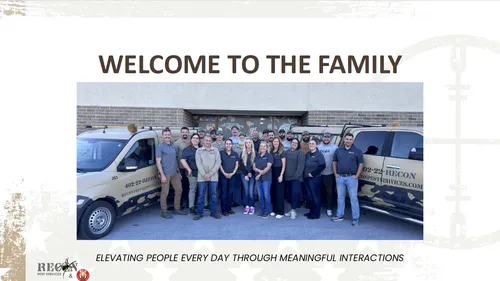
Recon Pest Services
10125 J St, Omaha, NE 68127
Recon Pest Services is a pest control company based in Omaha, NE, offering solutions for both residential and commercial properties. They handle a variety of pests including ants, spiders, rodents, and termites, with services tailored to different infestation levels. Their termite control includes inspections, targeted treatments, and follow-up monitoring to ensure effective management. Recon Pest Services also provides pest management for large commercial buildings and warehouses. They use eco-friendly products that are safe for pets and children and offer customizable service plans to meet specific needs.

Quality Pest Control-Omaha
6225 N 89th Cir, Omaha, NE 68134
Quality Pest Control-Omaha is a family-owned pest control company serving Omaha, NE, and surrounding areas for over 30 years. They provide comprehensive pest management solutions for both residential and commercial properties, addressing common pests such as mosquitoes, rodents, ants, termites, bed bugs, and wildlife. Their approach includes thorough inspections, customized treatment plans, and environmentally conscious methods tailored to the unique pest challenges of Omaha's climate. The company also offers ongoing maintenance and prevention strategies to help protect homes and businesses year-round.
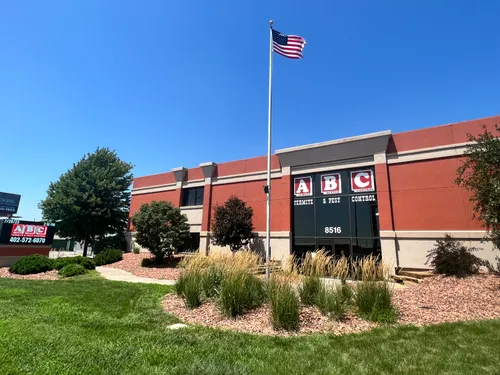
ABC Termite & Pest Control
8516 Maple St, Omaha, NE 68134
ABC Termite & Pest Control is a locally owned company serving Omaha, NE, and the surrounding areas. They provide residential and commercial pest control services, including termite inspections, bed bug treatments, rodent control, mosquito and tick treatments, and general pest extermination. The company uses safe methods to address infestations and prevent further issues. With over 20 years of experience, ABC Termite & Pest Control has completed more than 10,000 termite treatments and offers specialized services such as exterior spraying and combined trap and bait rodent control programs.
Miller Pest Solutions
3613 S 149th St, Omaha, NE 68144
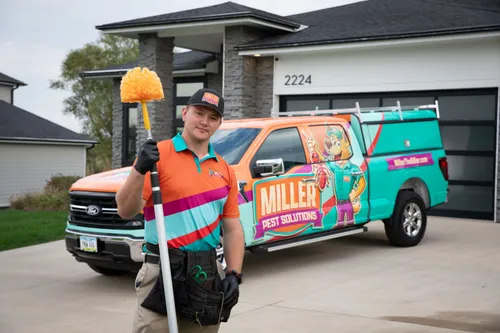
Miller Pest Solutions is a family-owned pest control company serving Omaha, NE, and surrounding areas since 2001. They offer comprehensive pest management for homes and businesses, including termite inspections and treatments, rodent control, mosquito management, and removal of bed bugs, cockroaches, ants, and stinging insects. Their approach includes thorough inspections, customized treatment plans, and ongoing seasonal visits to maintain pest-free properties. A key capability is their use of the Sentricon® bait station system for termite control, which targets colonies underground and provides long-term protection. The company serves multiple Nebraska communities and emphasizes tailored solutions guided by an in-house entomologist.
Presto-X Pest Control
11528 Centennial Rd Ste B&C, La Vista, NE 68128
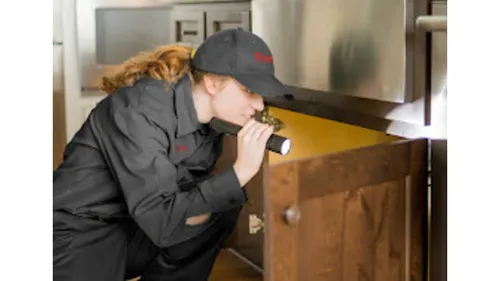
Presto-X Pest Control offers pest management services in Omaha, NE, specializing in the removal and prevention of common pests such as cockroaches, rodents, ants, ticks, fleas, and stored product insects. Their approach includes targeted treatments for homes and commercial spaces, sealing entry points for rodents, and customized plans to address seasonal pest challenges. The company is familiar with local pest behaviors and provides both indoor and outdoor solutions to reduce infestations and protect properties.
What is Integrated Pest Management (IPM)?
At the core of modern commercial pest management in Council Bluffs is a strategy known as Integrated Pest Management (IPM). This isn't a single treatment but a holistic, ongoing process. IPM is a science-based, ecosystem-focused approach that combines common-sense practices to manage pest damage with the least possible hazard to people, property, and the environment1. The goal is long-term prevention, not just reacting to an infestation after it's become a crisis. Local providers use IPM to create a sustainable defense for your business, focusing on why pests are there in the first place and how to make your facility less inviting2.
The Four-Tiered IPM Approach
Professional pest management companies structure their IPM programs around four key control methods, applied in a specific order of priority 3:
- Cultural and Sanitation Controls: This is the first and most critical line of defense. It involves altering the environment to remove the elements pests need to survive: food, water, and shelter. For a Council Bluffs restaurant, this means strict protocols for waste disposal, grease management, and food storage. In an office or retail space, it involves managing clutter and ensuring break rooms are kept clean.
- Physical and Mechanical Controls: This step involves blocking pests out and trapping those that get in. Technicians will identify and seal cracks in foundations, gaps around pipes, and other structural entry points. They will also install and maintain devices like rodent traps, fly lights, and insect monitors without relying on chemicals.
- Biological Controls: While less common in dense urban commercial settings, this method involves using natural predators or pathogens to control pest populations. It's a highly specialized aspect of IPM.
- Chemical Controls: In a true IPM program, pesticides are used only as a last resort and with precision. When needed, professionals select products that are targeted to the specific pest, applied in the safest manner possible, and used in the smallest effective quantity4. The emphasis is on targeted treatments, not blanket spraying.
The Step-by-Step Process for Commercial Facilities
A professional commercial pest management program follows a defined cycle. Understanding this process can help you know what to expect from a quality provider.
1. Thorough Inspection and Risk Assessment
Every effective program begins with a detailed inspection. A certified technician will examine your entire facility-interior, exterior, storage areas, and landscaping-to identify active pests, evidence of past activity, potential entry points, and conditions that attract pests (like moisture or food debris). They then conduct a risk evaluation, understanding the specific behaviors and threats posed by the pests found. For instance, a rodent problem in a food processing plant carries a different risk level than occasional ants in a corporate office.
2. Setting Action Thresholds
A key IPM principle is that not every single pest requires immediate chemical intervention5. An action threshold is the pest population level at which action must be taken to prevent unacceptable economic, health, or aesthetic damage. For a warehouse storing non-perishable goods, seeing a single spider may be within the threshold. For a healthcare facility, that threshold is zero. Your service plan should be built around these agreed-upon standards.
3. Implementation of a Custom Plan
Based on the inspection, the provider develops a customized pest management plan. This plan outlines the specific combination of the four control methods (cultural, physical, biological, chemical) that will be used for your facility. It details the treatment schedule, monitoring locations, and the specific products or techniques approved for use. This plan is your blueprint for pest-free operations.
Find the perfect commercial pest control companies for your needs
Get personalized recommendations and expert advice
4. Ongoing Monitoring and Documentation
The work doesn't stop after the initial service. Regular monitoring is the heartbeat of an IPM program. Technicians will check bait stations, inspect monitoring traps, and look for new signs of activity during each service visit. Crucially, they should provide detailed service reports that log what was observed, what actions were taken, and any recommendations for improvements on your end (e.g., "noted dumpster lid left open," "recommend sealing gap near loading dock door")6. This documentation is essential for compliance with health inspections and for tracking the program's effectiveness over time.
Common Pests Targeted in Council Bluffs Businesses
Commercial pest control services are equipped to handle a wide range of pests that threaten local businesses. Targeted treatments are developed for specific species based on their biology and behavior7.
- Rodents (Mice & Rats): These pests gnaw wires, contaminate products, and spread disease. Control focuses on exclusion (sealing entry points), trapping, and strategic baiting.
- Cockroaches: A major health code violation, especially in food service. Management requires intense sanitation, insect growth regulators (IGRs), and targeted gel baits.
- Ants: From tiny sugar ants to destructive carpenter ants, treatment involves finding the colony or nest and using specific baits and barriers.
- Flies & Mosquitoes: Important for businesses with outdoor seating or employee comfort. Control includes managing breeding sites (standing water, organic waste), installing fly lights, and applying residual barriers.
- Spiders: While often harmless, their webs are unsightly. Control focuses on eliminating their insect food source and applying targeted treatments to web-building areas.
- Stored Product Pests: These beetles and moths infest flour, grains, and other dry goods. Management requires meticulous inspection of incoming shipments and proper food storage.
Understanding Service Plans and Pricing
Commercial pest management is typically offered as an ongoing service plan, providing preventative maintenance and rapid response if issues arise8. Pricing in Council Bluffs is not one-size-fits-all; it is customized based on a detailed quote after an initial assessment. Several key factors influence cost9 10 11:
- Facility Size & Type: A small retail shop under 2,500 sq. ft. will have a lower base cost than a large distribution center over 50,000 sq. ft. The facility type (restaurant, warehouse, medical office, multi-tenant office building) also dictates the complexity and risk level of the service required.
- Pest Type and Pressure: A plan for general preventative maintenance for occasional invaders will cost less than a plan designed to eradicate an active German cockroach or rodent infestation. More challenging pests require more time and specialized materials.
- Service Frequency: Businesses with high-risk factors (like food handling) may require monthly service, while a low-risk office may be adequately served with quarterly visits. More frequent service typically increases the overall cost of the plan.
- Scope of Service: A plan that includes both interior and exterior service, wildlife management, or mosquito abatement will be priced higher than a basic interior-only plan.
Investing in a professional, preventative commercial pest management plan is almost always more cost-effective than reacting to a full-blown infestation, which can lead to lost inventory, regulatory fines, business closure, and reputational damage.
Choosing a Service Provider in Council Bluffs
When evaluating local commercial pest management companies, look for providers who emphasize IPM in their proposals. Ask to see sample inspection reports and service documentation. Ensure they are properly licensed and insured for commercial work in Iowa, and inquire about the experience and training of their technicians. A reputable provider will be transparent about their methods, willing to explain their action thresholds, and focused on partnering with you to solve the root causes of pest issues, not just applying temporary fixes.
Frequently asked questions
Sources
Footnotes
-
What Is Integrated Pest Management (IPM)? / UC Statewide IPM Program ... - https://ipm.ucanr.edu/what-is-ipm/ ↩
-
ABC Termite & Pest Control Council Bluffs, IA - https://abctermite-pest.com/about/council-bluffs-ia/ ↩
-
Unit 1: Principles of Pest Control - CTAHR.hawaii.edu - https://cms.ctahr.hawaii.edu/epp/Education/Study-Guide-Packets/APC-Core/APC-Unit1 ↩
-
Integrated Pest Management for Large Office Facilities - https://www.insectekpest.com/blog/integrated-pest-management-for-large-office-facilities/ ↩
-
Setting Action Thresholds - School Integrated Pest Management - https://schoolipm.tamu.edu/forms/pest-management-plans/setting-action-thresholds/ ↩
-
Integrated Pest Management - https://www.invasivespeciesinfo.gov/subject/integrated-pest-management ↩
-
Integrated Pest Management (IPM) Principles | US EPA - https://www.epa.gov/safepestcontrol/integrated-pest-management-ipm-principles ↩
-
Pest Control Council Bluffs - https://www.greenixpc.com/service-areas/iowa/council-bluffs ↩
-
Effective Pest Control Methods: Best Practices & Strategies - FieldRoutes - https://www.fieldroutes.com/blog/pest-control-methods ↩
-
Pricing Guide for Pest Control Business Owners - PestPac - https://www.pestpac.com/blog/pest-control-pricing-guide ↩
-
Local Commercial Pest Control in Omaha - https://www.qualitypestcontrolomaha.com/commercial/ ↩