Find the Best Commercial Pest Control Companies for Your Business
No obligation • Fast responses • Nationwide coverage

Why you can trust Pest Crews
Pest Crews is a leading U.S. resource for finding and evaluating residential and commercial pest control services. Our team researches providers, reviews treatment approaches, and organizes unbiased information to help you make informed decisions. Companies cannot pay to change our editorial content or influence how they appear.
Search providers near you
Top Commercial Pest Control Companies in Kansas City, Kansas Ranked
For any business in Kansas, from a bustling Wichita restaurant to a sprawling Topeka warehouse, effective pest management is a non-negotiable component of operations. Commercial pest control is a specialized service designed to protect your property, inventory, reputation, and the health of employees and customers from the threats posed by insects, rodents, and other pests. It matters because a single pest sighting can damage your brand, lead to health code violations, and cause significant financial loss. This resource helps you understand the process, regulations, and key considerations for securing professional pest management services tailored to the unique needs of your Kansas business.
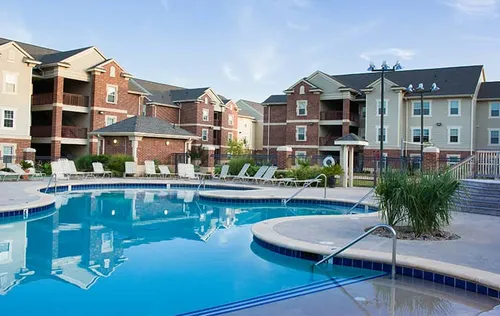
Augustine Exterminators, Inc.
9280 Flint St, Overland Park, KS 66214
Augustine Exterminators, Inc. is a family-owned pest control company serving Kansas City, MO, and the surrounding Greater Kansas City area. Established in 1966, they provide pest management solutions for homes and businesses, addressing issues such as termites, bed bugs, ants, rodents, mosquitoes, and spiders. Their team is trained and certified in both Kansas and Missouri, and they use Integrated Pest Management (IPM) strategies to control and prevent infestations while minimizing environmental impact. Augustine Exterminators is also QualityPro and GreenPro Certified, reflecting their commitment to sustainable pest control practices.
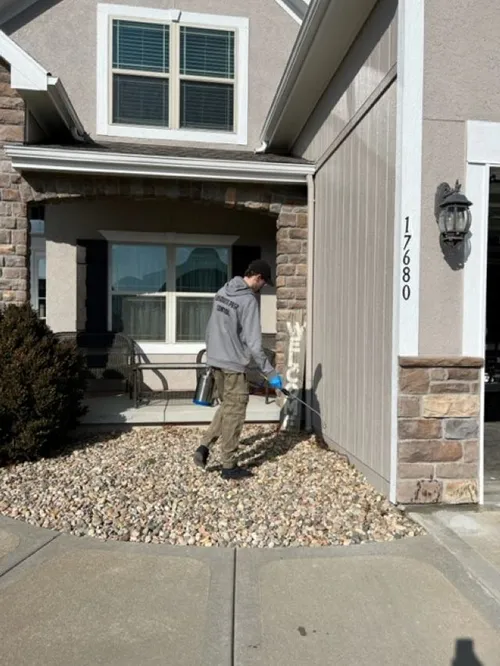
Absolute Pest Control
Kansas City, MO
Absolute Pest Control is a veteran-owned, family-operated pest control company based in Kansas City, MO. They provide comprehensive residential and commercial pest management services, including bed bug elimination, termite control, cockroach extermination, and bat removal. Their approach focuses on thorough inspections and customized treatment plans that address the root of pest problems using EPA-approved products. Absolute Pest Control emphasizes long-term solutions and safety for families and pets, applying responsible methods with attention to detail and transparency.
Crown Control - Termite & Pest
Kansas City, MO
Crown Control - Termite & Pest is a pest control company serving Kansas City, MO. They provide residential and commercial pest control services, addressing issues such as bed bugs, cockroaches, termites, spiders, centipedes, and rodents. With over 50 years of experience, their local technicians offer tailored treatments to meet unique pest problems in the Kansas City metro area.
Blue Beetle Pest Control
2540 W Pennway St Floor 2, Kansas City, MO 64108
Blue Beetle Pest Control is a pest management company based in Kansas City, MO, offering services for residential and commercial properties. They specialize in ant, rodent, termite, and general pest control, including thorough inspections and treatments to address infestations effectively. The team is experienced in handling various pest issues such as fleas, rats, spiders, and carpenter ants. Blue Beetle Pest Control is known for detailed property inspections and tailored treatment plans to meet client needs.
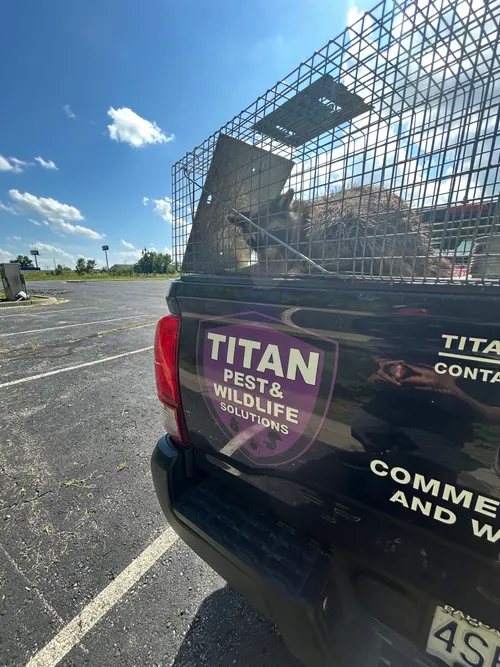
Titan Pest and Wildlife Solutions KC
7211 NW 83 St STE 150D, Kansas City, MO 64152
Titan Pest and Wildlife Solutions KC is a pest control and wildlife removal company based in Kansas City, MO. They offer services for both residential and commercial clients, including pest inspections to help identify issues before treatment. Their expertise covers a range of pest and wildlife management solutions tailored to local needs.
Understanding Kansas Commercial Pest Control Regulations
Operating a pest management business for commercial clients in Kansas is a regulated profession. The state mandates specific licensing and operational standards to ensure safety and efficacy. Any company you hire should be fully compliant with these rules, which are designed to protect you and the public.
Licensing and Certification: At the state level, a pest control business must hold a valid Kansas Pesticide Business License issued by the Kansas Department of Agriculture (KDA) 1. Furthermore, any individual applying pesticides in a commercial setting must be a certified commercial applicator 1. This certification requires passing exams that demonstrate knowledge of pesticide safety, laws, and pest biology. This two-tiered system ensures the company is authorized to operate and its technicians are properly trained.
Documentation and Transparency: Kansas law (K.S.A. 2-2455) requires detailed record-keeping for all commercial pesticide applications 2 3. Before service begins, the provider must furnish you with a written service statement. This document should outline the pests to be controlled, the pesticides proposed for use (if any), and any safety precautions 2. After each service, the applicator must provide a record of the specific chemicals used, rates, locations treated, and the date. This transparency is crucial for your records and for ensuring the work aligns with your facility's safety protocols.
Compliance and Integrated Pest Management (IPM): Reputable providers follow an Integrated Pest Management philosophy, which is often embedded in regulatory guidance. IPM emphasizes using pesticides only when necessary and at the lowest effective rates, prioritizing non-chemical methods like exclusion and sanitation first 4 5. Compliance isn't just about following the letter of the law; it's about employing the most responsible, effective, and sustainable strategies for long-term pest prevention.
Common Pest Threats to Kansas Businesses
The pest pressures a business faces can vary greatly depending on its industry, location, and physical structure. However, several pests are universally problematic for commercial properties across the Sunflower State.
- Cockroaches: A major health concern, especially for food-related businesses. They contaminate surfaces, trigger allergies, and are notoriously difficult to eradicate once established.
- Rodents (Mice and Rats): These pests seek warmth, food, and shelter, making commercial buildings-particularly those with loading docks, storage areas, or kitchens-prime targets, especially during colder Kansas months 6 7. They gnaw on wires, insulation, and inventory, posing fire risks and causing structural damage.
- Ants: From odorous house ants to pavement ants, these social insects can invade in large numbers, contaminating food and becoming a nuisance in office spaces, break rooms, and retail environments.
- Termites: While often associated with homes, termites do not discriminate and can cause catastrophic structural damage to commercial buildings. Subterranean termites are active throughout Kansas.
- Bed Bugs: Considered one of the most challenging pests to eliminate, bed bugs are not a sign of uncleanliness and can be introduced into any business-hotels, offices, healthcare facilities, and theaters-via clients, customers, or employees 8.
- Flies and Stored Product Pests: For warehouses, distribution centers, and food processing plants, insects that infest stored goods (like beetles and moths) and filth flies are a constant threat to product integrity.
The Professional Commercial Pest Control Process
A high-quality service goes far beyond sporadic spraying. It is a systematic, ongoing partnership. Here is the standard process you can expect from a professional provider:
- Comprehensive Inspection: The foundation of any effective program is a thorough inspection. A certified technician will examine your property inside and out to identify active pest issues, evidence of past activity, potential entry points, and conditions that are conducive to pests (e.g., moisture problems, structural gaps, poor sanitation).
- Customized Action Plan: Based on the inspection, the provider will develop a tailored Integrated Pest Management (IPM) plan. This written plan details the specific strategies to be employed, which may include sanitation recommendations, structural exclusions (sealing cracks), mechanical traps, monitoring devices, and the judicious use of pesticides if and where needed 9. The goal is a targeted solution, not a one-size-fits-all chemical application.
- Implementation with Minimal Disruption: Professional companies are experienced in working within active business environments. Treatments are scheduled to minimize impact on your operations. This may involve using baits and traps in sensitive areas, applying treatments in non-peak hours, and ensuring all methods are safe for your specific setting 10.
- Ongoing Monitoring & Documentation: Pest management is proactive, not reactive. The service includes regular monitoring visits where technicians check placed devices, inspect for new activity, and document their findings. This data is used to track trends and adjust the strategy before a small issue becomes a major infestation.
- Prevention and Client Partnership: The most successful programs are collaborative. Your provider will offer recommendations for preventive measures, such as repairing damaged screens, managing landscaping to avoid contact with the building, and improving waste management practices 11. Educating your staff on proper food storage and reporting procedures is also a key component of long-term success.
Find the perfect commercial pest control companies for your needs
Get personalized recommendations and expert advice
Understanding Service Contracts and Pricing
Commercial pest control is typically provided under a service contract. This agreement defines the relationship, sets expectations, and outlines costs. Understanding the components of a contract helps you make an informed decision.
What Influences Cost? Pricing for commercial pest management in Kansas is not standardized and is highly customized. Key factors include 12 13 14:
- Property Size and Complexity: A small office suite costs less to service than a large manufacturing plant or a multi-building campus.
- Type of Business (Industry Risk): A restaurant or food processing facility inherently has higher pest pressure and regulatory scrutiny than a standard office building, often requiring more frequent service.
- Pest Pressure and History: An active infestation of a difficult pest like bed bugs or rodents will require more intensive initial treatment than a preventive program for general insects.
- Service Frequency: Contracts can be monthly, bi-monthly, quarterly, or tailored to your needs. More frequent visits generally mean higher ongoing costs but better prevention.
- Scope of Services: A contract may cover "general pests" (ants, roaches, spiders) but list additional fees for specific treatments like termite control, bird abatement, or emergency rodent service.
Contract Structure: Most agreements involve a recurring service fee that covers the scheduled inspection, monitoring, and preventive treatments 15. This provides predictable budgeting. The contract should clearly state what is included in this base fee and what constitutes an "extra service" that would incur additional charges. Always review the terms regarding response times for issues that arise between scheduled visits.
Choosing the Right Provider for Your Kansas Business
Selecting a pest management partner is a significant business decision. Look for a provider that demonstrates:
- Proper Kansas Licensing: Verify their active Pesticide Business License and certified applicators.
- Experience in Your Industry: Ask for references from similar businesses (e.g., other restaurants, warehouses, healthcare facilities).
- IPM Focus: Their proposed plan should emphasize inspection, monitoring, and prevention, not just chemical reliance.
- Clear Communication and Documentation: They should be willing to explain their methods and provide clear, detailed service reports.
- Insurance: Ensure they carry adequate liability insurance.
A professional commercial pest control program is an investment in your business's safety, compliance, and reputation. By understanding the regulations, process, and common pests in Kansas, you can partner with a qualified provider to create a pest-free environment.
Frequently asked questions
Sources
Footnotes
-
Pesticide Business | Department of Agriculture - https://www.agriculture.ks.gov/divisions-programs/pesticide-and-fertilizer/pesticide-business ↩ ↩2
-
2-2455 - Kansas Office of Revisor of Statutes - https://ksrevisor.gov/statutes/chapters/ch02/002_024_0055.html ↩ ↩2
-
Kansas Statutes Chapter 2. Agriculture § 2-2455 - Codes - FindLaw - https://codes.findlaw.com/ks/chapter-2-agriculture/ks-st-sect-2-2455/ ↩
-
S12 General Manual: Pesticide Application Training - https://bookstore.ksre.ksu.edu/pubs/general-manual-pesticide-application-training_S12.pdf ↩
-
Exhibit B Performance Work Statement General Pest Control ... - https://imlive.s3.amazonaws.com/Federal%20Government/ID280616904598373166827858509204194201534/Exhibit%20B-General%20Pest%20Management%20PWS.pdf ↩
-
Commercial Pest Control in Kansas City - https://www.augustineexterminators.com/commercial-pest-control/ ↩
-
Maintenance Tips for Your Kansas Rental Properties - https://www.ymcorp.com/maintenance-tips-kansas-rental-properties/ ↩
-
What Is The Hardest Pest To Get Rid Of? - Alder Pest Control - https://www.alderpestcontrol.com/what-is-the-hardest-pest-to-get-rid-of ↩
-
The Commercial Property Manager's Guide to Pest Control ... - https://neusetermiteandpest.com/blog/the-commercial-property-managers-guide-to-pest-control-compliance ↩
-
Industrial Pest Control Services | Gregory Pest Control - https://www.smarterpestcontrol.com/commercial-services/industries ↩
-
Commercial Pest Control | Exterminators For Businesses - https://www.gogreenpestcontrol.com/commercial-pest-control/ ↩
-
Commercial Pest Control in Lenexa - Augustine Exterminators - https://www.augustineexterminators.com/where-we-service/lenexa/commercial-pest-control/ ↩
-
Knoxville Commercial Pest Control: Essential Facility Maintenance ... - https://www.myshyft.com/blog/commercial-pest-control-service-contracts-knoxville-tennessee/ ↩
-
Pest Control for Commercial Properties - Pinnacle Solutions - https://www.pinnsolutions.com/commercial-properties/ ↩
-
Memphis Commercial Pest Control: Essential Facility Maintenance Guide - myshyft.com - https://www.myshyft.com/blog/commercial-pest-control-service-contracts-memphis-tennessee/ ↩