Find the Best Commercial Pest Control Companies for Your Business
No obligation • Fast responses • Nationwide coverage

Why you can trust Pest Crews
Pest Crews is a leading U.S. resource for finding and evaluating residential and commercial pest control services. Our team researches providers, reviews treatment approaches, and organizes unbiased information to help you make informed decisions. Companies cannot pay to change our editorial content or influence how they appear.
Search providers near you
Top Commercial Pest Control Companies in Bloomfield, Michigan Ranked
For Michigan businesses, a proactive pest management strategy is not just about convenience-it's a critical component of operational safety, regulatory compliance, and brand protection. Commercial pest control services provide specialized protection for facilities like offices, warehouses, restaurants, and healthcare centers, focusing on long-term prevention and targeted solutions. This resource explains the essential practices, regulatory landscape, and service considerations for Michigan business owners and property managers seeking to safeguard their premises from damaging and unsanitary infestations.

Rose Pest Solutions Metro Detroit North
2145 Heide St, Troy, MI 48083
Rose Pest Solutions Metro Detroit North is a pest control company serving Detroit, MI. They specialize in commercial pest control, offering customized pest management programs for industries such as entertainment venues, food processing, restaurants, hotels, healthcare, and education. The company employs Board Certified Entomologists to identify and address pest issues effectively. Rose Pest Solutions has been family-owned and operated for over 160 years, providing extensive experience in pest control.

EcoShield Pest Solutions
31557 Schoolcraft Rd Suite 100, Livonia, MI 48150
EcoShield Pest Solutions provides a range of pest control services in Detroit, MI, including bed bug treatment, cockroach and ant control, rodent and wildlife exclusion, termite inspection and prevention, and mosquito elimination. They offer specialized plans such as the Home Shield for general pest protection and the Exclusion Shield to keep rodents and wildlife out. EcoShield emphasizes environmentally conscious pest control methods and employs state-licensed technicians trained to apply EPA-regulated materials safely. Their services cover both residential and commercial properties with a focus on effective, less pesticide-intensive solutions.

Solidified Pest Control
32401 W 8 Mile Rd #2-9, Livonia, MI 48152
Solidified Pest Control is a family-owned pest control company serving Detroit, MI. They offer eco-friendly pest and wildlife control solutions tailored to homes and businesses. Their services include treatment for bed bugs, cockroaches, ants, rodents, and wildlife removal. Solidified Pest Control provides product labels and safety data sheets for all products used, ensuring transparency and safety for customers and the environment.

Rose Pest Solutions Metro Detroit West
32952 Capitol St, Livonia, MI 48150
Rose Pest Solutions Metro Detroit West offers pest control services in Detroit, MI, specializing in bed bug, cockroach, ant, and rodent control. They provide customized commercial pest management programs for various industries, including entertainment venues, food processing, restaurants, hotels, healthcare, and education. With over 160 years of family-owned experience, the company uses expertise from Board Certified Entomologists to identify and address pest problems effectively.

BTR Pest Control
29712 Trancrest St, Livonia, MI 48152
BTR Pest Control is a family-owned pest control company serving Detroit, MI, specializing in both residential and commercial properties. The company emphasizes environmentally responsible pest management, following EPA guidelines to protect bees, butterflies, and bats while using eco-friendly pesticides. Their technicians bring many years of experience, ensuring thorough service with a 90-day guarantee. BTR Pest Control also provides clients with wildflower planting packages to support local wildlife.
Why Professional Pest Management is Critical for Michigan Businesses
Pests in a commercial setting pose significant risks that go beyond a simple nuisance. Rodents and insects can contaminate products, damage structural integrity, and create serious health hazards for employees and customers 1. For industries like food service, hospitality, or pharmaceuticals, a single pest sighting can lead to failed health inspections, costly fines, and irreparable damage to your reputation 2. In Michigan, with its distinct seasons, pests seek shelter indoors, making businesses with food, warmth, and entry points particularly vulnerable year-round. Professional commercial extermination moves beyond reactive spraying to implement a structured, documented system designed to prevent infestations before they start, protecting your investment and your peace of mind.
Understanding Michigan's Regulatory Landscape for Commercial Pest Control
Michigan has specific regulations that govern pest management in many commercial and public spaces. Foremost among these is the mandate for Integrated Pest Management (IPM). Under Michigan's Natural Resources and Environmental Protection Act (Act 451) and Regulation 637, the use of IPM is required for pesticide applications in schools, daycare centers, public buildings, and healthcare facilities. This means licensed commercial applicators working in these environments must have specific IPM training and prioritize non-chemical methods.
Key regulatory requirements include:
- IPM Plans: Facilities like schools must have a written IPM plan on file.
- Posting Notifications: For certain pesticide applications in public or healthcare settings, commercial applicators are required to post signs notifying occupants for 48 hours after treatment 3 4.
- Record-Keeping: Detailed documentation of inspections, pest sightings, and actions taken is a cornerstone of compliant IPM practice.
Working with a licensed Michigan pest control provider ensures your business meets these legal obligations, reducing liability and promoting a safer environment.
Common Commercial Pests in Michigan Facilities
Different pests threaten different types of businesses. A comprehensive pest management program begins with identifying the likely culprits.
- Rodents (Mice & Rats): These are among the most destructive commercial pests. They gnaw on wires, insulation, and structural wood, posing a fire risk and causing extensive property damage. They also contaminate surfaces and stored goods with droppings, which can spread diseases.
- Cockroaches & Flies: Synonymous with poor sanitation, these insects thrive in areas with food and moisture, such as restaurant kitchens, break rooms, and garbage disposal areas. They are known carriers of pathogens like E. coli and Salmonella.
- Ants: From tiny odorous house ants to larger carpenter ants, these pests invade in search of food and water. Carpenter ants can also excavate wood to build nests, causing structural damage over time.
- Stored Product Pests: Weevils, moths, and beetles can infest dry goods in warehouses, grocery stores, and food processing plants, leading to massive product loss and contamination.
- Termites: While often associated with homes, termites do not discriminate and will feed on the structural wood of commercial buildings, potentially causing severe and costly damage that is often hidden from plain view 5.
Find the perfect commercial pest control companies for your needs
Get personalized recommendations and expert advice
The Commercial Pest Control Process: Inspection, Prevention, and Treatment
Professional commercial pest management follows a systematic, phased approach centered on IPM principles. It's a cycle of inspection, prevention, monitoring, and targeted action.
1. Thorough Site Evaluation and Inspection
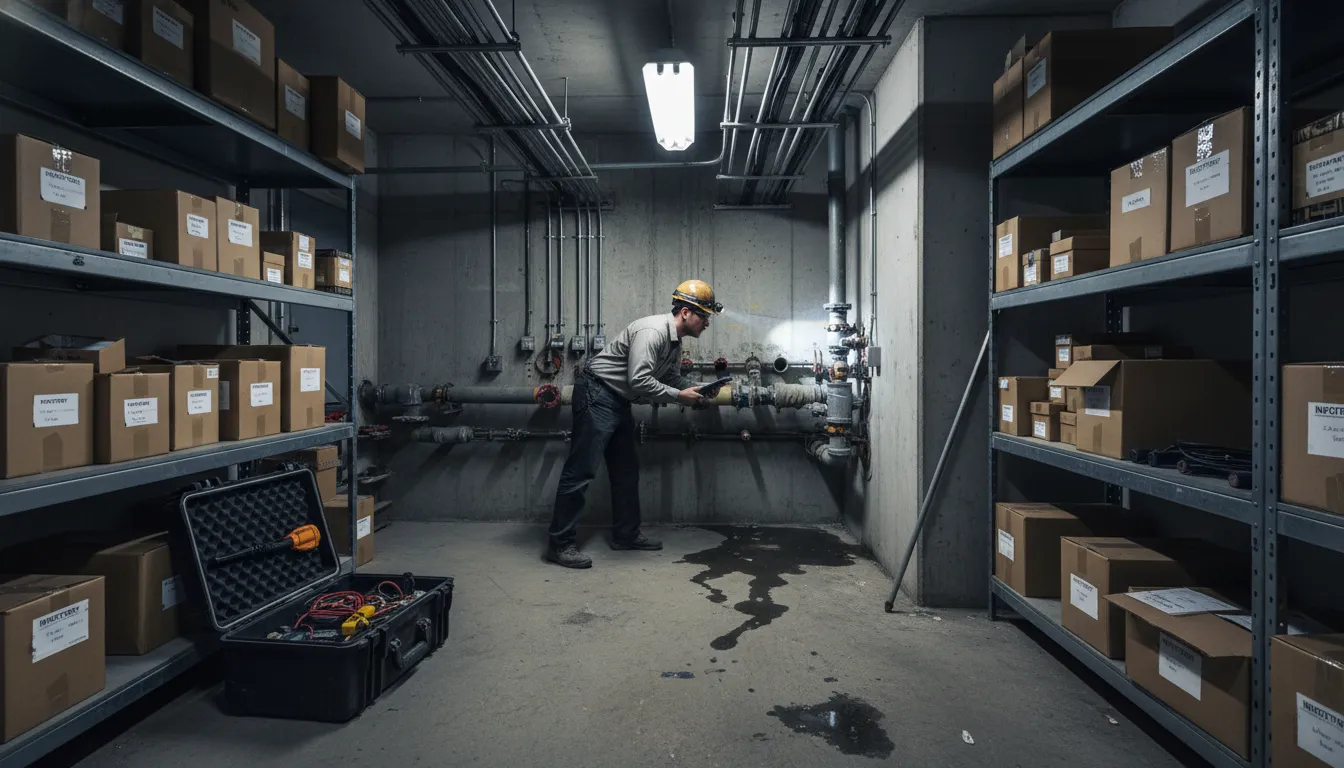
The process begins with a detailed assessment of your entire facility. A trained specialist will inspect high-risk zones like loading docks, storage areas, kitchens, utility rooms, and foundation perimeters. They look for current pest activity, signs of past infestations, and conditions that attract pests, such as moisture issues, entry points, and sanitation concerns 6. This evaluation forms the baseline for your customized management plan.
2. Focus on Proactive Prevention
The core of IPM is preventing pests from becoming a problem. Your service plan will emphasize physical and mechanical controls to make your facility less inviting 7. This includes:
- Exclusion: Sealing cracks, gaps around pipes, and other entry points with appropriate materials.
- Sanitation Guidance: Recommending improvements in waste management, spill cleanup, and food storage practices.
- Habitat Modification: Removing clutter, fixing leaks, and managing landscaping to reduce pest harborage near the building 8.
3. Ongoing Monitoring and Documentation
Prevention is supported by constant vigilance. Your provider will place monitoring devices like insect traps and rodent stations in strategic locations. These are checked during regular service visits (often monthly or quarterly) to detect pest activity at the earliest possible stage 9 10. Meticulous documentation in a pest activity logbook is crucial for tracking trends, demonstrating due diligence to health inspectors, and refining the management strategy over time 11 10.
4. Targeted Treatment and Control
When active infestations are found, control methods are chosen with specificity and minimal environmental impact. Chemical treatments are used as a last resort and are applied in a targeted, limited manner-such as crack-and-crevice treatments-rather than broad, indiscriminate spraying 12. The choice of treatment always considers the safety of building occupants and aligns with the facility's specific operational needs.
What to Expect from Service Contracts and Pricing
Commercial pest control is typically provided under a recurring service contract. This ensures consistent monitoring, rapid response, and ongoing prevention. Pricing for these plans in Michigan varies widely, from approximately $35 to over $2,000 per month13 14. The final cost depends on several key factors:
- Facility Size and Type: A small retail shop will cost less than a large warehouse or multi-building campus.
- Industry and Risk Level: Businesses handling food (restaurants, food processing) or serving vulnerable populations (healthcare, daycare) often require more intensive and frequent service.
- Pest Pressure: The type of pest (e.g., rodents vs. occasional ants) and the history of infestation influence the plan's complexity.
- Service Frequency: Monthly, bi-monthly, or quarterly visit schedules are available, with more frequent visits generally costing more.
When evaluating providers, look beyond the price quote. Assess their understanding of Michigan IPM regulations, the depth of their inspection process, the clarity of their reporting, and their willingness to develop a true partnership focused on your facility's unique needs.
Building a Pest-Resistant Commercial Facility
A strong partnership with a pest management professional is essential, but daily practices within your business are equally important. Employees should be trained to be the first line of defense. Encourage staff to report pest sightings immediately, maintain clean workspaces, store food in sealed containers, and properly manage trash. Regularly audit your own facility for the simple prevention steps you can control: ensure doors seal tightly, repair leaky faucets, keep dumpster areas clean, and trim back vegetation from the building's exterior. By combining professional expertise with vigilant in-house practices, you create a comprehensive defense that keeps your Michigan business safe, compliant, and pest-free.
Frequently asked questions
Sources
Footnotes
-
Pest Control for Michigan Property Managers - https://www.pestprosmi.com/blog/how-pest-control-services-help-property-managers-maintain-safe-environments/ ↩
-
Pest Control in Pharmaceutical Industry - https://www.assuredenvironments.com/services/industry-solutions/pharmaceutical-industry ↩
-
State of Michigan Integrated Pest Management Training Manual - https://www.michigan.gov/mdard/-/media/Project/Websites/mdard/documents/pesticide-plant-pest/pesticide/ipm_training_manual.pdf ↩
-
Integrated Pest Management Program Information - State of Michigan - https://www.michigan.gov/-/media/Project/Websites/mdard/documents/pesticide-plant-pest/pesticide/ipm_program_information.pdf?rev=c8d8fc8e2a4a435983b75128b6d41f32 ↩
-
Commercial Pest Control Michigan, Ohio and Indiana - https://www.rosepestsolutions.com/commercial-services/commercial-pest-control ↩
-
Commercial Pest Inspection Checklist [PDF] | Pestech - https://pestech.com/blog/diy-commercial-pest-inspection-checklist/ ↩
-
Commercial Pest Control Michigan | Business Extermination ... - https://www.creaturecontrol.com/pest-control/commercial/ ↩
-
Commercial Pest Control for Businesses - LockLichim - https://goteamtrust.com/blog/pest-control/commercial-pest-control ↩
-
State of Michigan Integrated Pest Management Training Manual - https://www.msbo.org/wp-content/uploads/2022/09/Integrated-Pest-Management-Training-Manual.pdf ↩
-
The Commercial Property Manager's Guide to Pest Control ... - https://neusetermiteandpest.com/blog/the-commercial-property-managers-guide-to-pest-control-compliance ↩ ↩2
-
Integrated Pest Management Program Information - https://www.michigan.gov/mdard/-/media/Project/Websites/mdard/documents/pesticide-plant-pest/pesticide/ipm_program_information_template.pdf ↩
-
Effective Pest Control Methods: Best Practices & Strategies - FieldRoutes - https://www.fieldroutes.com/blog/pest-control-methods ↩
-
Pest Control For Commercial Properties: Cost Guide For ... - https://markets.businessinsider.com/news/stocks/pest-control-for-commercial-properties-cost-guide-for-business-owners-released-1035689016 ↩
-
Commercial Pest Control: Types, Cost, & Best Companies - https://connorspestpros.com/commercial-pest-control-types-cost-best-companies/ ↩