Find the Best Commercial Pest Control Companies for Your Business
No obligation • Fast responses • Nationwide coverage

Why you can trust Pest Crews
Pest Crews is a leading U.S. resource for finding and evaluating residential and commercial pest control services. Our team researches providers, reviews treatment approaches, and organizes unbiased information to help you make informed decisions. Companies cannot pay to change our editorial content or influence how they appear.
Search providers near you
Best Commercial Pest Control Companies in North Dakota Ranked
Maintaining a pest-free environment is a critical business operation in North Dakota. Commercial pest control protects your property, inventory, and reputation while ensuring compliance with state health and safety regulations. This resource provides essential information on the regulatory landscape, common pests, and standard service processes to help you understand your options and connect with licensed, local professionals who can develop a customized protection plan for your facility.
Understanding North Dakota's Regulatory Framework
Commercial pest management in North Dakota is a regulated industry overseen by the North Dakota Department of Agriculture (NDDA). The NDDA is delegated authority to enforce federal and state pesticide laws, including the Federal Insecticide, Fungicide, and Rodenticide Act (FIFRA) 1. This means any company providing commercial extermination services must operate within a strict set of rules designed to protect people, property, and the environment.
Key state requirements for commercial pest management providers include:
- Certified Applicators: Any technician applying pesticides for hire must be certified by the state. Certification involves passing exams that demonstrate knowledge of safe handling, application techniques, and relevant laws 2.
- Mandatory Record Keeping: Detailed records of every pesticide application must be maintained. By law, applicators must provide a copy of these records to the client (the business owner or manager) within 30 days, unless the right to a copy is explicitly waived in writing 3.
- Secure Storage: Companies must store pesticides in facilities that prevent unauthorized access, have spill containment kits, and are clearly marked with appropriate signage. Pesticides cannot be stored near food, feed, seed, or fertilizer.
- Integrated Pest Management (IPM) Emphasis: The NDDA actively promotes an IPM approach. This is a strategic, multi-tactic method that prioritizes long-term prevention and uses chemical controls only as a targeted last resort. A proper IPM plan is built on inspection, monitoring, and a combination of methods like sanitation, exclusion (sealing entry points), and habitat modification.
Understanding these regulations helps you, as a business owner, vet potential service providers. You should expect to receive detailed service reports and work with technicians who can explain their IPM-based strategy.
Common Commercial Pests in North Dakota
Businesses across the state face a variety of pest threats that can vary by industry, season, and building type. Identifying the specific pest is the first step toward an effective control strategy.
- Rodents: Mice and rats are among the most problematic pests for North Dakota businesses, especially as temperatures drop in autumn and winter. They seek shelter, food, and water inside warehouses, restaurants, and office buildings. Rodents can contaminate products, gnaw on wiring (creating fire hazards), and spread diseases.
- Cockroaches: These resilient pests thrive in environments with food and moisture, making restaurants, grocery stores, and food processing facilities particularly vulnerable. Cockroaches are known to trigger allergies and asthma and can severely damage a business's reputation if spotted by customers.
- Ants: Various ant species, including pavement ants and odorous house ants, commonly invade commercial spaces in search of food. They can contaminate food supplies and become a persistent nuisance in break rooms, kitchens, and retail spaces 4.
- Stored Product Pests: Warehouses, distribution centers, and food manufacturing plants must guard against insects like Indian meal moths and warehouse beetles that infest grains, flour, dried fruits, and other stored commodities.
- Flies: Fruit flies, drain flies, and house flies are not just a nuisance; they are vectors for bacteria and can quickly become a sanitation issue in any business dealing with food or waste 5.
- Termites: While less common than insects and rodents, termites pose a significant structural threat to buildings with wood components. Subterranean termites can cause extensive, costly damage that often isn't visible until it's severe 6.
- Occasional Invaders: This category includes pests like spiders, ground beetles, and boxelder bugs that may wander indoors but typically do not establish reproducing infestations inside. They can, however, alarm employees and customers.
Find the perfect commercial pest control companies for your needs
Get personalized recommendations and expert advice
The Commercial Pest Control Service Process
Professional commercial pest management is not a one-time event but an ongoing cycle of prevention and monitoring. Reputable providers follow a systematic process aligned with Integrated Pest Management principles.
1. Initial Inspection and Risk Assessment
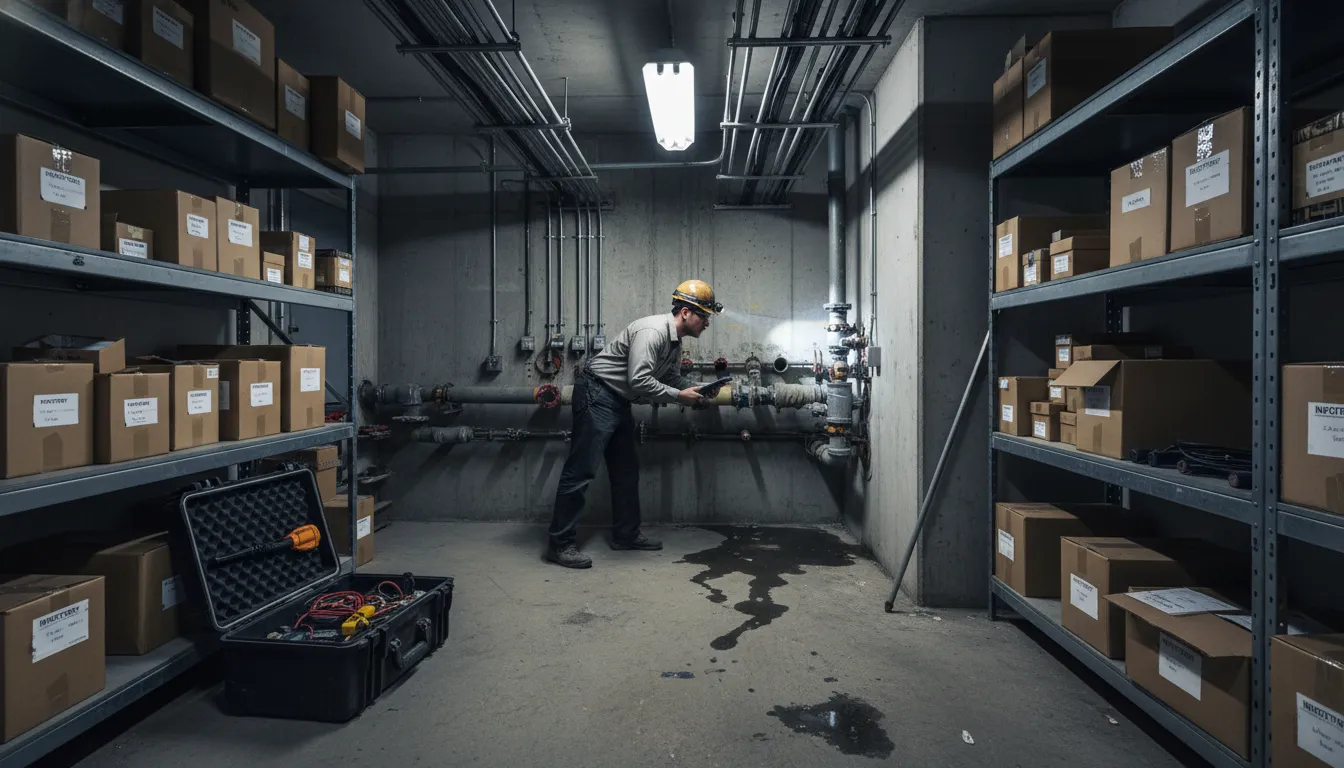
The process begins with a thorough inspection of your property, both inside and out. A licensed technician will look for signs of current pest activity, identify potential entry points (e.g., gaps around doors, utility penetrations, cracks in the foundation), and assess conditions that attract pests, such as moisture issues, poor sanitation, or clutter that provides harborage. This assessment is crucial for developing a plan tailored to your specific business and building 7.
2. Pest Identification & Custom Plan Development
Accurate pest identification is essential because control methods differ drastically. A plan for German cockroaches is not the same as one for Norway rats. Based on the inspection findings, the provider will develop a written plan that outlines the specific pests targeted, the control methods to be used (prioritizing non-chemical approaches), the treatment schedule, and the roles of both the pest control company and your staff in maintaining a pest-free environment 8 9.
3. Targeted Treatment Implementation
Treatments are executed by certified technicians using the methods outlined in the plan. This may involve setting tamper-resistant bait stations for rodents, applying targeted insect baits or gels in cracks and crevices, installing insect light traps (ILTs) for flying insects, or using exclusion materials like sealant and copper mesh to block entry points. A key aspect of commercial service is scheduling treatments to cause minimal disruption to your daily operations, often during off-hours or weekends 10.
4. Ongoing Monitoring & Maintenance
Consistent follow-up is the cornerstone of effective commercial pest management. Your service contract will include regular visits (monthly, quarterly, etc.) where the technician will inspect monitoring devices, refresh baits, check for new activity, and document their findings. This proactive approach catches new problems early, before they become full-blown infestations 11.
5. Documentation & Communication
As required by NDDA regulations, you should receive a detailed service report after each visit. This documentation is vital for your records, demonstrating due diligence to health inspectors or auditors. Open communication with your provider about any pest sightings or changes in your facility (like construction or new shipments) is also critical for adapting the plan as needed 12 13.
Understanding Service Costs and Contracts
Pricing for commercial pest management in North Dakota is not one-size-fits-all. It is customized based on factors like the type of business (restaurant vs. warehouse), the square footage of the facility, the severity of any existing infestation, and the frequency of service required 14 15.
Available data suggests initial treatment costs for common commercial pest issues in the state average as follows 16:
- Initial treatment for general insects: Approximately $140.
- Initial rodent control service (inspection and trap setting): Approximately $153.
- Termite treatment: Averages around $7.40 per linear foot of the structure's foundation.
Most businesses benefit from an ongoing service contract, which transforms pest control from a reactive expense into a predictable, budgeted line item for prevention. These contracts typically include the initial inspection, regular scheduled service visits, monitoring, and often priority service for any issues that arise between visits. The exact monthly or quarterly cost of a maintenance contract requires a professional quote, as it is based on the unique risk profile and needs of your property 17 18 19.
Investing in a professional commercial pest management program is an investment in your business's operational continuity, asset protection, and brand integrity. By partnering with a licensed North Dakota provider who follows IPM principles and state regulations, you create a safer, healthier, and more compliant environment for everyone.
Frequently asked questions
Sources
Footnotes
-
Pesticide Program | North Dakota Department of Agriculture - https://www.ndda.nd.gov/divisions/pesticide-fertilizer-division/pesticide-program ↩
-
Pesticide Certification: What, Why, and How-To - NDSU - https://www.ndsu.edu/agriculture/ag-hub/programs/pesticide-certification-program/certification-info/pesticide-certification-what-why ↩
-
North Dakota Department of Agriculture Pesticide Registration and Exemption Guidelines - https://www.ndda.nd.gov/sites/www/files/documents/files/NDDA%20Pesticide%20Guidelines%205-30-12.pdf ↩
-
Prairie Pest Control | Exterminator Fargo | 701-893-8660 - https://www.prairiepestcontrol.net/ ↩
-
Top 10 pest challenges for commercial properties - https://www.rentokil.com/us/about/blog/commercial-property/top-10-pests ↩
-
What You Need to Know About Commercial Termite and Pest ... - https://www.focusbuildinginspections.com/blog/what-you-need-to-know-about-commercial-termite-and-pest-issues ↩
-
Top-Rated ... - Commercial Pest Control in Bismarck, ND - https://antsrodentsbismarck.com/commercial-pest-control/ ↩
-
Commercial Termite Control in Fargo, ND - #1 Pest Control in ... - https://fargotermite.com/commercial/ ↩
-
Comprehensive Guide to Commercial Pest Services - - https://callbama.com/comprehensive-guide-to-commercial-pest-services/ ↩
-
Best Practices for Your IPM Program - https://news.orkin.com/rs/890-ICZ-719/images/The-Commercial-Pest-Control-Guidebook.pdf ↩
-
New Haven Commercial Pest Control: Essential Facility Maintenance Guide - myshyft.com - https://www.myshyft.com/blog/commercial-pest-control-service-contracts-new-haven-connecticut/ ↩
-
PESTICIDE REGULATORY COMPLIANCE GUIDE - https://www.ndda.nd.gov/sites/www/files/documents/files/PesticideComplianceGuideFINAL.pdf ↩
-
Office of Safety - | University of North Dakota - https://campus.und.edu/facilities-management/_files/docs/und-pest-management-plan.pdf ↩
-
How to set commercial pest control prices that maximize ROI - https://gorilladesk.com/learn/how-to-set-commercial-pest-control-prices/ ↩
-
Commercial | Services - https://www.interstatepest.com/services/commercial/ ↩
-
North Dakota Pest Control Costs & Prices - ProMatcher.com - https://pest-control.promatcher.com/cost/north-dakota.aspx ↩
-
The Ultimate Guide to Commercial Pest Control - AIMVO - https://aimvopestcontrol.com/the-ultimate-guide-to-commercial-pest-control/ ↩
-
Contracts with Clark Exterminating - https://clarkexterminating.com/blog/contracts-with-clark-exterminating/ ↩
-
Commercial Services - https://www.gannonpestcontrol.com/commercial-services/ ↩