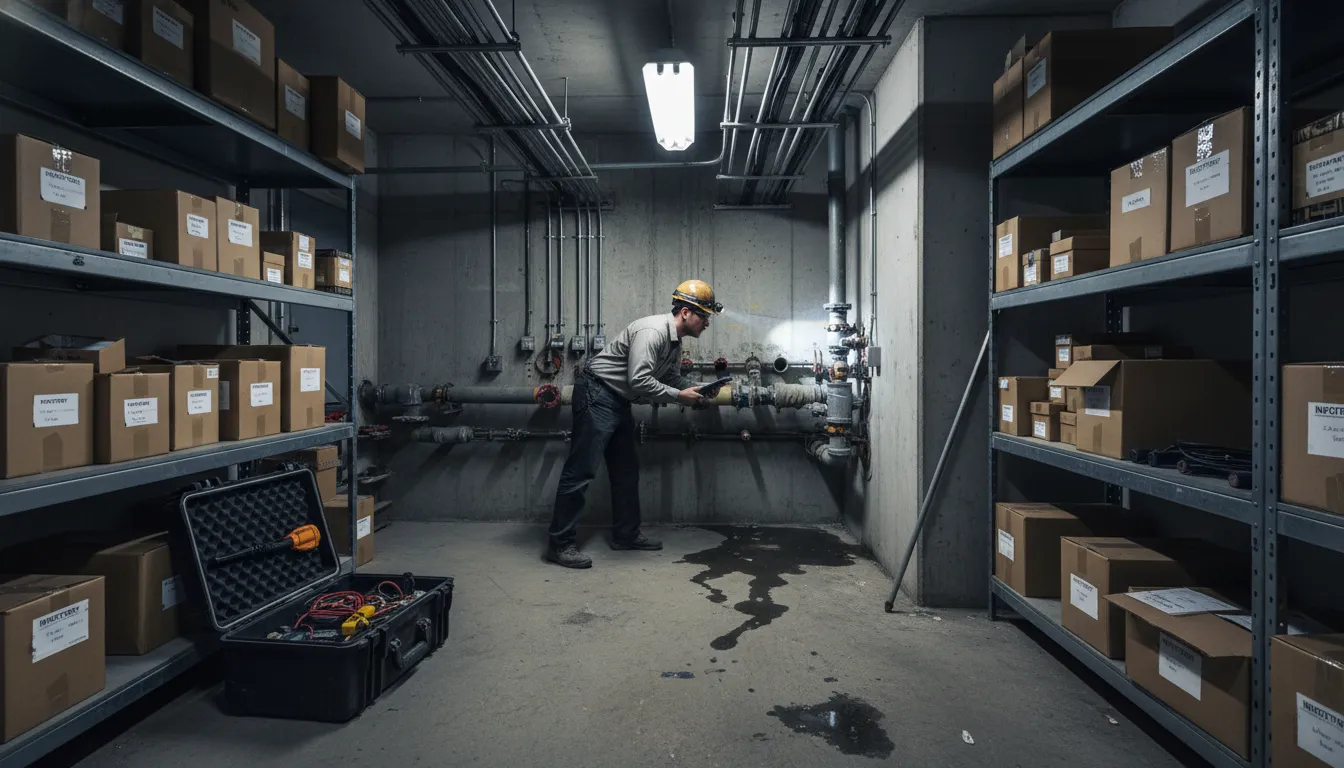
Find the Best Commercial Pest Control Companies for Your Business
No obligation • Fast responses • Nationwide coverage

Why you can trust Pest Crews
Pest Crews is a leading U.S. resource for finding and evaluating residential and commercial pest control services. Our team researches providers, reviews treatment approaches, and organizes unbiased information to help you make informed decisions. Companies cannot pay to change our editorial content or influence how they appear.
Search providers near you
Best Commercial Pest Control Companies in Nebraska Ranked
For Nebraska businesses, effective pest management is a critical component of operations, reputation, and regulatory compliance. Commercial pest control services go beyond simple extermination, focusing on proactive prevention and integrated strategies to protect your property, inventory, and customers from common regional pests. This guide explains the process, importance, and considerations for securing professional pest management services tailored to Nebraska's commercial landscape, helping you find and evaluate local providers who understand the specific needs of your industry.
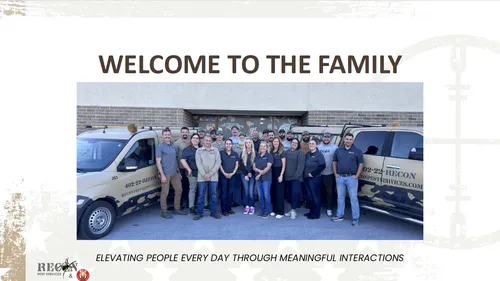
Recon Pest Services
10125 J St, Omaha, NE 68127
Recon Pest Services is a pest control company based in Omaha, NE, offering solutions for both residential and commercial properties. They handle a variety of pests including ants, spiders, rodents, and termites, with services tailored to different infestation levels. Their termite control includes inspections, targeted treatments, and follow-up monitoring to ensure effective management. Recon Pest Services also provides pest management for large commercial buildings and warehouses. They use eco-friendly products that are safe for pets and children and offer customizable service plans to meet specific needs.
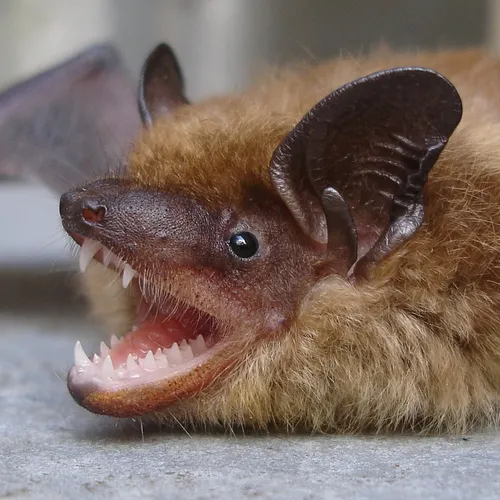
Bats to Rats LLC - Wildlife Control and Prevention
5900 N 58th St # 4, Lincoln, NE 68507
Bats to Rats LLC - Wildlife Control and Prevention is a locally owned pest and wildlife control company based in Lincoln, NE. They provide services across Nebraska, specializing in humane removal and prevention of bats, rodents, and other nuisance wildlife in residential and commercial properties including schools, apartments, and churches. Their offerings include thorough inspections, consultations, exclusion damage repair, and light construction and repair work such as gutter and dryer vent cleanouts and chimney cover installation. With 15 years of experience, the company is licensed, permitted, and insured, focusing on detailed inspections and effective solutions to wildlife and pest issues.

Quality Pest Control-Omaha
6225 N 89th Cir, Omaha, NE 68134
Quality Pest Control-Omaha is a family-owned pest control company serving Omaha, NE, and surrounding areas for over 30 years. They provide comprehensive pest management solutions for both residential and commercial properties, addressing common pests such as mosquitoes, rodents, ants, termites, bed bugs, and wildlife. Their approach includes thorough inspections, customized treatment plans, and environmentally conscious methods tailored to the unique pest challenges of Omaha's climate. The company also offers ongoing maintenance and prevention strategies to help protect homes and businesses year-round.
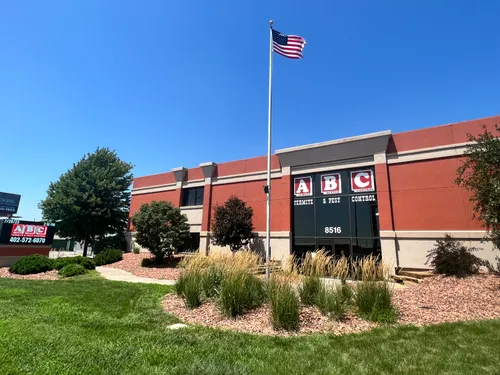
ABC Termite & Pest Control
8516 Maple St, Omaha, NE 68134
ABC Termite & Pest Control is a locally owned company serving Omaha, NE, and the surrounding areas. They provide residential and commercial pest control services, including termite inspections, bed bug treatments, rodent control, mosquito and tick treatments, and general pest extermination. The company uses safe methods to address infestations and prevent further issues. With over 20 years of experience, ABC Termite & Pest Control has completed more than 10,000 termite treatments and offers specialized services such as exterior spraying and combined trap and bait rodent control programs.
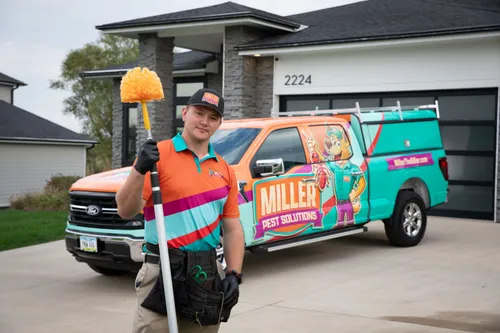
Miller Pest Solutions
3613 S 149th St, Omaha, NE 68144
Miller Pest Solutions is a family-owned pest control company serving Omaha, NE, and surrounding areas since 2001. They offer comprehensive pest management for homes and businesses, including termite inspections and treatments, rodent control, mosquito management, and removal of bed bugs, cockroaches, ants, and stinging insects. Their approach includes thorough inspections, customized treatment plans, and ongoing seasonal visits to maintain pest-free properties. A key capability is their use of the Sentricon® bait station system for termite control, which targets colonies underground and provides long-term protection. The company serves multiple Nebraska communities and emphasizes tailored solutions guided by an in-house entomologist.
Why Nebraska Businesses Need Specialized Pest Management
Pests in a commercial setting pose more than a nuisance; they are a direct threat to public health, safety, and your bottom line. An infestation can lead to product contamination, structural damage, regulatory fines, and irreparable harm to your brand's reputation. In Nebraska, businesses in the food service, healthcare, hospitality, and warehousing sectors are under particular scrutiny to maintain strict health codes. A professional commercial pest control program is an investment in risk management, designed to prevent problems before they start and provide documented proof of due diligence for health inspectors and auditors 1.
Understanding Integrated Pest Management (IPM) in Nebraska
The modern standard for commercial pest management is Integrated Pest Management (IPM). This is a multi-step, science-based approach that prioritizes long-term prevention over reactive chemical sprays. The Nebraska Department of Agriculture (NDA) oversees regulations that align with IPM principles, emphasizing the responsible use of pesticides.
A true IPM program involves:
- Inspection & Identification: A thorough assessment to pinpoint pest species, entry points, and conducive conditions like moisture or food sources.
- Prevention: The first line of defense, which may include sealing cracks, improving sanitation protocols, and modifying landscaping.
- Monitoring: Using traps and sensors to track pest activity levels and identify hot spots.
- Control: When action is needed, methods are chosen based on effectiveness and environmental impact, starting with mechanical controls (like traps) and targeted baits before considering broader chemical applications.
- Documentation: Keeping detailed logs of all inspections, monitoring results, and actions taken is crucial for compliance and tracking program effectiveness 2.
Common Commercial Pests in Nebraska
Nebraska's climate and urban environments support a variety of pests that can invade commercial properties. A reliable service provider will be experienced in dealing with these specific threats:
- Rodents (Mice & Rats): These are among the most damaging pests for businesses. They contaminate food, gnaw on wires and structures, and spread disease. Effective control requires sealing entry points and strategic baiting programs.
- Cockroaches (German & American): Particularly problematic in food-handling environments, cockroaches are resilient and can trigger severe health code violations. They require targeted treatments and stringent sanitation cooperation 3.
- Ants: From tiny odorous house ants to larger carpenter ants (which can damage wood), ants are a common invader seeking food and water.
- Termites: These silent destroyers can cause catastrophic structural damage. Nebraska businesses, especially those with wood components or in certain soil conditions, need regular termite inspections.
- Flies & Stored Product Pests: In restaurants, grocery stores, and warehouses, flies and beetles that infest grains and packaged goods are a major concern.
- Spiders & Occasional Invaders: While often less critical, their presence can alarm customers and employees and indicate other underlying pest issues 4.
The Commercial Service Process: What to Expect
When you engage a professional pest management provider, the process is systematic and collaborative.
- Initial Consultation & Risk Assessment: A specialist will visit your facility to understand your business type, layout, and specific vulnerabilities. This is where you discuss past issues and compliance requirements.
- Customized Plan Development: Based on the assessment, the provider will draft a service plan outlining the frequency of visits, monitoring strategies, prevention recommendations, and treatment protocols tailored to your facility.
- Implementation: The technician will execute the plan, which includes placing monitoring devices, applying treatments in targeted areas, and performing exclusion work (sealing gaps).
- Ongoing Communication & Reporting: After each service visit, you should receive a detailed report noting findings, actions taken, and recommendations for your staff (e.g., fixing a leak, storing food in sealed containers). This documentation is your record for compliance 5.
- Regular Review: The plan should be reviewed periodically and adjusted based on seasonal changes, monitoring data, or alterations to your facility.
Find the perfect commercial pest control companies for your needs
Get personalized recommendations and expert advice
Key Factors Influencing Service & Cost
Pricing for commercial pest management in Nebraska is not one-size-fits-all. It varies significantly based on several key factors, which is why getting a site-specific quote is essential.
- Size & Complexity of Facility: A small office will cost far less to service than a large warehouse, food processing plant, or multi-building campus.
- Industry & Risk Level: Businesses with high compliance stakes (restaurants, hospitals, nursing homes) often require more frequent service and rigorous documentation, impacting cost.
- Pest Pressure & History: A facility with an active infestation or a history of recurring problems will need a more intensive initial plan than one seeking purely preventive maintenance.
- Service Frequency: Contracts can range from monthly and quarterly to bi-monthly visits. More frequent service typically offers greater prevention but at a higher annual cost.
- Scope of Services: Does the plan cover all general pests, or are termites, bed bugs, or birds add-ons? Are bird control or wildlife removal included?
While prices can range from approximately $35 to $50 per month for a very small, low-risk business to over $2,000 per month for large, complex facilities, the value lies in the prevention of far costlier problems like fines, closures, or structural repairs 6 7 8. Most providers operate on an annual contract basis, which schedules regular visits and often includes priority response for any issues between scheduled services.
Choosing a Provider in Nebraska: What to Look For
Selecting the right pest management partner is crucial. Here are essential qualifications to verify:
- State Licensing: Ensure the company and its applicators are licensed by the Nebraska Department of Agriculture (NDA). This is non-negotiable for commercial work 9.
- Insurance & Bonding: The provider should carry adequate liability insurance to protect your business in the rare event of damage or accident.
- Industry Experience & References: Ask for case studies or references from clients in your specific sector (e.g., other restaurants, property managers, healthcare facilities).
- IPM Philosophy: Inquire about their approach. Do they focus on chemical sprays, or do they emphasize inspection, monitoring, and exclusion?
- Documentation & Reporting: Ask to see a sample service report. It should be clear, detailed, and useful for your own records.
- Safety Protocols: For food-grade or sensitive environments, ask about the products they use and their protocols to ensure treatments do not contaminate products or endanger employees.
The Role of Your Staff in a Successful Program
A pest management program is a partnership. Even the best provider cannot succeed without cooperation from your team. Key staff responsibilities include:
- Maintaining high standards of sanitation, especially in break rooms, kitchens, and storage areas.
- Properly storing food and waste in sealed, pest-proof containers.
- Reporting signs of pest activity (droppings, insects, gnaw marks) to the manager or the pest control provider immediately.
- Helping to eliminate clutter and harborage sites that provide shelter for pests.
- Ensuring exterior doors close properly and are not propped open.
Frequently asked questions
Sources
Footnotes
-
Protecting Your Business's Reputation and Customers - https://neusetermiteandpest.com/blog/commercial-pest-control-protecting-your-businesss-reputation-and-customers-2 ↩
-
Top 5 Methods of Pest Control | Fieldwork - https://fieldworkhq.com/2025/11/18/5-methods-of-pest-control/ ↩
-
What Is The Hardest Pest To Get Rid Of? - Alder Pest Control - https://www.alderpestcontrol.com/what-is-the-hardest-pest-to-get-rid-of ↩
-
Commercial Pest Control in Nebraska & Wyoming - https://www.benzelpestcontrol.com/commercial-pest-control/ ↩
-
The Commercial Property Manager's Guide to Pest Control ... - https://neusetermiteandpest.com/blog/the-commercial-property-managers-guide-to-pest-control-compliance ↩
-
Commercial Pest Control: Types, Cost, & Best Companies - https://connorspestpros.com/commercial-pest-control-types-cost-best-companies/ ↩
-
Commercial Pest Control in Omaha - https://www.prioritypestcontrolomaha.com/commercial-pest-control/ ↩
-
What Are Commercial Pest Prevention Contracts? BH Pest Control - https://bhpestcontrol.com/commercial-pest-prevention-contracts/ ↩
-
Pesticide Applicator Certification and Licensing | Nebraska Department of Agriculture - https://nda.nebraska.gov/pesticide/cert ↩