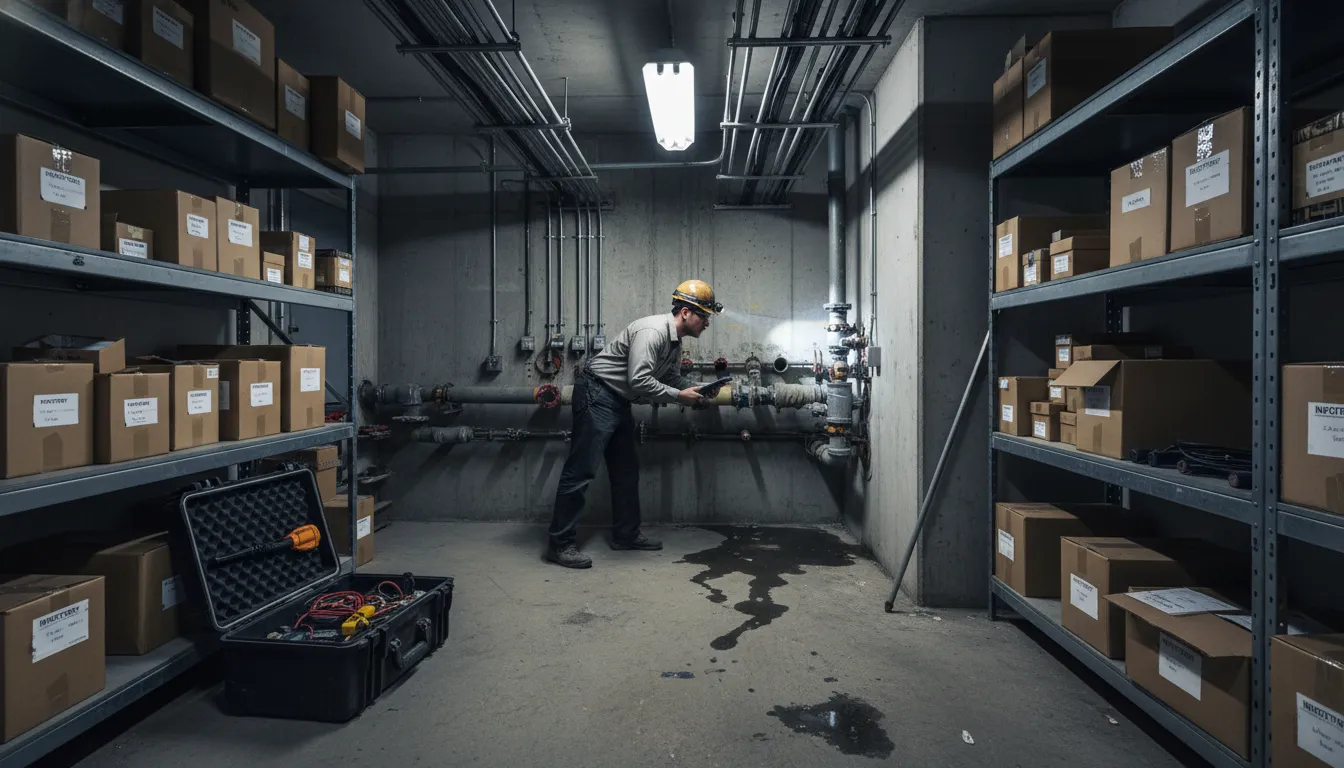
Find the Best Commercial Pest Control Companies for Your Business
No obligation • Fast responses • Nationwide coverage

Why you can trust Pest Crews
Pest Crews is a leading U.S. resource for finding and evaluating residential and commercial pest control services. Our team researches providers, reviews treatment approaches, and organizes unbiased information to help you make informed decisions. Companies cannot pay to change our editorial content or influence how they appear.
Search providers near you
Top Commercial Pest Control Companies in Hamilton, New Jersey Ranked
For any business in Hamilton, maintaining a pest-free environment is a critical component of operations, reputation, and regulatory compliance. Commercial pest management is a specialized service designed to protect your property, inventory, and customers from the health risks and structural damage caused by insects and rodents. This resource helps you understand the professional services available locally, from initial inspection to ongoing prevention, so you can effectively connect with providers who can tailor a solution for your specific business needs.
Western Pest Services - Pest Control, Maple Shade, NJ
458 NJ-38, Maple Shade, NJ 08052
Western Pest Services - Pest Control, Maple Shade, NJ, provides comprehensive pest control solutions for residential and commercial properties in Philadelphia, PA. They specialize in termite inspections, bed bug treatments, ant control, mosquito management, and bee and wasp removal. The company uses eco-friendly methods and advanced technology to deliver effective and sustainable pest control tailored to each client's needs. Their termite control includes thorough inspections and environmentally responsible treatments to prevent structural damage. Western Pest Services offers year-round pest management and preventative services to protect homes and businesses from a variety of pests.
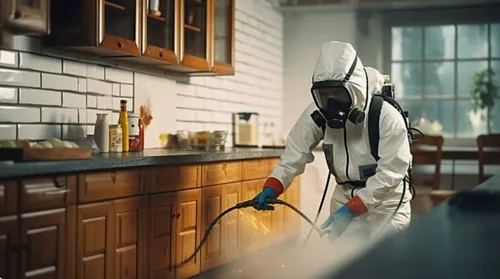
NJ Pest Control New Jersey
901 Old Marlton Pike UNIT B2, Marlton, NJ 08053
NJ Pest Control New Jersey offers comprehensive pest control services in Philadelphia, PA, including bed bug treatment, ant control, rodent exclusion, termite inspection, and mosquito and tick management. The company uses safe, eco-friendly methods tailored to each environment and pest issue, ensuring effective and long-lasting results. Their certified team employs advanced detection equipment and exclusion techniques to protect both residential and commercial properties. NJ Pest Control New Jersey provides 24/7 emergency response to address urgent infestations promptly.

EcoShield Pest Solutions
100 Pike Rd Bldg B Unit 2, Mt Laurel Township, NJ 08054
EcoShield Pest Solutions provides pest control services in Philadelphia, PA, addressing a wide range of pests including ants, termites, mosquitoes, bed bugs, carpenter bees, mice, roaches, wasps, spiders, and ticks. They offer both residential and commercial pest management solutions with environmentally friendly and effective treatments. One notable capability is their comprehensive termite inspection and treatment service, which targets subterranean and drywood termites to prevent structural damage. EcoShield Pest Solutions emphasizes the use of professional products that are safe for people and pets and guarantees their services with follow-up treatments if needed.
Green Pest Solutions
Philadelphia, PA
Green Pest Solutions provides residential and commercial pest control services in Philadelphia, PA. They offer comprehensive pest management including cockroach, ant, rodent, termite, bee, and wasp control. Their Pest Control System includes initial treatment, quarterly follow-ups, and annual termite inspections to prevent and address infestations. The company uses methods that are safe for humans, pets, and plants. Green Pest Solutions also specializes in termite extermination and offers a guarantee to return if pests reappear.
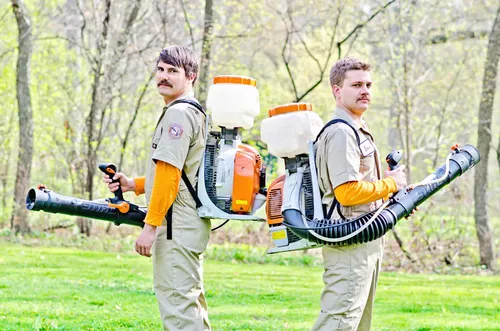
Mosquito Hunters of Cherry Hill West-Riverton-Mount Laurel
Philadelphia, PA
Mosquito Hunters of Cherry Hill West-Riverton-Mount Laurel provides mosquito control and pest management services in Philadelphia, PA. They specialize in mosquito control, tick prevention, and commercial pest control, offering customized barrier treatments tailored to each property. Their approach focuses on treating mosquito hot spots such as dense bushes, shaded areas, and under decks, aiming to reduce mosquito populations effectively. The company also serves commercial clients including golf courses, pools, restaurants with outdoor seating, and playgrounds. Treatments use natural ingredients like essential oils and are reapplied every 2-3 weeks to maintain protection.
What is Commercial Pest Control?
Commercial pest control, often referred to as business or industrial pest management, is a professional service focused on preventing, monitoring, and eliminating pest infestations in non-residential settings. Unlike one-off residential treatments, these programs are built for the unique challenges of commercial properties like restaurants, offices, warehouses, and retail stores. The goal is to implement a sustainable defense that minimizes business disruption, protects public health, and adheres to strict industry regulations.
A robust commercial program goes beyond simple spray treatments. It involves a strategic partnership with a pest management professional who understands that your business cannot afford downtime or the negative perception of pests. Services are typically delivered through scheduled service plans, ensuring consistent monitoring and proactive intervention.
Core Services for Hamilton Businesses
Local providers offer a spectrum of commercial pest control services to address both immediate crises and long-term prevention.
- Integrated Pest Management (IPM) Programs: This is the gold standard for modern commercial pest management. IPM is a holistic, science-based approach that prioritizes long-term prevention through a combination of techniques like sanitation, exclusion, and habitat modification. Chemical treatments are used only as a targeted last resort, making it a safer, more sustainable choice for businesses, especially in sensitive environments like food service.
- Customized Service Plans: There is no one-size-fits-all solution. A reputable provider will create a plan tailored to your specific business type, size, and the pests most common in the Hamilton area. A plan for a small office will differ vastly from one for a large food processing plant.
- One-Time Eradication Treatments: For acute, isolated problems-such as a sudden carpenter bee issue or termite swarmers-professionals can perform targeted, one-time treatments to resolve the immediate infestation.
- Preventative Maintenance Programs: These are the backbone of commercial service. Options include annual insect perimeter protection, seasonal rodent proofing, and ongoing sanitation audits to stop pests before they become a problem.
The Professional Process: From Inspection to Resolution
A thorough commercial pest management program follows a meticulous process to ensure effectiveness and accountability.
- Thorough Site Assessment & Inspection: The first step is always a detailed inspection of your property, both interior and exterior. The technician will identify potential pest entry points, assess conditions that provide food and water sources, and look for signs of current activity or nesting areas.
- Pest Identification & Risk Assessment: Correctly identifying the pest species-whether they are ants, roaches, rodents, or stored product pests-is crucial for selecting the correct control methods. The professional will also assess the level of infestation and the associated health or safety risks to your staff and customers 1.
- Treatment Plan Development: Based on the inspection findings, the provider will develop a written plan outlining the recommended strategies. This plan should detail the methods to be used (IPM-focused), the treatment schedule, and any necessary preparatory steps for your staff.
Find the perfect commercial pest control companies for your needs
Get personalized recommendations and expert advice
Key Methods Used in Professional Pest Management
Commercial pest control experts employ a multi-faceted toolbox, with an emphasis on non-chemical strategies first.
- Sanitation & Habitat Modification: This foundational step involves eliminating the elements that attract pests. It includes proper food storage, prompt waste removal in sealed containers, and fixing moisture issues. The EPA highlights sanitation as a critical first step in any effective pest management strategy 2.
- Exclusion: Often described as "pest-proofing," this involves physically sealing the building to block entry. Technicians will seal cracks, gaps around pipes, install door sweeps, and repair screens to deny pests access to the interior.
- Physical & Mechanical Controls: This includes the use of traps (snap traps, live traps, light traps), bait stations, and vacuums for direct removal of pests. These tools are essential for monitoring and controlling pests with minimal chemical use 3.
- Chemical Controls: When necessary, pesticides are applied in a targeted, judicious manner. The focus is on using low-impact formulations like baits, gels, or crack-and-crevice treatments that pose minimal risk to non-target organisms and the environment, aligning with IPM principles 4 5 6.
What to Expect from Ongoing Service
A service contract provides peace of mind through regular professional attention.
- Regular Service Visits: Your business will be placed on a scheduled service plan-whether monthly, bi-monthly, or quarterly-based on your pest pressure and industry requirements. These visits are for inspection, monitoring, and preventative treatments.
- Detailed Service Logs & Reporting: After each visit, you should receive a detailed service report. This log documents what was inspected, any pests found, actions taken, and recommendations for maintenance on your part. This paper trail is vital for health inspections and audits 7.
- Follow-Up & Plan Adjustment: A good provider remains responsive between scheduled visits. If an issue arises, they will return for a follow-up. The overall plan should also be reviewed and adjusted periodically as your business or the seasons change 8.
Understanding Investment in Commercial Pest Management
The cost for commercial pest control services in Hamilton is not a flat fee; it is customized based on several key factors. Providers develop quotes after an initial inspection. For a small office or retail space, preventative monthly service plans might start in a certain range, while larger facilities like restaurants, warehouses, or industrial sites will command a higher investment due to increased square footage and complexity 9 10 11.
The primary factors influencing price include:
- Type of Pest: Managing rodents or termites typically involves more labor and materials than a routine ant program.
- Property Size & Complexity: A multi-building campus costs more to service than a single-storefront.
- Service Frequency: Monthly visits cost more per year than quarterly visits.
- Treatment Approach: An IPM program focusing on exclusion and sanitation may have different cost structures than a more chemically-intensive protocol 12 13.
For a precise quote tailored to your Hamilton business, it is recommended to contact local providers directly for an on-site assessment.
Frequently asked questions
Sources
Footnotes
-
Integrated Pest Management (IPM) Principles | US EPA - https://www.epa.gov/safepestcontrol/integrated-pest-management-ipm-principles ↩
-
Comprehensive Guide to Commercial Pest Services - - https://callbama.com/comprehensive-guide-to-commercial-pest-services/ ↩
-
Pest control - Wikipedia - https://en.wikipedia.org/wiki/Pest_control ↩
-
Integrated Pest Management (IPM): A Sustainable Approach to Pest ... - https://hgic.clemson.edu/factsheet/iintegrated-pest-management-ipm-a-sustainable-approach-to-pest-management/ ↩
-
Do's and Don'ts of Pest Control | US EPA - https://www.epa.gov/safepestcontrol/dos-and-donts-pest-control ↩
-
What Professional Treatments Ensure Complete and Lasting Cockroach Removal? - https://midwestpestsolutionsllc.com/what-professional-treatments-ensure-complete-and-lasting-cockroach-removal/ ↩
-
Expert Commercial Pest Control in New Jersey - https://amcopest.com/commercial ↩
-
Our Services | Wildlife & Pest Control | NJ Pest - https://4njpest.com/services/ ↩
-
Mario's Pest Control | Pest Control | Hamilton Square, NJ - https://www.mariospest.com/ ↩
-
Business (Commercial) Pest Control in New Jersey - https://arnoldspestcontrol.com/services/commercial-pest-control ↩
-
Principles of IPM - Clemson University - https://www.clemson.edu/extension/ipm/principles.html ↩
-
9211 Integrated Pest Management Policy - Wilkes County Schools - https://www.wilkescountyschools.org/apps/pages/index.jsp?uREC_ID=1030055&type=d&pREC_ID=1333780 ↩
-
Non-Chemical & Integrated Pest Management - https://ndep.nv.gov/uploads/water-bmp-docs/Non_Chemical_Pest_Management_.pdf ↩