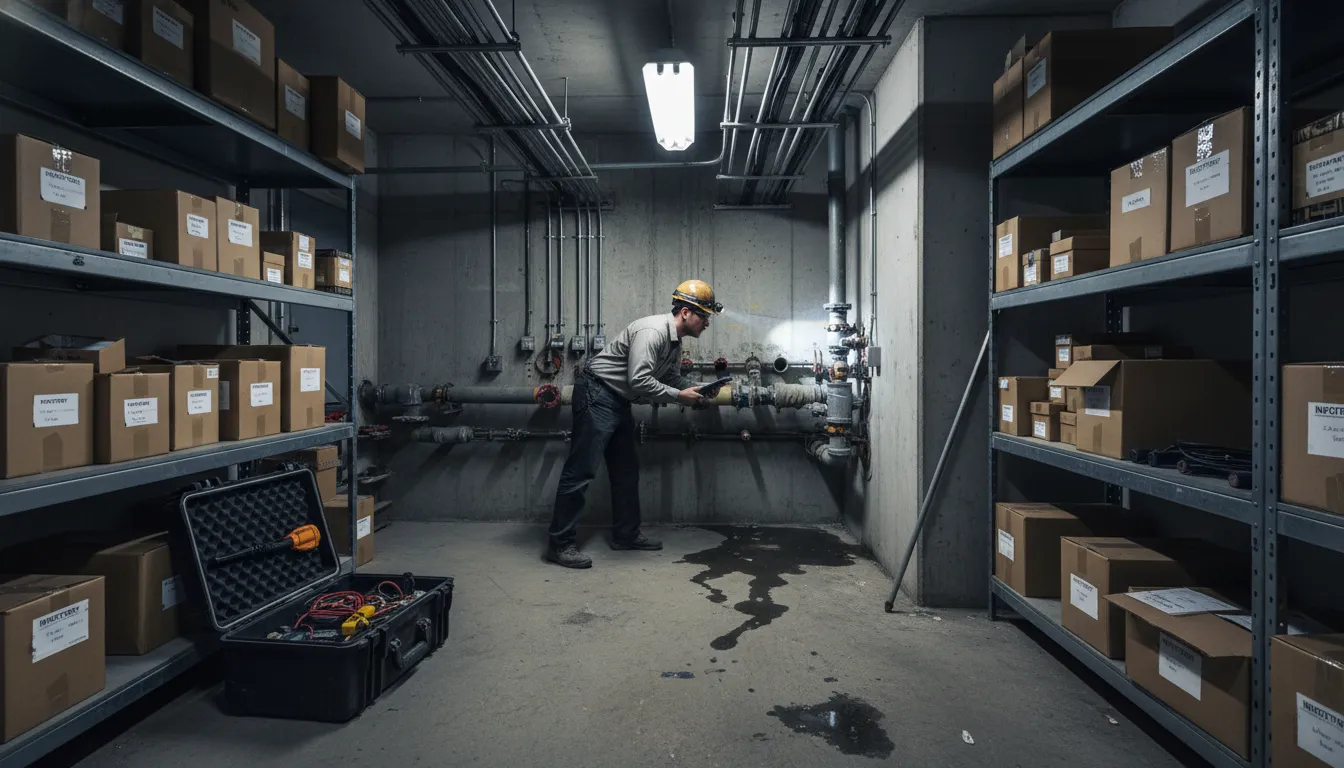
Find the Best Commercial Pest Control Companies for Your Business
No obligation • Fast responses • Nationwide coverage

Why you can trust Pest Crews
Pest Crews is a leading U.S. resource for finding and evaluating residential and commercial pest control services. Our team researches providers, reviews treatment approaches, and organizes unbiased information to help you make informed decisions. Companies cannot pay to change our editorial content or influence how they appear.
Search providers near you
Top Commercial Pest Control Companies in Trenton, New Jersey Ranked
For any business in Trenton, from a bustling restaurant on State Street to a warehouse in the industrial district, a pest-free environment is non-negotiable. Commercial pest management is a critical service that protects your property, inventory, and most importantly, your reputation and compliance with health regulations. This resource is designed to help you understand the specialized approach to business pest control in the capital city, detailing what to expect from a professional service and how to identify the right local experts for your specific needs.
Western Pest Services - Pest Control, Maple Shade, NJ
458 NJ-38, Maple Shade, NJ 08052
Western Pest Services - Pest Control, Maple Shade, NJ, provides comprehensive pest control solutions for residential and commercial properties in Philadelphia, PA. They specialize in termite inspections, bed bug treatments, ant control, mosquito management, and bee and wasp removal. The company uses eco-friendly methods and advanced technology to deliver effective and sustainable pest control tailored to each client's needs. Their termite control includes thorough inspections and environmentally responsible treatments to prevent structural damage. Western Pest Services offers year-round pest management and preventative services to protect homes and businesses from a variety of pests.
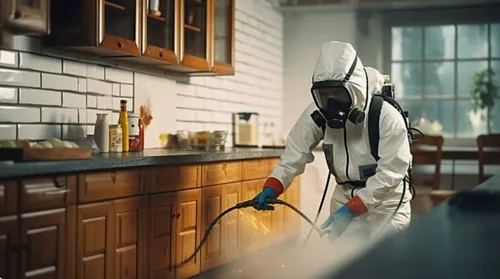
NJ Pest Control New Jersey
901 Old Marlton Pike UNIT B2, Marlton, NJ 08053
NJ Pest Control New Jersey offers comprehensive pest control services in Philadelphia, PA, including bed bug treatment, ant control, rodent exclusion, termite inspection, and mosquito and tick management. The company uses safe, eco-friendly methods tailored to each environment and pest issue, ensuring effective and long-lasting results. Their certified team employs advanced detection equipment and exclusion techniques to protect both residential and commercial properties. NJ Pest Control New Jersey provides 24/7 emergency response to address urgent infestations promptly.

EcoShield Pest Solutions
100 Pike Rd Bldg B Unit 2, Mt Laurel Township, NJ 08054
EcoShield Pest Solutions provides pest control services in Philadelphia, PA, addressing a wide range of pests including ants, termites, mosquitoes, bed bugs, carpenter bees, mice, roaches, wasps, spiders, and ticks. They offer both residential and commercial pest management solutions with environmentally friendly and effective treatments. One notable capability is their comprehensive termite inspection and treatment service, which targets subterranean and drywood termites to prevent structural damage. EcoShield Pest Solutions emphasizes the use of professional products that are safe for people and pets and guarantees their services with follow-up treatments if needed.
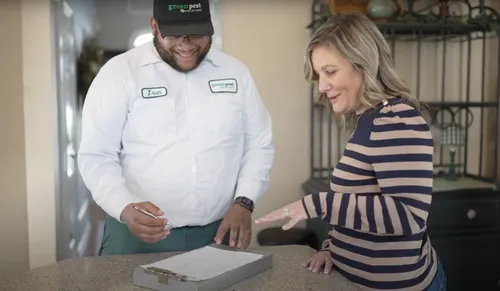
Green Pest Solutions
Philadelphia, PA
Green Pest Solutions provides residential and commercial pest control services in Philadelphia, PA. They offer comprehensive pest management including cockroach, ant, rodent, termite, bee, and wasp control. Their Pest Control System includes initial treatment, quarterly follow-ups, and annual termite inspections to prevent and address infestations. The company uses methods that are safe for humans, pets, and plants. Green Pest Solutions also specializes in termite extermination and offers a guarantee to return if pests reappear.
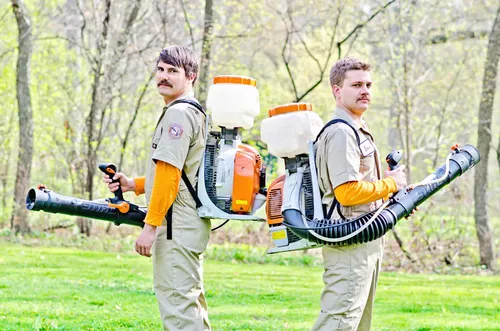
Mosquito Hunters of Cherry Hill West-Riverton-Mount Laurel
Philadelphia, PA
Mosquito Hunters of Cherry Hill West-Riverton-Mount Laurel provides mosquito control and pest management services in Philadelphia, PA. They specialize in mosquito control, tick prevention, and commercial pest control, offering customized barrier treatments tailored to each property. Their approach focuses on treating mosquito hot spots such as dense bushes, shaded areas, and under decks, aiming to reduce mosquito populations effectively. The company also serves commercial clients including golf courses, pools, restaurants with outdoor seating, and playgrounds. Treatments use natural ingredients like essential oils and are reapplied every 2-3 weeks to maintain protection.
Why Trenton Businesses Need Specialized Pest Management
Operating in an urban environment like Trenton presents unique challenges. Older building infrastructure, dense commercial areas, and the proximity of the Delaware River can all contribute to pest pressure. Rodents, cockroaches, ants, and flies are not just a nuisance; they pose serious risks. For food service establishments, a single sighting can lead to health code violations and lost customer trust. For offices and warehouses, pests can damage equipment, documents, and stored goods, leading to financial loss and operational disruption. A proactive, professional pest management plan is an essential investment in your business's continuity and public image.
The Core of Modern Commercial Pest Control: Integrated Pest Management (IPM)
Today's effective commercial extermination services are built on the principles of Integrated Pest Management (IPM). This is a sustainable, science-based approach that focuses on long-term prevention and uses a combination of techniques. Rather than relying solely on reactive chemical sprays, IPM for businesses involves a strategic, multi-step process:
- Inspection and Action Thresholds: A certified technician conducts a thorough assessment of your entire property, inside and out. They identify existing pests, locate potential entry points, and evaluate conditions like moisture, food sources, and clutter that attract pests. This inspection establishes a baseline and determines the level at which pest populations require action.
- Prevention as the First Line of Defense: IPM prioritizes making your facility less inviting to pests. This includes recommendations for sanitation improvements, structural repairs, and proper waste management to remove the basic elements pests need to survive.
- Control Methods: When control is necessary, methods are chosen based on effectiveness and minimal risk. The hierarchy typically starts with mechanical controls (like traps and barriers), may include biological controls, and uses targeted chemical treatments only as a last resort and in a way that minimizes exposure to people and non-target animals.
A Step-by-Step Look at a Professional Service Plan
When you contract with a commercial pest control provider in Trenton, you can expect a customized program. Here's a breakdown of the typical process:
Initial Assessment and Custom Plan Development
Every service begins with a comprehensive site survey. The technician will examine kitchens, storage rooms, loading docks, basements, and exterior perimeters. They will discuss your business operations to understand specific risk areas. From this, they develop a written IPM plan tailored to your business type-whether it's a hotel, manufacturing plant, retail store, or healthcare facility.
Implementation of Tailored Treatment Strategies
The treatment phase employs a combination of tactics from the IPM toolkit:
- Exclusion (Pest-Proofing): This is critical in Trenton's older buildings. Technicians will seal cracks, gaps around pipes, and holes with durable materials like copper mesh, caulk, or steel wool to block rodent and insect entry.
- Sanitation and Habitat Modification: Your service professional will provide a detailed report on conditions that encourage pests, such as standing water, unsealed food containers, or dense landscaping touching the building.
- Mechanical and Physical Controls: This includes the strategic placement of rodent bait stations and traps, insect monitoring traps, and fly light units. These tools control pests and provide valuable monitoring data 1 2.
- Targeted Chemical Application: If pesticides are necessary, they are applied with precision-in cracks and crevices, bait formulations, or as spot treatments-rather than broad, indiscriminate spraying 3 4.
Ongoing Monitoring, Reporting, and Prevention
A one-time treatment is rarely sufficient for a business. Ongoing service involves regular visits (monthly, quarterly, etc.) where the technician inspits monitoring devices, looks for new signs of activity, and updates the prevention strategy. Detailed service reports are provided after each visit, documenting findings and actions taken, which is vital for audit trails and health inspections.
Find the perfect commercial pest control companies for your needs
Get personalized recommendations and expert advice
Common Pest Challenges for Trenton Area Businesses
Different pests require different strategies. A reputable local provider will have expertise in managing the most prevalent threats:
- Rodents (Mice & Rats): These are a top concern due to their ability to squeeze through tiny gaps and contaminate large areas. Control focuses on exclusion (sealing entry points with durable materials), an extensive network of tamper-resistant bait stations and traps, and eliminating indoor harborage sites.
- Cockroaches (German & American): Particularly problematic for restaurants and food processing. Management involves intensive sanitation, the use of insect growth regulators (IGRs) and gel baits placed in harborage areas, and meticulous monitoring.
- Flying Insects (Flies & Mosquitoes): For flies, control includes installing air curtains, maintaining dumpster areas, and using interior fly light traps. For mosquitoes, treatment may involve larviciding in standing water on the property and creating a protective barrier 5.
- Stored Product Pests & Ants: These pests infest inventory and invade through shipments. Control involves inspecting incoming goods, proper storage in sealed containers, and targeted treatments in infestation zones.
Understanding Service Options and Investment
Commercial pest management is not a one-size-fits-all service, and pricing reflects this customization. Costs in Trenton can vary widely based on several key factors 6 7:
- Business Type and Size: A small office will have different needs and costs than a large distribution center or a full-service restaurant.
- Scope of Service: A plan that includes monthly visits, extensive exclusion work, and emergency call-back service will be priced differently from a basic quarterly maintenance plan.
- Pest Pressure and History: An active infestation requiring eradication will involve more initial labor and materials than a preventative program for a new facility.
- Service Frequency: Monthly, bi-monthly, and quarterly schedules are common, with frequency impacting the annual cost.
It is standard practice for providers to conduct a free initial inspection and provide a detailed, written quote based on their findings. This quote should outline the scope of work, service frequency, and guarantees. Investing in a comprehensive plan is almost always more cost-effective than reacting to a full-blown infestation, which can lead to lost revenue, damaged goods, and potential fines 8.
Choosing a Provider: What to Look For
Selecting the right pest management partner is crucial. Look for providers with:
- Proper Licensing & Insurance: Ensure they are licensed by the New Jersey Department of Environmental Protection and carry adequate liability insurance.
- Experience with Your Business Type: Ask for references from similar businesses in Trenton.
- Emphasis on IPM: Their proposed plan should focus on inspection, prevention, and monitoring, not just chemical application.
- Clear Communication & Reporting: They should provide easy-to-understand service reports and be responsive to your questions.
- Safety Protocols: Inquire about their policies for applying products around food, sensitive equipment, and employees.
Frequently asked questions
Sources
Footnotes
-
Top 5 Methods of Pest Control | Fieldwork - https://fieldworkhq.com/2025/11/18/5-methods-of-pest-control ↩
-
What are the 3 Methods of Pest Control? | Virtual College - https://www.virtual-college.co.uk/resources/3-methods-of-pest-control ↩
-
Do's and Don'ts of Pest Control | US EPA - https://www.epa.gov/safepestcontrol/dos-and-donts-pest-control ↩
-
Integrated Pest Management (IPM) Principles | US EPA - https://www.epa.gov/safepestcontrol/integrated-pest-management-ipm-principles ↩
-
Trenton, NJ Exterminators & Pest Control Services - https://fox-pest.com/locations/new-jersey/trenton/ ↩
-
Commercial Pest Control in Trenton, NJ - Top-Rated ... - https://antsrodentstrenton.com/commercial-pest-control/ ↩
-
Commercial Termite Control in Trenton, NJ - #1 Pest Control ... - https://trentontermite.com/commercial/ ↩
-
Pest Control Services - Market Intelligence - https://www.procurementiq.com/market-intelligence/pest-control-services ↩