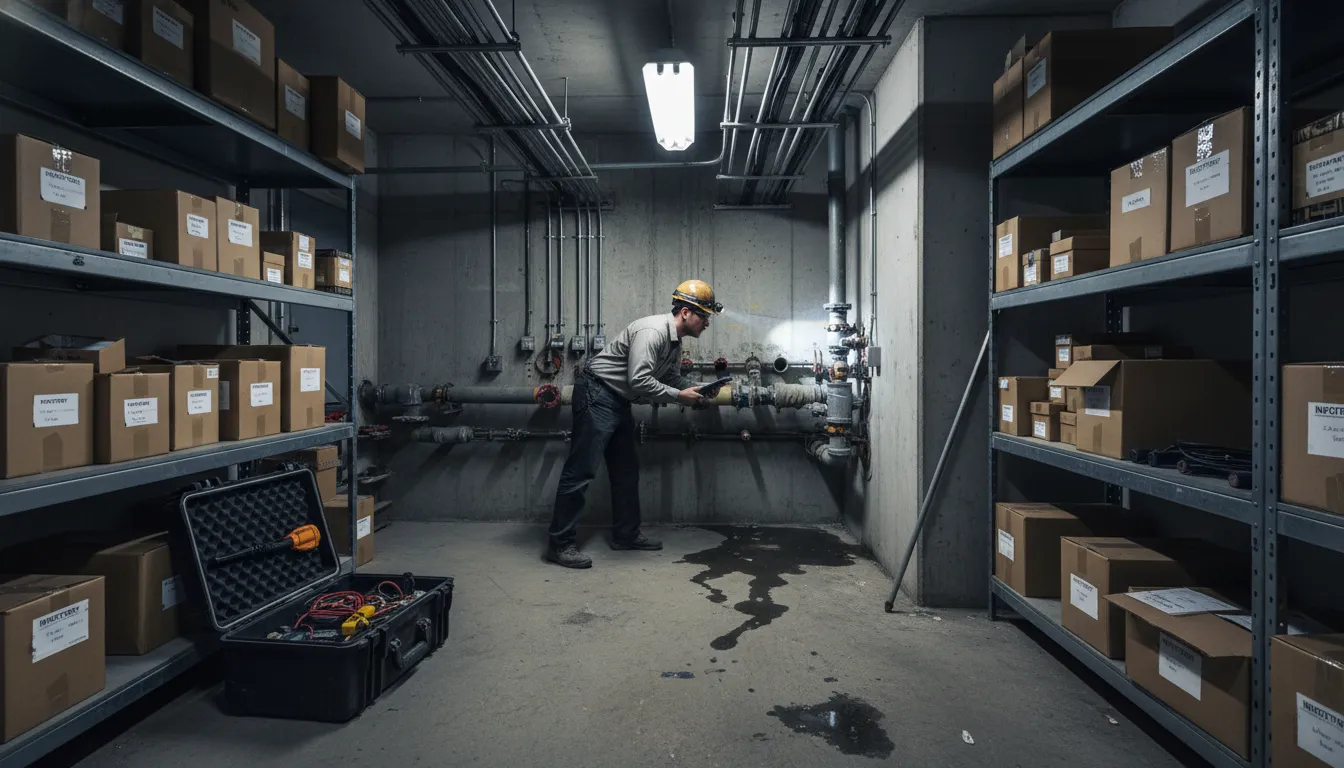
Find the Best Commercial Pest Control Companies for Your Business
No obligation • Fast responses • Nationwide coverage

Why you can trust Pest Crews
Pest Crews is a leading U.S. resource for finding and evaluating residential and commercial pest control services. Our team researches providers, reviews treatment approaches, and organizes unbiased information to help you make informed decisions. Companies cannot pay to change our editorial content or influence how they appear.
Search providers near you
Best Commercial Pest Control Companies in Nevada Ranked
For Nevada businesses, from bustling Las Vegas casinos to Reno warehouses and Carson City restaurants, effective pest management is a critical component of operations. Commercial pest control is a specialized service designed to protect business properties from insects, rodents, and other wildlife through regulated, proactive strategies. It matters not only for protecting your reputation and inventory but also for complying with strict state health and safety codes. This resource explains the regulated process, common pests, and service structures to help you understand your needs and evaluate local professional providers.
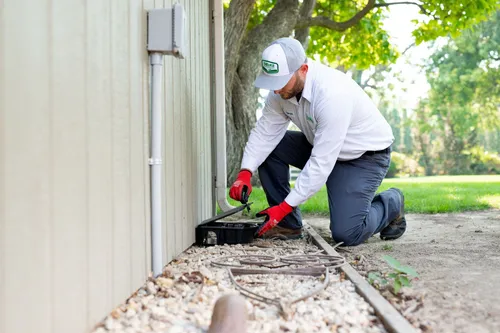
Natura Pest Control
1855 Sullivan Ln Suite 210, Sparks, NV 89431
Natura Pest Control provides environmentally conscious pest control services in Reno, NV, and surrounding areas. Since 2017, they have offered solutions for homeowners and businesses to manage pests such as ants, cockroaches, bed bugs, rodents, and stinging insects. Their approach uses integrated pest management with organic and organic-blended products to address local pest challenges effectively. Natura Pest Control specializes in comprehensive pest control, including tunneling animals like gophers and moles, and offers bilingual services in English and Spanish.
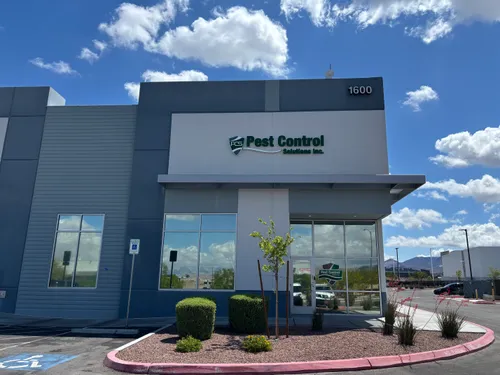
Pest Control Solutions, Inc.
1600 Raiders Way Ste 150, Henderson, NV 89052
Pest Control Solutions, Inc. provides pest control services in Henderson, NV, specializing in both residential and commercial pest management. They handle a variety of pests including bed bugs, cockroaches, ants, bees, wasps, pigeons, and wildlife. The company offers customized treatment plans and natural, green solutions to meet specific customer needs. They also provide after-hours services including evenings, weekends, and nights, with emergency response times promising solutions within two hours and treatment within 24 hours.

Bulwark Exterminating
3932 Octagon Rd, North Las Vegas, NV 89030
Bulwark Exterminating is a pest control company serving Henderson, NV. They provide professional pest elimination and control services for both residential and commercial properties. The company is licensed by the state of Nevada to handle various pest concerns, including specialized pests that require specific licensing.

Fischer's Pest Control
7251 W Lake Mead Blvd #300, Las Vegas, NV 89128
Fischer's Pest Control is a licensed and insured pest control company serving Henderson, NV, and the surrounding Las Vegas area. They provide a wide range of pest management services including bed bug treatment, ant and cockroach control, rodent removal, bee and wasp relocation, pigeon control, and scorpion extermination. With over 20 years in the industry, Fischer's Pest Control uses local knowledge and proven techniques to address pest problems efficiently while prioritizing safety. They offer same-day appointments and a guarantee to return if pests persist within 30 days.
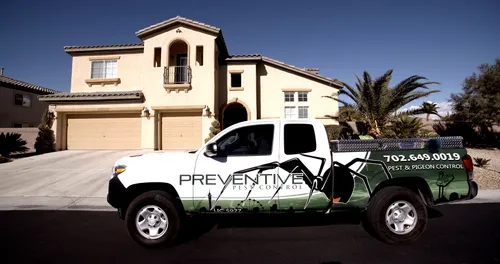
Preventive Pest Control
2831 St Rose Pkwy, Henderson, NV 89052
Preventive Pest Control is a pest control company based in Henderson, NV, serving the Southern Nevada area including Las Vegas and Pahrump. They offer a range of pest management services such as rodent control, termite inspection and elimination, bed bug detection using K9 inspections, mosquito control, cockroach and ant extermination, spider and scorpion control, pigeon removal, and weed control. Their approach includes ongoing monitoring and targeted treatments to prevent pest infestations from recurring. The company emphasizes thorough termite inspections and humane pigeon removal methods to protect homes and businesses.
Understanding Nevada's Regulatory Landscape
Commercial pest management in Nevada operates under specific state regulations designed to protect public health and the environment. All pest control applicators must be licensed by the Nevada Department of Agriculture (NDA), which enforces the Nevada Administrative Code (NAC) 555.400-510. This oversight includes licensing for individuals and businesses, routine inspections of application vehicles and pesticides, and ensuring all practices meet compliance standards.
For business owners, this regulatory framework emphasizes the importance of working with a fully licensed and insured provider. It also underscores a critical requirement: detailed documentation. Businesses, especially those in food service, hospitality, and healthcare, must maintain records of all pest activity, inspections, and treatments performed. These logs are essential for passing health department inspections and demonstrating a commitment to a safe environment 1.
Common Pests Targeted in Nevada Businesses
The arid Nevada climate doesn't exempt businesses from pest pressures. Common invaders include:
- Insects: Cockroaches, ants (including odorous house ants and pavement ants), bed bugs, flies, termites, and fleas are frequent concerns 2.
- Rodents: Mice and rats seek shelter, food, and water in storage areas, kitchens, and void spaces, posing significant contamination and property damage risks.
- Birds: Pigeons and sparrows can nest on ledges, signage, and in eaves, leading to unsanitary droppings and potential structural damage 3.
The specific pest threats your business faces can vary significantly based on your industry, location, and facility type, making a customized approach essential.
The Standard Service Process: From Inspection to Prevention
Professional commercial pest control follows a structured, multi-phase process centered on Integrated Pest Management (IPM) principles. IPM prioritizes long-term prevention using a combination of techniques, minimizing reliance on chemical treatments.
- Initial Inspection & Assessment: A certified technician conducts a thorough inspection of your property, inside and out. They identify active pest issues, locate potential entry points (like gaps around pipes or doors), and note conditions that attract pests, such as moisture or accessible food waste. This assessment is tailored to your industry's specific risks.
- Customized Treatment Plan Development: Based on the inspection, the provider develops a plan that balances chemical, biological, mechanical, and cultural controls. This plan outlines the specific methods, products, and timeline for addressing current infestations and preventing future ones.
- Targeted Treatment Application: Treatments are applied precisely where needed. This may involve interior baiting and monitoring, exterior perimeter barriers, rodent trapping programs, or bird exclusion measures. The goal is to eliminate the existing population with minimal disruption to your business operations 4.
- Prevention & Exclusion Recommendations: A core component of IPM is making your facility less inviting to pests. Technicians will provide actionable recommendations for sanitation improvements, waste management, and structural repairs like sealing cracks and installing door sweeps to exclude pests.
- Ongoing Management & Monitoring: Most businesses benefit from a scheduled maintenance program. This involves regular visits (e.g., monthly, quarterly) to monitor activity, refresh bait stations, perform exterior treatments, and update documentation. These plans often come with a service guarantee for consistent, pest-free operations 5 6.
Find the perfect commercial pest control companies for your needs
Get personalized recommendations and expert advice
Understanding Costs for Commercial Pest Control
Investing in professional pest management is a operational cost that protects against far greater potential losses. Pricing is not one-size-fits-all and is influenced by several key factors:
- Facility Size & Complexity: A small office will cost less than a large warehouse, restaurant, or multi-building campus.
- Type of Pest & Severity: A preventative ant program is typically less involved than eradicating a widespread rodent infestation or treating for termites.
- Industry Requirements: Food processing plants, restaurants, and healthcare facilities often require more frequent service and rigorous documentation, impacting cost.
- Service Frequency: A one-time treatment costs less upfront than a recurring maintenance plan but doesn't provide ongoing protection.
While prices vary widely, basic monthly maintenance plans for smaller commercial spaces in areas like Las Vegas can start in the range of $30 to $100+ per month7 8 9. For medium-sized properties, annual contracts often range from $1,000 to $5,000+, providing comprehensive, year-round coverage and peace of mind10 11. It's crucial to obtain detailed quotes that outline exactly what services, frequencies, and guarantees are included.
Key Industries and Their Unique Needs
- Hospitality & Food Service: Restaurants, hotels, and casinos face extreme scrutiny from health inspectors. Zero-tolerance for pests is the standard, requiring aggressive IPM programs focused on kitchen sanitation, waste management, and frequent monitoring12.
- Healthcare & Assisted Living: Protecting vulnerable populations is paramount. Treatments must be exceptionally safe, discreet, and documented, often requiring specialized products and application methods.
- Warehousing & Logistics: These facilities must guard against rodents and stored product pests that can destroy inventory. Services focus on perimeter defense, rodent control, and thorough inspection of incoming goods13.
- Office Buildings & Retail: Maintaining a professional appearance and comfortable environment for employees and customers is key. Services often address common nuisance pests like ants, spiders, and occasional rodents.
Choosing the Right Service Provider in Nevada
When evaluating pest management companies for your Nevada business, look for:
- Valid NDA Licensing: Confirm the company and its technicians hold current NDA licenses.
- Industry Experience: Ask for references or case studies from businesses similar to yours.
- IPM Approach: Ensure their proposed plan emphasizes prevention and uses chemicals as a targeted tool, not a blanket solution.
- Detailed Documentation: The provider should supply clear, comprehensive reports after each service visit.
- Insurance & Safety: Verify they carry adequate liability insurance and follow all safety protocols for your industry.
Frequently asked questions
Sources
Footnotes
-
Pest Control Licensing Guide - Nevada Department of Agriculture - https://agri.nv.gov/uploadedFiles/agrinvgov/Content/Resources/Forms/Plant/Pest/Pest%20Control%20Licensing%20Guide.pdf ↩
-
Commercial Pest Inspection & Control - https://www.clarkpest.com/commercial-services/pest-inspection-control ↩
-
How Much Does Commercial Pest Control Cost In 2026? - https://bhpestcontrol.com/how-much-does-commercial-pest-control-cost/ ↩
-
The Ultimate Guide to Commercial Pest Control - AIMVO - https://aimvopestcontrol.com/the-ultimate-guide-to-commercial-pest-control/ ↩
-
Commercial Pest Control: What Is It? - https://ecogenpest.com/what-is-commercial-pest-control/ ↩
-
Commercial Pest Control Solutions for Nevada Businesses - https://www.naturapc.com/commercial/ ↩
-
What is Commercial Pest Control? - https://calpropestcontrol.com/blog/what-is-commercial-pest-control-a-complete-guide-for-business-owners/ ↩
-
Complete Termite Management Guide For Las Vegas ... - Shyft - https://www.myshyft.com/blog/commercial-termite-treatment-las-vegas-nevada/ ↩
-
How to set commercial pest control prices that maximize ROI - https://gorilladesk.com/learn/how-to-set-commercial-pest-control-prices/ ↩
-
Comprehensive Guide to Commercial Pest Services - - https://callbama.com/comprehensive-guide-to-commercial-pest-services/ ↩
-
Commercial Pest Control: Types, Cost, & Best Companies - https://connorspestpros.com/commercial-pest-control-types-cost-best-companies/ ↩
-
Commercial Pest Control Services and Tips for Businesses - https://pestauthority.com/blog/commercial-pest-control-services-strategies/ ↩
-
Pest Control for Businesses - https://www.clarkpest.com/commercial-services/industries-served/business-facilities-offices ↩