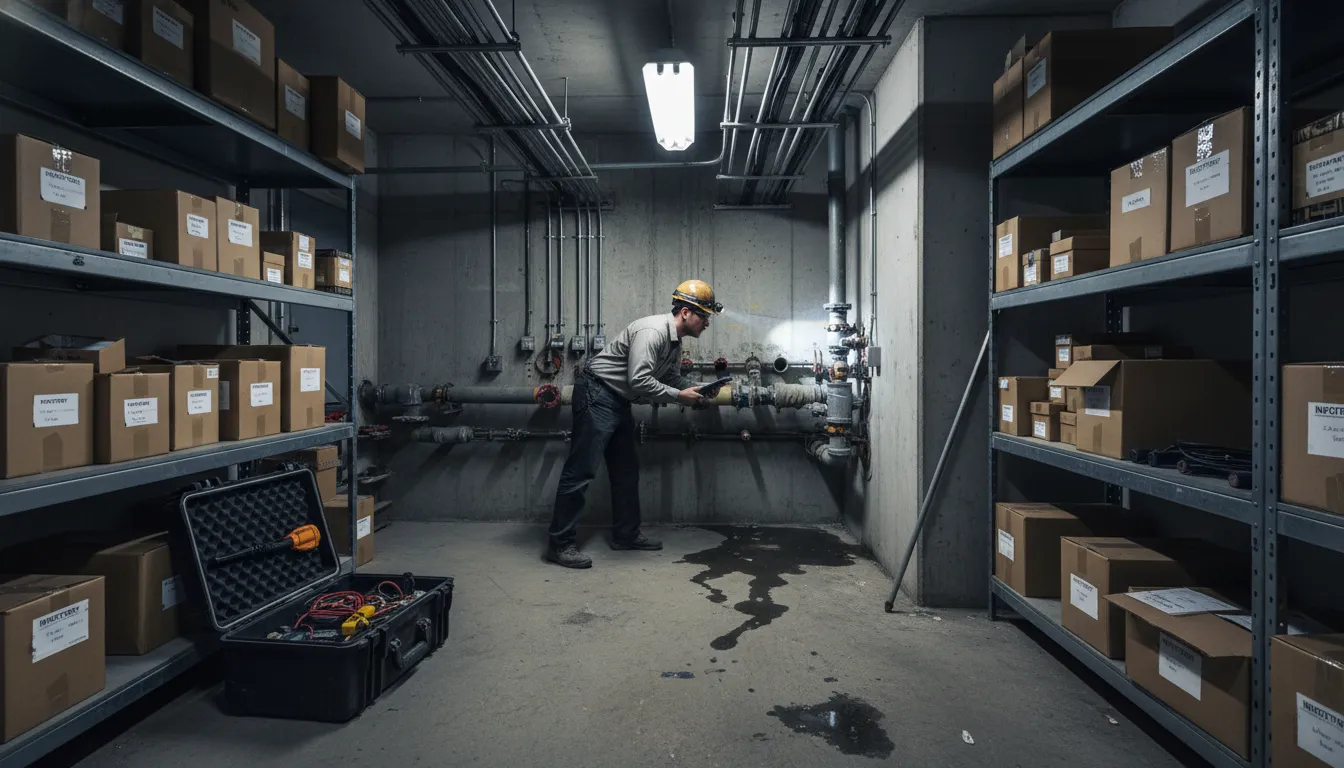
Find the Best Commercial Pest Control Companies for Your Business
No obligation • Fast responses • Nationwide coverage

Why you can trust Pest Crews
Pest Crews is a leading U.S. resource for finding and evaluating residential and commercial pest control services. Our team researches providers, reviews treatment approaches, and organizes unbiased information to help you make informed decisions. Companies cannot pay to change our editorial content or influence how they appear.
Search providers near you
Top Commercial Pest Control Companies in New Rochelle, New York Ranked
For any business in New Rochelle, from bustling restaurants on Main Street to large industrial facilities, maintaining a pest-free environment is non-negotiable. Commercial pest management is a specialized service designed to protect your property, inventory, reputation, and compliance with health codes from the threats posed by rodents, insects, and other pests. This guide explains the modern, strategic approach used by local professionals, helping you understand the process and identify the right service plan for your specific business needs.

Control Exterminating Company
New York, NY
Control Exterminating Company provides pest control services in New York, NY, specializing in bed bug, cockroach, and rodent extermination. They serve both residential buildings and commercial establishments such as restaurants, cafes, supermarkets, and bakeries. The company offers routine pest control maintenance to help prevent infestations and protect property investments. Their expertise includes the use of commercial-grade, eco-friendly chemicals tailored to the needs of environments with pets, children, or residents.
All Out Bed Bug Exterminators NYC
1 Pennsylvania Plaza Suite 326, New York, NY 10119
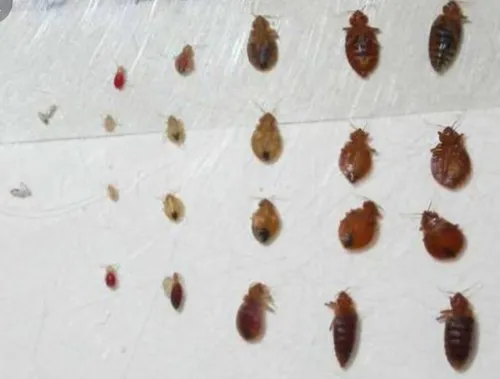
All Out Bed Bug Exterminators NYC is a pest control company based in New York, NY, specializing in bed bug treatment for residential, commercial, industrial, and institutional properties. They offer services throughout New York City and parts of New Jersey, using integrated pest management (IPM) and advanced technology such as chemical applications and vacuuming to manage infestations. The company also provides K9 bed bug inspections with trained dogs to detect live bed bugs and viable eggs. With over 25 years of experience, All Out Bed Bug Exterminators NYC is family owned and operated and offers same-day, emergency, evening, and weekend services.
BHB Pest Elimination, LLC
199 Main Ave, Wallington, NJ 07057
BHB Pest Elimination, LLC is a family-owned pest control company serving New York, NY. They provide comprehensive pest management for residential and commercial properties, addressing common urban pests such as rodents, cockroaches, bedbugs, ants, termites, and bees. Their services include thorough inspections, customized treatment plans using child- and pet-safe eco-friendly products, and ongoing protection to prevent future infestations. With over 50 years of experience since 1969, BHB Pest Elimination focuses on integrated pest management strategies tailored to the unique challenges of New York City. They also offer same-day and emergency services to promptly handle urgent pest issues.

Village Exterminating
5 Storm St, Dobbs Ferry, NY 10522
Village Exterminating is a family owned and operated pest control company serving Yonkers, NY, and the surrounding Westchester and Rockland counties. They provide services for both residential and commercial properties, addressing issues such as termites, ants, rodents, hornets, mosquitoes, and ticks. With over 25 years of experience, they offer monthly, quarterly, and one-time pest control treatments. The company emphasizes clear communication and customer education, ensuring clients understand their pest situation and treatment options. Their technicians are fully licensed and insured, providing in-home consultations to help manage pest problems effectively.
GoSafe Pest Control LLC
264-07 Langston Ave unit B, Glen Oaks, NY 11004
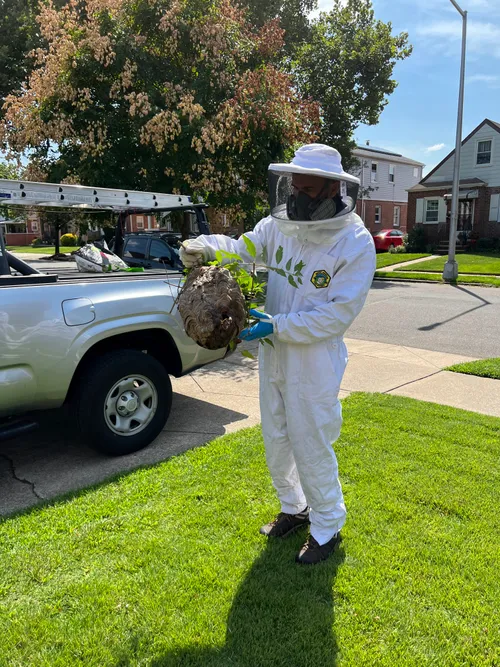
GoSafe Pest Control LLC is a locally owned pest control company serving New York, NY. They provide a range of pest management services including bed bug treatment, cockroach and ant control, rodent control, termite inspections, mosquito control, bee and wasp removal, bird and pigeon control, and wildlife removal. The company offers eco-friendly solutions tailored to client schedules, with options for weekly to seasonal visits.
What is Commercial Pest Management?
Unlike one-time residential treatments, commercial pest control is an ongoing partnership focused on prevention, monitoring, and strategic intervention. It's a critical component of facility management that safeguards against infestations that can lead to product contamination, structural damage, health violations, and a loss of customer trust. The goal is to implement a proactive system that minimizes pest pressure and addresses issues before they escalate into full-blown crises.
The industry standard for professional pest management services is Integrated Pest Management (IPM). This science-based, environmentally sensitive approach prioritizes long-term prevention through a combination of techniques. IPM is not merely about spraying chemicals; it's a holistic strategy that considers the unique ecosystem of your business to provide the most effective and sustainable control.
The Core of IPM: Inspection and Risk Assessment
Every effective commercial pest control program begins with a thorough inspection and analysis. This foundational step ensures the subsequent plan is tailored to your facility's specific vulnerabilities.
- Pest Identification: The first task is to correctly identify the specific pests present. Is it German cockroaches, house mice, Pharaoh ants, or a seasonal influx of flies? Accurate identification is crucial for selecting the most effective treatment methods 1.
- Facility-Wide Analysis: A certified technician will examine your entire property. This includes front-of-house areas like dining rooms or retail floors, back-of-house zones such as kitchens and storage rooms, employee break areas, loading docks, and the building's exterior perimeter. They look for current activity and potential future problems.
- Risk Assessment: The inspector identifies what are known as "conducive conditions"-factors that attract and support pests. This includes identifying entry points (cracks, gaps around pipes, faulty door sweeps), sources of food (improperly stored goods, grease buildup, trash areas), water (leaky faucets, condensation), and harborage (clutter, unused equipment) 2.
The Four Pillars of IPM Action
Once risks are assessed, a comprehensive IPM plan employs a tiered set of actions, starting with the least invasive options.
1. Cultural and Sanitation Controls
This is the first and most critical line of defense, often managed by your staff with guidance from your pest management provider. It involves altering the environment to make it less inviting to pests. Key actions include:
- Implementing rigorous cleaning schedules, especially in food preparation and storage areas.
- Ensuring all garbage is stored in sealed, durable containers and removed regularly.
- Storing food, ingredients, and cardboard off the floor and away from walls.
- Promptly fixing leaks and reducing excess moisture.
2. Physical and Mechanical Controls
These methods use devices and structural modifications to block or capture pests without pesticides.
- Exclusion: Sealing cracks, installing door sweeps, and repairing screens to physically block entry points.
- Trapping: Placing a network of multi-catch traps, glue boards, or mechanical traps for rodents and insects to monitor and reduce populations 3.
- Barriers: Using materials like copper mesh or steel wool to block small holes.
- Temperature Treatments: In some cases, using extreme heat or cold to eliminate pests like bed bugs in sensitive areas.
3. Biological Controls
While more common in agricultural settings, biological control involves introducing natural predators or pathogens to manage a pest population. In an urban commercial context, this is less frequent but represents the eco-friendly ethos of IPM 4.
4. Chemical Controls
Pesticides are used judiciously and strategically as a last resort within an IPM framework. The goal is precision, not blanket application.
- Targeted Baits and Gels: Placed in specific, hidden locations to attract and eliminate pests like cockroaches and ants, minimizing exposure.
- Crack-and-Crevice Treatments: Applying insecticides directly into voids where pests live and travel.
- Perimeter Sprays: Creating a protective barrier around the building's foundation to deter incoming pests 5 6.
Find the perfect commercial pest control companies for your needs
Get personalized recommendations and expert advice
The Importance of Ongoing Monitoring and Maintenance
A one-time treatment is rarely sufficient for a commercial setting. Continuous vigilance is what turns a reaction into a true management program.
- Regular Service Visits: Your provider will schedule recurring visits (weekly, monthly, or quarterly) to inspect traps, refresh bait stations, and assess any new activity.
- Data Logging and Reporting: Detailed service reports are provided after each visit, documenting findings, actions taken, and recommendations. Some modern providers use digital tools or IoT sensors to provide real-time monitoring data 7 8.
- Preventative Maintenance & Plan Adjustment: Based on the data collected, your pest management professional will adjust the strategy seasonally or as your business operations change, ensuring the program remains effective and efficient 9.
Understanding Service Plans and Pricing in New Rochelle
Commercial pest control is not a one-size-fits-all service, and pricing reflects the customized nature of the work. Local providers will create a plan-and a corresponding quote-based on several key factors:
- Property Size and Type: A small retail shop has different needs and costs than a large warehouse or a multi-story office building.
- Level of Pest Pressure: A business with an active infestation will require a more intensive initial service than one seeking preventative maintenance.
- Service Frequency: How often a technician visits (e.g., weekly, monthly, quarterly) directly impacts the cost.
- Specific Pests Targeted: Specialized services for birds, bed bugs, or termites involve additional protocols and materials.
As a general guide based on industry standards for the region, businesses can expect the following ranges for ongoing service contracts:
- Small Offices or Retail Shops: Basic preventative plans often start in the range of $100 to $300+ per month.
- Medium-Sized Businesses or Restaurants: More intensive plans targeting specific pests like rodents or cockroaches may range from $250 to $600+ per month.
- Large Facilities, Hospitals, or Food Processing Plants: Complex needs and frequent service can range from $500 to $1,000+ per month.
The key takeaway is that an on-site inspection and quote are essential. Reputable providers in New Rochelle will want to understand your unique situation before proposing a plan and price 10.
Specialized Commercial Pest Services
Beyond general insect and rodent control, many providers offer targeted solutions for specific challenges common in the New Rochelle area:
- Bird Control: Using spikes, netting, or gentle deterrents to manage pigeons and other birds that can damage property and create unsanitary conditions.
- Bed Bug Protocols: Discrete inspection and treatment plans for hotels, multi-unit housing, and offices.
- Termite Inspections & Treatments: Protecting the structural integrity of your commercial building from destructive subterranean termites.
- Wildlife Management: Humanely addressing issues with raccoons, squirrels, or bats that may enter attics or walls.
Frequently asked questions
Sources
Footnotes
-
Household Pest Control - Oklahoma State University Extension - https://extension.okstate.edu/fact-sheets/household-pest-control.html ↩
-
Important Components of a Successful Pest Management Program | USU - https://extension.usu.edu/planthealth/research/sucessful-pest-managment-program ↩
-
9211 Integrated Pest Management Policy - Wilkes County Schools - https://www.wilkescountyschools.org/apps/pages/index.jsp?uREC_ID=1030055&type=d&pREC_ID=1333780 ↩
-
Integrated Pest Management (IPM): A Sustainable Approach to Pest ... - https://hgic.clemson.edu/factsheet/iintegrated-pest-management-ipm-a-sustainable-approach-to-pest-management/ ↩
-
Understanding What Commercial Pest Control Means - https://www.broadwayexterminating.com/what-commercial-pest-control-means/ ↩
-
Commercial Services | CX Pest - https://cxpestsolutions.com/commercial-services/ ↩
-
Standard Pest Management: Commercial Pest Control ... - https://www.standardpest.com/ ↩
-
Milwaukee Commercial Pest Control Contracts: Facility Maintenance Guide - myshyft.com - https://www.myshyft.com/blog/commercial-pest-control-service-contracts-milwaukee-wisconsin/ ↩
-
3 Principles of Integrated Pest Management (IPM) | Aberdeen, NC - https://www.naturesselect.com/blog/3-principles-of-integrated-pest-management-ipm/ ↩
-
Commercial Services - Central Pest Control - https://centralpestnyc.com/commercial-services/ ↩