Find the Best Commercial Pest Control Companies for Your Business
No obligation • Fast responses • Nationwide coverage

Why you can trust Pest Crews
Pest Crews is a leading U.S. resource for finding and evaluating residential and commercial pest control services. Our team researches providers, reviews treatment approaches, and organizes unbiased information to help you make informed decisions. Companies cannot pay to change our editorial content or influence how they appear.
Search providers near you
Best Commercial Pest Control Companies in Oregon Ranked
For Oregon businesses, from Portland restaurants to Salem warehouses, effective pest management is a non-negotiable component of operational integrity. Commercial pest control goes beyond simple elimination; it's a structured, proactive system designed to protect your property, inventory, and reputation from insects, rodents, and other wildlife. In Oregon, this service is guided by state regulations and best practices like Integrated Pest Management (IPM), which prioritizes prevention and minimal chemical use. Finding a local provider who understands Oregon's specific pest pressures and regulatory landscape is key to maintaining a safe, compliant, and pest-free environment for your employees and customers.

Aspen Pest Control Vancouver
12104 NE 95th St, Vancouver, WA 98682
Aspen Pest Control Vancouver is a local pest control company serving Portland, OR, and nearby areas. They provide residential and commercial pest control services, including treatments for rodents and spiders. Aspen Pest Control started as a small team in Vancouver, Washington, and has expanded to serve multiple communities in both Washington and Oregon. The company offers tailored pest control plans with options for one-time or ongoing monthly service and provides same-day service to address pest issues promptly.

Aspen Pest Control Portland
8305 SE Monterey Ave suite 220 q, Happy Valley, OR 97086
Aspen Pest Control Portland is a local pest control company serving Portland, OR, and nearby areas. They provide residential and commercial pest control services, including rodent control and spider treatments. Aspen Pest Control offers tailored solutions for one-time or ongoing service and emphasizes same-day service to address pest issues promptly. The company started as a small team in Vancouver, Washington, and has expanded to serve multiple locations in Oregon and Washington.

Good Earth Pest Company
2063 Roosevelt Blvd STE 1, Eugene, OR 97402
Good Earth Pest Company is a locally owned family business serving Eugene, OR, and surrounding communities. They provide environmentally responsible pest control services for ants, spiders, wasps, bed bugs, roaches, rodents, wildlife, and other pests. With over 30 years of experience since 1989, they focus on safe and effective treatments that protect both homes and the environment. Good Earth Pest Company serves multiple Oregon cities including Corvallis, Albany, Salem, and Springfield, offering pest control solutions without high-pressure sales tactics or locked-in contracts.
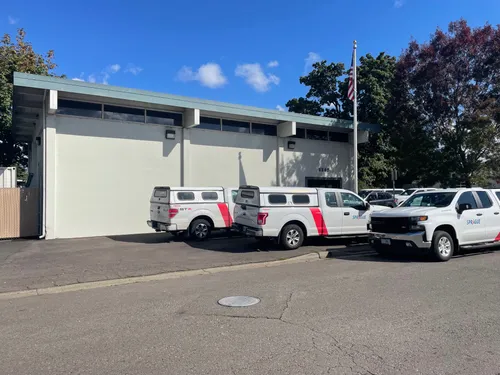
Sprague Pest Solutions
2285 Nugget Way, Eugene, OR 97403
Sprague Pest Solutions is a pest control company based in Eugene, OR, specializing in commercial pest management. They offer a range of services including rodent control, insect prevention, bed bug inspections and treatments, bird exclusion, mosquito abatement, and fumigation alternatives. The company uses advanced, science-based solutions and provides continuous pest management at all stages of pest life cycles. Sprague Pest Solutions is known for its LEED certified, green, and organic methods, and offers a 24/7 client web portal for communication and reporting. Their team is experienced in handling government compliance and third-party audits.
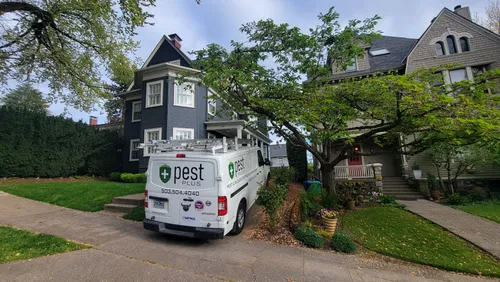
Pest Plus LLC
Portland, OR
Pest Plus LLC is a locally owned pest control company serving the Portland, OR metro area and surrounding regions. They provide custom pest management solutions for residential, commercial, and industrial clients. Their services include thorough inspections, advanced exclusion repairs, crawlspace and attic restorations, sanitation services, and solar panel exclusions. Pest Plus specializes in wildlife removal, rodent control, ant control, bee and wasp removal, and bird and pigeon control. The company emphasizes tailored strategies and offers flexible service programs without long-term contracts to meet customer needs.
Why Oregon Businesses Need Professional Pest Management
Pests pose a direct threat to any commercial operation. Rodents can chew through wiring and insulation, creating fire hazards and structural damage. Insects like cockroaches and flies are vectors for disease and can trigger severe health code violations, especially in food service or healthcare settings. Beyond the physical risks, a single sighting of a pest can irreparably damage your brand's reputation and customer trust. Professional commercial pest control provides a systematic defense against these risks, ensuring your business remains a safe, clean, and welcoming space.
In Oregon, the need for professional service is underscored by specific state guidelines and common regional pests. The Oregon Department of Agriculture (ODA) regulates pesticide use and applicator licensing, making compliance a critical factor. Furthermore, Oregon's climate and urban environments are conducive to pests like rodents, ants, spiders, and in multi-family housing or hospitality, bed bugs. A professional provider navigates these regulations and pest behaviors to implement a compliant and effective strategy.
Common Commercial Pests in Oregon
Understanding the specific threats helps in recognizing the need for targeted services. The most prevalent commercial pests in Oregon include:
- Rodents: Mice and rats are a significant concern due to their rapid reproduction, ability to squeeze through tiny openings, and potential to contaminate products and spread disease. They are a top priority for warehouses, manufacturing plants, and food storage facilities.
- Cockroaches: Particularly problematic for restaurants, grocery stores, and any facility with food preparation areas. They are resilient, nocturnal, and can trigger immediate health inspections.
- Ants: From tiny sugar ants to larger carpenter ants, these pests can invade offices, retail spaces, and kitchens, contaminating surfaces and, in the case of carpenter ants, causing property damage.
- Flies: A nuisance in any setting, flies are a major health risk in food-handling environments, spreading bacteria as they land.
- Bed Bugs: While not a sanitation issue, bed bugs are excellent hitchhikers and a critical concern for hotels, universities, corporate housing, and healthcare facilities. Oregon landlord-tenant laws address responsibilities for treatment in multi-unit buildings.
- Birds: Pigeons and starlings can create major problems for large facilities, warehouses, and retail centers. Their droppings are corrosive, can slip hazards, and may harbor pathogens 1.
The Integrated Pest Management (IPM) Approach
Leading commercial pest control in Oregon is built on the principles of Integrated Pest Management (IPM). This is a sustainable, science-based strategy that focuses on long-term prevention through a combination of techniques. IPM minimizes reliance on chemical pesticides, aligning with safety and environmental concerns. The core steps of an IPM program include:
- Inspection and Monitoring: A thorough assessment of your property identifies active pests, evidence of past activity, entry points, and conditions that attract pests (like moisture or food debris). Ongoing monitoring with traps and logs tracks pest activity over time.
- Prevention: This is the cornerstone of IPM. Your provider will recommend structural repairs (sealing cracks, installing door sweeps), sanitation improvements, and habitat modification (removing standing water, proper waste management) to make your property less inviting to pests.
- Identification: Accurate pest identification is crucial, as it dictates the most effective and least risky control methods 2.
- Control: When action is needed, methods are chosen from a hierarchy. This includes mechanical controls (traps, vacuuming), biological controls, and as a last resort, targeted application of pesticides with a focus on safety and precision 3 4.
- Documentation: A professional service maintains detailed records of inspections, sightings, actions taken, and recommendations. This is vital for compliance, managing liability, and measuring the program's success 5.
Find the perfect commercial pest control companies for your needs
Get personalized recommendations and expert advice
What to Expect from a Professional Service Plan
A professional commercial pest management plan is typically a recurring service contract. This model shifts the focus from reactive crisis intervention to proactive prevention, which is more effective and often more cost-efficient over time.
- Initial Consultation and Inspection: The process begins with a comprehensive walk-through of your facility with a licensed technician or manager to assess your specific risks and needs.
- Customized Plan Proposal: You'll receive a detailed plan outlining the pest pressures, recommended IPM strategies, service frequency (e.g., monthly, quarterly), and the scope of work.
- Scheduled Service Visits: A trained technician will perform regular inspections, service monitoring devices, apply treatments if necessary, and provide a service report.
- Emergency Contact: A reputable plan includes protocols for addressing urgent pest issues between scheduled visits.
- Compliance Support: Your provider should help ensure your facility meets relevant health and safety codes related to pest management 6.
Understanding Service Costs in Oregon
The investment in commercial pest control in Oregon varies based on several key factors, not a one-size-fits-all price 7.
- Facility Size and Type: A small office will cost less than a large restaurant or a sprawling warehouse. High-risk facilities like food processing plants require more intensive protocols.
- Pest Pressure: The type of pest (e.g., rodents vs. occasional ants) and the severity of the infestation influence the complexity and cost of the plan.
- Service Frequency: More frequent visits (monthly) provide greater protection and prevention than quarterly or bi-annual schedules.
- Location: Service costs can vary between different regions and cities within Oregon.
As a starting point, many businesses can expect basic insect and rodent control services for smaller facilities to begin in the range of $100 to $200+ per service visit 8 9. It's important to view this as an operational investment that protects against far greater potential costs from damage, lost inventory, fines, or reputational harm.
Legal and Regulatory Considerations
Oregon businesses must be aware of the regulatory framework governing pest control.
- Oregon Department of Agriculture (ODA): The ODA licenses pest control operators and regulates the safe use of pesticides. Always verify your provider is ODA-licensed 10 11.
- Landlord-Tenant Responsibilities: For leased commercial spaces or multi-tenant buildings, the lease agreement typically dictates who is responsible for pest control. In scenarios involving bed bugs in residential-style rentals, Oregon law provides guidelines on landlord and tenant responsibilities for treatment 12.
- Health Code Compliance: Businesses in the food service, hospitality, and healthcare sectors are subject to regular health inspections where pest activity is a critical violation.
Choosing a provider well-versed in these areas is essential for maintaining a compliant business operation.
Frequently asked questions
Sources
Footnotes
-
What is Commercial Pest Control? Top Five Benefits - The Pest Rangers - https://thepestrangers.com/what-is-commercial-pest-control-top-five-benefits/ ↩
-
Three Rules for Pest Control - Brooks Pest Solutions - https://brookspestsolutions.com/blog/what-are-the-three-rules-for-pest-control/ ↩
-
Principles of IPM - Clemson University - https://www.clemson.edu/extension/ipm/principles.html ↩
-
Effective Pest Control Methods: Best Practices & Strategies - FieldRoutes - https://www.fieldroutes.com/blog/pest-control-methods ↩
-
Pest Control Management SOP | PDF | Pesticide | Pest Control - https://www.scribd.com/document/700653428/Pest-Control-Management-SOP ↩
-
Comprehensive Guide to Commercial Pest Services - - https://callbama.com/comprehensive-guide-to-commercial-pest-services/ ↩
-
Effective Commercial Pest Control in Oregon | Proven Solutions - https://www.pestpatrolpdx.com/blog/mastering-commercial-pest-control-solutions-4/ ↩
-
Commercial Pest Control in Oregon: Proven Solutions for ... - https://www.pestpatrolpdx.com/blog/mastering-commercial-pest-control-solutions-5/ ↩
-
Regular Pest Control Plans, Navigating Contracts and Choices - https://www.scoutpestcontrol.com/regular-pest-control-plans-navigating-contracts-and-choices/ ↩
-
Top Commercial Pest Control in SE Portland | OIRC Services - https://oregoninsectandrodentcontrol.com/pest-control/commercial/ ↩
-
Oregon Department of Agriculture Requirements for Moss Control - https://snugsservices.com/oregon-department-of-agriculture-requirements-for-moss-control/ ↩
-
TENANTS' RIGHTS AND BED BUGS - Multnomah County - https://multco.us/file/tenants%27_rights_and_bed_bugs/download ↩