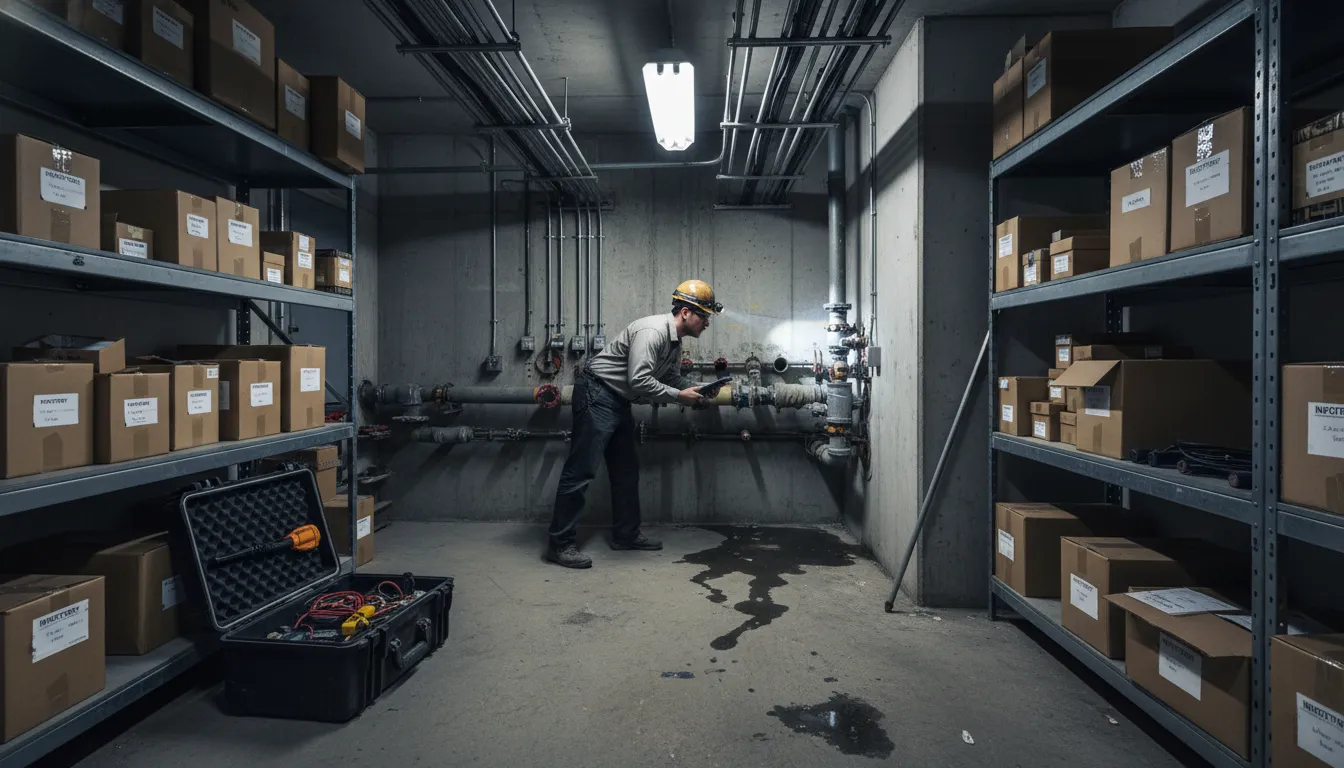
Find the Best Commercial Pest Control Companies for Your Business
No obligation • Fast responses • Nationwide coverage

Why you can trust Pest Crews
Pest Crews is a leading U.S. resource for finding and evaluating residential and commercial pest control services. Our team researches providers, reviews treatment approaches, and organizes unbiased information to help you make informed decisions. Companies cannot pay to change our editorial content or influence how they appear.
Search providers near you
Top Commercial Pest Control Companies in Cranston, Rhode Island Ranked
For any business in Cranston, from a cozy restaurant on Park Avenue to a sprawling warehouse in the industrial district, a pest problem is more than a nuisance-it's a direct threat to your reputation, operations, and bottom line. Commercial pest control is a specialized service designed to protect your business assets, inventory, and customers from rodents, insects, and wildlife through proactive management and targeted solutions. This resource helps you understand the professional pest management process, the strategies used by local experts, and how to evaluate service providers to find the right protection plan for your specific facility.
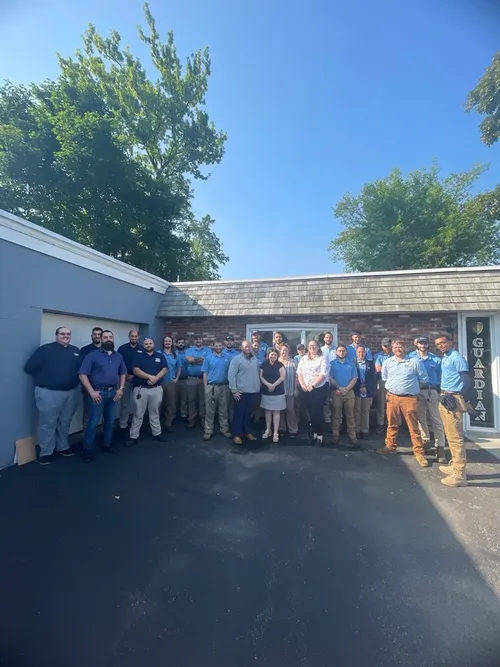
Guardian Pest Control
391 Warren Ave, East Providence, RI 02914
Guardian Pest Control is a family-owned pest control company serving Providence, RI, and nearby communities including Fall River. They provide pest and rodent control services for both residential and commercial properties, specializing in treatments for bed bugs, termites, rodents, ants, mosquitoes, and cockroaches. With over 35 years of experience, Guardian Pest Control uses eco-friendly methods and the latest technologies to manage infestations safely and effectively. The company emphasizes ongoing technician training and a customer-focused approach to ensure thorough and knowledgeable service.

Mosquito Joe of Walpole-Waltham
32 R Spring St, Medfield, MA 02052
Mosquito Joe of Walpole-Waltham provides eco-friendly pest control services in Boston, MA, specializing in mosquito, tick, rodent, ant, cockroach, and commercial pest management. Their approach includes building pest-repelling barriers and offering year-round protection tailored to the unique needs of each property. The company uses EPA-registered treatments and emphasizes prevention to minimize pest-related damage. Mosquito Joe is backed by urban entomologists and holds a PESP Gold designation, reflecting their commitment to science-driven and environmentally responsible pest control.
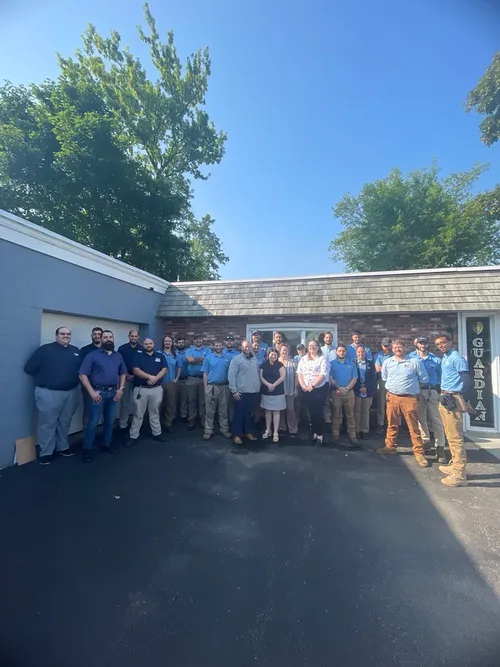
Debug Pest Control - Rhode Island
41 Cedar Swamp Rd Suite D, Smithfield, RI 02917
Debug Pest Control - Rhode Island is a locally owned pest management company based near Providence, RI, offering services for residential and commercial clients. They provide solutions for a wide range of pests including rodents, ants, termites, bed bugs, mosquitoes, and wasps. With over 30 years of experience, Debug Pest Control uses eco-friendly methods and integrated pest management strategies to effectively control and prevent infestations. Their service area includes Rhode Island, Connecticut, and Southeastern Massachusetts, and they offer same-day service when scheduled early in the week.
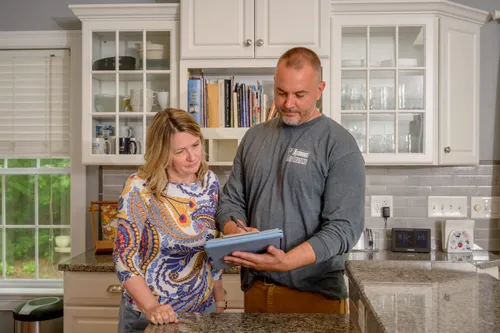
Assurance Pest Solutions
93 West St, Medfield, MA 02052
Assurance Pest Solutions is a family-owned pest control company serving Boston, MA, and surrounding areas in Massachusetts and Rhode Island. With over 40 years of experience, they provide residential and commercial pest management services including bed bug treatment, ant control, rodent control, termite inspection, mosquito control, bee and wasp removal, and wildlife removal. Their certified technicians use environmentally conscious Integrated Pest Management strategies to address infestations by targeting root causes such as entry points and nesting areas. The company also offers humane wildlife removal and exclusion services to protect properties while ensuring animal safety.
Modern Pest Services
100 Niantic Ave, Providence, RI 02907
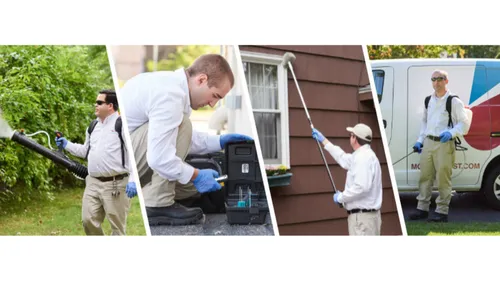
Modern Pest Services is a pest control company based in Providence, RI, specializing in rodent and commercial pest control. They address pest issues common in the city, including infestations linked to food-related businesses and residential areas. Their services focus on inspecting and managing pest problems to prevent further spread. Operating in the capital of Rhode Island, Modern Pest Services offers expertise tailored to the local environment and business needs.
Why Commercial Pest Management is Critical for Cranston Businesses
Unlike residential pest control, commercial pest management addresses the unique challenges and higher stakes of business environments. An infestation can lead to health code violations, product contamination, structural damage, and a loss of customer trust. In Cranston, with its diverse mix of retail, hospitality, manufacturing, and healthcare facilities, pests are attracted to the food, shelter, and materials commonly present. A professional commercial pest control service acts as a partner in risk management, implementing protocols that not only address active infestations but, more importantly, work to prevent them from ever starting. This proactive approach is essential for maintaining a safe, compliant, and reputable business.
The Core Strategy: Integrated Pest Management (IPM)
Modern commercial extermination is built on the framework of Integrated Pest Management (IPM). This is a sustainable, science-based approach that prioritizes long-term prevention over reactive spraying. IPM focuses on understanding the biology of the pest and its interaction with the environment to manage pest damage with the least possible hazard to people, property, and the environment.
The process typically involves three key principles:
- Inspection and Monitoring: The foundation of any IPM program. Technicians conduct a thorough inspection to identify the pest species, locate entry points, assess sanitation practices, and find signs of activity like droppings or nesting materials. Ongoing monitoring with traps and devices helps track pest pressure over time.
- Prevention: This is the most critical step. Strategies include sealing cracks and gaps (exclusion), improving waste management and sanitation (cultural controls), and removing sources of food and water to make the environment less inviting to pests.
- Targeted Control: When action is needed, control methods are chosen based on effectiveness and minimal risk. This may involve physical controls like traps, biological controls, or, as a last resort, the careful application of pesticides in targeted areas rather than widespread spraying 1.
The Professional Service Process: From Inspection to Ongoing Care
When you engage a commercial pest control provider in Cranston, you can expect a systematic process tailored to your business's needs.
1. The Initial Inspection and Assessment
A technician will perform a detailed walk-through of your facility, both interior and exterior. They are looking for current pest activity, potential entry points, and conditions conducive to pests (e.g., moisture issues, clutter, gaps around pipes). This assessment determines the scope of the problem and forms the basis for a customized action plan.
2. Development of a Customized Treatment Plan
Based on the inspection, the provider will recommend a plan. This is not a one-size-fits-all solution. For a restaurant, the focus might be on flying insects and rodents, with an emphasis on sanitation consultation. For an office building, the plan might center on perimeter defense and monitoring for occasional invaders. The plan will outline the specific methods, products (if needed), and service frequency.
3. Implementation of Control Measures
Treatment execution follows the IPM hierarchy. Physical measures like installing door sweeps or rodent bait stations in secured boxes are often first. Chemical treatments, if necessary, are applied judiciously in cracks, crevices, and other targeted locations to maximize impact on the pest while minimizing exposure 2 3. For wildlife issues, humane exclusion techniques are typically employed.
4. Ongoing Service and Monitoring
For most businesses, a one-time treatment is not enough. Recurring service-whether monthly, quarterly, or as-needed-ensures continuous monitoring and preventive maintenance. During these visits, technicians check monitoring devices, refresh bait stations, look for new vulnerabilities, and provide you with a service report 4.
Find the perfect commercial pest control companies for your needs
Get personalized recommendations and expert advice
Common Pest Threats to Cranston Commercial Properties
Understanding the local pest pressures can help you identify problems early. Key pests for Cranston businesses include:
- Rodents (Mice & Rats): These are major concerns due to their ability to chew wires, contaminate inventory, and spread disease. They seek shelter, especially as temperatures drop, and can enter through incredibly small gaps.
- Cockroaches: A severe threat in food-handling businesses. They thrive in warm, moist environments and are notorious for triggering health code violations.
- Ants: From tiny pavement ants to larger carpenter ants, these insects can invade kitchens, break rooms, and even cause structural damage (in the case of carpenter ants).
- Flying Insects: Flies and mosquitoes can disrupt outdoor dining, employee comfort, and create a negative customer impression.
- Stored Product Pests: Insects like beetles and moths can infest dry goods in warehouses, grocery stores, and food processing plants.
- Wildlife: Birds, raccoons, and squirrels can damage roofs, vents, and siding, and create unsanitary conditions with their nesting and droppings.
Understanding Service Plans and Pricing Structures
Commercial pest management offers flexibility to match your needs and budget. Common plan types include:
- One-Time or Emergency Service: For addressing a sudden, acute infestation. This is a reactive solution and typically does not include ongoing prevention.
- Recurring Service Contracts: The standard for most businesses. These provide scheduled visits (e.g., monthly, bi-monthly, quarterly) for inspection, monitoring, and preventive treatments. Many local providers, like those serving Cranston, offer flexible plans without requiring long-term contracts, allowing businesses to adjust service as needed.
Pricing for commercial pest control in Cranston is not flat-rate. It is customized based on several key factors:
- Facility Size and Type: A small retail shop will cost less to service than a large manufacturing plant or a multi-building campus.
- Pest Type and Infestation Level: A minor ant issue requires less labor and material than a widespread rodent infestation or active termite colony.
- Service Frequency: More frequent visits (monthly vs. quarterly) will have a higher annual cost but provide greater protection.
- Scope of Work: Plans that include extensive exclusion work (sealing the building) or specialized treatments will be priced accordingly.
Most reputable companies will provide a detailed quote only after conducting a thorough on-site inspection.
Selecting a Commercial Pest Control Provider in Cranston
Choosing the right partner is crucial. Look for providers that demonstrate a commitment to IPM principles and offer transparency. Key considerations include:
- Licensing and Insurance: Ensure the company is properly licensed by the Rhode Island Department of Environmental Management and carries adequate liability insurance.
- Experience with Your Industry: A provider familiar with the specific regulations and challenges of restaurants, healthcare, or warehousing will be more effective.
- Service Guarantee and Reporting: Ask about their policy if pests return between visits and if they provide detailed service reports after each visit.
- Safety and Environmental Practices: Inquire about the products they use and their policies for minimizing disruption to your staff and customers.
Local Cranston providers, such as Pest Patrol Inc., which offers personalized plans for insects, rodents, and animals, and Pest Assassins, a veteran-owned company known for fast response to pests like mice with flexible service options, exemplify the tailored approach available in the area 5 6.
Frequently asked questions
Sources
Footnotes
-
Integrated Pest Management (IPM) Principles | US EPA - https://www.epa.gov/safepestcontrol/integrated-pest-management-ipm-principles ↩
-
Effective Pest Control Methods: Best Practices & Strategies - FieldRoutes - https://www.fieldroutes.com/blog/pest-control-methods ↩
-
Unit 1: Principles of Pest Control - CTAHR.hawaii.edu - https://cms.ctahr.hawaii.edu/epp/Education/Study-Guide-Packets/APC-Core/APC-Unit1 ↩
-
3 Principles of Integrated Pest Management (IPM) | Aberdeen, NC - https://www.naturesselect.com/blog/3-principles-of-integrated-pest-management-ipm/ ↩
-
Pest Control & Solutions in Cranston, RI - https://www.pestpatrolinc.net/cranston/ ↩
-
Pest Assassins In Cranston, RI | Local Veteran Owned - https://www.pestassassins.com/cranston-ri-pest-control/ ↩