Find the Best Commercial Pest Control Companies for Your Business
No obligation • Fast responses • Nationwide coverage

Why you can trust Pest Crews
Pest Crews is a leading U.S. resource for finding and evaluating residential and commercial pest control services. Our team researches providers, reviews treatment approaches, and organizes unbiased information to help you make informed decisions. Companies cannot pay to change our editorial content or influence how they appear.
Search providers near you
Top Commercial Pest Control Companies in Rock Hill, South Carolina Ranked
For businesses in Rock Hill, maintaining a pest-free environment is not just about comfort-it's a critical component of operational integrity, customer safety, and regulatory compliance. Commercial pest management is a specialized service designed to protect restaurants, offices, retail spaces, warehouses, and healthcare facilities from infestations that can damage property, tarnish reputations, and pose health risks. This guide explains the professional pest control process, its importance for local businesses, and how you can find specialized providers to safeguard your commercial investment.
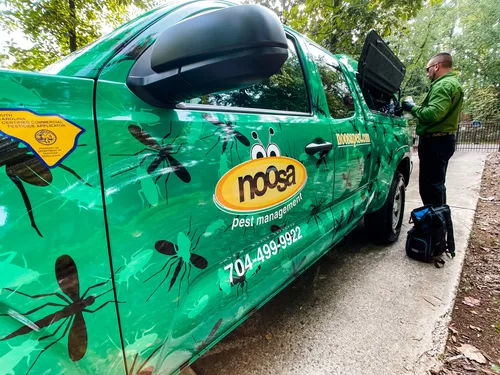
Noosa Pest Management LLC
6916 Rea Croft Dr, Charlotte, NC 28226
Noosa Pest Management LLC is a locally owned pest control company serving Charlotte, NC. They provide a range of residential and commercial pest management services including bed bug treatment, ant and rodent control, termite inspections, mosquito control, bee and wasp removal, bird and wildlife control, and crawl space encapsulation. Their approach emphasizes environmentally friendly and botanical pest control solutions, integrating natural treatments and comprehensive inspections to address pest issues effectively. Noosa Pest Management also offers specialized termite control and uses heat treatment for bed bugs. They participate in the EPA's Pesticide Environmental Stewardship Program and focus on minimizing chemical use. The company is known for its thorough inspections, customized treatment plans, and ongoing maintenance visits. Noosa Pest Management is family-operated and prioritizes eco-conscious methods while covering a wide range of pests common in the Charlotte area.
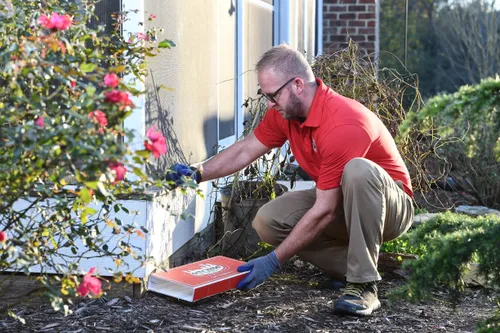
City Wide Exterminating
6025 Blakeney Park Dr #202, Charlotte, NC 28277
City Wide Exterminating is a family-owned pest control company serving Charlotte, NC, and surrounding areas including Concord, Mooresville, and Locust. Established in 2000, they offer comprehensive pest management services for residential and commercial properties. Their services include treatment and removal of bed bugs, ants, cockroaches, rodents, termites, mosquitoes, and wildlife. City Wide Exterminating provides tailored pest inspections and ongoing maintenance plans to help keep properties pest-free. They emphasize environmentally responsible and pet-friendly solutions and offer a service guarantee with additional treatments included on annual plans.

Go-Forth Pest Control
1974 Carolina Pl Ste 120, Fort Mill, SC 29708
Go-Forth Pest Control is a pest management company based in Charlotte, NC, serving the Fort Mill area and nearby towns. They provide a wide range of pest control services including ant, cockroach, flea, mosquito, rodent, bed bug, termite, bee, wasp, and wildlife removal. The company uses pet- and kid-friendly products and applies the latest pest management technologies to protect homes and businesses. Established in 1959, Go-Forth Pest Control has decades of experience and offers same-day service to address pest issues promptly.
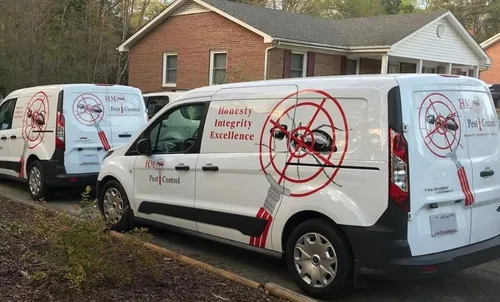
HMO - Residential and Commercial Pest Control Charlotte
1409 East Blvd, Charlotte, NC 28203
HMO - Residential and Commercial Pest Control Charlotte provides pest control services for homes and businesses in Charlotte, NC, and surrounding areas including Gastonia, Monroe, Fort Mill, Lancaster, and Rock Hill. The company specializes in managing pests such as bed bugs, termites, ants, cockroaches, and rodents, offering tailored treatment packages to meet different needs. With licensed expertise and a focus on honesty and integrity, HMO has been serving the community since 2002. They also provide home inspection services and hold multiple professional licenses including NC Licensed General Contractor and Pest Control Operator.
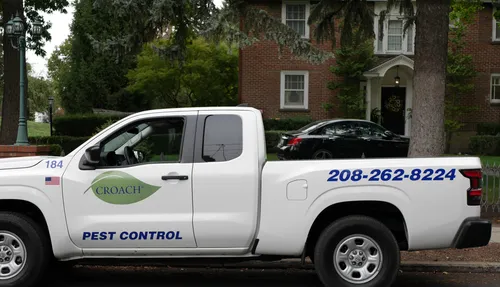
Croach Pest Control
5100 Reagan Dr Suite 14, Charlotte, NC 28206
Croach Pest Control provides pest management services in Charlotte, NC, specializing in both residential and commercial pest control. Their approach follows Integrated Pest Management (IPM), focusing on environmentally responsible methods. Services include thorough pest inspections and customized plans for extermination and ongoing management, addressing pests such as bed bugs, cockroaches, and termites. The company has many years of experience in the field.
Why Professional Pest Management is Essential for Rock Hill Businesses
The stakes for pest control in a commercial setting are significantly higher than in a residential one. An infestation can lead to failed health inspections, loss of customer trust, product contamination, and even legal liability. In Rock Hill, common commercial pests include cockroaches, rodents, ants, flies, and stored product pests, all of which thrive where food, water, and shelter are available. A proactive, professional approach is the only way to ensure your business meets South Carolina health codes and provides a safe environment for employees and patrons alike. This is especially crucial for industries like food service, hospitality, and healthcare, where the standards are stringent.
The Core Philosophy: Integrated Pest Management (IPM)
Modern commercial extermination services in Rock Hill are built on the foundation of Integrated Pest Management (IPM). IPM is a sustainable, science-based strategy that prioritizes long-term prevention and uses a combination of techniques. Instead of relying solely on reactive chemical sprays, IPM focuses on understanding the pest's life cycle and its interaction with the environment. This approach involves:
- Prevention First: Addressing conditions that attract pests, such as sanitation issues and structural entry points.
- Monitoring: Regularly inspecting and identifying pests to understand the scope of a problem.
- Thresholds: Determining at what point pest populations necessitate action.
- Control: When needed, using a tiered response, starting with the least risky methods (like traps or exclusion) before considering targeted chemical applications 1.
This method is not only more effective and environmentally responsible but also aligns with the expectations of today's consumers and regulatory bodies.
The Commercial Pest Control Process: A Step-by-Step Breakdown
Professional pest management for businesses is a systematic process tailored to each unique facility.
1. Thorough Inspection and Risk Assessment
The process begins with a comprehensive assessment of your property. A certified technician will inspect for signs of pest activity, identify potential entry points (like cracks, gaps around pipes, or faulty door seals), and evaluate sanitation practices. They will also look for conducive conditions such as moisture problems, clutter, and improper food storage. The goal is to identify the specific pests present (e.g., German cockroaches vs. rodents), assess the extent of any infestation, and pinpoint the environmental factors making your business vulnerable. This detailed inspection forms the blueprint for your customized treatment plan.
2. Development of a Customized Action Plan
Based on the inspection findings, your provider will develop a plan specific to your business type, size, and pest challenges. A plan for a restaurant will differ vastly from one for a warehouse or office building 2. This plan outlines the specific control methods to be used, the frequency of service, and any necessary structural or operational recommendations for your staff. A key part of this phase is communication, ensuring you understand the steps involved and your role in the partnership for prevention.
3. Implementation of Control Methods
Following the IPM hierarchy, technicians will implement a combination of strategies:
- Sanitation & Exclusion: This is the cornerstone. Recommendations may include improving waste management, sealing cracks and crevices, installing door sweeps, and repairing screens to physically block pests from entering 3.
- Mechanical & Physical Controls: Using traps, bait stations, and insect light traps (ILTs) to capture and monitor pests without immediate chemical use 4.
- Targeted Chemical Control: When necessary, pesticides are applied in a precise, targeted manner. This could involve using gel baits for cockroaches in strategic locations, applying insecticide dusts in wall voids, or using rodenticides in secured bait stations. The emphasis is on products that are low-odor, low-toxicity, and applied in a way that minimizes exposure to people and non-target animals 5.
Find the perfect commercial pest control companies for your needs
Get personalized recommendations and expert advice
4. Ongoing Monitoring, Documentation, and Prevention
Commercial pest control is an ongoing partnership, not a one-time event. The most effective programs include scheduled follow-up visits (monthly, bi-monthly, or quarterly) to monitor bait stations, inspect traps, and check for new activity. Your provider should supply detailed service reports documenting what was observed and any actions taken. This documentation is invaluable for audit trails and health inspections. The plan is also dynamic, adjusted based on monitoring results and any changes to your facility or operations.
Understanding Service Needs and Costs in Rock Hill
The scope and cost of commercial pest management services in Rock Hill are not one-size-fits-all. They are determined by several key factors:
- Business Type & Size: A small retail shop will have different needs and costs than a large food processing plant or a multi-building office complex. Square footage is a primary cost driver 6.
- Pest Pressure & History: The type of pest (e.g., a termite problem is handled differently and may cost more than an ant issue) and the severity of an existing infestation influence the initial treatment intensity and cost 7.
- Service Frequency: How often a technician visits-weekly, monthly, or quarterly-directly impacts the overall price. More frequent visits typically mean a higher recurring cost but offer greater protection.
- Building Condition & Location: An older building with many entry points may require more exclusion work. A business located near wooded areas or water sources may face higher pressure from certain pests 8.
Most reputable providers operate on a service plan model, which often includes an initial intensive treatment followed by regular maintenance visits. Due to these variables, local companies like Mack Pest Solutions and Anticimex emphasize the need for an on-site evaluation to provide an accurate, customized quote 9.
Key Considerations When Choosing a Provider
Selecting the right pest management partner is crucial. Look for a provider that:
- Specializes in Commercial Services: Ensure they have experience with businesses like yours and understand industry-specific regulations.
- Employs Licensed Technicians: Verify that their staff is properly licensed and trained in South Carolina.
- Embraces IPM Principles: Their proposed plan should emphasize inspection, prevention, and monitoring, not just chemical application.
- Provides Clear Documentation: They should offer detailed service reports and be willing to help you prepare for health inspections.
- Offers Emergency Services: Ensure they have a protocol for addressing urgent pest issues outside of scheduled visits.
By partnering with a qualified professional who uses a strategic, integrated approach, Rock Hill business owners can effectively manage pest risks, protect their assets, and maintain a pristine reputation.
Frequently asked questions
Sources
Footnotes
-
Integrated Pest Management (IPM): A Sustainable Approach to Pest ... - https://hgic.clemson.edu/factsheet/iintegrated-pest-management-ipm-a-sustainable-approach-to-pest-management/ ↩
-
Industrial Pest Control Services Near Me - Importance for Hotels, Food and the Hospitality Industry - https://www.pelicanpestcontrol.com/industry-specific-pest-control ↩
-
9211 Integrated Pest Management Policy - Wilkes County Schools - https://www.wilkescountyschools.org/apps/pages/index.jsp?uREC_ID=1030055&type=d&pREC_ID=1333780 ↩
-
Pest control - Wikipedia - https://en.wikipedia.org/wiki/Pest_control ↩
-
What is the Process of Pest Control Spraying? - https://atomicpestcontrol.com/blog/what-is-the-process-of-pest-control-spraying ↩
-
Pro Pest Control Services in Rock Hill, SC - https://mackpestsolutions.com/service-areas/rock-hill-pest-control/ ↩
-
Commercial Pest control - Anticimex Carolinas - https://www.axcarolinas.com/commercial-pest-control/ ↩
-
Moving to South Carolina, Do I need Pest Control? - https://www.walkerpestmanagement.com/moving-to-south-carolina-do-i-need-pest-control/ ↩
-
Rock Hill SC Pest Control | Exterminator - https://noosapest.com/rock-hill-pest-control/ ↩