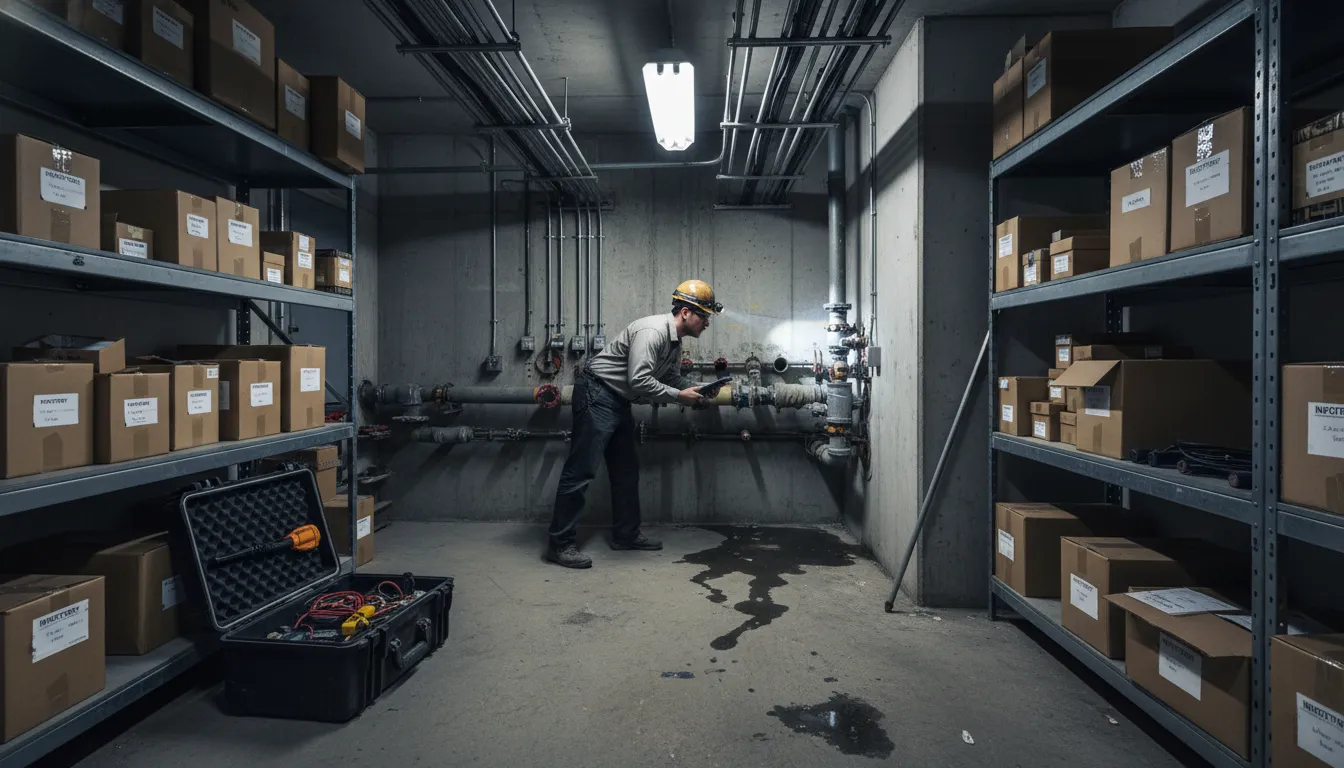
Find the Best Commercial Pest Control Companies for Your Business
No obligation • Fast responses • Nationwide coverage
Why you can trust Pest Crews
Pest Crews is a leading U.S. resource for finding and evaluating residential and commercial pest control services. Our team researches providers, reviews treatment approaches, and organizes unbiased information to help you make informed decisions. Companies cannot pay to change our editorial content or influence how they appear.
Search providers near you
Top Commercial Pest Control Companies in Gallatin, Tennessee Ranked
For any business in Gallatin, from bustling restaurants to expansive warehouses, maintaining a pest-free environment is non-negotiable. Commercial pest management is a specialized service designed to protect your property, inventory, and reputation from the threats posed by rodents, insects, and wildlife. It matters because a single pest sighting can damage your brand, lead to health code violations, and result in significant financial loss. This resource is designed to help you understand the process, methods, and local options for securing professional pest management services tailored to your specific commercial needs.
Insight Pest Solutions
5000 Linbar Dr #260, Nashville, TN 37211
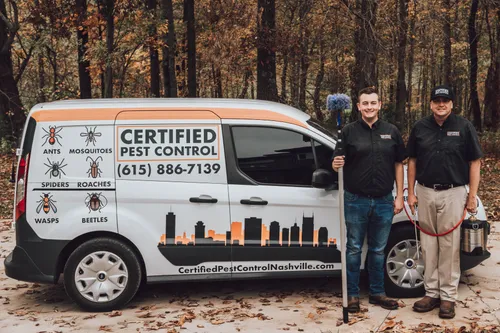
Insight Pest Solutions provides comprehensive pest control services in Nashville, TN, addressing common household and commercial pests such as cockroaches, ants, rodents, termites, mosquitoes, bees, and wasps. Their approach includes thorough inspections, sealing entry points, and targeted treatments to prevent infestations and protect properties year-round. Established in 1985, the company offers specialized termite inspections and treatments, as well as outdoor mosquito control using environmentally responsible methods. Their service includes ongoing monitoring and seasonal adjustments to maintain pest-free environments.
Mosquito Squad of Nashville
201 Terminal Ct, Nashville, TN 37210
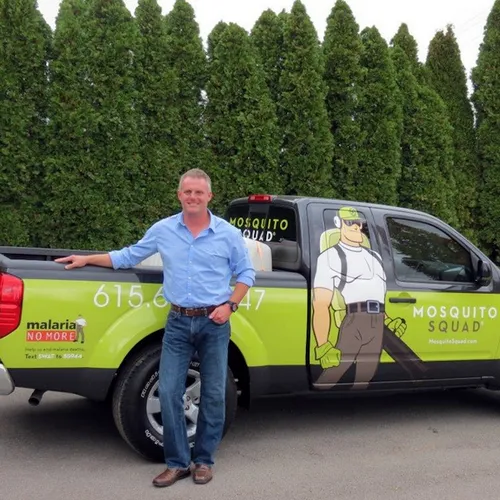
Mosquito Squad of Nashville provides mosquito, tick, flea, and chigger control services in Nashville, TN, and surrounding communities. Since 2005, they have offered traditional barrier mosquito treatments that provide up to three weeks of protection by applying micro-encapsulated formulas to vegetation. They also offer a natural mosquito control option using a proprietary blend of essential oils for those seeking non-toxic solutions. Their services extend to special event mosquito control for occasions such as weddings and public gatherings, helping to reduce insect presence effectively.
All-American Pest Control
149 Bonita Pkwy #103, Hendersonville, TN 37075
All-American Pest Control provides residential and commercial pest control services in Nashville, TN, focusing on eliminating and preventing pests such as termites, mosquitoes, spiders, rodents, and ants. The company offers various service plans including perimeter treatments, mosquito control, and comprehensive care that includes termite protection with the Sentricon® System. As a third-generation, locally owned business, All-American Pest Control has a long history of serving the Hendersonville area with tailored pest management solutions.
Cima Solutions
101 Lealand Ln Suite C, Lebanon, TN 37087
Cima Solutions is a pest control company based in Mount Juliet, serving homes and businesses throughout the Nashville, TN area. They provide comprehensive pest control services including treatment for ants, cockroaches, mosquitoes, spiders, and other common pests. Their commercial pest control plans are designed to work around business hours for offices, shops, and restaurants. Cima Solutions also offers odor control services to maintain freshness in various indoor spaces. The company emphasizes clear communication, thorough inspections, and tailored treatment plans to address active pest issues and prevent future problems.
Blankenship & Sons Pest Control
425 Jenner Rd, Adolphus, KY 42120
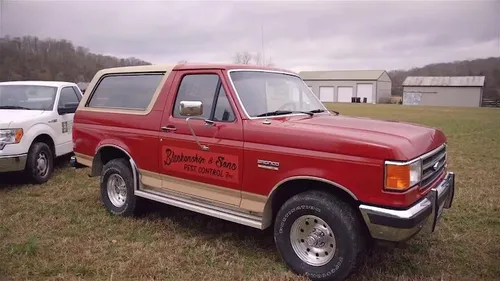
Blankenship & Sons Pest Control is a pest control company serving Nashville, TN. They provide pest protection services for both residential and commercial properties. The company has been in business since 1975 and combines state-of-the-art technology with trained technicians to deliver their services.
What is Commercial Pest Management?
Commercial pest control, often referred to as business pest management, is a proactive and systematic approach to preventing and eliminating pests in non-residential settings. Unlike one-off residential treatments, it involves ongoing partnership with a pest management professional who develops a customized plan based on your facility's unique risks and vulnerabilities. This service is critical for compliance with health and safety regulations, protecting your assets, and ensuring a safe environment for employees and customers alike. The core philosophy of modern commercial pest management is Integrated Pest Management (IPM), a strategy endorsed by the EPA that emphasizes prevention and uses the least hazardous methods first.
The Commercial Pest Control Process: A Step-by-Step Guide
A professional commercial pest management program is not a single treatment but a continuous cycle. Here's how a typical program unfolds:
1. Initial Inspection and Risk Assessment
Every effective program begins with a thorough inspection. A certified technician will examine your entire property-interior and exterior-to identify active pest issues, potential entry points, and conditions that may attract pests, such as moisture, food sources, and harborage sites. This assessment forms the blueprint for your customized plan.
2. Developing a Custom Integrated Pest Management (IPM) Plan
Based on the inspection, your provider will create an IPM-focused plan. This plan prioritizes long-term prevention through methods like sanitation recommendations, structural repairs (sealing cracks and gaps), and habitat modification. Chemical treatments are used only as a targeted last resort, and when they are, they are applied in a way that minimizes risk to non-target species and the environment 1.
3. Implementation of Treatment Methods
Treatment is tailored to the specific pests and the layout of your facility. Common methods include:
- Mechanical Controls: Installing door sweeps, repairing screens, and using traps or bait stations for rodents and insects.
- Biological & Cultural Controls: Advising on waste management, landscaping changes, and sanitation protocols to remove pest attractants.
- Targeted Chemical Controls: Applying EPA-approved baits, dusts, or residual sprays in precise locations only where necessary, such as in wall voids or crack-and-crevice treatments 2.
4. Ongoing Monitoring and Documentation
The cornerstone of commercial service is consistent follow-up. Your technician will place monitoring devices (like glue boards or insect traps) to detect pest activity early. Regular service visits-whether monthly, bi-monthly, or quarterly-include checking these monitors, performing inspections, and providing detailed service reports. This documentation is crucial for audits and demonstrating due diligence.
Common Pests in Gallatin Commercial Settings
Businesses in Gallatin face a variety of pest threats that require specific strategies. Professional commercial exterminators are trained to handle:
- Cockroaches: A major health code concern, especially in food service. They thrive in warm, moist areas like kitchens and drains.
- Rodents (Mice & Rats): They can chew wires, contaminate products, and spread disease. They often enter through tiny gaps in loading docks and foundations.
- Termites: These silent destroyers can cause catastrophic structural damage. Services like termite baiting systems (e.g., Sentricon) are often part of a comprehensive commercial plan.
- Bed Bugs: Not just a hotel problem; they can be introduced into offices, healthcare facilities, and retail stores via personal belongings.
- Flies and Ants: Common nuisance pests that signal sanitation or entry point issues.
- Wildlife & Birds: Pigeons, squirrels, and raccoons can damage property, create unsanitary conditions, and require specialized removal techniques.
Service Frequency & Plans by Business Type
The schedule for your pest management visits depends heavily on your industry and risk level. Here's a general breakdown:
- Food Service & Restaurants: High-risk facilities typically require monthly service. Focus areas include kitchens, storage areas, dumpster pads, and receiving docks to meet stringent health code standards.
- Warehouses & Manufacturing: These large facilities may need monthly or bi-monthly service with a strong focus on monitoring. High activity and stored inventory can attract pests quickly.
- Office Buildings & Commercial Complexes: Lower-risk environments like standard offices often do well with quarterly service, focusing on common areas, trash rooms, and utility closets.
- Retail Stores: Service frequency may vary, with monthly visits during peak seasons or quarterly plans with the provision for rapid response if an issue arises 3.
Find the perfect commercial pest control companies for your needs
Get personalized recommendations and expert advice
Understanding Costs for Commercial Pest Management
Investing in professional pest management is a critical operational cost. Pricing is not one-size-fits-all and is based on a detailed assessment of your property. Key factors include:
- Facility Size & Layout: A small retail shop will cost less than a large distribution center.
- Type of Pest: General preventative service for ants is less complex than eradicating an active termite infestation or bed bug problem.
- Level of Infestation: A severe, established infestation requires more labor and materials than a preventative program.
- Service Frequency: Monthly plans have a different pricing model than quarterly visits.
Costs can range widely. Ongoing monthly commercial plans can start from around $35 and exceed $2,000+ per month for large, high-risk facilities. One-time treatments for a specific problem can range from $75 to $3,500 or more, depending on the pest and severity 4 5. The most accurate way to determine cost is to request an on-site inspection and quote from a qualified provider.
Choosing a Local Commercial Pest Control Provider in Gallatin
Selecting the right partner is essential. Look for a company with specific experience in commercial pest management and ask about their IPM approach. Local providers understand the regional pest pressures and regulations affecting Sumner County businesses. Several established companies serve the Gallatin and greater Nashville area, including family-owned operations and larger regional providers that offer commercial programs 6 7. Ensure they are fully licensed, insured, and can provide references from similar business clients.
The Critical Role of Prevention
The most cost-effective aspect of commercial pest control is prevention. Your role as a business owner or manager is crucial. Partner with your pest management professional by:
- Implementing their sanitation and housekeeping recommendations.
- Promptly repairing leaks and sealing entry points identified in reports.
- Educating staff on how to spot and report early signs of pest activity.
- Maintaining the exterior landscape to reduce pest harborage.
A proactive stance, combined with a professional monitoring and treatment plan, is the best defense against pests that could otherwise disrupt your business operations and reputation.
Frequently asked questions
Sources
Footnotes
-
Integrated Pest Management (IPM) Principles | US EPA - https://www.epa.gov/safepestcontrol/integrated-pest-management-ipm-principles ↩
-
Effective Pest Control Methods: Best Practices & Strategies - FieldRoutes - https://www.fieldroutes.com/blog/pest-control-methods ↩
-
Commercial Pest Control for Businesses - LockLichim - https://goteamtrust.com/blog/pest-control/commercial-pest-control ↩
-
5 Star Commercial Pest Control In Nashville, Brentwood ... - https://www.allamericanpestcontrol.com/commercial-pest-control ↩
-
Commercial Pest Control: Types, Cost, & Best Companies - https://connorspestpros.com/commercial-pest-control-types-cost-best-companies/ ↩
-
Commercial Pest Control In Tennessee - Pest Removal Service - https://www.htppest.com/services/commercial-pest-control ↩
-
Commercial Pest Control Nashville TN - https://legacypesttn.com/commercial-pest-control/ ↩