Find the Best Commercial Pest Control Companies for Your Business
No obligation • Fast responses • Nationwide coverage

Why you can trust Pest Crews
Pest Crews is a leading U.S. resource for finding and evaluating residential and commercial pest control services. Our team researches providers, reviews treatment approaches, and organizes unbiased information to help you make informed decisions. Companies cannot pay to change our editorial content or influence how they appear.
Search providers near you
Top Commercial Pest Control Companies in Herriman, Utah Ranked
For any business in Herriman, from bustling restaurants to quiet office parks, maintaining a pest-free environment is non-negotiable. Commercial pest control is a specialized service designed to protect your property, inventory, reputation, and compliance with health regulations through proactive management and targeted treatments. This resource explains the core components of professional pest management for businesses, helping you understand the process, evaluate your needs, and connect with local providers who can deliver customized protection for your unique commercial space.
Pest Pro Pest Control
3335 S 900 E Ste 200, Salt Lake City, UT 84106
Pest Pro Pest Control is a Salt Lake City, UT-based company specializing in residential and commercial pest management. They offer services including bed bug treatment, rodent and wildlife removal, termite inspections, and insect control such as ants, cockroaches, and wasps. Their approach centers on Integrated Pest Management (IPM), using EPA-registered, family- and pet-friendly products to address infestations while minimizing environmental impact. Recognized with multiple local awards in 2025, Pest Pro combines certified expertise with a focus on long-term pest prevention and safety.
Quality Exterminators
Salt Lake City, UT
Quality Exterminators is a pest control company serving Salt Lake City, UT, and surrounding counties including Davis and Weber from Ogden to Draper. They offer pest control services for both residential and commercial properties, using child- and pet-friendly chemicals for safety. Their service includes regular exterior spraying with subscription options to maintain pest-free environments. Quality Exterminators does not require contracts and provides service as needed.
Thorn Pest Solutions Salt Lake City
Salt Lake City, UT
Thorn Pest Solutions Salt Lake City is a pest management company serving Salt Lake City, UT, with over 15 years of experience. They provide comprehensive residential and commercial pest control services, addressing issues such as bed bugs, cockroaches, ants, rodents, termites, mosquitoes, bees, wasps, and wildlife. Their approach is science-backed and customized, involving thorough inspections and tailored treatment plans to effectively manage and prevent infestations. Thorn's team includes certified entomologists and urban rodentologists who apply biology-based methods to protect homes and businesses from pests that can cause health risks and structural damage. Established in 2007, Thorn Pest Solutions focuses on long-term prevention and offers specialized services for various industries including government, hospitality, food processing, schools, and healthcare.
Uinta Pest Solutions
8505 S 300 E, Sandy, UT 84070
Uinta Pest Solutions provides residential and commercial pest control services in Salt Lake City, UT. They offer eco-friendly treatments designed to be safe for children, pets, and the environment while addressing a wide range of pests including bed bugs, rodents, termites, cockroaches, wasps, fleas, and ticks. Their heat treatments for bed bugs and termite inspections are notable capabilities. The company emphasizes customized pest control solutions tailored to each client's needs and serves the Salt Lake Valley suburbs. They also provide same-day service and maintain ongoing communication to ensure effective pest management.
A-1 Exterminators
219 4860 S, Murray, UT 84107
A-1 Exterminators is a family-owned pest control company based in Salt Lake City, UT, serving both residential and commercial clients. Established in 1961, they offer a wide range of services including bed bug treatment, termite inspections, rodent control, and bee and wasp removal. The company uses Integrated Pest Management techniques to provide environmentally responsible pest control solutions that are safe for families and pets. They offer flexible service options such as single treatments or ongoing contracts and guarantee their results. A-1 Exterminators also provides specialized commercial pest control services for restaurants and food plants.
Understanding Commercial Pest Management Services
Commercial pest management goes far beyond simply spraying for bugs. It is a strategic, ongoing partnership focused on prevention, monitoring, and control. For Herriman businesses, this typically involves a suite of services tailored to the specific risks associated with different industries. A comprehensive program often starts with a detailed on-site evaluation to identify vulnerabilities. From there, providers develop a plan that may include general pest control for common invaders like ants, spiders, and rodents, as well as specialized services for more severe infestations like termites or bed bugs. Many companies offer seasonal plans that adapt treatments to the changing pest pressures throughout the Utah year, ensuring protection is always one step ahead of potential problems.
The Critical First Step: Inspection and Assessment
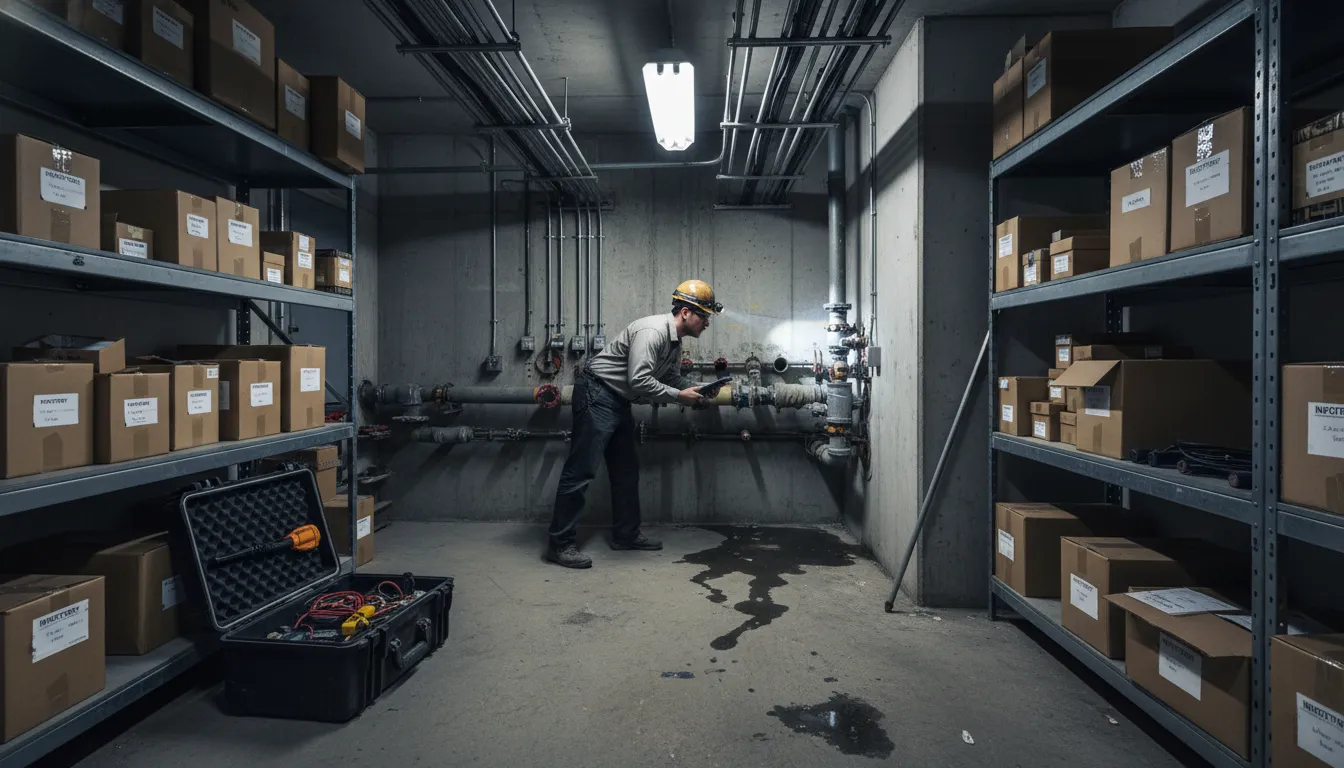
The foundation of any effective commercial pest management program is a thorough inspection. This is not a cursory glance but a meticulous investigation conducted by trained professionals. The goal is to perform a complete vulnerability assessment, identifying not just active pests but the conditions that attract them 1. Technicians will examine both the interior and exterior of your facility, looking for pest entry points, sources of food and water, and harborage sites like clutter or overgrown vegetation 2.
Pest identification is a crucial part of this phase. Correctly determining the species causing the issue is essential for selecting the most effective and efficient treatment methods. This initial assessment provides the blueprint for a customized Integrated Pest Management (IPM) plan, ensuring the solution directly addresses the root causes of pest pressure at your specific location.
The Integrated Pest Management (IPM) Approach
Leading commercial pest control in Herriman is built on the principles of Integrated Pest Management (IPM). IPM is a sustainable, science-based strategy that prioritizes long-term prevention and uses a combination of techniques for the least possible hazard to people, property, and the environment. It views chemical control as a last resort, not a first step. A standard IPM program for a business involves a multi-stage process:
- Inspection and Monitoring: Establishing a baseline and ongoing tracking of pest activity.
- Prevention (Sanitation & Habitat Modification): This is the cornerstone of IPM. It involves actions like improving sanitation protocols, sealing cracks and gaps, repairing screens, managing waste properly, and eliminating standing water to remove the food, water, and shelter pests seek.
- Physical or Mechanical Control: Using non-chemical methods such as traps, barriers, and exclusion devices to remove or block pests.
- Chemical Control: When necessary, applying pesticides in a targeted, judicious manner. This means choosing the right product and placing it precisely where it will be most effective, such as in bait stations or crack-and-crevice treatments, to minimize exposure 3 4.
This systematic approach ensures that pest management is effective, responsible, and tailored to the specific ecosystem of your business.
What to Expect from Ongoing Service and Monitoring
A commercial pest control contract is an agreement for ongoing vigilance. After the initial setup, your provider will schedule regular visits based on your agreed-upon plan-whether monthly, bi-monthly, or quarterly. During these visits, the technician will perform proactive treatments, which may include inspecting monitoring devices, applying preventative materials in key areas, and adapting strategies based on seasonal pest changes.
A key benefit of professional service is detailed reporting. You should receive logs or reports that document all pest activity found, treatments performed, and recommendations for maintenance or sanitation improvements on your part. This documentation is invaluable for internal audits, health inspections, and demonstrating due diligence. This cycle of inspection, action, and reporting creates a dynamic defense system that evolves with your business's needs.
Find the perfect commercial pest control companies for your needs
Get personalized recommendations and expert advice
Understanding Investment and Service Plans
Investing in commercial pest management is an operational cost that safeguards much larger assets. In Herriman, starting rates for basic commercial service plans often begin in the range of $40 to $50 per month, though this is a general benchmark and can vary significantly 5 6. The final cost is influenced by several factors influencing price: the size and type of your business (a warehouse has different needs than a medical office), the severity and type of pest pressure, your location within Herriman, and the chosen service level and frequency (e.g., quarterly versus monthly visits) 5 6.
It's important to view this as a tailored service, not a commodity. Reputable providers will always recommend a detailed quote after a thorough inspection. This quote should outline the specific services, visit frequency, and guarantees included, ensuring you understand exactly what you are paying for and how it addresses your unique risks.
Key Considerations for Herriman Business Owners
When selecting a pest management partner, look for a company with proven experience in the commercial sector and a strong emphasis on IPM. They should be willing to educate your staff on their role in prevention, such as proper food storage and waste management. Ensure they are fully licensed and insured, and ask about their protocols for service in sensitive areas like kitchens or server rooms. The right provider acts as an extension of your team, dedicated to maintaining a safe, clean, and compliant business environment year-round.
Frequently asked questions
Sources
Footnotes
-
Important Components of a Successful Pest Management Program | USU - https://extension.usu.edu/planthealth/research/sucessful-pest-managment-program ↩
-
Household Pest Control - Oklahoma State University Extension - https://extension.okstate.edu/fact-sheets/household-pest-control.html ↩
-
Integrated Pest Management (IPM) Principles | US EPA - https://www.epa.gov/safepestcontrol/integrated-pest-management-ipm-principles ↩
-
Unit 1: Principles of Pest Control - CTAHR.hawaii.edu - https://cms.ctahr.hawaii.edu/epp/Education/Study-Guide-Packets/APC-Core/APC-Unit1 ↩
-
Commercial Pest Control - https://www.pestproutah.com/commercial-pest-control/ ↩ ↩2
-
Premier Commercial Pest Control - https://preventivepestutah.com/commercial-pest-control/ ↩ ↩2