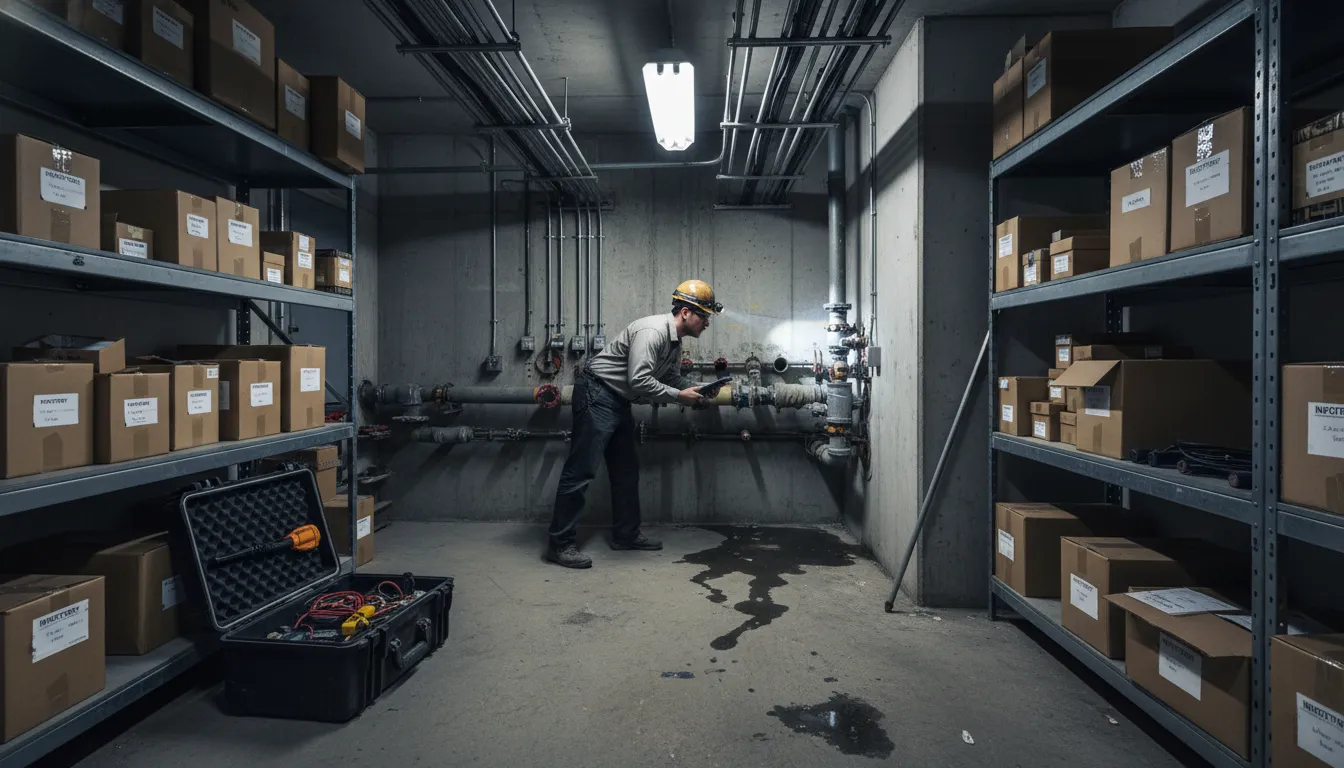
Find the Best Commercial Pest Control Companies for Your Business
No obligation • Fast responses • Nationwide coverage

Why you can trust Pest Crews
Pest Crews is a leading U.S. resource for finding and evaluating residential and commercial pest control services. Our team researches providers, reviews treatment approaches, and organizes unbiased information to help you make informed decisions. Companies cannot pay to change our editorial content or influence how they appear.
Search providers near you
Best Commercial Pest Control Companies in Washington Ranked
For businesses in Washington, effective pest management is a critical component of operations, impacting everything from regulatory compliance and public health to property integrity and brand reputation. Commercial pest control services specialize in protecting restaurants, offices, warehouses, and multi-unit housing from rodents, insects, and other pests using structured, science-based strategies. This resource helps you understand the local approach, key regulations, and typical service processes so you can make informed decisions when seeking professional pest management solutions for your Washington property.
Cascade Pest Control
1420 5th Ave Suite 2260, Seattle, WA 98101
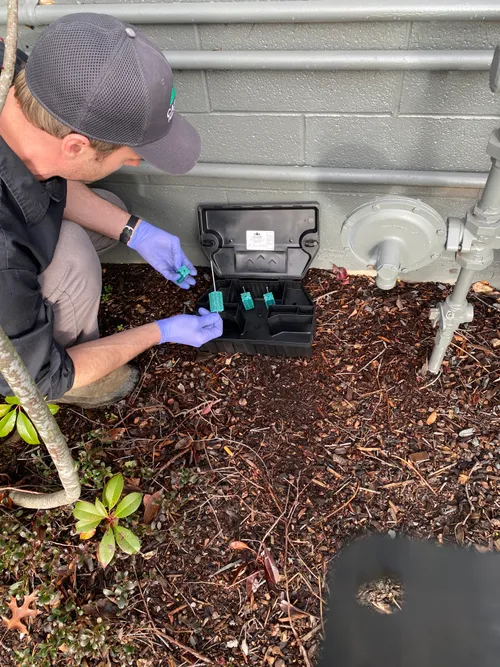
Cascade Pest Control is a family-owned pest control company serving Seattle, WA, and nearby areas. Established in 1979, they specialize in environmentally safe pest and rodent control services tailored to the unique needs of homes and businesses in the region. Their licensed technicians provide comprehensive inspections and treatments for common Seattle pests such as ants, spiders, rodents, termites, and wasps. Cascade Pest Control offers rodent removal and prevention, including damage remediation and exclusion services, along with ongoing pest prevention maintenance programs to protect properties year-round.
Rambo Total Pest Control
401 Olympia Ave NE UNIT 52, Renton, WA 98056
Rambo Total Pest Control is a pest control company serving Seattle, WA, with expertise in managing a wide range of pests including rodents, ants, spiders, stinging insects, and termites. They offer comprehensive pest control services tailored to both residential and commercial properties, focusing on effective inspection, treatment, and follow-up to ensure long-term pest management. Their skilled technicians are trained to handle challenging infestations and provide customized plans based on thorough property assessments. Rambo Total Pest Control emphasizes clear communication and expert service throughout the pest control process.

Spokane Pest Pro
Spokane, WA
Spokane Pest Pro is a locally owned and operated pest control company serving Spokane, WA. Founded in 2014 by Kevin and Karen Dawes, the company offers pest management services for homes and businesses, including ant, cockroach, rodent, spider, mosquito, boxelder bug, springtail, and stinging insect control. They use integrated pest management techniques to address infestations effectively while minimizing environmental impact. Spokane Pest Pro focuses on identifying entry points, treating infestations at the source, and implementing prevention strategies to protect properties from unwanted pests.
Organix Pest Control
1709 E 1st Ave, Post Falls, ID 83854
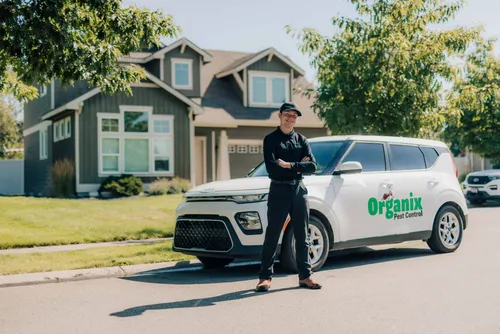
Organix Pest Control is a family-owned pest control company serving Spokane, WA, and the surrounding areas. They provide comprehensive pest management for homes and businesses, specializing in controlling ants, cockroaches, rodents, bees, wasps, and spiders. Their approach includes Integrated Pest Management (IPM), focusing on tailored treatments that often minimize chemical use. Organix Pest Control employs licensed technicians who undergo ongoing training to stay current with industry standards and safety practices. They emphasize eco-friendly methods with mostly low-risk EPA-certified products and maintain a low callback rate. The company is committed to serving the local community with effective pest control solutions.
Rambo Total Pest Control
Tacoma, WA
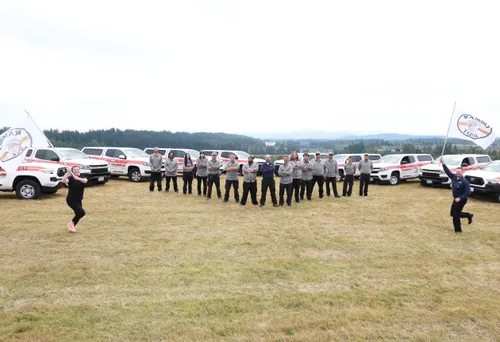
Rambo Total Pest Control is a pest control company serving Tacoma, WA, and the surrounding Pierce County area. Established in 2007, they offer comprehensive pest management services for both residential and commercial properties, including rodent control, ant control, termite inspections, stinging insect removal, and cockroach control. Their technicians provide thorough inspections and customized treatment plans, focusing on long-term pest prevention and clear communication throughout the process. Rambo Total Pest Control is equipped to handle a wide range of pests common to the Pacific Northwest, such as rodents, ants, spiders, and stinging insects.
Understanding Washington's Regulatory Landscape
Commercial pest management in Washington operates under specific state oversight designed to protect public health and the environment. The primary regulatory bodies are the Washington State Department of Agriculture (WSDA), which governs the licensing and application of pesticides, and the Washington State Department of Health (DOH), which outlines responsibilities for landlords and property managers regarding tenant health and safety. For instance, landlords are required to control pest infestations before a new tenant moves in.
Furthermore, state contracts for pest control services emphasize Integrated Pest Management (IPM), a sustainable approach that focuses on long-term prevention through a combination of techniques such as habitat manipulation, biological control, and the careful, minimal use of pesticides. This regulatory framework means that professional providers servicing Washington businesses must be well-versed in both compliance and modern, responsible pest control methodologies.
Common Commercial Pests in Washington
Business properties across the state face a variety of pest pressures that can disrupt operations and pose health risks. The most prevalent offenders include:
- Rodents: Mice and rats are a top concern, especially in urban areas like Seattle and Spokane, as they can damage wiring, contaminate products, and spread disease.
- Insects: Cockroaches, ants (including carpenter ants), flies, stored product pests, bed bugs, and wasps are common invaders. Termites also pose a significant structural threat in many parts of the state 1.
- Other Pests: Birds (like pigeons and sparrows) can create sanitation and liability issues with their droppings, while occasional wildlife intrusions (such as raccoons or squirrels) may require specialized removal.
Identifying the specific pest is the first crucial step in developing an effective control plan, as treatment methods vary widely.
The Integrated Pest Management (IPM) Process
Washington's preferred approach to commercial pest management is Integrated Pest Management. IPM is not a single treatment but a cyclical process focused on prevention and minimal intervention. A comprehensive IPM program typically involves these key steps 2 3:
- Inspection and Monitoring: A thorough assessment identifies active pests, evidence of past activity (droppings, damage), and conducive conditions like moisture issues, entry points, and sanitation concerns. Ongoing monitoring with traps and devices tracks pest activity levels over time.
- Prevention and Cultural Controls: This is the cornerstone of IPM. Actions are taken to make the environment less inviting to pests. This includes sealing cracks and gaps, improving waste management, reducing clutter, fixing leaks, and ensuring proper food storage-essentially removing the food, water, and shelter pests seek 4 5.
- Targeted Intervention: When pest activity exceeds acceptable thresholds, targeted actions are taken. Physical or mechanical controls like traps and barriers are used first. Chemical controls, such as targeted baits or sprays, are applied judiciously as a last resort, with priority given to products and methods that minimize risk to people, non-target organisms, and the environment 6 7.
- Documentation and Evaluation: A professional service will provide detailed reports of inspections, findings, and actions taken. This documentation is vital for compliance audits, communicating with stakeholders, and evaluating the program's success to make necessary adjustments.
Find the perfect commercial pest control companies for your needs
Get personalized recommendations and expert advice
What to Expect from Professional Service
Engaging a commercial pest control provider in Washington usually begins with a detailed consultation and inspection of your facility. Based on the findings, the provider will develop a customized IPM plan tailored to your specific pest pressures, industry, and facility layout.
Service is typically provided on a scheduled basis-monthly, quarterly, or as needed-often governed by an annual service contract. These contracts ensure consistent monitoring and rapid response, which is more effective and often more cost-efficient than reactive, emergency-only treatments. A key benefit of professional service is the assurance of regulatory compliance and the detailed reporting that comes with it, which can be essential for health inspections and liability management.
Factors Influencing Service and Cost
The scope and cost of commercial pest management in Washington are not one-size-fits-all. Several key factors determine the investment required:
- Property Size and Type: A small office building has vastly different needs and costs compared to a large food processing plant, warehouse, or multi-story apartment complex.
- Industry and Risk Level: Facilities that handle food (restaurants, grocery stores, manufacturers) face stricter health code requirements and higher risks, often necessitating more frequent service and rigorous protocols 8.
- Pest Pressure and Type: A routine ant problem is generally less complex and costly to manage than a widespread rodent infestation or a recurring bed bug issue in a hospitality setting.
- Location: Pest pressures and service costs can vary between Western Washington (like Seattle) and Eastern Washington (like Spokane), influenced by climate and urban density 9.
- Service Frequency and IPM Scope: A basic quarterly monitoring plan will cost less than a comprehensive monthly IPM program that includes extensive exclusion work, sanitation consulting, and detailed reporting.
While prices vary significantly, businesses might expect to invest anywhere from a few hundred dollars per month for a small office to over a thousand dollars per month or per service visit for large, high-risk facilities requiring intensive management 10 11. The most accurate way to understand cost is to obtain a detailed proposal based on an on-site inspection of your specific property.
Choosing the Right Provider for Your Washington Business
Selecting a pest management partner is a significant decision. Look for providers with:
- Proper Washington State Licensing through the WSDA.
- Proven Experience with your industry (e.g., food service, healthcare, property management).
- A Strong Emphasis on IPM and preventive strategies, not just chemical treatments.
- Clear Communication and detailed reporting practices.
- References from other commercial clients in your area.
A responsible provider will act as a consultant, helping you not only eliminate current pests but also implement changes to prevent future problems, protecting your investment, your customers, and your reputation.
Frequently asked questions
Sources
Footnotes
-
Tenant and Landlord Resources | Washington State Department of ... ↩
-
Integrated Pest Management: Essential for Philadelphia's Restaurants, Property Management, and Industrial Facilities ↩
-
Effective Pest Control Methods: Best Practices & Strategies - FieldRoutes ↩
-
Top 10 Pest Challenges in Food Processing | Anderson Pest Solutions ↩
-
Spokane Commercial Pest Control: Essential Facility ... - Shyft ↩
-
What is Commercial Pest Control? Top Five Benefits - The Pest Rangers ↩