Find the Best Commercial Pest Control Companies for Your Business
No obligation • Fast responses • Nationwide coverage

Why you can trust Pest Crews
Pest Crews is a leading U.S. resource for finding and evaluating residential and commercial pest control services. Our team researches providers, reviews treatment approaches, and organizes unbiased information to help you make informed decisions. Companies cannot pay to change our editorial content or influence how they appear.
Search providers near you
Top Commercial Pest Control Companies in Waukesha, Wisconsin Ranked
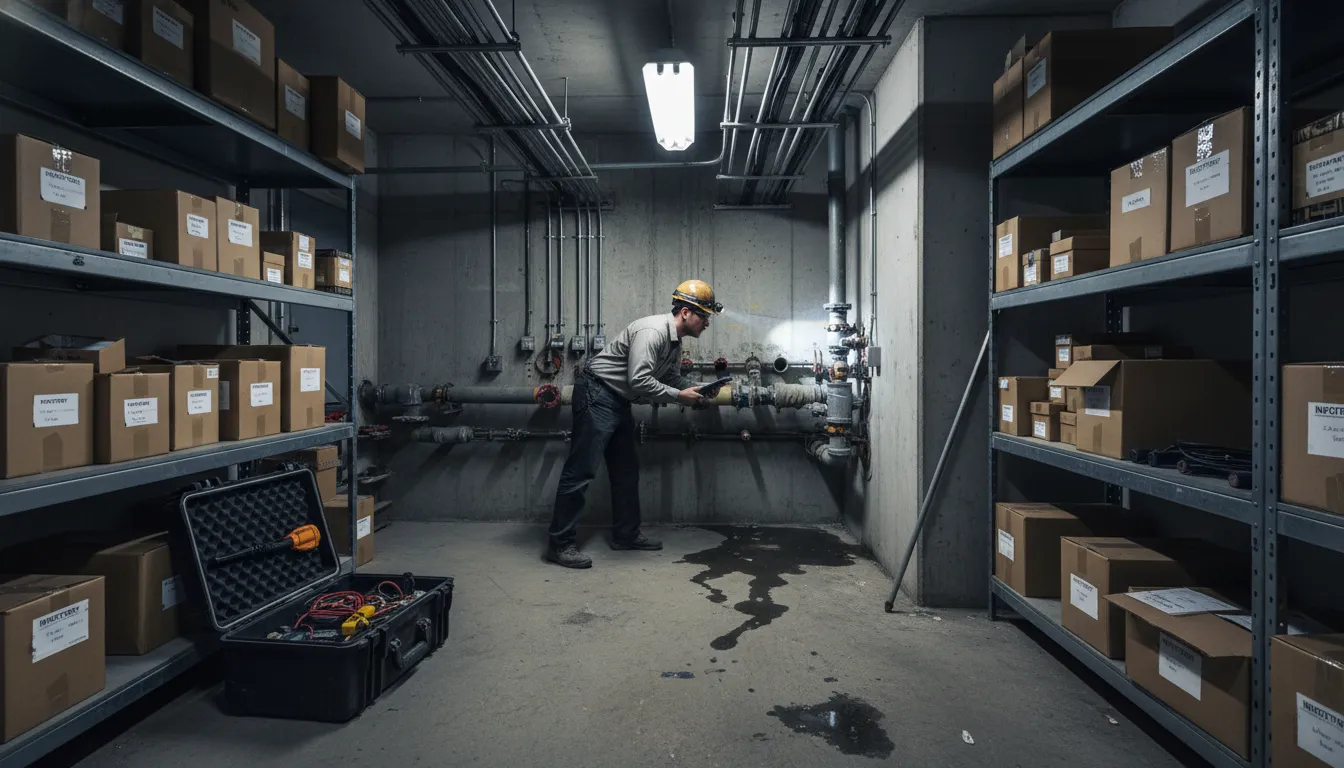
For any business in Waukesha, maintaining a pest-free environment is a critical component of operational success, regulatory compliance, and customer trust. Commercial pest control, or business pest management, is a specialized service designed to protect commercial properties from infestations that can damage inventory, harm your reputation, and pose serious health risks. This guide explains the modern, proactive approach used by local professionals, helping you understand what to expect from a service plan tailored for your specific industry and facility.
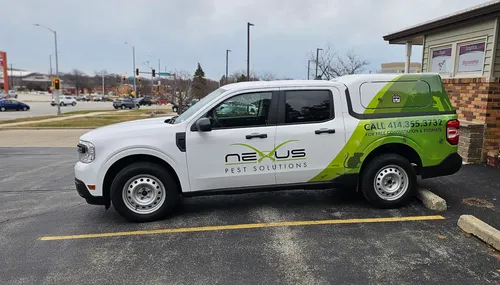
Nexus Pest Solutions
11512 N Port Washington Rd STE 206, Mequon, WI 53092
Nexus Pest Solutions is a pest control company based in Milwaukee, WI, offering comprehensive termite and pest control services for residential and commercial properties. Their services include cockroach and rodent control, termite inspections, and commercial pest management. The company combines non-chemical technologies with EPA-approved chemical methods to provide effective and environmentally sound solutions. With nearly 30 years of experience, Nexus Pest Solutions addresses pest problems promptly and offers a 110% satisfaction guarantee. They provide 24/7 availability and have an entomologist on staff to assist with pest-related questions at any time.
Jerry's Pest Control Service
E Oklahoma Ave, Bay View, WI 53207
Jerry's Pest Control Service is a pest control company based in Milwaukee, WI, offering services for both homes and businesses. They serve Milwaukee County and the South Shore area, including cities like Bay View, St. Francis, South Milwaukee, and Oak Creek. The company uses chemicals that are safe for children and pets, applied in a careful manner. Jerry's Pest Control Service is licensed and certified by the Wisconsin Department of Agriculture Trade and Consumer Protection.
BMI Pest Control Services
4166 N 126th St, Brookfield, WI 53005
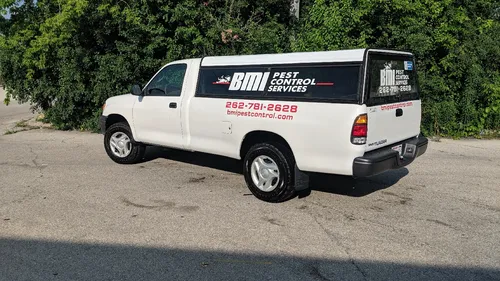
BMI Pest Control Services is a pest control company based near Milwaukee, WI, specializing in insect and rodent control for homes and businesses. The company offers environmentally safe treatments for spiders and rodents, focusing on effective and health-conscious pest elimination. Founded in 2002, BMI Pest Control Services has experience serving southeastern Wisconsin and provides warranties on their pest control work.
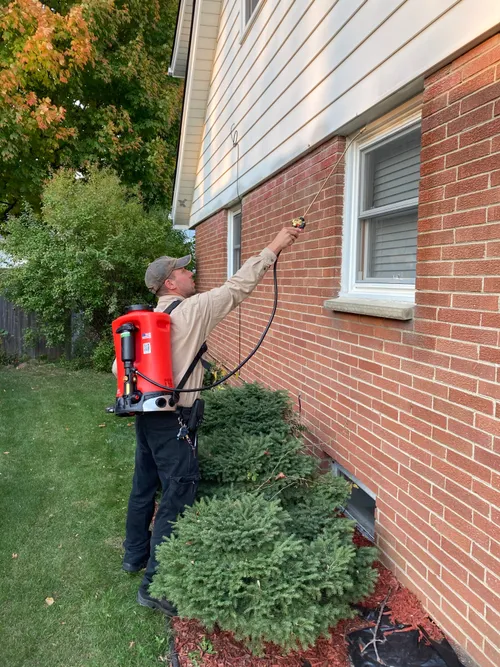
Quality Pest Solutions LLC
Milwaukee, WI
Quality Pest Solutions LLC is a pest control company serving Milwaukee, WI, and southeastern Wisconsin. They provide pest management for homes and businesses, addressing issues such as bed bugs, ants, rodents, spiders, and wasp removal. The company emphasizes pet-friendly treatments and thorough inspections to protect clients and their environments. They are locally owned and operated, focusing on personalized service and practical pest control solutions.

Plunkett's Pest Control
9350 South 27th St, Oak Creek, WI 53514
Plunkett's Pest Control provides pest control services in Milwaukee, WI, addressing common urban and water-related pest issues. They handle cockroach, rodent, mosquito, and other pest problems that arise in densely populated and waterfront areas. Their expertise includes commercial pest control tailored to the unique challenges of Milwaukee's growing urban environment. The company is known for its local knowledge and ability to manage pests common to the region.
What is Integrated Pest Management (IPM)?
The cornerstone of modern commercial pest control in Waukesha is a strategy known as Integrated Pest Management (IPM). This is a science-based, environmentally sensitive approach that prioritizes long-term prevention over reactive chemical sprays. An IPM program starts with a thorough inspection to identify potential problems and then uses a combination of methods to manage pests effectively with the least possible hazard to people, property, and the environment. The goal is not just to eliminate pests you see today, but to create conditions that prevent them from returning tomorrow.
The Initial Commercial Inspection: Knowing Your Vulnerabilities
Every effective pest management program begins with a detailed inspection of your facility. A trained technician will look for the specific conditions that attract and sustain pests. This critical first step informs the entire customized plan 1.
- Entry Points: Technicians will meticulously check doors, loading docks, utility penetrations, vents, windows, and drains for gaps or damage that serve as gateways for pests.
- Harborage & Food/Water Sources: The inspection includes identifying clutter, standing water, improper waste management, and accessible food sources in break rooms, kitchens, or storage areas that provide shelter and sustenance for pests.
- Sanitation Assessment: The cleanliness of hard-to-reach areas, such as under equipment, inside cabinets, and around dumpster pads, is evaluated.
- Pest Identification: Correctly identifying the specific pests present-whether rodents, cockroaches, flies, stored product pests, or others-is essential for choosing the most targeted and effective control actions 2.
The IPM Action Plan: A Multi-Layered Defense
Based on the inspection findings, a professional will develop a plan that uses a hierarchy of control methods. Chemical treatments are a last resort, not the first option.
- Sanitation and Exclusion (First Line of Defense): This is the most important step. Recommendations may include sealing cracks and crevices, installing or repairing door sweeps, improving waste management protocols, and fixing leaks to remove water sources. By making the environment less hospitable, you solve the root cause of many pest issues.
- Mechanical and Physical Controls: This involves the use of traps and devices. Examples include rodent bait stations and snap traps, insect light traps (ILTs) for flying insects, and glue boards for monitoring insect activity.
- Targeted Chemical Controls: When necessary, pesticides are used in a precise and judicious manner. This means applying baits in hidden areas, using dusts in wall voids, or employing low-impact sprays in targeted zones rather than widespread spraying. The focus is on eliminating the specific pest with minimal environmental impact3.
Ongoing Monitoring and Documentation
A true commercial IPM program is not a one-time event but an ongoing process. Regular service visits are scheduled-monthly, bi-monthly, or quarterly-depending on your business's needs and risk factors.
- Routine Monitoring Checks: During each visit, the technician will inspect monitoring devices (like sticky traps and bait stations) placed throughout your facility to track pest activity and identify new hot spots.
- Detailed Service Reports: After every visit, you should receive a comprehensive service report. This log details the technician's findings, actions taken, and any signs of pest activity observed. This documentation is crucial for audits and proving due diligence.
- Client Action Items: The report will also include clear recommendations for your staff, such as fixing a door seal, cleaning a specific area, or storing supplies differently. A successful program is a partnership between the pest management provider and your business.
Find the perfect commercial pest control companies for your needs
Get personalized recommendations and expert advice
Understanding Costs for Commercial Pest Management
Pricing for commercial pest control services in Waukesha is not one-size-fits-all. Costs vary widely based on several key factors, and most businesses opt for a service contract that provides regular visits and peace of mind4 5.
- Business Size and Type: The square footage of your facility is a primary factor. Additionally, the industry you operate in significantly impacts the plan's scope and cost. A restaurant, food processing plant, or healthcare facility will require a more intensive and frequent service plan than a standard office building due to health codes and the presence of food.
- Pest Type and Infestation Level: Dealing with a routine ant problem is different from eradicating a rodent infestation or treating for stored product beetles in a warehouse. More challenging pests or severe infestations require more resources and time, affecting the price.
- Service Frequency: Contracts are typically structured for monthly, bi-monthly, or quarterly service visits. More frequent visits generally mean a higher ongoing cost but provide greater prevention. Most contracts also include provisions for emergency response if a problem arises between scheduled visits6.
You can expect a transparent proposal that outlines the service frequency, methods to be used, and the associated costs based on your facility's unique assessment.
What to Expect from a Waukesha Provider
When engaging a local commercial pest control company, you should expect a proactive partner, not just a vendor. Look for providers who emphasize IPM principles, are willing to explain their process in detail, and provide clear documentation. They should carry proper insurance and be knowledgeable about local and industry-specific regulations. The right provider will work with you to develop a program that focuses on prevention, ensures compliance, and protects your business's operations and reputation7 8.
Frequently asked questions
Sources
Footnotes
-
Household Pest Control - Oklahoma State University Extension - https://extension.okstate.edu/fact-sheets/household-pest-control.html ↩
-
Important Components of a Successful Pest Management Program | USU - https://extension.usu.edu/planthealth/research/sucessful-pest-managment-program ↩
-
SCOPE OF WORK - NATIONAL ACCOUNTS - OMNIA Partners - https://www.omniapartners.com/suppliers-files/T-Z/Terminix/Contract_Documents/3280-20-7210__01_/3280-20-7210-1_Terminix_Pest_Control_RES_2020_08_28_Redacted.pdf ↩
-
Commercial Pest Control for Businesses - LockLichim - https://goteamtrust.com/blog/pest-control/commercial-pest-control ↩
-
What Expense Category Does Pest Control Come Under? - https://www.fylehq.com/expense-categories/pest-control ↩
-
Milwaukee Commercial Pest Control Contracts: Facility ... - Shyft - https://www.myshyft.com/blog/commercial-pest-control-service-contracts-milwaukee-wisconsin/ ↩
-
Commercial Services | Pest Exterminator Services | PMS - https://pestmanagementsolutions.com/services/commercial-services/ ↩
-
Integrated Pest Management (IPM) Principles | US EPA - https://www.epa.gov/safepestcontrol/integrated-pest-management-ipm-principles ↩