Find the Best Mosquito Control Companies for Your Business
No obligation • Fast responses • Nationwide coverage

Why you can trust Pest Crews
Pest Crews is a leading U.S. resource for finding and evaluating residential and commercial pest control services. Our team researches providers, reviews treatment approaches, and organizes unbiased information to help you make informed decisions. Companies cannot pay to change our editorial content or influence how they appear.
Search providers near you
Best Mosquito Control Companies in California Ranked
Managing mosquito populations is a critical public health and comfort issue in California. The state's diverse climates and landscapes create ideal breeding grounds for mosquitoes, which can transmit diseases like West Nile virus. Effective mosquito control relies on a coordinated, science-based approach known as Integrated Mosquito Management (IMM). This guide explains the local systems in place, the methods used, and how California residents and property managers can access services and contribute to community-wide reduction efforts.
HomeShield Pest Control
6108 Venice Blvd., Los Angeles, CA 90034
HomeShield Pest Control offers eco-friendly pest control services in Los Angeles, CA. They specialize in residential and commercial pest management, including bed bug treatment, rodent control, termite inspections, and mosquito control. The company uses green pesticide solutions from EcoSMART, focusing on child and pet safety. HomeShield serves a broad area including Sacramento, the Bay Area, Orange County, San Diego, the Inland Empire, and South Florida. They emphasize a professional and ethical approach to pest control and provide a 100% service satisfaction guarantee with unlimited maintenance calls.
HomeShield Pest Control
701 E Ball Rd, Anaheim, CA 92805
HomeShield Pest Control offers eco-friendly pest control services in Irvine, CA, specializing in treatments for bed bugs, cockroaches, ants, rodents, termites, and mosquitoes. They provide both residential and commercial pest management using green pesticide solutions from EcoSMART. HomeShield is locally owned and focuses on safe, child- and pet-friendly pest control methods. Their service areas include multiple regions across California and South Florida. The company emphasizes a professional and ethical approach to pest control, backed by a 100% service satisfaction guarantee and unlimited maintenance visits between scheduled services.
PEST PROS PEST SOLUTIONS
1016 N Market Blvd #40, Sacramento, CA 95834
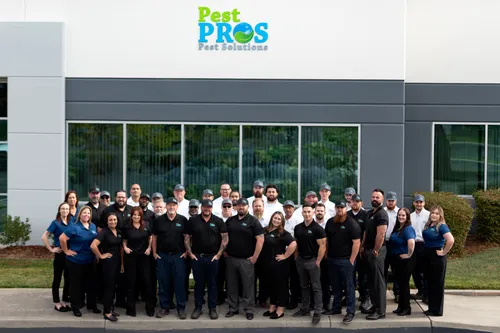
PEST PROS PEST SOLUTIONS is a family owned pest control company based in Sacramento, CA, serving the Sacramento Valley and the San Francisco Bay Area. They provide a wide range of pest management services including bed bug treatment, termite inspections, rodent control, mosquito control, and commercial pest control solutions tailored to local environmental challenges. The company uses eco-friendly products and integrated pest management strategies to effectively address pest issues while minimizing environmental impact. Their expertise includes handling pests common to Northern California such as carpenter ants, termites, rodents, and mosquitoes. Pest Pros Pest Solutions emphasizes education on pest prevention and offers customized plans for both residential and commercial clients. They also provide same-day service when contacted early in the day. The company is committed to community support and environmental responsibility. Their service area covers multiple Northern California counties, ensuring broad access to their pest control expertise. Pest Pros Pest Solutions combines local knowledge with professional-grade products and techniques to manage pest problems safely and effectively.
HomeShield Pest Control
2065 N Broadway # 202, Walnut Creek, CA 94596
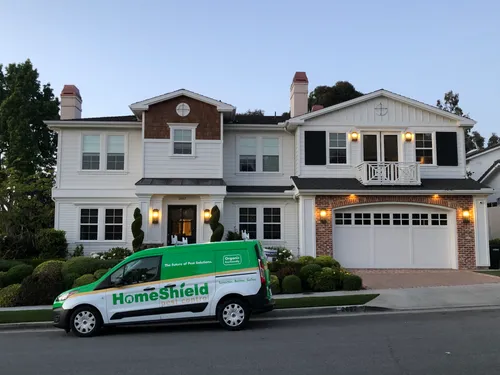
HomeShield Pest Control offers eco-friendly pest control services in Oakland, CA, focusing on child and pet-safe solutions. They provide a range of services including termite control, rodent management, bed bug treatment, mosquito control, and commercial pest control. HomeShield uses green insecticides from EcoSMART and guarantees satisfaction with unlimited maintenance calls between scheduled visits. The company serves multiple regions including the Sacramento and Bay Areas, Orange County, Los Angeles, San Diego, the Inland Empire, and South Florida.
HomeShield Pest Control
9434 Chesapeake Dr #1208, San Diego, CA 92123
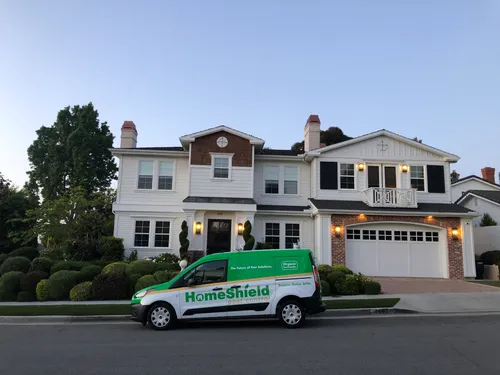
HomeShield Pest Control is a locally owned company based in San Diego, CA, offering eco-friendly pest control services for homes and businesses. They specialize in managing a variety of pests including bed bugs, cockroaches, ants, rodents, termites, and mosquitoes. The company uses green pesticide solutions from EcoSMART, focusing on child and pet safety while addressing local pest challenges. HomeShield provides commercial and residential pest control with a 100% service guarantee and unlimited maintenance calls between scheduled visits. They serve multiple regions including Sacramento, the Bay Area, Orange County, Los Angeles, the Inland Empire, and South Florida.
How Mosquito Control is Managed in California
Unlike many states with a top-down program, mosquito control in California is primarily managed at the local level by independent Mosquito and Vector Control Districts (MVCDs). These special districts operate under state guidelines but are funded and governed locally, allowing them to tailor their strategies to regional needs, such as coastal wetlands, agricultural areas, or urban neighborhoods.
The California Department of Public Health (CDPH) and the Mosquito & Vector Control Association of California (MVCAC) provide overarching guidance, surveillance coordination, and best practices. However, the day-to-day operations-including surveillance, treatment, and public requests-are handled by your county's or region's specific district. This local focus is key to a timely and effective response.
Core Strategies: Integrated Mosquito Management (IMM)
California districts follow the IMM model, which prioritizes environmentally sound methods before resorting to pesticides. This multi-pronged strategy includes:
- Surveillance and Monitoring: This is the cornerstone. Districts regularly trap and test mosquitoes to monitor population levels and detect pathogens like West Nile virus. This data dictates where and when control actions are needed.
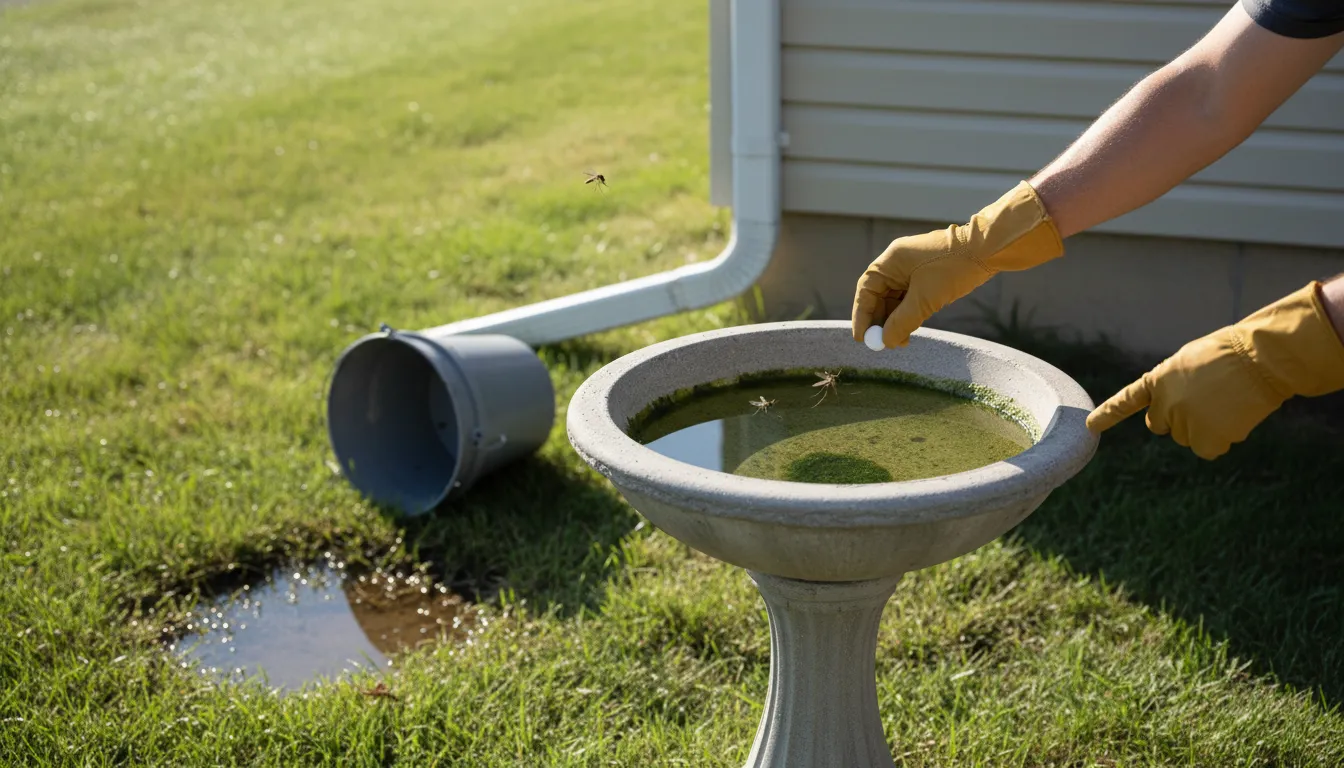
- Source Reduction (Habitat Modification): The most effective long-term control method. It involves eliminating standing water where mosquitoes breed. This includes public education on emptying containers, as well as district-led efforts to clear clogged storm drains, manage irrigation runoff, and treat neglected swimming pools.
- Biological Control: Introducing or enhancing natural predators. The most common example is the use of mosquitofish (Gambusia affinis) in ornamental ponds, animal watering troughs, and other permanent water features that cannot be drained.
- Larval Control: When source reduction isn't possible, districts apply larvicides to water bodies. These products, such as those containing BTI (Bacillus thuringiensis israelensis), specifically target mosquito larvae and are considered low-impact to other wildlife.
- Adult Control: As a last resort, when surveillance indicates high adult mosquito populations or elevated disease risk, districts may apply adulticides via truck-mounted or aerial ultra-low-volume (ULV) spraying. These applications are targeted, temporary, and conducted according to strict regulations.
Services for Homeowners and Residents
For individual homeowners, local MVCDs are your first and most important resource. Services offered typically include:
- Free Property Inspections: Upon request, a district technician will visit your property to identify potential breeding sites and offer specific recommendations.
- Free Larval Treatments: If they find mosquito larvae in a source that cannot be eliminated (like a pond), they will often treat it at no direct cost to you 1.
- Mosquitofish: Many districts provide mosquitofish free of charge for placement in suitable ponds or water features 2.
- Educational Resources: Districts offer extensive advice on personal protection (repellents, clothing), landscaping tips to reduce habitats, and how to "mosquito-proof" your home 3.
- Service Requests for Problem Areas: You can report neglected pools, chronic standing water issues on public or neighboring land, or high mosquito activity in your area. The district will investigate.
These resident services are generally funded through the district's budget, which comes from annual parcel assessments or fees, not per-service charges.
Find the perfect mosquito control companies for your needs
Get personalized recommendations and expert advice
Services for Commercial, Industrial, and Large Properties
Managing mosquitoes on larger properties-such as business parks, golf courses, farms, or school campuses-requires a more formalized plan. District services for commercial clients often involve:
- Consultation and Site Plans: District experts can work with property managers to develop a customized Integrated Pest Management (IPM) plan focused heavily on source reduction and habitat management.
- Focus on Source Reduction: For large landscapes, this means expertly managing irrigation to prevent runoff puddles, designing drainage solutions, and maintaining detention basins 4.
- Monitoring and Larviciding Programs: Districts can help set up monitoring protocols and schedule regular larvicide applications for permanent water bodies on the property 5.
- Coordination for Adulticiding: In cases of severe need, districts can coordinate targeted adulticide applications in collaboration with the property manager.
While consultation is often provided, extensive ongoing service on private commercial land may involve a contract or fee, which varies by district and scope of work.
Seasonal Activity and Scheduling
Mosquito activity in California is year-round in many regions, but control efforts intensify seasonally.
- Year-Round: Surveillance, public education, and addressing chronic breeding sites (like green pools) are ongoing.
- Spring (March-May): Districts ramp up larval control efforts as temperatures rise and standing water from rains becomes prime breeding habitat. This is the most critical time for prevention 6.
- Summer & Fall (June-October): This is peak mosquito season and the period of highest risk for West Nile virus transmission. Districts increase trapping and testing frequency. Adulticide applications, if necessary, are most likely to occur during this period in response to surveillance data indicating a public health risk 7.
- Winter: Efforts focus on planning, equipment maintenance, and addressing dormant sources.
Understanding Costs and Funding
The local district model means there is no single statewide cost for mosquito control. Funding mechanisms are determined by each district, commonly through:
- Parcel Assessments or Fees: A small annual charge (often between $1 to $12 per parcel, but varying by county) appears on your property tax bill. This funds the district's core operations 8 9.
- Taxes or General Fund Allocations: In some counties, vector control is funded through the county general fund.
- State and Federal Grants: For specific surveillance, research, or emergency response projects 10.
For the public, the key takeaway is that most residential services-inspections, larval treatments, fish, and education-are provided at no direct, out-of-pocket cost to the homeowner, as they are pre-paid through the assessment system 11 12. Commercial service agreements are handled on a case-by-case basis.
Finding and Contacting Your Local District
Taking action starts with knowing your local agency. A quick web search for "mosquito control district" plus your county name (e.g., "Los Angeles County Mosquito Control") will direct you to their website. These sites provide:
- Local service request forms.
- Current surveillance data and spray schedules.
- Detailed DIY tips for your area.
- Contact information for direct assistance.
Proactive communication with your district is the most effective step you can take for both personal and community-wide mosquito management.
Frequently asked questions
Sources
Footnotes
-
Best Management Practices for Mosquito Control on California ... ↩
-
Best Management Practices for Mosquito Control in California ↩
-
California Mosquito-Borne Virus Surveillance and Response Plan ↩
-
Mosquito, Vector and Disease Control Assessment Engineer's Report ↩
-
California Mosquito-borne Virus Surveillance and Response Plan ↩
-
best management practices - for mosquito control in california ↩