
Find the Best Pest Control Companies for Your Business
No obligation • Fast responses • Nationwide coverage

Why you can trust Pest Crews
Pest Crews is a leading U.S. resource for finding and evaluating residential and commercial pest control services. Our team researches providers, reviews treatment approaches, and organizes unbiased information to help you make informed decisions. Companies cannot pay to change our editorial content or influence how they appear.
Search providers near you
Top Pest Control Companies in Lakewood, California Ranked
Managing pests is a common concern for California homeowners and business owners. The state's diverse climates, from coastal regions to arid valleys, create ideal environments for a wide range of insects and rodents. Professional pest management services provide targeted solutions to protect your property, health, and peace of mind. This guide outlines what to expect from pest control in California, including common pests, effective treatment methods, seasonal patterns, and typical service costs, helping you make informed decisions when seeking local expertise.
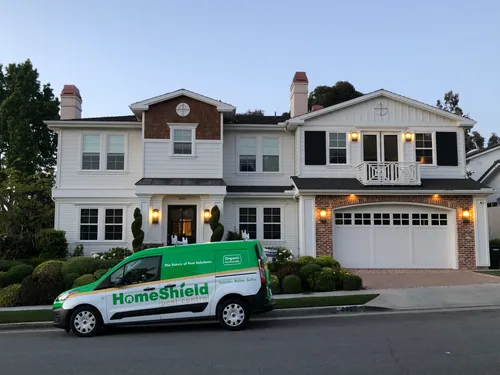
HomeShield Pest Control
6108 Venice Blvd., Los Angeles, CA 90034
HomeShield Pest Control offers eco-friendly pest control services in Los Angeles, CA. They specialize in residential and commercial pest management, including bed bug treatment, rodent control, termite inspections, and mosquito control. The company uses green pesticide solutions from EcoSMART, focusing on child and pet safety. HomeShield serves a broad area including Sacramento, the Bay Area, Orange County, San Diego, the Inland Empire, and South Florida. They emphasize a professional and ethical approach to pest control and provide a 100% service satisfaction guarantee with unlimited maintenance calls.
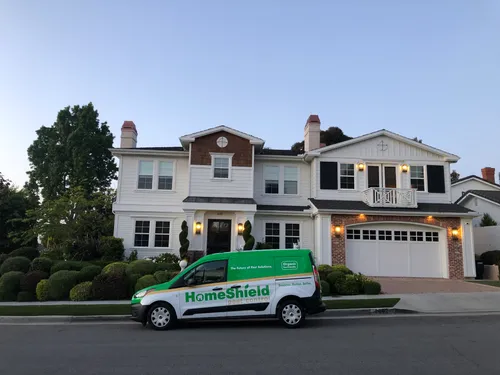
HomeShield Pest Control
701 E Ball Rd, Anaheim, CA 92805
HomeShield Pest Control offers eco-friendly pest control services in Irvine, CA, specializing in treatments for bed bugs, cockroaches, ants, rodents, termites, and mosquitoes. They provide both residential and commercial pest management using green pesticide solutions from EcoSMART. HomeShield is locally owned and focuses on safe, child- and pet-friendly pest control methods. Their service areas include multiple regions across California and South Florida. The company emphasizes a professional and ethical approach to pest control, backed by a 100% service satisfaction guarantee and unlimited maintenance visits between scheduled services.
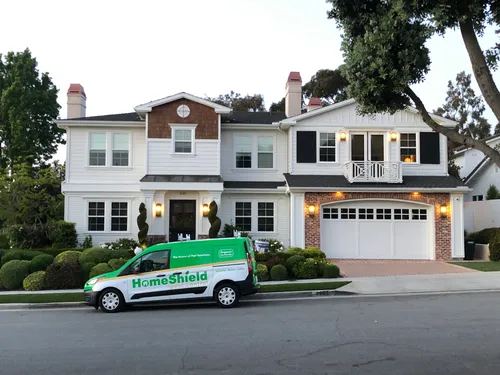
HomeShield Pest Control
2340 E Artesia Blvd, Long Beach, CA 90805
HomeShield Pest Control offers eco-friendly pest control services in Los Angeles, CA, specializing in residential and commercial pest management. Their services include bed bug treatment, rodent control, termite inspections, and mosquito control, using green products from EcoSMART. The company emphasizes safe, child- and pet-friendly solutions and provides a 100% service satisfaction guarantee with unlimited maintenance calls. HomeShield serves a broad area including Sacramento, the Bay Area, Orange County, San Diego, the Inland Empire, and South Florida.
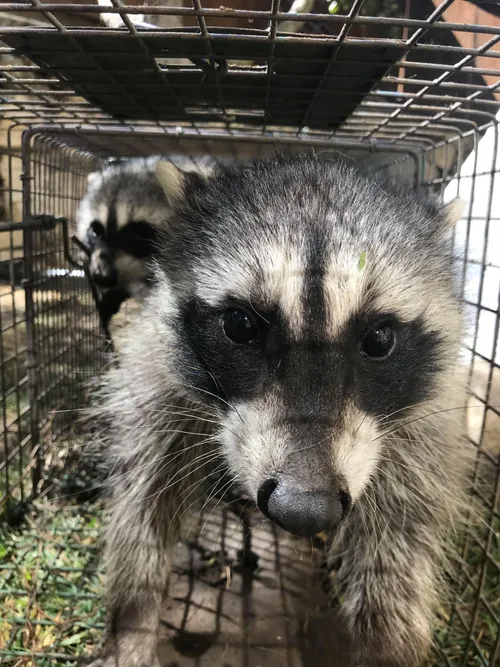
Orchard Inc.
Los Angeles, CA
Orchard Inc. is a pest control company based in Los Angeles, CA, specializing in rodent, bird, and wildlife removal services for both residential and commercial properties. They use humane methods and combine modern techniques with proven approaches to manage infestations while respecting natural ecosystems. Orchard Inc. also offers wildlife fencing as a preventative measure to keep animals off properties. The company serves Los Angeles County and Orange County, handling a wide range of pest control needs with a focus on bird and rodent solutions.
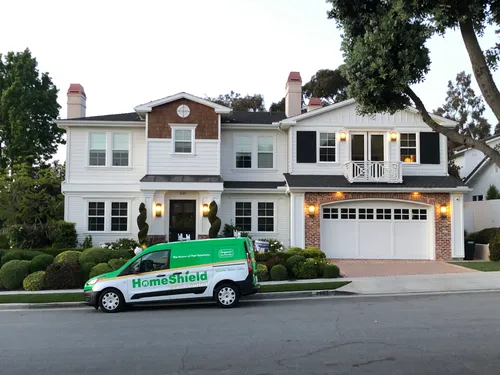
HomeShield Pest Control
716 Yarmouth Rd Suite 208, Palos Verdes Estates, CA 90274
HomeShield Pest Control offers eco-friendly pest control services in Long Beach, CA, focusing on child and pet-safe solutions. They provide a range of services including termite control, rodent control, bed bug treatment, mosquito control, and commercial pest management. HomeShield uses green insecticides from EcoSMART and guarantees satisfaction with each visit, including unlimited maintenance calls between scheduled services. The company serves multiple regions in California and South Florida, emphasizing a responsible and ethical approach to pest control.
Common Pests in California Homes and Businesses
California's varied ecosystems support numerous pests that can invade residential and commercial properties. Understanding which pests are prevalent is the first step toward effective control.
Insects:
- Ants: Argentine ants and carpenter ants are particularly widespread. Argentine ants form massive colonies, while carpenter ants can cause structural damage by tunneling through wood.
- Cockroaches: German and American cockroaches thrive in warm, humid areas like kitchens and bathrooms, posing significant health risks.
- Termites: Both subterranean and drywood termites are destructive forces in California, with subterranean species being the most common and damaging to structures.
- Bed Bugs: These elusive pests are a growing concern, often spread through travel and requiring specialized treatment.
- Spiders and Stinging Insects: Black widow spiders and various wasp species can deliver painful or dangerous bites and stings. 1
- Mosquitoes and Fleas: These biting pests are not just a nuisance but can transmit diseases to humans and pets.
Rodents:
- Rats and Mice: Roof rats, Norway rats, and house mice seek shelter indoors, especially as temperatures drop. They contaminate food, chew wires, and can spread pathogens. 2
Other Nuisance Pests:
- Indian meal moths, silverfish, and nuisance birds like pigeons can also cause problems in homes, pantries, and commercial buildings. 3
The Professional Approach: Integrated Pest Management (IPM)
Leading pest control companies in California typically employ an Integrated Pest Management (IPM) strategy. This is a comprehensive, environmentally sensitive approach that focuses on long-term prevention and uses a combination of techniques. 4 The goal is to manage pest populations effectively while minimizing risks to people, property, and the environment.
Key Components of IPM:
- Inspection and Monitoring: A thorough assessment is the cornerstone. Professionals identify the specific pest, locate entry points, nesting sites, and determine the extent of the infestation.
- Exclusion: This involves sealing cracks, gaps around pipes, and other structural openings to physically prevent pests from entering the building. 5
- Sanitation and Habitat Modification: Experts advise on removing food and water sources, fixing leaks, and eliminating clutter that provides shelter. This makes the environment less attractive to pests. 6
- Physical and Mechanical Control: Methods include using traps for rodents, installing screens on vents, and physically removing nests. 7
- Targeted Chemical Control: When necessary, pesticides are used as a precise tool, not a blanket solution. Preference is given to baits, gels, or low-impact sprays applied to specific areas rather than widespread spraying. For severe, widespread infestations like termites, more extensive measures such as whole-house fumigation may be recommended. 8 9
Find the perfect pest control companies for your needs
Get personalized recommendations and expert advice
Seasonal Pest Patterns in California
Pest activity in California shifts with the seasons, making certain times of year more critical for prevention and treatment. 10
- Spring: Rising temperatures and spring rains trigger increased activity. Ants become more visible, and termite swarms (reproductive termites) are common, signaling it's time for inspections. Rodents are also active as they forage. 11
- Summer: This is the peak season for many pests. Warmth and humidity allow populations of mosquitoes, flies, cockroaches, and fleas to explode. Stinging insects like wasps and yellow jackets are also at their most active and aggressive. 12 13
- Fall: As outdoor temperatures begin to drop, pests start seeking warmth and shelter indoors. This is when rodents and spiders are most likely to invade homes and businesses. 14
- Winter: While some pests become less active, others move entirely indoors. Rodents, cockroaches, and bed bugs remain a concern inside heated structures. Winter can be an excellent time for interior treatments and exclusion work to seal up a home before spring. 15
Understanding Pest Control Service Costs in California
Pricing for pest management services is not one-size-fits-all. It depends on factors like the type of pest, the severity of the infestation, the size of your property (square footage), and the frequency of service required.
Residential Service Estimates:
- One-time General Pest Treatment: For a standard service targeting common insects in an average 1,500 sq. ft. home, costs typically range from $100 to $350.
- Recurring Maintenance Plans: Many homeowners opt for quarterly visits to prevent problems. These can cost $100 to $300 per visit, or approximately $400 to $950 annually. Monthly plans for ongoing protection may range from $40 to $75 per month. 16
- Specific Pest Treatments (Initial/One-time):
- Ant Extermination: $100 - $640
- Rodent Control: $200 - $800
- Cockroach Elimination: $130 - $760
- Termite Treatment: Localized treatments start around $320 - $1,270, while whole-structure fumigation for severe infestations can cost $1,500 to $8,000 or more.
- Bed Bug Eradication: $300 - $1,500, with severe cases potentially exceeding $5,000. 17
Commercial Pest Control Costs: For businesses, pricing structures are more complex and are often customized based on the facility's size (e.g., restaurant, warehouse, office building), industry regulations (especially for food service), and the specific pests posing a risk. Monthly commercial contracts can range from $35 to over $2,000. 18 19
Choosing the Right Service for Your Needs
When evaluating local pest control providers, consider the following:
- Licensing and Certification: Ensure the company is licensed by the California Structural Pest Control Board. Technicians should be properly certified for the treatments they apply.
- IPM Philosophy: Ask if they prioritize IPM principles, which indicate a focus on sustainable, long-term solutions rather than just chemical applications.
- Inspection and Quote: A reputable company will always conduct a thorough inspection before providing a detailed, written estimate that outlines the pest problem, proposed treatment plan, and costs.
- Guarantees and Follow-up: Inquire about service guarantees and what follow-up visits or monitoring are included in the price.
- Safety and Eco-Consciousness: Discuss the products they use, especially if you have children, pets, or environmental concerns. Many companies now offer eco-friendly or "green" pest control options. 20
Effective pest management in California is a year-round commitment that adapts to seasonal changes and specific local threats. By understanding the common pests, the professional methods used to control them, and the factors that influence cost, you can confidently engage with a service provider to develop a protection plan tailored to your California home or business.
Frequently asked questions
Sources
Footnotes
-
California's Top 5 Household Pests: A Homeowner's Guide - https://www.woodspestcontrol.com/blog/california-top-5-household-pests-homeowners-guide ↩
-
The Most Common Household Pests in California ... - https://www.officialpestprevention.com/most-common-household-pests-california/ ↩
-
Real House Pests of California - Ecola Termite and Pest Control - https://ecolatermite.com/real-house-pests-of-california/ ↩
-
Ten Steps for Better Pest Control - Elevate Energy - https://www.elevatenp.org/publications/ten-steps-for-better-pest-control/ ↩
-
Pest Control Guidelines in California Every Landlord Needs to Know - https://www.econexpest.com/blog/2023/03/pest-control-guidelines-in-california-every-land/ ↩
-
Pest Control | California Homeowners Association | HOA - https://www.calassoc-hoa.com/homeowners-association/general-information/pest-control/ ↩
-
Top 5 Methods of Pest Control | Fieldwork - https://fieldworkhq.com/2025/11/18/5-methods-of-pest-control/ ↩
-
How To Remove Pests in California - Solutions Pest & Lawn - https://www.solutionsstores.com/how-to-remove-pests-in-california ↩
-
The Best Pest Control Solution For Your Los Angeles Business - https://www.excelpestmgt.com/blog/2022/november/the-best-pest-control-solution-for-your-los-ange/ ↩
-
The Impact of Seasonal Changes on Pest Behavior in Southern ... - https://kennedypest.com/the-impact-of-seasonal-changes-on-pest-behavior-in-southern-california/ ↩
-
Common Spring Pests in California: Identification and ... - https://www.officialpestprevention.com/common-spring-pests-california/ ↩
-
How Weather Changes Affect Pest Activity in California - https://www.drtermites.com/blog/2025/july/how-weather-changes-affect-pest-activity-in-cali/ ↩
-
How Seasonal Changes Affect Pest Patterns - https://harborpest.com/blog/post/how-seasonal-changes-affect-pest-patterns ↩
-
Best Times Of Year To Schedule Preventive Pest Control - https://www.gunterpest.com/news/best-times-of-year-to-schedule-preventive-pest-control/ ↩
-
The Best Time of Year for Pest Control - https://www.drakepest.com/the-best-time-of-year-for-pest-control/ ↩
-
Pest Control Business Descriptions - https://acwm.lacounty.gov/pest-control-business-descriptions/ ↩
-
How Much Does Pest Control Cost in California - https://pomteam.com/blog/how-much-does-pest-control-cost-in-california-2024/ ↩
-
How to set commercial pest control prices that maximize ROI - https://gorilladesk.com/learn/how-to-set-commercial-pest-control-prices/ ↩
-
Commercial Pest Control: Types, Cost, & Best Companies - https://connorspestpros.com/commercial-pest-control-types-cost-best-companies/ ↩
-
Eco-Friendly Pest Control in California | Pest Innovations Inc - https://www.pestinnovations.com/services/pest-control ↩