Find the Best Pest Control Companies for Your Business
No obligation • Fast responses • Nationwide coverage

Why you can trust Pest Crews
Pest Crews is a leading U.S. resource for finding and evaluating residential and commercial pest control services. Our team researches providers, reviews treatment approaches, and organizes unbiased information to help you make informed decisions. Companies cannot pay to change our editorial content or influence how they appear.
Search providers near you
Best Pest Control Companies in North Carolina Ranked
Managing pests is a common and necessary part of home and business ownership in North Carolina. The state's warm, humid climate creates an ideal environment for a wide variety of insects, rodents, and wildlife that can threaten your property, health, and peace of mind. Finding the right local pest management professional is key to addressing specific infestations and implementing preventative strategies. This guide provides detailed information on common pests, treatment methods, seasonal patterns, and costs to help you make an informed decision when selecting a service provider for your needs.
ClearDefense Pest Control
501 Penman St Suite 301, Charlotte, NC 28203
ClearDefense Pest Control is a pest control company based in Charlotte, NC, specializing in environmentally responsible pest management. They provide targeted treatments for cockroaches, ants, rodents, bees, wasps, and other pests using a micro-crystallized formula that releases treatment slowly for ongoing effectiveness. Their services include establishing anti-bug barriers, baiting, trapping, wall injections, and nest removal to control and prevent pest activity year-round. ClearDefense Pest Control serves Charlotte and surrounding areas, applying methods designed to minimize exposure to people and pets while maintaining environmental safety.

ClearDefense Pest Control
7347 W Friendly Ave Suite F, Greensboro, NC 27410
ClearDefense Pest Control provides environmentally responsible pest control services in Winston Salem, NC. They use a micro-crystallized formula that releases treatment slowly over time, targeting pests based on their behavior, habitats, and lifecycle. Their approach includes establishing anti-bug barriers, baiting, wall injections, and nest removal to address a variety of pests including cockroaches, ants, rodents, bees, and wasps. ClearDefense serves multiple nearby communities and emphasizes ongoing treatments to maintain pest control throughout all seasons.
ClearDefense Pest Control
8801 Westgate Park Dr Ste 100, Raleigh, NC 27617
ClearDefense Pest Control is a pest control company based in Raleigh, NC. They offer services targeting household pests including cockroaches, termites, mosquitoes, and spiders. The company provides termite inspections and mosquito control as part of their pest management solutions. ClearDefense Pest Control serves the Raleigh area and surrounding locations, focusing on effective pest elimination and prevention.
Pest Management Systems, Inc.
424 Prescott St, Greensboro, NC 27401
Pest Management Systems, Inc. provides pest control and extermination services in Winston Salem, NC. They handle a range of pest issues including rodent control and termite inspections, serving both residential and commercial properties. Their services aim to protect homes and workplaces from pest-related damage and health risks.
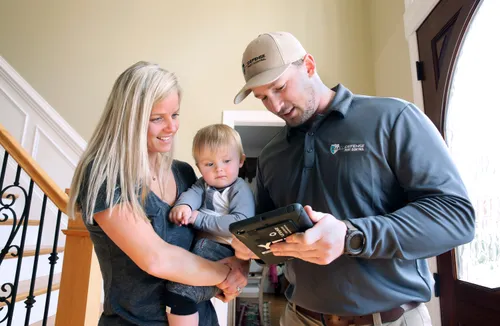
ClearDefense Pest Control
486 N Patterson Ave Suite 232, Winston-Salem, NC 27101
ClearDefense Pest Control provides comprehensive pest control services in Winston Salem, NC, addressing a wide range of pests including ants, cockroaches, rodents, wasps, and spiders. Their approach focuses on seasonal pest management with targeted treatments such as micro-crystallized barrier applications, baiting, trapping, and wall injections to create and maintain long-lasting protection around homes. The service includes removing wasp nests and spider webs from eaves and overhangs as part of regular visits. ClearDefense uses environmentally responsible products designed to minimize chemical exposure while keeping families and pets safe. Regular quarterly visits reinforce the protective barriers to ensure ongoing pest prevention throughout the year.
Common Pests in North Carolina
North Carolina's diverse climate supports a broad spectrum of pests that require professional attention 1. Understanding which pests are most prevalent can help you identify problems early and seek the appropriate extermination service.
Insects and Arachnids:
- Ants: Including invasive fire ants, destructive carpenter ants, and common nuisance species.
- Cockroaches: Several species thrive here, such as American, German, Oriental, and Smokeybrown cockroaches.
- Mosquitoes: Significant breeders in the state's abundant standing water.
- Spiders: From dangerous black widows to common wolf spiders and house spiders.
- Bed Bugs: A persistent problem often related to travel.
- Fleas and Ticks: Prevalent due to wildlife hosts and humid conditions.
- Stinging Insects: Wasps, hornets, yellow jackets, and bees build nests in eaves, trees, and ground cavities.
- Silverfish, Centipedes, and Millipedes: Often found in damp, dark areas of homes.
Wood-Destroying Organisms:
- Termites: A particularly significant and costly threat to North Carolina homes, with both subterranean and drywood species present 2 3.
- Carpenter Ants: Excavate wood to create nests, causing structural damage.
- Powderpost Beetles: Larvae bore into hardwood, creating fine, powdery frass.
Rodents and Wildlife:
- Mice and Rats: Both Norway and roof rats are common invaders seeking food and shelter.
- Raccoons & Squirrels: Can damage attics, roofs, and wiring.
- Bats and Snakes: Occasionally enter structures, requiring specialized removal 4.
Professional Pest Control Methods
Licensed exterminators in North Carolina employ a range of techniques, often following an Integrated Pest Management (IPM) approach that prioritizes long-term prevention with minimal environmental impact. Here are the primary methods used:
- Inspection and Assessment: The critical first step. A thorough inspection identifies the pest species, locates entry points, and determines the infestation's scope to create a targeted action plan.
- Exclusion and Sanitation: A cornerstone of IPM. This involves sealing cracks, gaps around utilities, and other entry points; correcting moisture issues; and advising on removing food and water sources to make your property less attractive to pests 5.
- Chemical Treatments: The application of EPA-registered pesticides, including targeted liquid sprays, dusts, and granular products. These are used for rapid elimination of active infestations and creating protective barriers around a structure 6.
- Baiting Systems: Highly effective for social insects. Baits are placed strategically so foraging ants or termites carry the toxin back to the colony, eliminating it at the source. This is a standard method for termite control 7.
- Mechanical and Physical Controls: Includes the use of traps for rodents and insects, physical removal of nests or webs, and installing screens or netting 8.
- Fumigation: Reserved for severe, widespread infestations of pests like drywood termites or bed bugs. The structure is sealed, and a gaseous pesticide is introduced to penetrate all areas 9.
Seasonal Pest Patterns in North Carolina
Pest activity in the state is highly seasonal. Knowing what to expect each season allows for proactive prevention and timely treatment.
Spring: This season marks a major surge in activity. Termites begin their reproductive swarms, making this a key time for inspections 10. Mosquitoes start breeding in any standing water. Ants, stinging insects, and spiders become more active as they forage and build new nests.
Summer: Peak pest season due to high heat and humidity. Cockroach populations can spike as they thrive in the warmth 11. Mosquito, flea, and tick activity is at its highest, posing health risks. General insect activity is intense, often driving pests to seek cooler interiors.
Fall: As temperatures drop, the primary pest dynamic shifts to invasion. Rodents, spiders, cluster flies, and stink bugs seek shelter and warmth inside structures 12 13. This is the most important time of year for exterior sealing and exclusion work to prevent overwintering pests.
Winter: While outdoor insect activity slows, pests don't disappear. Rodents and cockroaches remain active inside heated homes. Winter travel can also lead to introductions of bed bugs 14. This is a good season for interior inspections and addressing any ongoing indoor issues.
Find the perfect pest control companies for your needs
Get personalized recommendations and expert advice
Understanding Pest Control Costs in North Carolina
Pricing for extermination services depends heavily on the type of pest, the severity and size of the infestation, the size of your property, and the frequency of service 15. Most companies offer both one-time treatments and ongoing service plans.
One-Time or Initial Treatments: A single visit for a general pest problem (e.g., ants, spiders, occasional invaders) typically ranges from $100 to $300 or more. Initial visits for ongoing plans often fall in this range as they usually involve a more comprehensive inspection and treatment.
Ongoing Service Plans: These preventative plans are popular for consistent protection. Common structures include:
- Monthly Service: Averaging $40 to $75 per visit.
- Quarterly Service: Averaging $100 to $300 per treatment (every three months).
- Annual Contracts: Can range from $300 to $1,600 per year for comprehensive coverage, which may include multiple visits and coverage for a list of common pests 16.
Costs for Specialized or Severe Infestations:
- Termite Treatment: Given the serious threat, costs are higher. Liquid soil barriers or baiting systems can range from $500 to $2,500. Whole-structure fumigation for drywood termites can cost up to $8,000 or more depending on home size 17.
- Bed Bug Extermination: Requires intensive labor and often multiple methods. Costs are frequently estimated per room, ranging from $300 to $500 per room, with whole-home treatments ranging from $1,000 to $4,000 18 19.
- Wildlife Removal: Services for animals like raccoons or bats vary widely based on the animal and the complexity of removal and exclusion, often starting in the $200-$500 range.
When evaluating quotes, ensure you understand exactly what is included: the pests covered, the number of follow-up visits or retreatments, the warranty period, and whether interior and exterior treatments are both provided.
Choosing a Reputable Provider
Selecting the right company is crucial. Always verify that the company is licensed by the North Carolina Department of Agriculture & Consumer Services (NCDA&CS) 20. Ask about the technician's experience and training. Request a detailed, written inspection report and service proposal that outlines the identified pests, recommended treatment methods, products to be used (and their safety data), and a clear total price. A reputable provider will prioritize IPM principles, focusing on why pests are there and how to exclude them, not just on repeated chemical applications. Finally, check online reviews and ask for references to gauge customer satisfaction and service reliability.
Frequently asked questions
Sources
Footnotes
-
North Carolina's Most Common Bug Problems - https://www.eastlinepest.com/post/north-carolinas-most-common-bug-problems ↩
-
5 Most Common Pests in North Carolina - Terminix Triad - https://www.terminix-triad.com/our-blog/common-pests-in-north-carolina/ ↩
-
Termite Treatment Lifespan in North Carolina - Bug Out - https://www.bugoutservice.com/termite-exterminators/learning/treatment/when-is-termite-treatment-necessary/ ↩
-
Most Common Pests in North Carolina - https://apexpestcontrolwnc.com/most-common-pests-in-north-carolina/ ↩
-
Understanding the Raleigh Pest Control Techniques Available - https://cleardefensepest.com/raleigh-pest-control-techniques/ ↩
-
How Much Does Pest Control Usually Cost: Pricing Around ... - https://www.wakepest.com/how-much-does-pest-control-usually-cost/ ↩
-
Top 5 Methods of Pest Control | Fieldwork - https://fieldworkhq.com/2025/11/18/5-methods-of-pest-control/ ↩
-
Effective Pest Control Methods: Best Practices & Strategies - FieldRoutes - https://www.fieldroutes.com/blog/pest-control-methods ↩
-
Fumigation | Clegg's Termite & Pest Control - https://www.cleggs.com/pest-control-services/fumigation/ ↩
-
Protecting Your Property: Seasonal Pest Control Tips for North ... - https://www.capitalpest.com/protecting-your-property-seasonal-pest-control-tips-for-north-carolina-residents/ ↩
-
Seasonal Pest Control in Raleigh: Why Cockroaches Spike in ... - https://www.wakepest.com/seasonal-pest-control-in-raleigh-why-cockroaches-spike-in-summer/ ↩
-
Carolina Pest Calendar - Killingsworth Environmental - https://www.thebiggreenk.com/pest-calendar/ ↩
-
Seasonal Pest Control in North Carolina | What to Expect - https://cmillerext.com/blog/seasonal-pest-control-north-carolina/ ↩
-
Seasonal Pest Control: What to Watch Out for in Triad and ... - https://pestmgt.com/blog/seasonal-pest-control-watch-for-in-north-carolina/ ↩
-
Seasonal Pest Exterminators - Control - Removal - Bug Out - https://www.bugoutservice.com/seasonal-pest-control-exterminators/ ↩
-
How Much Does Pest Control Cost in Raleigh, NC? | Angi - https://www.angi.com/articles/how-much-does-pest-control-service-cost/nc/raleigh ↩
-
How Much Does Pest Control Cost? (2026) - HomeGuide - https://homeguide.com/costs/pest-control-prices ↩
-
How Much Does Pest Control Cost in North Carolina - https://www.terminix-triad.com/our-blog/how-much-does-pest-control-cost-north-carolina/ ↩
-
How Much Does Pest Control Cost in Charlotte, NC? - https://whatkindofbugisthis.com/cost-of-pest-control/charlotte/ ↩
-
Tips on Selecting Pest Control Services - https://content.ces.ncsu.edu/tips-on-selecting-pest-control-services ↩