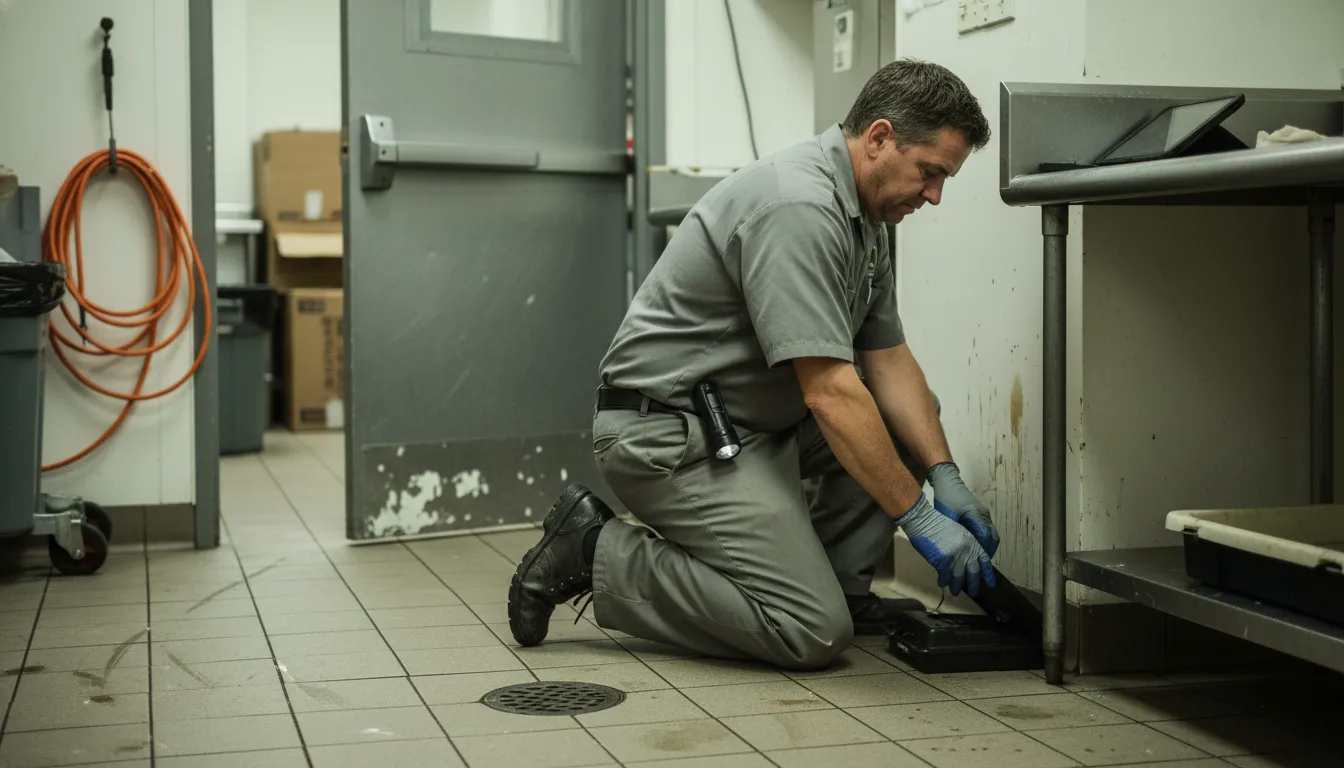
Find the Best Pest Control Companies for Your Business
No obligation • Fast responses • Nationwide coverage

Why you can trust Pest Crews
Pest Crews is a leading U.S. resource for finding and evaluating residential and commercial pest control services. Our team researches providers, reviews treatment approaches, and organizes unbiased information to help you make informed decisions. Companies cannot pay to change our editorial content or influence how they appear.
Search providers near you
Top Pest Control Companies in Franklin, New Jersey Ranked
Dealing with pests is a common challenge for New Jersey homeowners and business owners, from seasonal ant invasions to more serious termite or rodent infestations. Professional pest management services provide targeted solutions to protect your property and health. This guide explains the common pests in the Garden State, the methods used to control them, and how to find a qualified local provider for an effective, long-term solution.
Jet Pest Control NYC
New York, NY
Jet Pest Control NYC provides pest control services in New York, NY, specializing in the management and extermination of bed bugs, cockroaches, ants, rodents, fleas, and other common household pests. Their approach includes regular inspections and treatments to prevent infestations and protect homes. The company emphasizes sealing entry points and maintaining cleanliness as part of their pest control strategy.
Horizon Pest Control
45 Cross Ave, Midland Park, NJ 07432
Horizon Pest Control is a family-owned pest control company serving New York, NY, and New Jersey. Established in 1970, they provide residential and commercial pest management services including bed bug treatment, ant control, rodent removal, termite inspections, mosquito control, and wildlife removal. Their licensed technicians use advanced, EPA-approved products to ensure safe and effective pest control. Horizon Pest Control offers comprehensive protection plans covering over 40 common pests and guarantees follow-up service if pests return. They serve multiple counties in New Jersey and New York, including Bronx, Manhattan, Brooklyn, and Queens.

Mosquito Joe of Wayne
5 Mathews Ave, Riverdale, NJ 07457
Mosquito Joe of Wayne provides eco-friendly pest control services in New York, NY, specializing in mosquito, tick, ant, cockroach, rodent, and bee/wasp removal for both residential and commercial properties. Their treatments focus on preventing infestations year-round using science-backed methods that protect families, pets, and the environment. Established in 2010, Mosquito Joe offers customized pest management plans and commercial pest control solutions designed to keep outdoor spaces comfortable and pest-free.
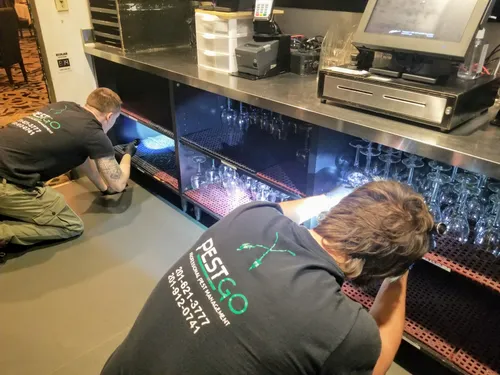
PestGO Exterminators LLC
Yonkers, NY
PestGO Exterminators LLC is a pest control company based in Yonkers, NY, offering services for both residential and commercial properties. They focus on providing effective and eco-friendly pest control solutions to keep homes and businesses safe from unwanted pests while minimizing environmental impact. The company emphasizes clear communication with customers throughout the pest control process.
Mosquito Shield of North Central New Jersey
Newark, NJ
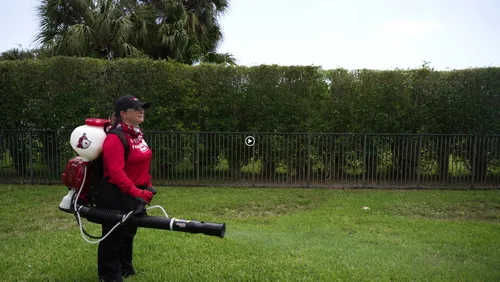
Mosquito Shield of North Central New Jersey provides mosquito, tick, and perimeter pest control services in Newark, NJ. They use a proprietary blend designed to kill and repel mosquitoes and ticks, creating a protective barrier around properties. The company serves a broad area including Essex, Morris, Bergen, Hudson, and Passaic Counties, offering tailored treatment plans that adapt to mosquito behavior. With over 20 years of experience, Mosquito Shield emphasizes environmentally conscious practices, including the use of battery-powered equipment in areas with gas-powered equipment restrictions.
Common Pests in New Jersey Homes and Businesses
New Jersey's diverse climate and geography support a wide variety of pests that can invade structures. A general pest control plan typically covers many of these common invaders, while others may require specialized treatment.
Insects and Arachnids:
- Ants: Pavement ants, odorous house ants, and the structurally damaging carpenter ants are frequent nuisances.
- Cockroaches: The German cockroach is a particularly resilient and common indoor pest 1.
- Spiders: While most are harmless, their presence often indicates other insect prey.
- Occasional Invaders: This includes stink bugs, boxelder bugs, silverfish, earwigs, and crickets that enter homes, especially during seasonal changes.
Biting and Stinging Pests:
- Mosquitoes and Ticks: These are significant public health concerns due to the diseases they can transmit. Control often involves habitat management and barrier treatments 2.
- Fleas: Commonly brought in by pets or wildlife.
- Wasps, Hornets, and Bees: Nesting stinging insects pose a safety hazard and often require careful removal.
Wood-Destroying Organisms:
- Termites: Subterranean termites are a major threat to property in New Jersey, causing significant structural damage.
- Carpenter Ants and Bees: These insects excavate wood to create nests, compromising its integrity 3.
- Powder Post Beetles: These beetles infest hardwood, leaving behind a fine, powdery frass.
Rodents and Wildlife:
- Mice and Rats: These rodents seek shelter and food indoors, contaminating surfaces and gnawing on wires and structures 4.
- Squirrels, Raccoons, and Bats: Wildlife removal is a specialized service that often involves exclusion techniques to humanely prevent re-entry.
Professional Pest Control Methods
Licensed exterminators in New Jersey employ a range of strategies, with many emphasizing an Integrated Pest Management (IPM) approach. IPM focuses on long-term prevention and uses a combination of techniques to minimize risks to people, property, and the environment.
1. Inspection and Identification The first step is a thorough inspection to correctly identify the pest, locate entry points, and assess the severity of the infestation. Accurate identification is crucial for choosing the most effective control strategy 5.
2. Habitat Modification and Sanitation This foundational IPM step involves making the environment less attractive to pests by:
- Sealing cracks, gaps around utility lines, and other entry points with caulk, steel wool, or weather stripping 6.
- Ensuring proper drainage and eliminating standing water to reduce mosquito breeding sites.
- Storing food in sealed containers and managing garbage properly to remove food sources 7.
3. Physical and Mechanical Controls These methods directly block or remove pests without chemicals:
- Installing door sweeps, window screens, and chimney caps.
- Using traps, such as snap traps for rodents, glue boards for insects, or pheromone traps for monitoring specific pests 8.
- Applying exclusion barriers like wire mesh to prevent wildlife from entering attics or crawl spaces.
4. Chemical Controls When necessary, targeted pesticide applications are used. Professionals select products and application methods (like crack-and-crevice treatments, bait stations, or perimeter sprays) that are effective while reducing overall pesticide use and exposure 9 10. For termites, this may involve soil treatments or bait systems around the property's foundation.
Find the perfect pest control companies for your needs
Get personalized recommendations and expert advice
Seasonal Pest Activity in New Jersey
Pest pressures change dramatically with the seasons, making year-round vigilance and tailored treatments important 11.
- Spring: As temperatures rise, pests reemerge. Ants become highly active, and termites begin their swarming flights to establish new colonies. This is a critical time for inspections and preventative treatments.
- Summer: Insect activity peaks. Mosquito and tick populations explode in the heat and humidity. Stinging insects like wasps and hornets build large nests. Flies and ants remain common problems 12.
- Fall: Pests seek warm shelter for the winter. This is when rodents like mice and rats most actively try to move indoors. Spiders, stink bugs, and boxelder bugs also become noticeable as they congregate on sunny sides of buildings 13.
- Winter: While many pests are dormant outdoors, indoor infestations become more apparent. Rodents, cockroaches, and occasional overwintering insects trapped inside remain active, seeking food and warmth in wall voids, basements, and kitchens 14 15.
Understanding Pest Control Service Plans and Pricing
Pest management services in New Jersey are typically offered as one-time treatments for specific problems or as ongoing service plans for continuous protection. Pricing depends on factors like property size, type of pest, infestation severity, and your location within the state.
Common Service Models:
- One-Time Treatment: A single visit to address an active infestation. This is common for issues like a wasp nest, a rodent problem, or a sudden influx of ants.
- Recurring Service Plans: These provide periodic inspections and treatments to prevent pests from becoming established.
- Monthly: Frequent service for severe or persistent problems.
- Quarterly: The most common plan, offering seasonal treatments aligned with pest life cycles.
- Bi-Annual or Annual: Broader applications for general prevention.
Estimated Cost Ranges in New Jersey: Costs can vary widely. The following table provides general estimates based on industry data 16 17 18 19.
| Service Type | Estimated Typical Cost Range (NJ) |
|---|---|
| General Service Plans | |
| One-Time Treatment | $100 - $375 |
| Monthly Service Visit | $40 - $88 per visit |
| Quarterly Service Visit | $90 - $320 per visit (or $150-$600/year) |
| Specialized Treatments | |
| Termite Treatment | $500 - $3,500+ (depending on method & severity) 20 |
| Bed Bug Extermination | $380 - $1,500+ |
| Rodent/Wildlife Removal | $75 - $500+ (can be a fixed fee or per visit) |
Note: Many companies offer free inspections, while some may charge a fee that is often credited toward future service. For accurate pricing, contact local providers for a property-specific evaluation 21 22.
Choosing a Service Provider in New Jersey
Selecting the right company involves more than just comparing prices. Consider these factors:
- Licensing and Insurance: Ensure the company is licensed by the New Jersey Department of Environmental Protection (NJDEP) and carries proper liability insurance.
- Experience and Reputation: Look for established companies with positive reviews and experience dealing with your specific pest issue.
- Service Guarantee: A reputable company will stand behind its work with a service guarantee or callback policy.
- Treatment Methods: Ask about their approach. Do they practice IPM? Are the proposed treatments targeted and appropriate for your situation, especially if you have children, pets, or environmental concerns 23?
- Clear Contracts: Understand the terms of any service agreement, including what is covered, the frequency of visits, and the duration of the guarantee.
Getting quotes from a few local, well-regarded pest control companies allows you to compare their proposed plans, methods, and professionalism to find the best fit for your needs in New Jersey.
Frequently asked questions
Sources
Footnotes
-
New Jersey household pests New Jersey pantry pests cockroaches ... - https://www.allisonpest.com/insect-pest-control/household-pests.php ↩
-
Mosquito Control - Four Seasons Exterminating - https://fourseasonsext.com/mosquito-control/ ↩
-
Carpenter Ants Prevention and Control - http://www.idph.state.il.us/envhealth/pccarpenterants.htm ↩
-
Most Common Household Pests in New Jersey - E&G Exterminators - https://egexterminator.com/most-common-household-pests-in-new-jersey/ ↩
-
A Comprehensive Guide to Identifying Common Household Pests in ... - https://amcopest.com/news-and-updates/a-comprehensive-guide-to-identifying-common-household-pests-in-nj/ ↩
-
Protect Your NJ Home or Business from Nuisance Insects - https://allisonpestcontrol.com/protect-your-nj-home-or-business-from-nuisance-insects/ ↩
-
Natural Ways to Repel Common New Jersey Pests During Fall - https://horizonpestcontrol.com/natural-ways-to-repel-common-new-jersey-pests-during-fall/ ↩
-
Effective Organic Pest Control Methods for Central New ... - https://www.customlandscapingandlawncare.com/effective-organic-pest-control-methods-for-central-new-jersey-landscapes ↩
-
Residential Pest Control Service in New Jersey - https://capitolexterminatingsystem.com/residential-pest-control-service-in-new-jersey/ ↩
-
Keeping your home pest-free and healthy - NJ.gov - https://www.nj.gov/health/ceohs/documents/ceohs%20content/NJDOH%20IPM%20Manual%20for%20Homes.pdf ↩
-
Essential Seasonal Pest Control Advice for NJ Homes - https://amcopest.com/news-and-updates/essential-seasonal-pest-control-advice-for-nj-homes ↩
-
Common Summer Pests in New Jersey and How to Control ... - https://www.hennebrypest.com/blog-posts/common-summer-pests-in-new-jersey-and-how-to-control-them ↩
-
Year-Round Pest Problems: How Seasonal Infestations Never ... - https://4njpest.com/year-round-pest-problems-new-jersey/ ↩
-
Winter Pests in New Jersey | PestNow Blog - https://www.ozane.com/pest-news/winter-pests-in-new-jersey-what-to-expect-and-how-to-prepare ↩
-
Rodents in New Jersey Homes During Winter Why January Is ... - https://www.hennebrypest.com/blog-posts/rodents-in-new-jersey-homes-during-winter ↩
-
Pest Control Cost - Angie's List - https://www.angi.com/articles/how-much-does-pest-control-service-cost.htm ↩
-
How Much Is Pest Removal Service In NJ? - https://4njpest.com/how-much-is-pest-removal-service-in-nj/ ↩
-
Toms River Pest Control Costs & Prices - ProMatcher.com - https://pest-control.promatcher.com/cost/toms-river-nj-pest-control-costs-prices.aspx ↩
-
How Much Does Pest Control Cost in Newark, NJ - https://pestextinct.com/newark-nj-pest-control/ ↩
-
How Much Does Termite Treatment Cost in New Jersey? - https://www.actionpestcontrol.com/2025/01/10/how-much-does-termite-treatment-cost-in-new-jersey/ ↩
-
Pest Control and Pest Exterminator in New Jersey - https://www.actionpestcontrol.com/pest-control-and-pest-exterminator-in-new-jersey/ ↩
-
The Most Common Pest Problems in Edison, NJ and How to Solve ... - https://horizonpestcontrol.com/the-most-common-pest-problems-in-edison-nj-and-how-to-solve-them/ ↩
-
Environmentally Friendly Pest Management - NJ Pest Control - https://4njpest.com/environmentally-friendly-pest-management/ ↩