Find the Best Ant Control Companies for Your Business
No obligation • Fast responses • Nationwide coverage

Why you can trust Pest Crews
Pest Crews is a leading U.S. resource for finding and evaluating residential and commercial pest control services. Our team researches providers, reviews treatment approaches, and organizes unbiased information to help you make informed decisions. Companies cannot pay to change our editorial content or influence how they appear.
Search providers near you
Top Ant Control Companies in Santa Cruz, California Ranked
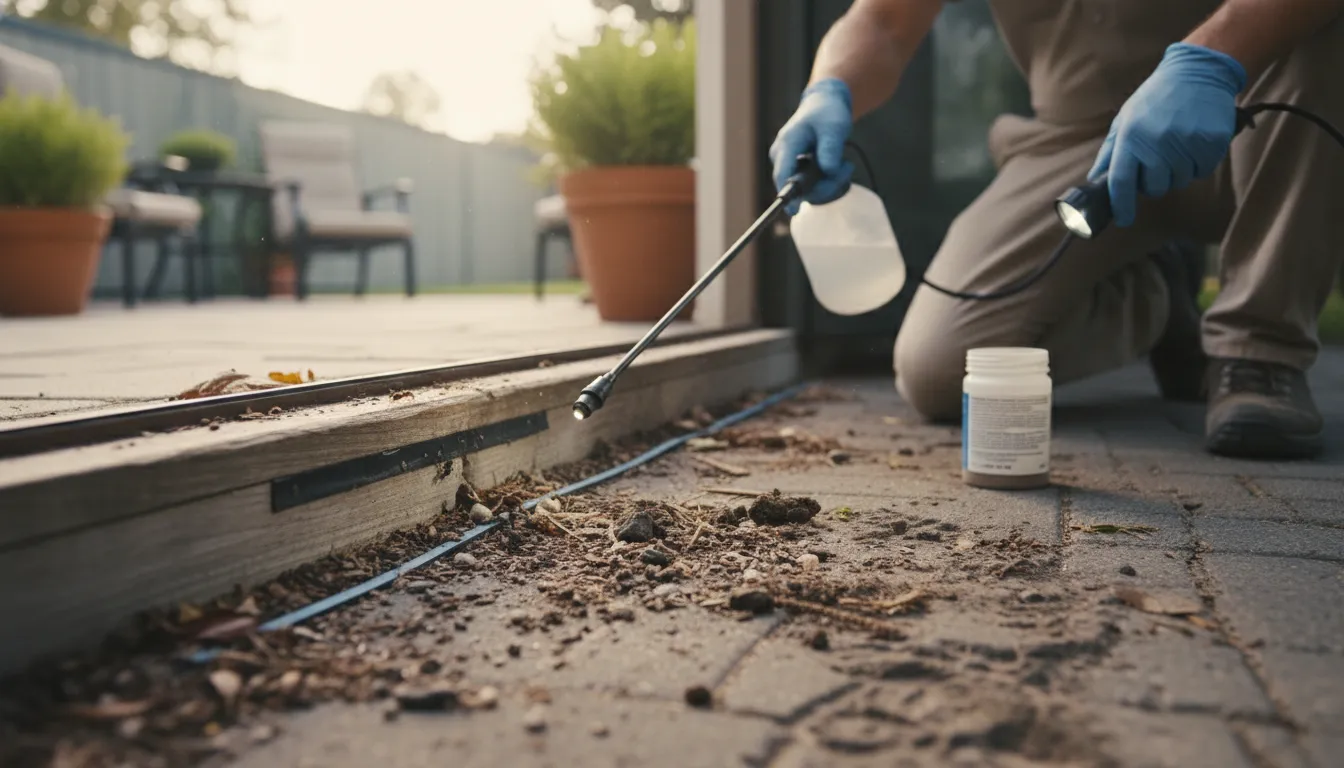
Ant infestations are a common nuisance for Santa Cruz homeowners and businesses, but they are also a solvable problem. Effective ant management goes beyond simply killing the ants you see; it involves identifying the specific species, locating the colony, and implementing a strategy that eliminates the entire population at its source. This guide will help you understand the local ant control process, what to expect from professional services, and how to find the right provider to protect your property from Argentine, odorous house, carpenter, and other common local ant species.
Advanced Integrated Pest Management
1605 Remuda Ln, San Jose, CA 95131
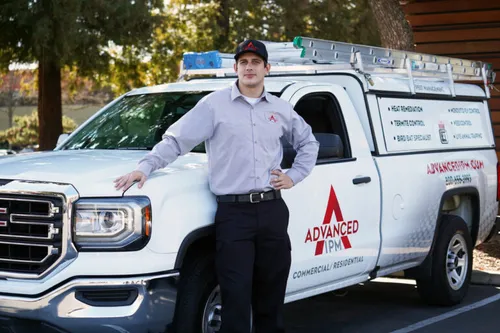
Advanced Integrated Pest Management provides pest control services in San Jose, CA, specializing in managing insects, rodents, and other pests for homes and businesses. They serve neighborhoods throughout Santa Clara County, including Blossom Valley, Berryessa, Robertsville, and Fruitdale. Their services include cockroach, ant, spider, mosquito, and rodent control, with a focus on proactive prevention to reduce infestations. Advanced IPM emphasizes tailored pest management solutions and offers resources like a pest library and advice for year-round pest control.
Aptive Pest Control
San Jose, CA
Aptive Pest Control offers comprehensive pest management services in San Jose, CA, addressing common pests such as ants, spiders, cockroaches, rodents, termites, and wasps. Operating with a local understanding of the area's Mediterranean climate and seasonal pest activity, they provide year-round treatments tailored to prevent infestations and protect homes. Their services include exclusion methods, strategic baiting, and targeted treatments to manage and prevent pest problems effectively. Aptive Pest Control serves San Jose and surrounding communities, including Cupertino, Fremont, and Sunnyvale, ensuring coverage across the region.
Aptive Pest Control
San Jose, CA
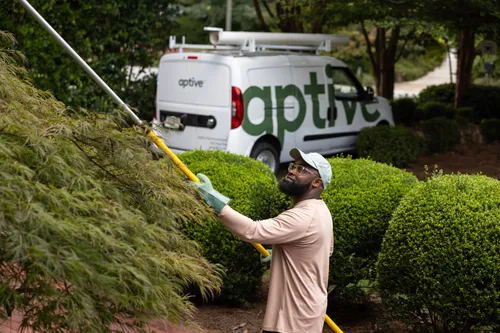
Aptive Pest Control offers comprehensive pest management services in San Jose, CA, and surrounding communities including Gilroy. They specialize in controlling ants, spiders, rodents, mosquitoes, bees, and wasps with year-round treatments tailored to local climate and seasonal pest activity. Their approach includes inspections, targeted treatments, and habitat reduction advice to address the specific challenges of suburban and rural properties in the South Valley area. Aptive Pest Control serves a broad area with a focus on maintaining comfortable living spaces through ongoing maintenance and prevention strategies.
Western Way Termite and Pest Services Inc.
8505 Church St Suite 7, Gilroy, CA 95020
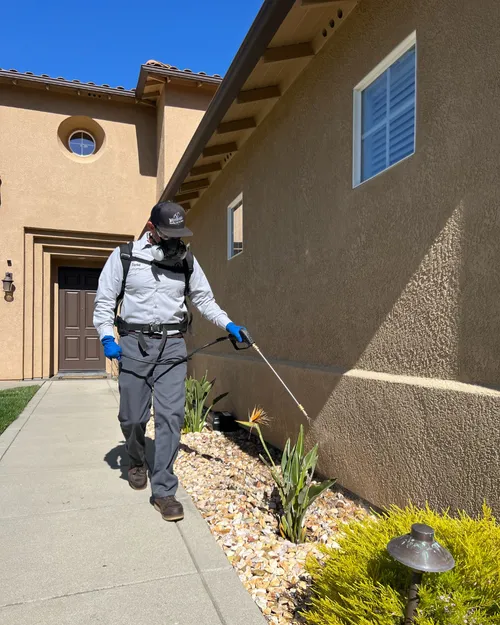
Western Way Termite and Pest Services Inc. offers comprehensive pest control solutions in San Jose, CA, and surrounding counties including Santa Clara, Santa Cruz, San Benito, Monterey, Alameda, and San Mateo. The company specializes in termite control, rodent exclusion, bird control, and treatments for common pests such as ants, roaches, bed bugs, wasps, and silverfish. Their approach includes thorough inspections, customized treatment plans, and ongoing maintenance to ensure effective pest management. With over 15 years of experience, Western Way is family owned and operated, employing licensed technicians trained in the latest pest control techniques. They focus on environmentally conscious methods that are safe for children and pets.
Terminix
1868 Hartog Dr, San Jose, CA 95112
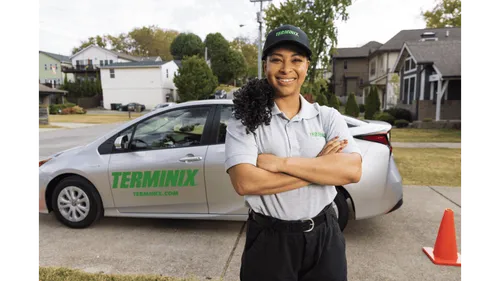
Terminix is a pest control company serving San Jose, CA, with expertise in managing a wide range of pests including bed bugs, termites, ants, cockroaches, rodents, and wildlife. Their local technicians understand the specific pest challenges in the San Jose area and provide customized treatment plans to protect homes and properties. Terminix offers termite inspections and control, bed bug treatment, rodent prevention, and removal of bees, wasps, and other wildlife. The company is supported by a nationwide network of pest control professionals.
Understanding Santa Cruz's Common Ant Species
Not all ants are created equal, and successful eradication depends on correctly identifying the invader. In Santa Cruz, technicians most frequently encounter a few key species, each with distinct behaviors and nesting preferences.
- Argentine Ants: These are likely the most common nuisance ant in the area. They form massive "supercolonies" with multiple queens and are notorious for creating long, persistent trails into homes in search of food and water. They typically nest in moist soil near foundations, under pavement, or in mulch.
- Odorous House Ants: True to their name, these ants emit a rotten coconut-like smell when crushed. They are highly adaptable and will nest both outdoors in soil and indoors within wall voids or under floors, especially near moisture sources 1.
- Carpenter Ants: While they don't eat wood like termites, carpenter ants excavate it to create smooth galleries for nesting, which can cause significant structural damage over time. They are attracted to wood that has been softened by moisture leaks, so they are often found in damp crawl spaces, attics, around window frames, and in trees on the property 2.
Knowing which species you're dealing with is the first critical step a professional will take, as treatment strategies-especially bait selection-can vary.
Why DIY Methods Often Fail
Many residents first reach for store-bought sprays or granules when they see an ant trail. While these can kill visible ants, they often worsen the problem. Repellent sprays disrupt pheromone trails, causing ants to scatter and potentially create new, hidden colonies in a behavior called "budding." This can turn a manageable trail into a widespread infestation inside your walls.
Furthermore, most DIY products only affect worker ants, leaving the queen deep within the nest to continue reproducing. The colony survives and simply sends out more workers. Professional ant extermination uses a different, more strategic approach designed for complete colony elimination.
The Professional Ant Control Process: An Integrated Approach
Local pest management professionals in Santa Cruz typically employ an Integrated Pest Management (IPM) strategy for ant control. IPM emphasizes long-term prevention and uses a combination of techniques with the least possible hazard to people, property, and the environment 3. Here's how it generally works:
1. Thorough Inspection and Diagnosis
A technician will conduct a detailed inspection inside and outside your property. They are looking for:
- Live Ants and Trails: To identify the species and follow the trail back toward the nest.
- Nesting Sites: Common outdoor locations include soil along foundations, under rocks, in landscaping, and in tree stumps. Indoors, they check wall voids, behind appliances, under sinks, and in crawl spaces 4.
- Entry Points: Tiny cracks in the foundation, gaps around utility lines, spaces under doors, and tears in window screens are all highways for ants 5.
- Attractants: Sources of food, moisture, and shelter that are drawing the ants to your property.
2. Targeted Treatment with Baits
This is the cornerstone of modern ant control. Instead of repellents, technicians use slow-acting, non-repellent baits (in gel or granular form). Worker ants are attracted to the bait, consume it, and carry it back to the nest to share with the colony, including the queen 6. This method ensures the poison reaches the heart of the infestation. Baits are placed strategically along trails and near suspected nesting areas, both indoors and outdoors.
3. Exclusion and Habitat Modification
To prevent future invasions, technicians will recommend and often perform exclusion work. This involves sealing cracks and crevices in the foundation, applying caulk around windows and doors, and installing door sweeps 7. They may also advise on habitat modifications, such as:
- Trimming tree branches and shrubs away from the structure.
- Ensuring gutters and downspouts direct water away from the foundation.
- Storing firewood away from the house and elevating it off the ground.
- Addressing moisture issues like leaky pipes or poor ventilation in crawl spaces.
4. Monitoring and Follow-up
Ant control is rarely a "one-and-done" service. Professionals will schedule follow-up visits to monitor bait uptake, check for remaining activity, and assess whether the treatment plan needs adjustment. This ensures the colony is fully eradicated and provides an opportunity to address any new entry points 8.
Find the perfect ant control companies for your needs
Get personalized recommendations and expert advice
What to Expect After Treatment: A Realistic Timeline
Patience is key after a professional ant treatment. Because the goal is colony elimination via baiting, you should not expect ants to vanish instantly. Here's a typical timeline:
- First 24-48 Hours: You may actually see an increase in ant activity as they are drawn to the bait stations. This is a good sign that the bait is working.
- 3-7 Days: Ant activity should begin to decrease significantly as the bait circulates through the colony.
- 7-10 Days: For most common infestations, visible trails and indoor activity are often eliminated within this period 9 10.
- Several Weeks: Complete eradication of a large or entrenched colony, particularly carpenter ants or massive Argentine ant supercolonies, can take several weeks 11. It's crucial not to use any other sprays or pesticides during this time, as it can repel ants from the bait and break the cycle of elimination.
Understanding Ant Control Costs in Santa Cruz
Pricing for ant extermination in Santa Cruz varies based on the infestation's severity, the property's size, the ant species, and the treatment plan required. Santa Cruz costs may be higher than national averages due to the local market and cost of living 12 13.
| Service Type | Typical Price Range (National Average - Santa Cruz may be higher) |
|---|---|
| One-Time Treatment (for a specific, active infestation) | $150 - $395 |
| Initial Service (as part of an ongoing plan) | $150 - $300 |
| Quarterly Maintenance Plan (annual cost) | $400 - $480 (approx. $45 - $75 per visit) |
| Severe or Complex Infestations (e.g., large carpenter ant colonies) | $500 - $1,400+ |
| Carpenter Ant Removal | $250 - $500+ |
Many reputable local companies offer free inspections and estimates, allowing you to understand the scope of your problem and the proposed solution and cost before committing 14 15. When comparing quotes, ensure they detail the inspection findings, the specific treatment plan (including bait types and exclusion work), and the follow-up protocol.
Choosing a Local Ant Control Provider
Selecting the right professional is essential. Look for a licensed and insured company with experience specifically in ant control in the Santa Cruz area. Ask about their approach-do they emphasize IPM and baiting? Are they knowledgeable about local ant species like Argentine ants? Read reviews and ask for references. A trustworthy provider will be transparent about their process, realistic about timelines, and focused on solving the root cause of your ant problem, not just applying a temporary fix 16.
Frequently asked questions
Sources
Footnotes
-
Ants - Santa Cruz Pest Control Xperts - https://santacruzpestcontrolxperts.com/ants/ ↩
-
Ant Control Santa Cruz,Ca | Post-Rain Experts - https://pestcontrolinsantacruz.com/ant-control-in-santa-cruz-ca/ ↩
-
Identifying Common Household Insects Requiring Insect ... - https://www.montereybaypestcontrol.com/identifying-common-household-insects-requiring-insect-control-in-santa-cruz-ca ↩
-
Residential Ant Control - Clark Pest Control - https://www.clarkpest.com/pest-control/ant-control ↩
-
Ants / Home and Landscape / UC Statewide IPM Program (UC IPM) - https://ipm.ucanr.edu/home-and-landscape/ants/ ↩
-
Amdro Ant Block - https://www.google.com/search?q=product&prds=pvt:hg,productid:15539114666001853236,catalogid:10365810751916714318,gpcid:1869440255163180507,mid:576462434399454646&ibp=oshop ↩
-
Ant Pest Control - Xterminatrix - https://xterminatrix.com/ant-pest-control-santa-cruz-county/ ↩
-
Ants - Santa Cruz Pest Control Xperts - https://santacruzpestcontrolxperts.com/ants/ ↩
-
Ant Control Santa Cruz,Ca | Post-Rain Experts - https://pestcontrolinsantacruz.com/ant-control-in-santa-cruz-ca/ ↩
-
How Long Does It Take to Stop Seeing Ants After an ... - https://critterwranglerstn.com/ants/how-long-to-stop-seeing-ants-after-exterminator/ ↩
-
Preparation and Expectations for Ant Control | Amherst Exterminators - https://www.amherstexterminators.com/pest-preparation/preparation-and-expectations-for-ant-control/ ↩
-
How much does it cost to exterminate ants: 2025 Best Guide - https://bigginsexterminating.com/how-much-does-it-cost-to-exterminate-ants/ ↩
-
How Much Does Ant Pest Control & Extermination Cost? - https://www.terminix.com/ant-control/cost/ ↩
-
XterminatriX - https://www.google.com/viewer/place?mid=/g/11rpdcmcm0 ↩
-
West Pest Co - https://www.google.com/viewer/place?mid=/g/11t0w975nc ↩
-
Tips for Selecting a Pest Control Service | US EPA - https://www.epa.gov/safepestcontrol/tips-selecting-pest-control-service ↩