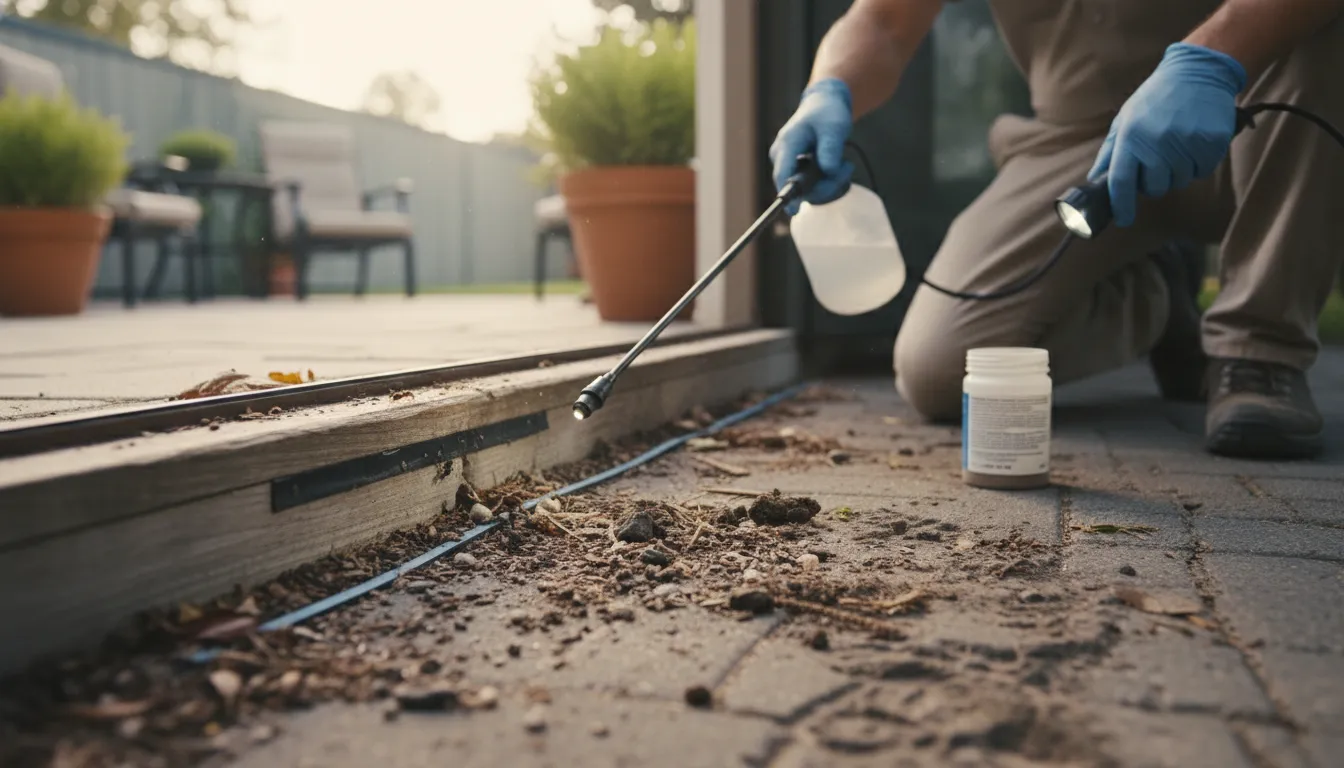
Find the Best Ant Control Companies for Your Business
No obligation • Fast responses • Nationwide coverage

Why you can trust Pest Crews
Pest Crews is a leading U.S. resource for finding and evaluating residential and commercial pest control services. Our team researches providers, reviews treatment approaches, and organizes unbiased information to help you make informed decisions. Companies cannot pay to change our editorial content or influence how they appear.
Search providers near you
Top Ant Control Companies in Watsonville, California Ranked
Ants are a persistent nuisance for homes and businesses in Watsonville, seeking out food, water, and shelter. Effective ant management is crucial not only for comfort but also to protect your property from potential damage, especially from species like carpenter ants. This guide provides a detailed look at professional ant extermination services in the Watsonville area, explaining the process, what to expect, and how to find the right local expertise to solve your specific pest problem.
IPM Specialist Inc
730 Airport Blvd, Salinas, CA 93901
IPM Specialist Inc is a pest control company based in Salinas, CA, offering services for bed bug treatment, cockroach control, and ant extermination. They provide pest elimination solutions with a focus on both regular and emergency needs. The company is available 24 hours a day, 7 days a week, ensuring assistance at any time for pest issues.
Aptive Pest Control
San Jose, CA
Aptive Pest Control offers comprehensive pest management services in San Jose, CA, addressing common pests such as ants, spiders, cockroaches, rodents, termites, and wasps. Operating with a local understanding of the area's Mediterranean climate and seasonal pest activity, they provide year-round treatments tailored to prevent infestations and protect homes. Their services include exclusion methods, strategic baiting, and targeted treatments to manage and prevent pest problems effectively. Aptive Pest Control serves San Jose and surrounding communities, including Cupertino, Fremont, and Sunnyvale, ensuring coverage across the region.
Aptive Pest Control
San Jose, CA
Aptive Pest Control offers comprehensive pest management services in San Jose, CA, and surrounding communities including Gilroy. They specialize in controlling ants, spiders, rodents, mosquitoes, bees, and wasps with year-round treatments tailored to local climate and seasonal pest activity. Their approach includes inspections, targeted treatments, and habitat reduction advice to address the specific challenges of suburban and rural properties in the South Valley area. Aptive Pest Control serves a broad area with a focus on maintaining comfortable living spaces through ongoing maintenance and prevention strategies.
Western Way Termite and Pest Services Inc.
8505 Church St Suite 7, Gilroy, CA 95020
Western Way Termite and Pest Services Inc. offers comprehensive pest control solutions in San Jose, CA, and surrounding counties including Santa Clara, Santa Cruz, San Benito, Monterey, Alameda, and San Mateo. The company specializes in termite control, rodent exclusion, bird control, and treatments for common pests such as ants, roaches, bed bugs, wasps, and silverfish. Their approach includes thorough inspections, customized treatment plans, and ongoing maintenance to ensure effective pest management. With over 15 years of experience, Western Way is family owned and operated, employing licensed technicians trained in the latest pest control techniques. They focus on environmentally conscious methods that are safe for children and pets.

XterminatriX
San Jose, CA
XterminatriX is a woman-owned pest control company based in Felton, serving San Jose, CA, and the surrounding Santa Cruz and Santa Clara counties. They provide customized pest management solutions for residential, commercial, hotel, and estate properties, focusing on environmentally mindful methods that protect beneficial insects and local ecosystems. Their services include cockroach, ant, rodent, bee and wasp removal, as well as wildlife control and pollinator garden installation. XterminatriX uses Integrated Pest Management techniques to target pests precisely, minimizing chemical use and environmental impact. The company emphasizes tailored treatments and offers specialized rodent exclusion and trapping without harmful baits.
Common Ant Species in Watsonville
Understanding which type of ant has invaded your space is the first step toward effective control. Watsonville's climate and environment are hospitable to several common species, each with unique behaviors.
- Argentine Ants: These are one of the most prevalent nuisance ants in California. They form massive, interconnected colonies with multiple queens, making them particularly challenging to eradicate with DIY methods. They are attracted to sweets and moisture and often create visible trails along foundations and into structures.
- Odorous House Ants: Named for the rotten coconut-like smell they emit when crushed, these ants are also drawn to sweets. They frequently nest in wall voids, under floors, and in other hidden areas within homes, making nest location difficult 1.
- Carpenter Ants: Unlike termites, carpenter ants do not eat wood but excavate it to create smooth galleries for nesting. This can cause significant structural damage over time. They are larger than most house-invading ants and are often a sign of a moisture problem, as they are attracted to damp, decaying wood 2.
- Pavement Ants: Typically nesting under sidewalks, driveways, and foundation slabs, these ants enter buildings in search of food. They are omnivores and will feed on almost anything, from greasy proteins to sugary substances.
Signs of an Ant Infestation
Early detection can prevent a small problem from becoming a major infestation. Look for these key indicators:
- Live Ants: The most obvious sign, especially if you see them in areas with food or water, like kitchens and bathrooms. A trail of ants marching in a line is a clear signal of an active foraging route 3 4.
- Ant Trails: Ants leave pheromone scent trails for other workers to follow. You may see these as faint, greasy-looking lines along baseboards, counter edges, or exterior walls 5.
- Frass: Carpenter ants push out sawdust-like material (called frass) from their nesting galleries. Piles of fine wood shavings mixed with insect parts near baseboards, window sills, or in attic spaces are a major red flag.
- Rustling Noises: In quiet settings, you might hear a faint rustling sound coming from walls or voids where carpenter ants are actively excavating wood 6.
- Nesting Sites: Outdoors, look for small piles of soil or sand (ant hills) near the foundation, under pavement stones, in mulch beds, or around yard debris. Indoors, nests can be hidden behind wall coverings, under insulation, or in damp crawl spaces 7 8.
The Professional Ant Extermination Process
Professional pest management for ants goes beyond spraying visible insects. It employs an Integrated Pest Management (IPM) approach focused on long-term solutions.
- Inspection and Identification: A thorough inspection is the critical first step. A technician will identify the ant species, locate nesting sites (both indoors and out), trace entry points, and assess the infestation's severity. Correct identification dictates the treatment strategy.
- Sanitation and Habitat Modification: Before or in conjunction with treatment, professionals will advise on eliminating attractants. This includes sealing food in airtight containers, fixing leaky pipes and faucets, ensuring proper drainage away from the foundation, and trimming vegetation away from the structure 9.
- Targeted Treatment Application: Based on the inspection, a customized plan is executed.
- Baiting: This is a highly effective strategy for colony elimination, especially for species like Argentine ants. Slow-acting insecticidal baits are placed near trails. Worker ants consume the bait and carry it back to the nest, where it is shared, eventually eliminating the queen and the entire colony.
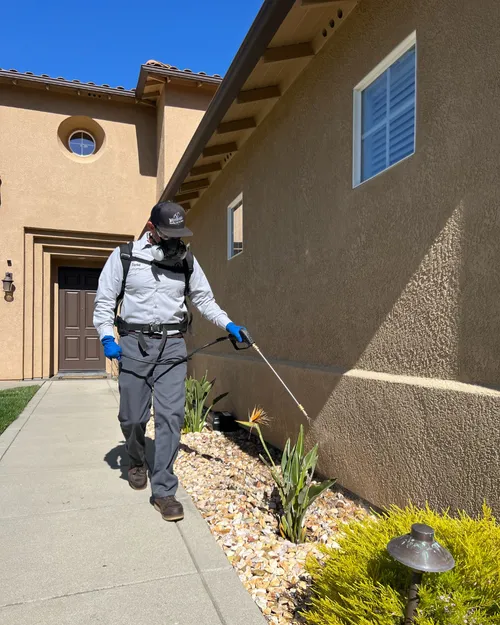
- Perimeter Barriers: Residual insecticides may be applied around the exterior foundation, window frames, and door thresholds to create a protective barrier that prevents ants from entering 10.
- Direct Nest Treatment: For accessible nests, particularly with carpenter ants, a direct application of insecticide into the galleries may be necessary. This requires precise location of the nest 11.
- Dust Applications: Insecticidal dusts can be applied into wall voids and other inaccessible areas where ants travel and nest, providing long-lasting control 12.
- Exclusion: A key component of prevention is sealing entry points. Technicians will recommend caulking cracks in the foundation, sealing gaps around utility lines, and installing weather stripping on doors and windows.
- Follow-up and Monitoring: Lasting control often requires follow-up visits. These appointments monitor bait consumption, check for new activity, and ensure the treatment is successful. Many service plans include these follow-ups and offer guarantees for callback service if ants return.
Find the perfect ant control companies for your needs
Get personalized recommendations and expert advice
What to Expect After Treatment
Understanding the timeline helps set realistic expectations.
- Initial Knockdown: You should see a significant reduction in visible ant activity within 24 to 48 hours of the initial service as the treatment takes effect on foraging workers 13.
- Colony Elimination: Complete eradication, particularly of large colonies or difficult species like pharaoh or carpenter ants, can take several weeks. Baiting systems work on a delayed timeline to ensure the bait reaches the queen deep within the nest 14.
- Long-Term Prevention: For ongoing peace of mind, many homeowners opt for quarterly or monthly maintenance plans. These scheduled services provide consistent barrier protection and interior monitoring to prevent new infestations from taking hold and are often backed by a service guarantee.
Cost of Ant Control in Watsonville
Pricing for ant management in the Watsonville area is not one-size-fits-all. It depends on the infestation's severity, the property's size and layout, and the chosen service method.
- One-Time Treatment: For a minor, localized problem, a single service visit typically ranges from $150 to $500. This is a solution for an immediate issue but may not include long-term guarantees.
- Ongoing Service Plans: These are popular for continuous protection.
- Monthly/Quarterly Visits: Costs generally range from $40 to $70 per month or approximately $100 to $300 per quarter, often after an initial setup fee 15.
- Annual General Pest Plan: A comprehensive plan that covers ants along with other common pests like spiders, crickets, and occasional invaders typically costs between $400 and $1,000 per year 16.
- Specialized Cases:
- Carpenter Ants: Due to the difficulty in locating hidden nests and the potential for structural damage, treatments often start at $250 and can exceed $500 17.
DIY Prevention Tips Between Services
While professional help is best for active infestations, you can take steps to make your property less inviting.
- Eliminate Food Sources: Wipe down counters and tables daily, store pantry items in sealed containers, clean up pet food, and manage trash with tight-fitting lids.
- Remove Water Sources: Repair leaky pipes and faucets, use dehumidifiers in damp basements or crawl spaces, and ensure gutters and downspouts direct water away from your home's foundation.
- Seal Entry Points: Conduct a seasonal inspection of your home's exterior. Use silicone caulk to seal cracks in the foundation and gaps around windows, doors, and where utility lines enter.
- Manage Landscaping: Keep tree branches and shrubs trimmed back from the house. Avoid stacking firewood directly against the exterior walls, and use gravel or stone instead of mulch near the foundation.
Frequently asked questions
Sources
Footnotes
-
Ants - Watsonville Pest Control Xperts - https://watsonvillepestcontrolxperts.com/ants/ ↩
-
Ants in Northern California: What You Need to Know | CA - https://calpropestcontrol.com/blog/ants-in-northern-california-what-you-need-to-know/ ↩
-
Ant Control & Ant Infestation Prevention - https://www.rentokil.com/us/pest-control/ant-control ↩
-
Titusville, FL Pest Control | $50 Off 1st Exterminator Visit - https://www.rowlandpest.com/locations/pest-control-titusville-fl/ ↩
-
Ants Pest Control - Bay Area, CA - https://www.patriotpest4u.com/ants-pest-services ↩
-
13 Warning Signs of an Ant Infestation in Your California ... - https://www.officialpestprevention.com/warning-signs-ant-infestation-california/ ↩
-
Ants - Watsonville Pest Control Xperts - https://watsonvillepestcontrolxperts.com/ants/ ↩
-
Ants in Northern California: What You Need to Know | CA - https://calpropestcontrol.com/blog/ants-in-northern-california-what-you-need-to-know/ ↩
-
Ants / Home and Landscape / UC Statewide IPM Program (UC IPM) - https://ipm.ucanr.edu/home-and-landscape/ants/ ↩
-
Say Good Riddance To Ants In Your Home In The Bay Area - https://www.baypestsolution.com/say-good-riddance-to-ants-in-your-home-in-the-ba/ ↩
-
Ants In The Bay Area A Guide To Prevention And Control For ... - https://www.baypestsolution.com/ants-in-the-bay-area-a-guide-to-prevention-and-c/ ↩
-
Treating Subnests & Satellite Nests - https://www.pctonline.com/article/treating-subnests-satellite-nests/ ↩
-
How much does Ant extermination cost? - Yelp - https://www.yelp.com/costs/ant_extermination ↩
-
Ant Extermination in Northern California - Shelby's Pest Control - https://shelbyspestcontrolpro.com/ant-extermination-in-northern-california/ ↩
-
Ant Pest Control Cost Guide: What to Expect and How to Save In 2025 - https://greenpestmanagementct.com/ant-pest-control-cost/ ↩
-
Exterminator Cost: What You'll Pay for Pest Control Services - https://bettertermite.com/exterminator-cost/ ↩
-
How much does an exterminator cost for ants: 2025 Best Tips - https://bigginsexterminating.com/how-much-does-an-exterminator-cost-for-ants/ ↩
-
How much does it cost to exterminate ants: 2025 Best Guide - https://bigginsexterminating.com/how-much-does-it-cost-to-exterminate-ants/ ↩
-
How Much Does Orkin Cost? (2026) - HomeGuide - https://homeguide.com/costs/orkin-prices ↩