Find the Best Ant Control Companies for Your Business
No obligation • Fast responses • Nationwide coverage

Why you can trust Pest Crews
Pest Crews is a leading U.S. resource for finding and evaluating residential and commercial pest control services. Our team researches providers, reviews treatment approaches, and organizes unbiased information to help you make informed decisions. Companies cannot pay to change our editorial content or influence how they appear.
Search providers near you
Best Ant Control Companies in Kentucky Ranked
Managing ant invasions is a common and persistent challenge for Kentucky homeowners. The state's climate creates favorable conditions for various ant species year-round, making effective control a matter of proper identification, prevention, and targeted treatment. This guide provides practical information on the common ants in Kentucky, why they enter homes, and the most effective strategies-both DIY and professional-to eliminate colonies and prevent future infestations.
ClearDefense Pest Control
1585 Mercer Rd #130, Lexington, KY 40511
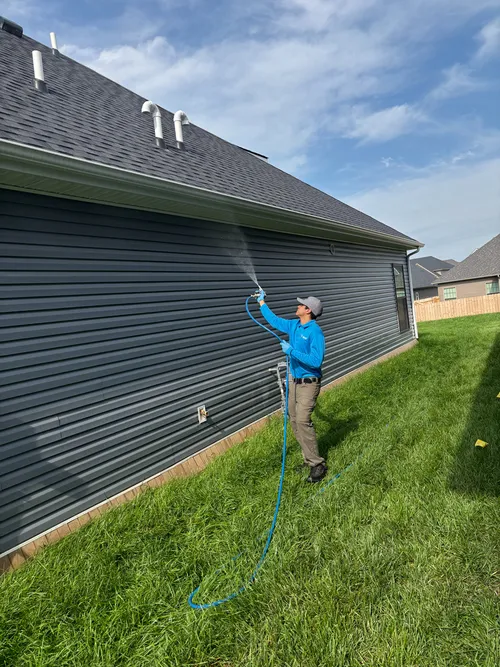
ClearDefense Pest Control offers comprehensive pest control services in Lexington, KY, targeting common household pests such as ants, roaches, spiders, rodents, mosquitoes, and wasps. Their approach includes both indoor and outdoor treatments, focusing on pest nesting sites, wall voids, and entry points. They use a micro-crystallized, slow-release formula that creates a long-lasting barrier around homes, refreshed seasonally to adapt to pest activity throughout the year. The treatments are certified safe for sensitive environments like hospitals and schools, ensuring safety for families and pets. The company provides a detailed initial inspection and treatment, including removal of insect webs and wasp nests, and offers free re-treatments if pests return between scheduled visits.
All-Rite Pest Control
223 Big Run Rd, Lexington, KY 40503
All-Rite Pest Control is a family-operated pest control company based in Lexington, KY, serving Central Kentucky for over 50 years. They offer comprehensive pest control services for residential, commercial, and industrial properties, addressing issues with insects and rodents using science-based methods. The company is led by a board-certified entomologist and employs state-certified technicians to provide tailored solutions. They also provide a warranty on termite treatments and are affiliated with several professional pest management organizations.

Black Diamond Pest Control
4911 Hamburg Pike, Jeffersonville, IN 47130
Black Diamond Pest Control is a full-service pest control company serving Louisville, KY, and the surrounding Kentuckiana region. They provide a wide range of pest management solutions including bed bug treatment, termite control, mosquito prevention, wildlife removal, and bee relocation. Their services include advanced bed bug detection using certified K9 units and termite treatments backed by industry-leading warranties. The company also offers 24/7 emergency wildlife removal to address urgent pest issues promptly. Black Diamond emphasizes eco-conscious practices, such as relocating honey bees to local sanctuaries rather than exterminating them, and provides comprehensive lawn care services to maintain healthy turf. With extensive experience in the region, Black Diamond Pest Control combines specialized pest control capabilities with environmentally responsible methods. Their integrated approach includes identifying pest entry points and securing properties to prevent future infestations, supporting long-term pest management solutions.
Kentucky Pest Control
470 Conway Ct B8, Lexington, KY 40511
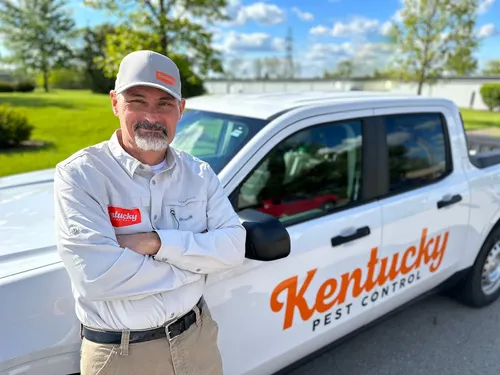
Kentucky Pest Control is a family-owned pest control company based in Lexington, KY. They provide a wide range of pest management services including cockroach, ant, rodent, termite inspections, mosquito control, and bee and wasp removal. Serving Lexington and other areas across Kentucky, they use proven methods tailored to local pest issues to help keep homes pest-free. The company offers free retreatments if pests return, reflecting their commitment to customer satisfaction.
Berner Pest Solutions
Lexington, KY
Berner Pest Solutions is a family-owned pest control company based in Lexington, KY. Founded by an Associate Certified Entomologist with over 12 years of experience, the company provides pet-friendly pest management services for homes and businesses. They serve Lexington-Fayette and nearby communities including Winchester, Georgetown, Versailles, Nicholasville, and Richmond. Their services cover a wide range of pests such as ants, spiders, mice, termites, mosquitoes, bed bugs, and wildlife. Berner Pest Solutions emphasizes an Integrated Pest Management approach that focuses on targeted treatments and prevention, including rodent exclusion techniques. Established in 2023, the company offers personalized service without long-term contracts or cancellation fees.
Common Ant Species in Kentucky Homes
Accurate identification is the first step toward effective ant management. Different species have unique nesting habits, food preferences, and behaviors that dictate the best control approach. In Kentucky, several types are frequent home invaders.
Odorous House Ants are among the most common. These small, dark brown to black ants get their name from the distinct rotten coconut smell they emit when crushed 1. They are particularly troublesome because they form large colonies with multiple queens and can quickly relocate their nests if disturbed, making DIY control difficult 2.
Pavement Ants are small, brownish-black ants typically found nesting under sidewalks, driveways, and building foundations, often pushing up small mounds of soil 3. They enter homes in search of food, commonly trailing along baseboards and under carpets.
Carpenter Ants are a significant concern due to their potential for property damage. These large black ants (some workers up to 3/4 inch) do not eat wood but excavate it to create smooth galleries for their nests 4. They are attracted to moisture-damaged wood, so their presence often indicates a leak or decay problem within the structure 5.
Acrobat Ants are smaller ants recognized by their habit of raising a heart-shaped abdomen over their head when disturbed. Like carpenter ants, they are drawn to moisture and often nest in damp wood, foam insulation, or behind siding 6.
Pharaoh Ants present a unique control challenge. These tiny, yellowish ants are notorious in multi-unit buildings and hospitals. Attempting to treat them with standard repellent sprays can cause the colony to "bud" or split into multiple new colonies, dramatically worsening the infestation 7. They require specialized baiting strategies typically administered by professionals.
Why Ants Invade Kentucky Homes
Ants are primarily driven indoors by three factors: food, water, and shelter. Understanding these motivations is key to prevention.
- Foraging for Food: Ants are opportunistic scavengers. Crumbs, spills, unsealed pantry items, and even pet food left out are powerful attractants. Worker ants that find a food source lay down an invisible chemical trail (pheromone) for others to follow, leading to the steady parade often seen in kitchens 8.
- Seeking Water: During Kentucky's hot, dry summer spells, ants may venture inside in search of moisture. Leaky pipes, dripping faucets, condensation around windows, and damp basements or crawl spaces can all serve as water sources for a colony 9.
- Finding Shelter: In fall, ants prepare for cooler weather. Some species may move portions of their colony indoors to overwinter in the warmth of wall voids or under insulation. Heavy rains can also flood outdoor nests, forcing ants to seek higher, drier ground inside your home 10.
Effective Prevention: Sanitation and Exclusion
The most sustainable form of ant control is to make your home less attractive and accessible to them. A strong prevention strategy combines sanitation with physical exclusion.
Sanitation Tips:
- Wipe down counters, sweep floors, and clean up spills immediately.
- Store food-including pet food-in airtight containers.
- Manage trash by using cans with tight-fitting lids and removing garbage regularly.
- Address moisture issues by fixing leaks, using dehumidifiers in damp areas, and ensuring downspouts direct water away from your home's foundation.
Exclusion Techniques:
- Seal cracks and gaps around windows, doors, and where utility lines (pipes, cables) enter the home with caulk or weatherstripping.
- Repair damaged window screens and door sweeps.
- Trim tree branches, shrubs, and other vegetation so they are not touching the house, as these act as bridges for ants to climb onto your structure 11.
Treatment Strategies: From DIY to Professional Help
When prevention isn't enough and an active infestation exists, the right treatment method depends on the ant species and the location of the nest.
The Baiting Strategy: For many common species like odorous house ants, baits are often the most effective solution. Ant baits contain a slow-acting insecticide mixed with an attractive food source. Foraging workers carry the bait back to the nest, where it is shared with the queen and other colony members, eventually eliminating the entire colony 12. It's crucial to place baits near but not directly on ant trails, and to avoid using repellent sprays in baited areas, as this will disrupt the foraging.
Non-Repellent Insecticides: Pest control professionals often use non-repellent insecticides as a perimeter treatment. These advanced materials are undetectable to ants, who walk through the treated zone and transfer the product throughout the colony before dying, offering a "transfer effect" that enhances control 13.
Why Repellent Sprays Often Fail: A common mistake is reaching for an over-the-counter aerosol spray when a trail of ants appears. While these kill ants on contact, they are repellent. This means surviving ants will detect the chemical, avoid the area, and often scatter to establish new nesting sites in harder-to-reach locations, a process called "budding" 14. This can turn a small, manageable problem into a widespread infestation.
Find the perfect ant control companies for your needs
Get personalized recommendations and expert advice
When to Call a Professional: For large, persistent, or difficult-to-identify infestations, professional pest management is recommended. This is especially true for carpenter ants (due to potential structural damage), Pharaoh ants (due to budding), and when nests are inaccessible within walls or under slabs. Professionals can accurately identify the species, locate nesting sites, and apply professional-grade products and equipment for a more complete solution 15 16.
Seasonal Ant Activity in Kentucky
Ant behavior and pressure change with the seasons, influencing the timing and focus of control efforts.
- Spring & Summer: This is peak ant season. Colonies expand rapidly and forage aggressively for food and water. Spring is an ideal time for exterior preventative treatments and baiting programs. Summer droughts can drive ants indoors seeking moisture, making interior sanitation and moisture control critical 17 18.
- Fall: Ants forage intensely to build up food reserves for winter. It's also when many species seek sheltered overwintering sites. A thorough exterior inspection and sealing of cracks in the fall can prevent ants from moving indoors for the colder months 19.
- Winter: While ant activity slows, it doesn't always stop. Heated homes can provide a warm refuge, and you may see trails of ants, particularly in kitchens or near heat sources, during mild winter periods.
Understanding Ant Control Service Options
For homeowners considering professional help, services in Kentucky generally fall into a few categories. A one-time corrective treatment is focused on eliminating an active infestation. A more comprehensive solution is an ongoing prevention plan, often involving quarterly visits, which provides regular inspection, treatment, and monitoring to prevent new infestations from taking hold 20. The right choice depends on the severity of your current problem, the ant species involved, and your desire for long-term protection.
Investing in professional ant management provides customized solutions that address the specific conditions of your Kentucky home. Experts use integrated methods that are generally more effective and longer-lasting than repeated DIY attempts, which often only address the visible foragers and not the hidden colony 21.
Frequently asked questions
Sources
Footnotes
-
Ant Control for Householders - UK Entomology - https://entomology.mgcafe.uky.edu/ef619 ↩
-
General Pests - Kentucky Pesticide Safety Education - https://www.uky.edu/Ag/Entomology/PSEP/cat8otherpests.html ↩
-
Ant Control for Householders - https://entomology.mgcafe.uky.edu/files/ef619.pdf ↩
-
The Most Common Pest in Kentucky - https://www.myfsps.com/ant-blog/the-most-common-pest-in-kentucky/ ↩
-
Ant Control in Somerset KY - Four Seasons Pest Solutions, Inc. - https://www.myfsps.com/ant-blog/ant-control-in-somerset-ky/ ↩
-
What Types of Ants Live in Northern Kentucky? - https://www.perfectionpest.com/what-types-of-ants-live-in-northern-kentucky/ ↩
-
Ant Facts For Somerset, KY - Four Seasons Pest Solutions - https://www.myfsps.com/ant-facts-forsomerset-ky/ ↩
-
Late Summer Ant Control in Kentucky - Four Seasons Pest - https://www.myfsps.com/ant-blog/late-summer-ant-control-in-kentucky/ ↩
-
Ways Weather Changes Can Impact Pest Activity in Your ... - https://limbwalkertree.com/blog/ways-weather-changes-impact-pest-activity-kentucky-home ↩
-
Ant Infestations by Season | What to Expect and How to Prepare - https://www.westernpest.com/blog/ant-infestations-by-season/ ↩
-
How to Get Rid of Ants in the Kitchen in Lexington, KY - https://www.myipm.com/blog/how-to-get-rid-of-ants-in-the-kitchen ↩
-
Ant Control for Householders - UK Entomology - https://entomology.mgcafe.uky.edu/ef619 ↩
-
Ant Control Services | Liberty Pest Control, Paducah, KY - https://www.liberty-pest.com/ants ↩
-
How to Get Rid of Ants - The Home Depot - https://www.homedepot.com/c/ab/how-to-get-rid-of-ants/9ba683603be9fa5395fab903932aefc ↩
-
Ant Control | Lexington, Kentucky - Hartsell Pest Solutions - https://www.hartsellpestsolutions.com/ant-control. ↩
-
Ants | Pest Control | Owensboro, KY | Evansville, IN - https://swatpest.com/ants/ ↩
-
It's Ant Season! - https://www.myfsps.com/ant-blog/its-ant-season/ ↩
-
What is the Best Time of Year for Pest Control? - https://www.myipm.com/blog/what-is-the-best-time-of-year-for-pest-control ↩
-
April Is the Time for Ant Prevention - Snowball Pest Control - https://snowballpestcontrol.com/april-is-the-time-for-ant-prevention/ ↩
-
Late Summer Ant Control in Kentucky - Four Seasons Pest - https://www.myfsps.com/ant-blog/late-summer-ant-control-in-kentucky/ ↩
-
Managing Imported Fire Ants in Urban Areas | CAES Field Report - https://fieldreport.caes.uga.edu/publications/B1191/managing-imported-fire-ants-in-urban-areas/ ↩