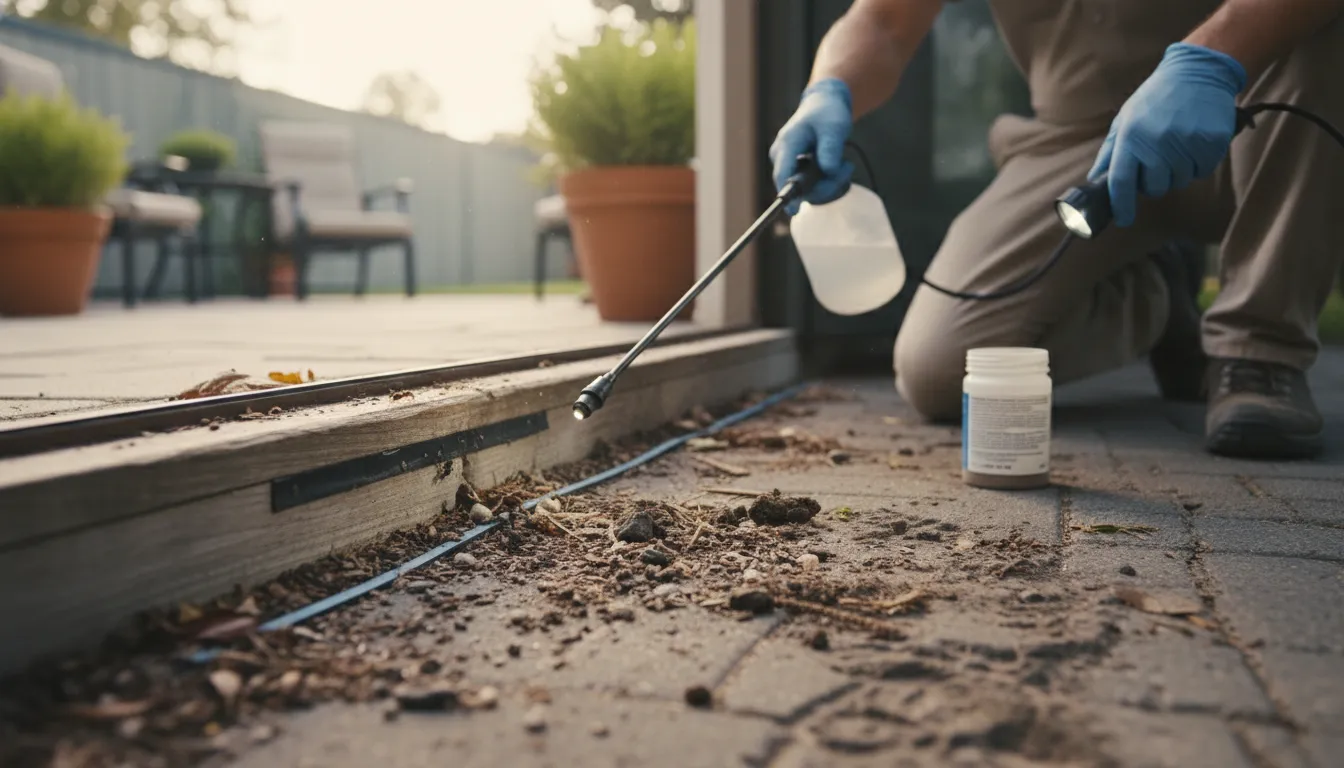
Find the Best Ant Control Companies for Your Business
No obligation • Fast responses • Nationwide coverage
Why you can trust Pest Crews
Pest Crews is a leading U.S. resource for finding and evaluating residential and commercial pest control services. Our team researches providers, reviews treatment approaches, and organizes unbiased information to help you make informed decisions. Companies cannot pay to change our editorial content or influence how they appear.
Search providers near you
Top Ant Control Companies in Wyoming, Michigan Ranked
Finding a line of ants marching across your kitchen counter or discovering a mound in your yard can be frustrating. Ant control is the targeted management and elimination of ant colonies that invade homes and businesses. This service matters because ants are more than a nuisance; certain species can contaminate food, damage property, or deliver painful stings. For residents and business owners in Wyoming, Michigan, understanding local ant behavior and professional treatment options is key to reclaiming your space from these persistent pests.
This guide will help you navigate the process of ant management, from identifying common local species to understanding what professional extermination entails, so you can make an informed decision about protecting your property.
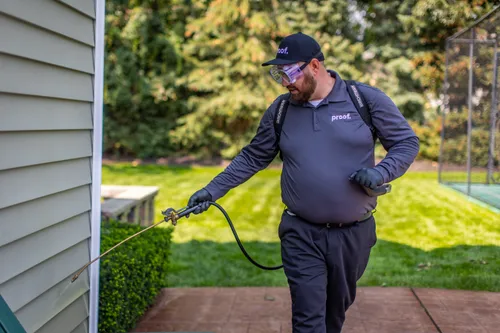
proof. Pest Control
87 54th St SW #5, Grand Rapids, MI 49548
proof. Pest Control is a pest control company based in Grand Rapids, MI, offering services to manage a variety of pests including bed bugs, cockroaches, ants, rodents, termites, mosquitoes, spiders, and ticks. They use botanically-derived products and advanced techniques to treat and prevent infestations. Their termite control includes a four-step process with inspection, customized treatment plans, bait station placement, and annual inspections to protect homes year-round. Rodent control strategies include baiting, trapping, and exclusion to address infestations effectively. The company serves residential clients in the Grand Rapids area.
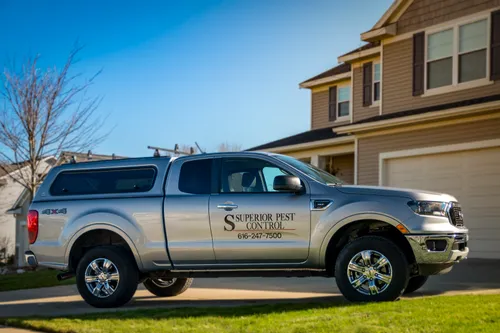
Pest Pros of Michigan
3113 Hillcroft Ave SW Suite A4, Grand Rapids, MI 49548
Pest Pros of Michigan is a locally owned pest control company serving Grand Rapids, MI. They offer a wide range of pest management services including bed bug treatment, termite inspections, rodent and wildlife removal, and mosquito control. Their approach includes integrated pest management techniques such as trapping, exclusion, sanitation, habitat modification, and ongoing maintenance. The company also provides home clearance letters and commercial pest control services. Pest Pros of Michigan holds multiple Associate Certified Entomologist certifications and has been recognized with the Charles Evans Memorial Award for business excellence in the pest control industry.
Stanchin & Son's Pest Control
Toledo, OH
Stanchin & Son's Pest Control is a family-owned pest control company based in Toledo, OH, serving northwest Ohio and southeast Michigan for over 30 years. They provide general pest control, termite inspections, and commercial pest services for hotels, restaurants, factories, and warehouses. Their tri-annual service covers the exterior and perimeter of homes, including under soffits and around windows and doors, offering year-round protection. The company also performs VA and FHA government home inspections and emphasizes affordable pest control with consistent values passed down from their founder.
Turf Tech Fertilization
9625 Fulton St E, Ada, MI 49301
Turf Tech Fertilization is a local company based in Grand Rapids, MI, offering lawn care and pest control services for homes, businesses, and HOAs. Their pest control includes treatments for ants, spiders, mosquitoes, and other common pests, with a focus on perimeter pest control to prevent infestations. They provide mosquito control using a fogger from May through October to reduce mosquito populations. Turf Tech also delivers lawn care services such as fertilization, weed control, aeration, and treatments for lawn diseases and insects. The company emphasizes family values and a people-driven approach, tailoring their services to the specific needs of the local area.
Royal Pest Management
Grand Rapids, MI
Royal Pest Management is a pest control company based in Grand Rapids, MI, offering comprehensive services to manage a wide range of pests. They handle common issues such as ants, spiders, ticks, mice, and rats, with expertise in preventing and eliminating infestations. Their technicians are skilled in addressing over 250 pest varieties, providing tailored solutions for each situation. The company brings years of experience to pest control and focuses on both removal and long-term prevention.
Common Ant Species in Wyoming, Michigan
Effective ant management starts with proper identification. Different species have unique behaviors, nesting preferences, and require specific treatment strategies. Here are the ants you're most likely to encounter in the Wyoming area.
Carpenter Ants: These are among the largest ants found in Michigan and are a significant concern for homeowners. Unlike termites, they do not eat wood but excavate it to create smooth, clean galleries for their nests. This activity can cause structural damage over time, especially in damp or decaying wood. You may see large, black ants (or reddish-black ones) foraging for food, often at night. A key sign of an infestation is the presence of "frass"-a sawdust-like material of wood shavings and insect parts they push out of their nests. 1
Pavement Ants: As the name suggests, these small, brownish-black ants commonly nest under sidewalks, driveways, and building foundations. They enter homes in search of food, particularly greasy or protein-based items. Indoors, you'll often see them trailing along floor edges and countertops. While they don't cause structural damage, they are a major contaminant of food supplies.
Odorous House Ants: When crushed, these small, dark brown or black ants emit a distinct rotten coconut-like smell. They are highly adaptable and will nest in a wide variety of locations, both indoors and out-under floors, inside wall voids, or beneath mulch. They have a strong preference for sweet foods and can form massive colonies with multiple queens, making them challenging to control with DIY methods.
Other Species: You may also encounter larger, reddish Fire Ants that build noticeable mounds in lawns and can deliver a painful sting, or Thief Ants, which are tiny and often nest near other ant colonies to steal their food and larvae.
Why Ants Invade Your Home or Business
Ants are driven by basic survival needs: food, water, and shelter. Understanding what attracts them is the first step in prevention.
- Food Sources: Crumbs, spills, unsealed pantry items (especially sugar, syrup, pet food, and grease), and even pet bowls left out are powerful attractants. In commercial settings like restaurants or grocery stores, this risk is magnified. 2
- Water and Moisture: Leaky pipes, dripping faucets, poor drainage, and areas of condensation provide the moisture ants need to thrive. This is why kitchens, bathrooms, and basements are common hotspots. 3
- Shelter and Entry Points: Cracks in foundations, gaps around windows and doors, utility line penetrations, and damaged siding offer easy access. Once inside, cluttered storage areas, wall voids, and undisturbed spaces provide ideal nesting sites.
The Professional Ant Extermination Process in Wyoming
When a DIY approach fails or the infestation is severe, professional ant control offers a systematic and effective solution. Local providers in Wyoming typically follow a multi-step process designed for long-term results.
1. Thorough Inspection
A technician will conduct a detailed inspection of your property, inside and out. The goal is to identify the ant species, locate the primary nest and satellite colonies, trace foraging trails, and find all potential entry points. This critical step ensures the treatment plan is precisely targeted.
2. Customized Treatment Plan
Based on the inspection findings, the professional will develop a plan tailored to your specific situation. The strategy will differ for a carpenter ant colony in a wall void versus a pavement ant nest under a driveway. The plan will outline the methods, products, and expected timeline for eradication.
3. Targeted Treatment Application
This is where the plan is put into action. Professionals have access to a range of tools and EPA-registered products not available to consumers. Common methods include:
- Baiting: Using attractive food sources laced with slow-acting insecticide. Worker ants carry the bait back to the colony, eventually eliminating the queen and the entire nest. This is highly effective for many common species. 4
- Perimeter/Barrier Sprays: Applying a residual insecticide around the foundation, windows, doors, and other entry points to create a protective barrier that kills ants on contact and prevents new ones from entering.
- Direct Nest Treatment: When the nest location is accessible, technicians may use dusts or injectable foams directly into the colony for immediate knockdown. This is often used for carpenter ant infestations in wall voids or trees.
- Dust Applications: Insecticidal dusts can be applied into wall voids, attics, and crawl spaces where sprays cannot reach, providing long-lasting control. 5
4. Prevention and Exclusion Recommendations
A crucial part of professional service is advising you on how to prevent future problems. This may include sealing cracks and crevices, trimming back tree branches and shrubs touching the house, improving drainage, storing food in airtight containers, and managing garbage properly. 6
5. Follow-Up and Monitoring
For many services, especially ongoing plans, follow-up visits are included. The technician will monitor activity, reapply treatments as necessary, and ensure the colony has been completely eradicated. This is essential for dealing with resilient or large-scale infestations. 7
Find the perfect ant control companies for your needs
Get personalized recommendations and expert advice
What to Expect: Results and Timelines
Managing expectations is important when dealing with ant extermination. Results are not always instantaneous, as the goal is total colony elimination, not just killing visible foragers.
- Initial Knockdown: You should see a significant reduction in visible ant activity within 24 to 48 hours of the initial treatment. Bait treatments may take slightly longer to show results as the toxin works through the colony.
- Complete Eradication: Eliminating the entire colony, including the queen(s), can take from several days to a few weeks. The timeline depends on the ant species, the size and location of the colony, and the treatment method used. Carpenter ant colonies, for instance, can be large and spread out, requiring more time.
- Long-Term Control: With proper treatment and adherence to prevention tips, your home should remain ant-free. Ongoing service plans are designed to provide continuous protection and address any new activity before it becomes an infestation.
Understanding the Cost of Ant Control in Wyoming
The cost for professional ant management in Wyoming varies based on several factors: the size of your property, the severity and type of infestation, the treatment methods required, and whether you choose a one-time service or an ongoing plan.
- One-Time Treatment: For a single, targeted service visit to address a specific, localized ant problem, homeowners can generally expect to pay between $150 and $395.
- Ongoing Service Plans: Many providers offer quarterly or monthly plans for year-round pest protection, which often include ant control. These plans typically come with warranties or free re-service guarantees.
- Quarterly Plans: Averaging around $100 to $120 per visit, or approximately $400 to $500 per year. 8
- Monthly Plans: Can start at around $49 per month for basic coverage.
- Severe or Complex Infestations: Situations involving extensive carpenter ant damage, large-scale infestations across a property, or treatment of hard-to-reach nests can be more costly, ranging from $800 to $1,400 or more. 9 10
It's always recommended to get a detailed, written estimate from a licensed professional after they have inspected your property.
Key Areas Professionals Target
During an inspection and treatment, technicians pay special attention to common ant hotspots: 11 12 13 14 15
- Kitchens and Pantries: The epicenter for food-seeking ants. Technicians will focus on areas under appliances, inside cabinets, and along baseboards.
- Bathrooms, Basements, and Attics: These areas often have the moisture and secluded space ants desire. Leaky pipes and poor ventilation are key contributors.
- Wall Voids and Structural Wood: Especially for carpenter ants, technicians will probe for hollow-sounding wood and look for frass to locate hidden nests.
- Exterior Perimeter: The first line of defense. Treatments are applied around the entire foundation, window frames, door frames, and utility entry points.
- Yards and Landscapes: Mounds in lawns, nests under pavement slabs, and colonies in rotting tree stumps or landscape timbers are treated at the source.
Frequently asked questions
Sources
Footnotes
-
Winged Carpenter Ants - Plant & Pest Diagnostics - https://www.canr.msu.edu/resources/winged-carpenter-ants ↩
-
The 4 Impacts Of Ant Infestations On Businesses - https://owlpestcontrol.ie/impacts-of-ant-infestations-on-businesses/ ↩
-
What Attracts Ants to Your Home | Top 15 Reasons for Infestations - https://417pestsolutions.com/what-attracts-ants-to-your-home/ ↩
-
Ant Control | Michigan - Creature Control - https://www.creaturecontrol.com/pest-control/ants/ ↩
-
Ant Control | Pest Pros of Michigan - https://www.pestprosmi.com/services/property-damage-pests/ant-control/ ↩
-
Ant Exterminator in Michigan | Griffin Pest Control - https://www.griffinpest.com/ant-exterminators/ ↩
-
Ant Pest Control | Best Pest Control | All Of WY & MT - https://www.bestpestcontrolwy.com/ant-pest-control/ ↩
-
Ant Control in Michigan | Get Rid of Ants Fast - Wingman Pest Control - https://wingmanpest.com/insects/insect-removal-info/ants/ ↩
-
How much does it cost to exterminate ants: 2025 Best Guide - https://bigginsexterminating.com/how-much-does-it-cost-to-exterminate-ants/ ↩
-
How Much Does an Ant Exterminator Cost in 2025? - HomeAdvisor - https://www.homeadvisor.com/cost/environmental-safety/ant-exterminator/ ↩
-
Common Ant Species In Wyoming: ID & Control Guide - https://www.kodiakpestcontrol.com/blog/a-complete-guide-to-common-ant-species-in-wyoming/ ↩
-
How much does an exterminator cost for ants: 2025 Best Tips - https://bigginsexterminating.com/how-much-does-an-exterminator-cost-for-ants/ ↩
-
Problems Commonly Posed by Pavement Ants - https://allpest-thoroughcheck.com/problems-commonly-posed-pavement-ants/ ↩
-
How to Get Rid of Carpenter Ants | ScottsMiracle-Gro US - https://scottsmiraclegro.com/en-us/learn/home-patio/how-to-get-rid-of-carpenter-ants.html ↩
-
Google's Shopping Data - https://blog.google/products/shopping/shopping-graph-explained/ ↩