Find the Best Ant Control Companies for Your Business
No obligation • Fast responses • Nationwide coverage

Why you can trust Pest Crews
Pest Crews is a leading U.S. resource for finding and evaluating residential and commercial pest control services. Our team researches providers, reviews treatment approaches, and organizes unbiased information to help you make informed decisions. Companies cannot pay to change our editorial content or influence how they appear.
Search providers near you
Best Ant Control Companies in New York Ranked
Ants are a common nuisance for New York homeowners and businesses, but an infestation is more than just a minor annoyance. Certain species, like carpenter ants, can cause structural damage, while others can contaminate food and create persistent trails through your living spaces. Effective ant management requires correctly identifying the species, understanding their behavior, and implementing a strategy that targets the entire colony, not just the visible foragers. This guide provides the information you need to understand ant problems in New York, from prevention to professional solutions, helping you connect with local experts who can develop a tailored plan for your property.
Anchor Pest Control
28 Arthur St, East Brunswick, NJ 08816
Anchor Pest Control provides comprehensive pest control services in New York, NY. They cover a wide range of pests including ants, cockroaches, termites, bed bugs, mosquitoes, and stinging insects. Their services include termite monitoring as part of general pest control, and they offer specialized treatments such as bed bug protection and mosquito prevention bundled in their premium plans. Anchor Pest Control aims to deliver thorough pest management with inclusive service options.
Rochester Pest Pro
21 Goodway Dr Suite 134, Rochester, NY 14623
Rochester Pest Pro is a woman-owned pest control company based in Rochester, NY, serving Monroe County and nearby communities. Since 2017, they have offered pest control, wildlife removal, and commercial pest management services. Their approach focuses on humane exclusion by sealing entry points and addressing the root causes of infestations. They provide targeted solutions for ants, rodents, bees, wasps, and other common pests, along with cleanup and prevention advice to help protect homes and businesses.
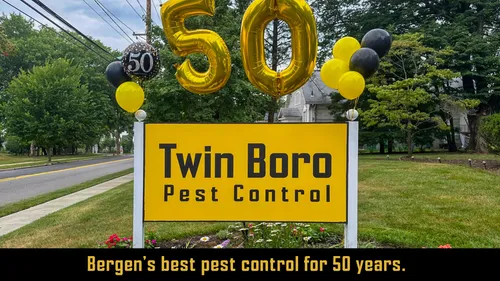
Twin Boro Pest Control
265 Kinderkamack Rd, Westwood, NJ 07675
Twin Boro Pest Control is a family-owned pest control company serving Yonkers, NY, with over 50 years of experience. They specialize in environmentally responsible pest management using Integrated Pest Management (IPM) techniques to minimize pesticide use while effectively controlling pests. Twin Boro offers preventative pest control services and guarantees their work with free return visits if pests reappear. Their team provides Saturday service and focuses on safe, sustainable treatments that are pet- and family-friendly.
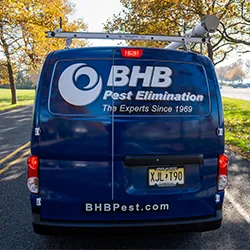
BHB Pest Elimination, LLC
199 Main Ave, Wallington, NJ 07057
BHB Pest Elimination, LLC is a family-owned pest control company serving New York, NY. They provide comprehensive pest management for residential and commercial properties, addressing common urban pests such as rodents, cockroaches, bedbugs, ants, termites, and bees. Their services include thorough inspections, customized treatment plans using child- and pet-safe eco-friendly products, and ongoing protection to prevent future infestations. With over 50 years of experience since 1969, BHB Pest Elimination focuses on integrated pest management strategies tailored to the unique challenges of New York City. They also offer same-day and emergency services to promptly handle urgent pest issues.
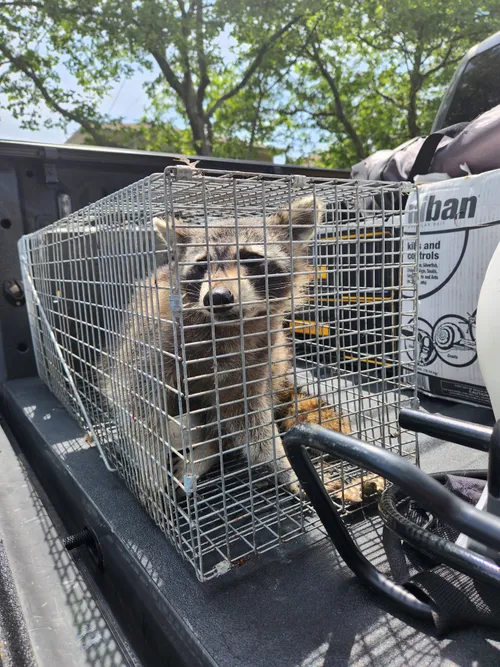
Recon Pest Control Inc
79 Escanaba Ave, Staten Island, NY 10308
Recon Pest Control Inc is a family-owned pest control company based in Staten Island, serving New York, NY, and nearby New Jersey. They offer a wide range of pest management services including bed bug extermination, termite control, rodent removal, mosquito reduction, bee and wasp removal, and wildlife relocation. The company also provides specialized solutions like the SolaTrim Pest Abatement Barrier to protect solar panels from pigeons and rodents. Recon Pest Control partners with Dad and Daughters Home Inspection, LLC to offer comprehensive home inspections and related services.
Common Ant Species in New York
Knowing which ant you're dealing with is the first step toward effective control. Different species have unique nesting habits, food preferences, and potential for damage.
-
Pavement Ants: These small, dark brown or black ants are extremely common in New York. True to their name, they typically nest under pavement slabs, driveways, and foundations, entering buildings through cracks in search of food. They are attracted to a wide variety of foods, including sweets, greases, and meats, making kitchens a prime target.
-
Carpenter Ants: One of the larger ant species in the state, carpenter ants are a significant concern. They are usually black or red and black and do not eat wood but excavate it to create smooth tunnels for nesting. This activity can weaken structural timbers over time. They are often found nesting in moist, decaying wood, so areas with water leaks or poor ventilation are at higher risk.
-
Citronella Ants: These yellowish ants get their name from the distinct lemony or citronella odor they release when crushed. They are often mistaken for termites when they swarm. While they do not eat wood or cause structural damage, their large swarms inside a home can be alarming. They are frequently found in kitchens and bathrooms, drawn to moisture.
-
Odorous House Ants: Small and dark brown to black, these ants emit a rotten coconut-like smell when crushed. They nest in wall voids, under floors, and in other hidden indoor spaces, making them a common indoor pest that forages for sweets and proteins.
Understanding Ant Behavior and Patterns
Ants are social insects that operate with a clear purpose. Workers leave the nest to forage for food and water, following pheromone trails laid down by scouts. When you see a line of ants, they are following a chemical highway directly to a resource and back to their colony. In New York, common entry points include cracks in the foundation, gaps around utility pipes and wires, under doors, and through vents. They may also trail in from landscape features like mulch beds, woodpiles, or overhanging tree branches that touch the structure 1.
Activity peaks during the warmer spring and summer months when ants forage most aggressively for resources to grow their colonies. This is the most visible time for infestations and the best time to use baits, as foragers are actively seeking food to bring back to the nest. In winter, outdoor nests become dormant, but ants that have established nests inside wall voids, under insulation, or near heat sources like ducts and pipes can remain active year-round, making them particularly difficult to locate and eliminate without professional help.
Prevention: Your First Line of Defense
The most effective ant control starts before you ever see an ant inside. An integrated prevention strategy focuses on making your property less attractive and accessible.
- Sanitation: Eliminate food sources. Wipe up crumbs and spills immediately, store food in airtight containers, manage garbage with tight-fitting lids, and clean pet food bowls regularly 2.
- Moisture Control: Fix leaky faucets, pipes, and appliances. Use dehumidifiers in damp basements or crawl spaces and ensure gutters and downspouts direct water away from your foundation.
- Exclusion (Sealing Entry Points): Conduct a thorough inspection of your home's exterior. Seal cracks in the foundation and around window/door frames with caulk. Install door sweeps and repair damaged screens. Seal gaps where utility lines enter the home 3.
- Habitat Modification: Keep landscaping tidy. Trim back shrubs and tree branches so they do not touch the house. Move firewood, mulch, and debris piles away from the foundation.
Treatment Strategies: DIY vs. Professional
When prevention isn't enough and ants have moved in, you need a treatment plan.
DIY Approaches can be tempting for small, early-stage problems. Gel baits and bait stations placed along ant trails allow workers to carry the poison back to the colony. Some homeowners use substances like lemon juice or vinegar to disrupt pheromone trails. However, DIY methods often fail for larger, established infestations because they may not reach the primary nest, especially if it is hidden inside a wall or under a slab.
Professional ant control offers a comprehensive, science-backed solution. Specialists begin with a detailed inspection to identify the ant species and locate nests and major trails. Their strategies are far more effective:
- Advanced Baits: Professionals use a variety of commercial-grade bait formulations (gels, liquids, granules) tailored to the specific ant species' dietary preferences at that time of year.
- Non-Repellent Products: These are insecticides ants cannot detect. They walk through the treated zone, pick up the product, and carry it deep into the nest, ensuring colony elimination without causing the colony to fragment and scatter (a common issue with repellent sprays).
- Targeted Treatments: Applications are made to precise areas-crack and crevice treatments, wall void injections, or perimeter barriers-maximizing effectiveness while minimizing pesticide use in living spaces.
- Recurring Maintenance Plans: For persistent problems, quarterly or seasonal service plans provide ongoing monitoring, prevention, and touch-up treatments to keep ants from returning.
Find the perfect ant control companies for your needs
Get personalized recommendations and expert advice
What to Expect from Professional Ant Control Services
Hiring a professional brings expertise and long-term results. The process typically starts with a thorough inspection of your property, inside and out. The technician will look for entry points, moisture issues, and evidence of nesting. Based on their findings, they will develop a customized treatment plan explaining what products will be used, where, and why.
Treatment often involves placing insecticidal baits in strategic locations and applying targeted insecticides to entry zones and nest sites. For carpenter ants, locating and treating the satellite and main nests is critical. Follow-up visits are common to monitor bait uptake and ensure the colony has been eliminated.
The cost of professional ant control in New York varies based on several factors. The size of your home, the severity of the infestation, and the ant species involved all influence the price. Carpenter ant treatments, for instance, are often more involved and may cost more than treatments for pavement ants. An initial service visit for inspection and treatment can range from $150 to $300 or more 4 5 6. Many companies offer ongoing prevention plans, with quarterly or seasonal visits typically costing between $50 and $100+ per visit 7 8. It's wise to get detailed quotes from a few local providers.
Seasonal Considerations for New York Homeowners
Your ant control strategy should adapt with the seasons. Spring is a critical time for prevention; as temperatures rise, ants become active. Focus on sealing winter cracks and applying perimeter treatments. Summer requires vigilance on sanitation and moisture control, as foraging is at its peak. This is the ideal time for baiting programs.
As fall approaches, ants seek food to sustain them and may try to move indoors to overwinter. Reinspect and seal your home's exterior. If you have an active winter infestation, it indicates a nest is already inside your warm structure. This usually requires professional intervention to locate and treat the hidden nest 9 10 11.
Frequently asked questions
Sources
Footnotes
-
Different Species of Ants in New York | Eco Serve Pest Services - https://www.ecoservepest.com/our-blog/different-species-ants-new-york ↩
-
Effective Ant Control Tips for Homes in Orange County NY - https://pestfree123.com/effective-ant-control-tips-for-homes-in-orange-county-ny/ ↩
-
Discovering the Diverse Types of Ants in New York - https://bestatpestnyc.com/discovering-the-diverse-types-of-ants-in-new-york/ ↩
-
Ants - Cornell CALS - https://cals.cornell.edu/integrated-pest-management/outreach-education/whats-bugging-you/ants ↩
-
Ants In Syracuse: An All-Inclusive Guide To Prevention And Control - https://www.gannonpestcontrol.com/blog/2023/june/ants-in-syracuse-an-all-inclusive-guide-to-preve/ ↩
-
Ant Control in New York | Local Exterminators - https://www.suburbanpest.com/services/ant-control ↩
-
Common Ant Species | Pest Control Rochester - https://townandcountrysolutions.com/common-ant-species-2/ ↩
-
Ant Control in Syracuse, NY | Gannon Pest Control - https://www.gannonpestcontrol.com/residential/ant-control/ ↩
-
Ant Infestation in NYC: Identify, Eliminate and Prevent Fast - https://diamondpluspestcontrolinc.com/ant-infestation-in-nyc-identify-eliminate-and-prevent-fast/ ↩
-
Ants Pest Control, Exterminator Syracuse, Rochester - https://townandcountrysolutions.com/ant-pests-upstate-ny/ ↩
-
How to Get Rid of Ants in the House Quickly - Avayda Pest Control - https://avayda.ca/how-to-get-rid-of-ants-in-the-house-quickly/ ↩