Find the Best Ant Control Companies for Your Business
No obligation • Fast responses • Nationwide coverage

Why you can trust Pest Crews
Pest Crews is a leading U.S. resource for finding and evaluating residential and commercial pest control services. Our team researches providers, reviews treatment approaches, and organizes unbiased information to help you make informed decisions. Companies cannot pay to change our editorial content or influence how they appear.
Search providers near you
Best Ant Control Companies in Washington Ranked
Ant infestations are a common and persistent challenge for Washington homeowners. These tiny invaders seek food, water, and shelter, often establishing colonies inside walls, under floors, or in damp wood. Effective ant management is crucial not only for the nuisance they cause but also because certain species, like carpenter ants, can cause structural damage. This guide provides clear, practical information on identifying common Washington ant species, understanding their behavior, and implementing proven strategies for prevention and control. You can use this resource to understand your options and find qualified local professionals for effective, long-term solutions.
Cascade Pest Control
1420 5th Ave Suite 2260, Seattle, WA 98101
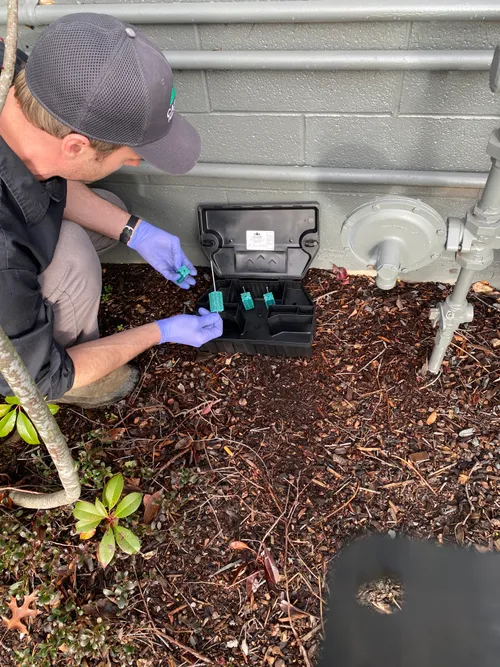
Cascade Pest Control is a family-owned pest control company serving Seattle, WA, and nearby areas. Established in 1979, they specialize in environmentally safe pest and rodent control services tailored to the unique needs of homes and businesses in the region. Their licensed technicians provide comprehensive inspections and treatments for common Seattle pests such as ants, spiders, rodents, termites, and wasps. Cascade Pest Control offers rodent removal and prevention, including damage remediation and exclusion services, along with ongoing pest prevention maintenance programs to protect properties year-round.
Rambo Total Pest Control
401 Olympia Ave NE UNIT 52, Renton, WA 98056
Rambo Total Pest Control is a pest control company serving Seattle, WA, with expertise in managing a wide range of pests including rodents, ants, spiders, stinging insects, and termites. They offer comprehensive pest control services tailored to both residential and commercial properties, focusing on effective inspection, treatment, and follow-up to ensure long-term pest management. Their skilled technicians are trained to handle challenging infestations and provide customized plans based on thorough property assessments. Rambo Total Pest Control emphasizes clear communication and expert service throughout the pest control process.

Spokane Pest Pro
Spokane, WA
Spokane Pest Pro is a locally owned and operated pest control company serving Spokane, WA. Founded in 2014 by Kevin and Karen Dawes, the company offers pest management services for homes and businesses, including ant, cockroach, rodent, spider, mosquito, boxelder bug, springtail, and stinging insect control. They use integrated pest management techniques to address infestations effectively while minimizing environmental impact. Spokane Pest Pro focuses on identifying entry points, treating infestations at the source, and implementing prevention strategies to protect properties from unwanted pests.
Frontier Pest Control
17318 432nd Ave SE, North Bend, WA 98045
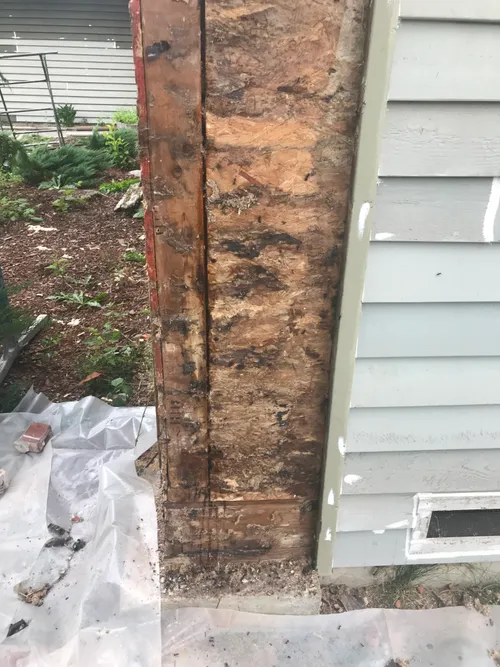
Frontier Pest Control is a pest control company based in Seattle, WA, specializing in the treatment and elimination of bed bugs, cockroaches, ants, rodents, and other common pests. They focus on identifying the source of infestations, even in hidden areas like walls, to effectively reduce damage to homes and protect the health of residents and pets. Their use of professional-grade pest control products offers swift and lasting pest elimination while prioritizing safe chemical handling to minimize risks to people and property.
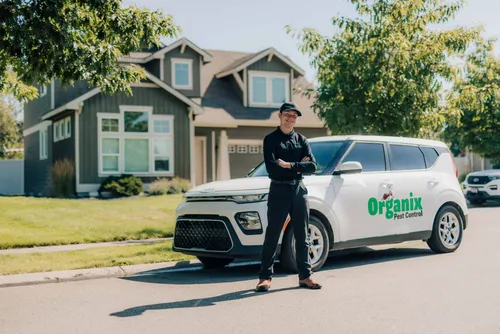
Organix Pest Control
1709 E 1st Ave, Post Falls, ID 83854
Organix Pest Control is a family-owned pest control company serving Spokane, WA, and the surrounding areas. They provide comprehensive pest management for homes and businesses, specializing in controlling ants, cockroaches, rodents, bees, wasps, and spiders. Their approach includes Integrated Pest Management (IPM), focusing on tailored treatments that often minimize chemical use. Organix Pest Control employs licensed technicians who undergo ongoing training to stay current with industry standards and safety practices. They emphasize eco-friendly methods with mostly low-risk EPA-certified products and maintain a low callback rate. The company is committed to serving the local community with effective pest control solutions.
Common Ant Species in Washington
Washington's climate and environment are hospitable to several ant species that frequently enter homes. Correct identification is the first step toward effective control, as treatment methods can vary.
Odorous House Ants These small, dark brown or black ants are among the most common indoor pests in the state. When crushed, they emit a distinct rotten coconut-like smell. They are strongly attracted to sweets and greasy foods, forming well-defined trails to and from food sources. Colonies are often large with multiple nesting sites, including under floors, inside wall voids, beneath rocks, or near moisture sources.
Carpenter Ants Larger and typically black, carpenter ants are a significant concern. Unlike termites, they do not eat wood but excavate it to create smooth tunnels and galleries for nesting. This activity can compromise the structural integrity of wood over time. They are often associated with moisture problems, nesting in damp, damaged, or decaying wood around windows, roof eaves, decks, and porches. Seeing large, winged "swarmer" ants indoors is a strong indicator of an established colony within the structure.
Pavement Ants As their name suggests, these ants typically nest under sidewalks, driveways, and foundation slabs. They are small, brown to black, and can become aggressive, fighting other ant colonies. They enter homes through cracks in the foundation or slab, often appearing in ground-level rooms like basements and kitchens. While they are less likely to cause structural damage, they can be a persistent nuisance 1.
Why Ants Invade Your Home
Understanding what attracts ants is key to preventing them. Their primary motivations are simple: survival and colony growth.
- Food Sources: Ants are opportunistic foragers. Crumbs, sticky spills, unsealed pantry items (especially sugar, syrup, and pet food), and even residues on recycling bins provide ample food. Odorous house ants have a particular fondness for sweet and greasy substances.
- Water and Moisture: Ants need water to survive. Leaky pipes, dripping faucets, condensation around windows, and poor drainage around your home's foundation create ideal conditions. Carpenter ants are especially drawn to areas with wood rot caused by chronic moisture 2.
- Shelter and Nesting Sites: Your home offers protection from Washington's rainy winters and predators. Small cracks in the foundation, gaps around utility lines, and openings around windows and doors provide easy entry. Once inside, wall voids, insulation, and subfloor areas offer perfect nesting real estate.
The Problem with DIY Ant Sprays
A common reaction to seeing an ant trail is to reach for a can of spray insecticide. This approach often backfires, especially with colony-nesting species. Spraying ants directly, particularly with repellent formulas, kills only the visible workers. It can disrupt the pheromone trail, causing the colony to fragment and scatter-a process known as "budding." This can lead to multiple smaller colonies establishing in other, harder-to-reach areas of your home, making the infestation worse and more difficult to eradicate 3. Squishing ants along a trail can have a similar effect, spreading alarm pheromones and causing the colony to respond defensively 3.
Effective Strategies for Ant Control and Prevention
The most successful, long-term approach is Integrated Pest Management (IPM). IPM focuses on solving the root causes of infestations using a combination of methods, with chemical treatments as a last resort.
1. Inspection and Identification
Before any action, determine the ant species and locate their trails and potential nesting sites. Follow foraging workers to see where they enter your home. Look for frass (a sawdust-like material) which indicates carpenter ant activity, or listen for faint rustling sounds inside walls.
2. Sanitation: Eliminate Attractants
This is the cornerstone of ant prevention.
- Wipe down counters, sweep floors, and clean up spills immediately.
- Store food-including pet food-in airtight containers.
- Regularly take out trash and use bins with tight-fitting lids.
- Fix leaky pipes and faucets. Use a dehumidifier in damp basements or crawl spaces.
- Keep tree branches and shrubs trimmed back from touching your house, as they can serve as ant highways 4 5.
3. Exclusion: Seal Them Out
Deny ants entry by physically blocking their access points.
- Use caulk or sealant to fill cracks and crevices in the foundation, around window frames, and door thresholds.
- Install door sweeps on exterior doors.
- Seal gaps around pipes, wires, and cables where they enter the home.
4. Targeted Treatment: Professional Baits
For active infestations, professional-grade baits are highly effective. These contain a slow-acting insecticide mixed with an attractive food source. Worker ants carry the bait back to the nest and share it with the queen and larvae, eliminating the colony at its source. It is critical to not spray near bait stations, as this will deter the ants from taking the bait. Non-repellent insecticides applied by professionals to key areas can also be effective, as ants cannot detect them and will walk through the treated zone, carrying the product back to the nest 6.
Find the perfect ant control companies for your needs
Get personalized recommendations and expert advice
Seasonal Ant Activity in Washington
Ant activity in Washington follows seasonal patterns, though indoor infestations can occur year-round.
- Spring (April-June): This is peak activity season. As temperatures warm, overwintering colonies become active and expand. Swarms of winged reproductive carpenter ants often emerge in late spring. Foraging increases dramatically as ants search for food and new nesting sites 7.
- Summer: Foraging continues at a high pace. Dry periods can drive ants indoors in search of water.
- Fall: Colonies focus on gathering food to sustain themselves through the winter. You may see increased foraging activity as they prepare.
- Winter: Outdoor ant activity slows significantly. However, ants that have nested indoors, particularly in heated structures, may remain active all winter, especially if they have access to food and moisture 8.
Understanding Ant Control Service Costs in Washington
The cost for professional ant control varies based on the severity of the infestation, the species involved, the size of your home, and the treatment plan required.
- General Ant Infestation: An initial service for a common species like odorous house or pavement ants often ranges from $150 to $400+. This typically includes inspection, identification, and treatment.
- Carpenter Ant Treatment: Due to the potential for structural damage and the complexity of locating nests, carpenter ant control is generally more expensive. Comprehensive treatment often involves interior and exterior applications and baiting systems 9 10.
- Ongoing Prevention Plans: Many homeowners opt for quarterly or monthly maintenance plans to prevent reinfestation. These visits typically cost between $50 and $100+ per service and are part of an integrated pest management program that addresses other pests as well 11 12.
When to Call a Professional
While DIY methods can help with minor, isolated issues, consider contacting a licensed pest control professional if:
- You have identified or suspect a carpenter ant infestation.
- You see persistent trails of ants over several days, indicating a large or established colony.
- DIY baits and sanitation efforts have failed.
- Ants are emerging from walls, electrical outlets, or other structural areas.
- You want a proactive, preventive plan to avoid future infestations.
A professional can provide a precise identification, locate hidden nests, and implement a targeted, effective treatment strategy using methods and products not available to consumers.
Frequently asked questions
Sources
Footnotes
-
Common Ants in Washington State - Sound Pest Control - https://www.soundpestcontrol.com/about/our-blog/common-ants-washington-state ↩
-
3 Types of Ants to Look For in Pacific Northwest Homes - https://www.westernexterminator.com/blog/ants/types-ants-and-what-they-do ↩
-
Why Squishing Ants Can Make Your Infestation Worse - https://dustinpestcontrol.com/why-squishing-ants-can-make-your-infestation-worse/ ↩ ↩2
-
Got Ants? Eliminate them with IPM. - Penn State Extension - https://extension.psu.edu/got-ants-eliminate-them-with-ipm ↩
-
Your Guide to Common Ant Species - Town & Country Pest Solutions - https://townandcountrysolutions.com/your-guide-to-common-ant-species/ ↩
-
A Guide To The Common Ants Found In Washington State - https://www.prositepestcontrol.com/ants/ ↩
-
Identifying the 7 Most Common US Ants - https://joshuaspestcontrol.com/blog/identifying-the-7-most-common-ants-in-the-us/ ↩
-
The Ants of Washington and Oregon: A Guide - https://www.interstatepest.com/blog/the-ants-of-washington-and-oregon-a-guide/ ↩
-
Ants | A Guide To Common Pests In Snohomish, WA - https://www.guardpestcontrol.com/ants ↩
-
How to Get Rid of Ants in Your House: Quickly & Permanently - Terminix - https://www.terminix.com/ant-control/how-to-get-rid-of-ants-in-the-house/ ↩
-
How to Help Get Rid of Ants - How to Kill Ants | Raid® - https://raid.com/en-us/education/bug-basics/how-to-help-get-rid-of-ants ↩
-
Ant Exterminator in Seattle, WA - https://www.altapestcontrol.com/city-services/ant-exterminator-seattle-wa ↩